
With spring’s arrival, the urge to revive your home garden peaks. But don’t get stuck in a gardening tool shopping frenzy. To successfully cultivate a blooming haven, you need the right equipment.
We will be exploring the top tools for spring gardening success, transforming your outdoor space into a flourishing paradise. So, let’s dive in.
How come up with these items/metrics (examples are “based on research/recommendations from xxxx”, “common responses on online forum”, “based on gallup poll”, “we surveyed x number of people” etc. Basically showing not AI-generated.
1. Gardening Gloves
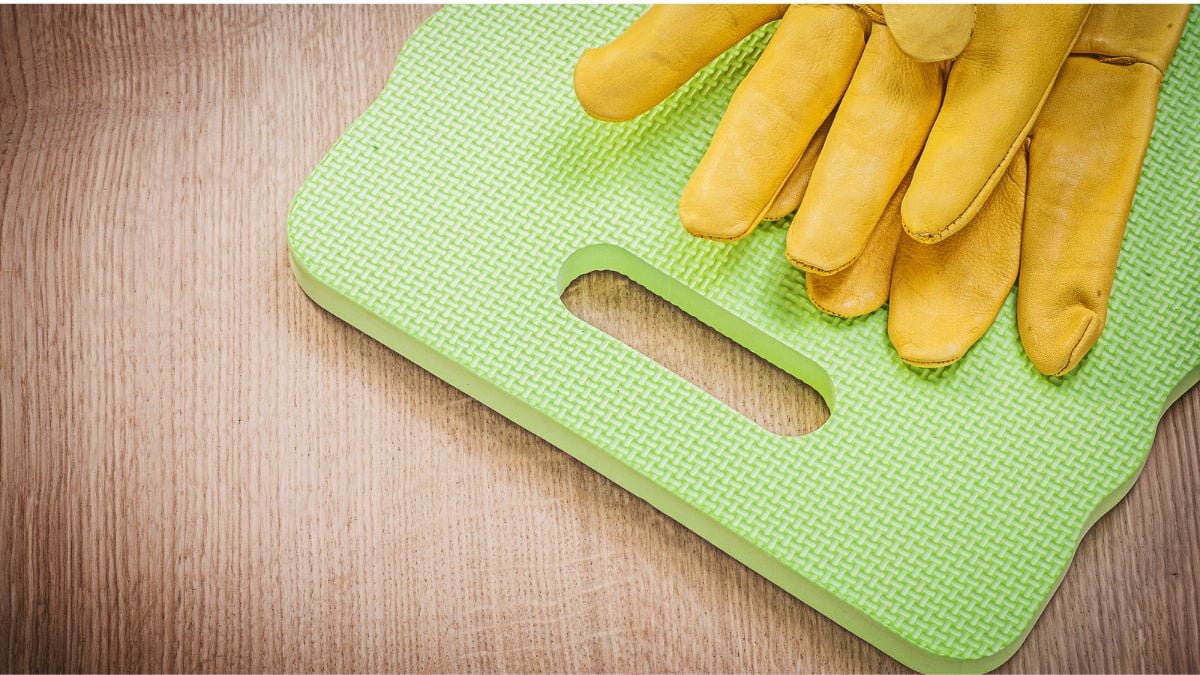
Working on your gardening project exposes your hands to dirt, moisture, and even spiky plants. Select a pair of sturdy gloves that comfortably fit your hands, prevent seedlings from slipping, and provide maximum dexterity.
2. Wheelbarrow
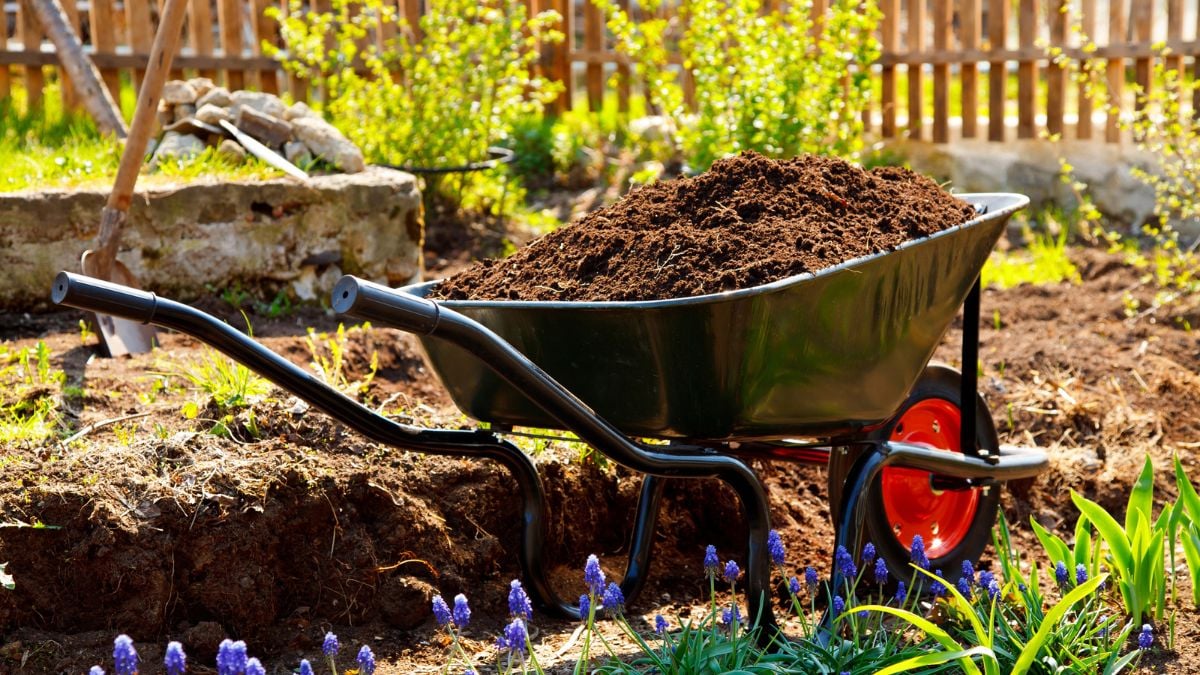
When it comes to bulky gardening chores, a wheelbarrow fits right in. It facilitates the maneuvering of mulch, soil, and tools around the garden without pressuring your back.
3. Hand Trowel
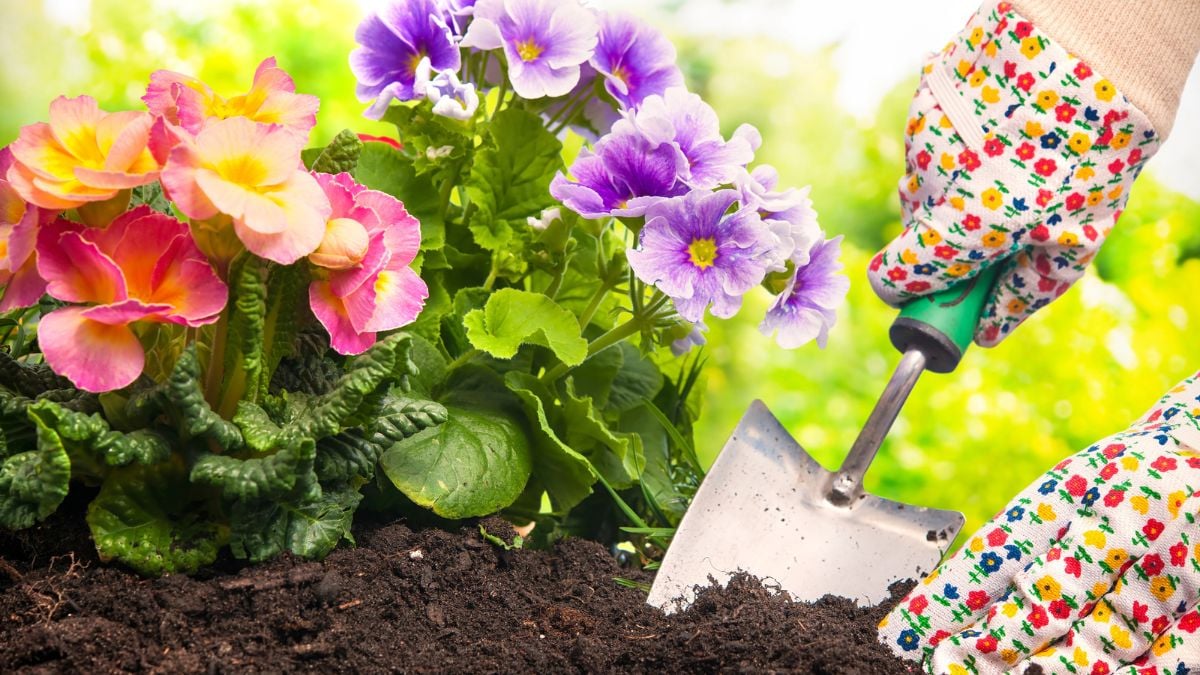
A trowel is ideal for precise gardening in confined spaces, offering control and comfort. Choose a sharp-edged trowel with an ergonomic handle to easily work the soil and protect your wrists during extended use.
4. Bow Rake
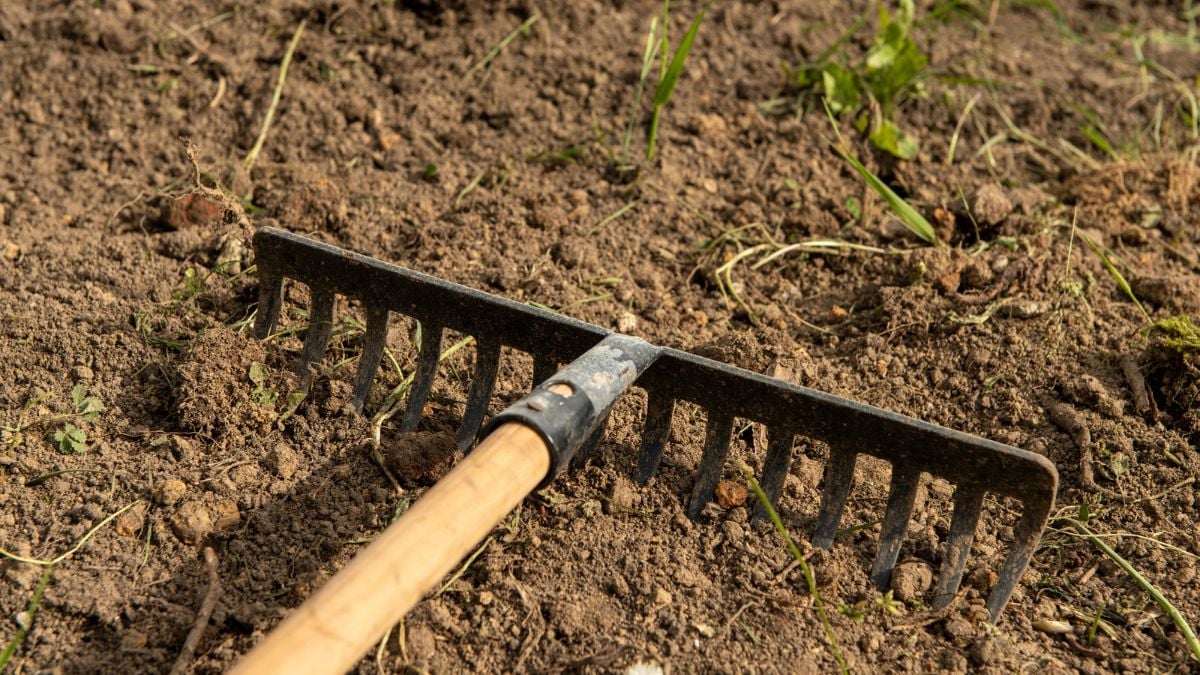
Your spring gardening plans won’t be successful with this multi-tasker. Besides raking the fallen leaves, it helps in smoothing the soil after planting the seeds. You can also benefit from the rake in spreading mulch around the soil and plants.
5. Fork
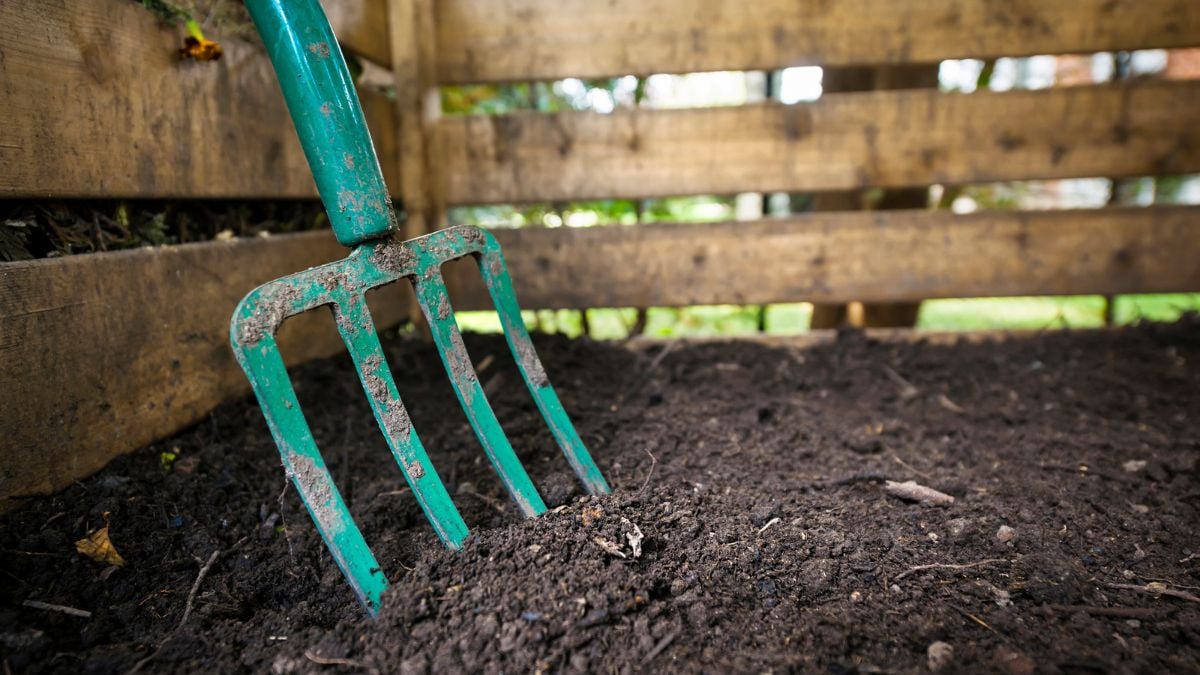
Utilize a garden fork this spring to aerate compact soil, allowing essential nutrients to reach seedling roots. It’s also great for weeding and bed preparation. Seek a fork with four forged steel tines and a comfortable handle.
6. Hand Pruner
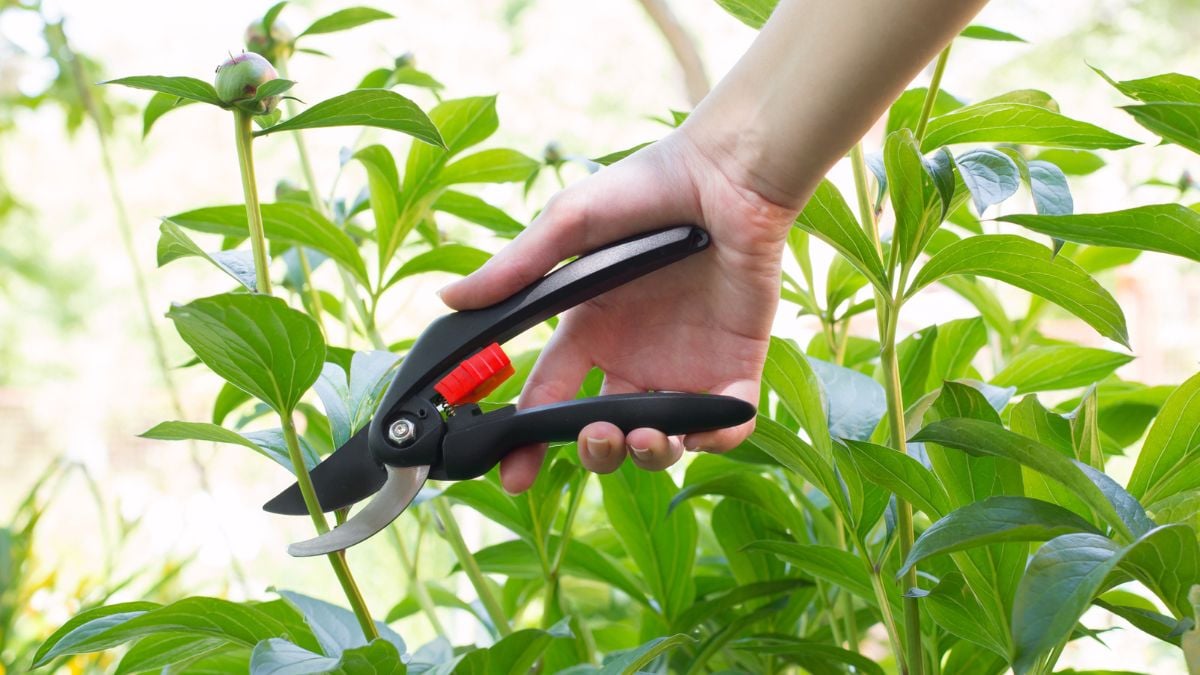
For precise cuts on your balcony garden, you don’t need hefty tools. Instead, you should consider a hand pruner. Hand pruners are a must for small gardens, perfect for precise trimming and shaping. Unlike two-bladed bypass pruners, they feature a single blade for deadheading, harvesting, and fresh growth maintenance.
7. Garden Scissors

Tame spring growth with a pair of garden scissors. Unlike pruners, scissors handle lighter tasks, such as snipping herbs, deadheading blooms, or cutting twine. Look for comfy grips, sharp blades, and a spring mechanism for effortless cuts
8. Hand Weeder
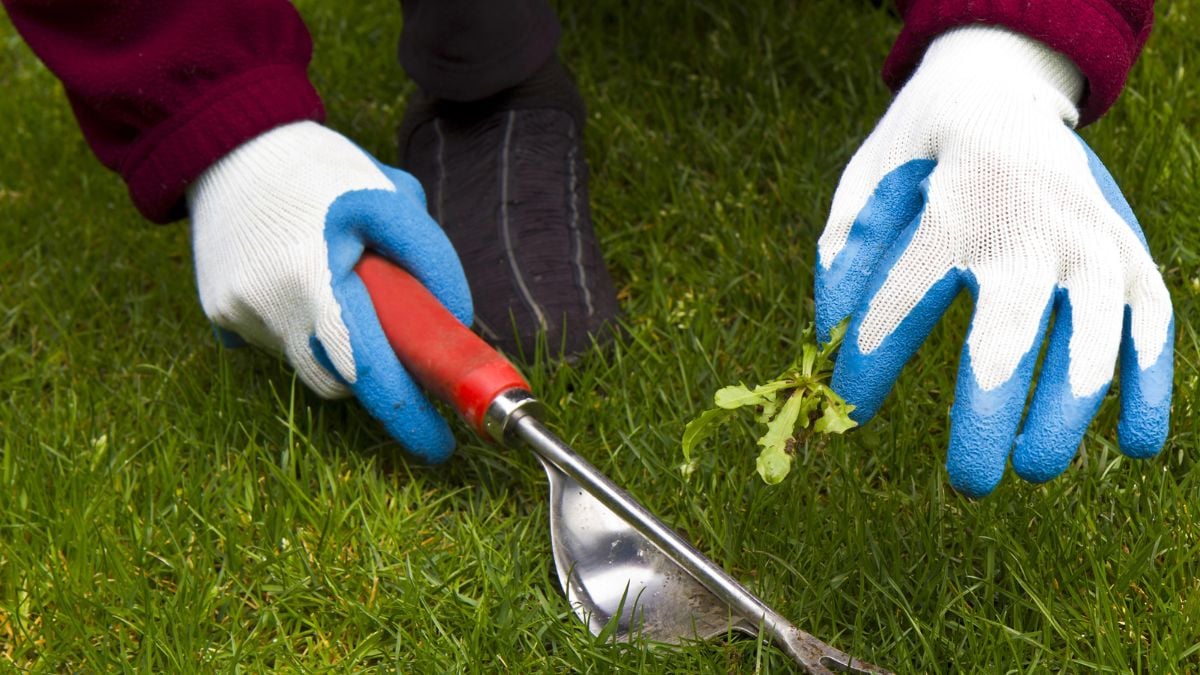
While a fork can tackle weeds, it lacks the precision of a hand weeder. The former can tackle large areas, while the latter can target them in the tightest spaces. Its forked tip spears weeds at their roots, preventing regrowth.
9. Watering Can
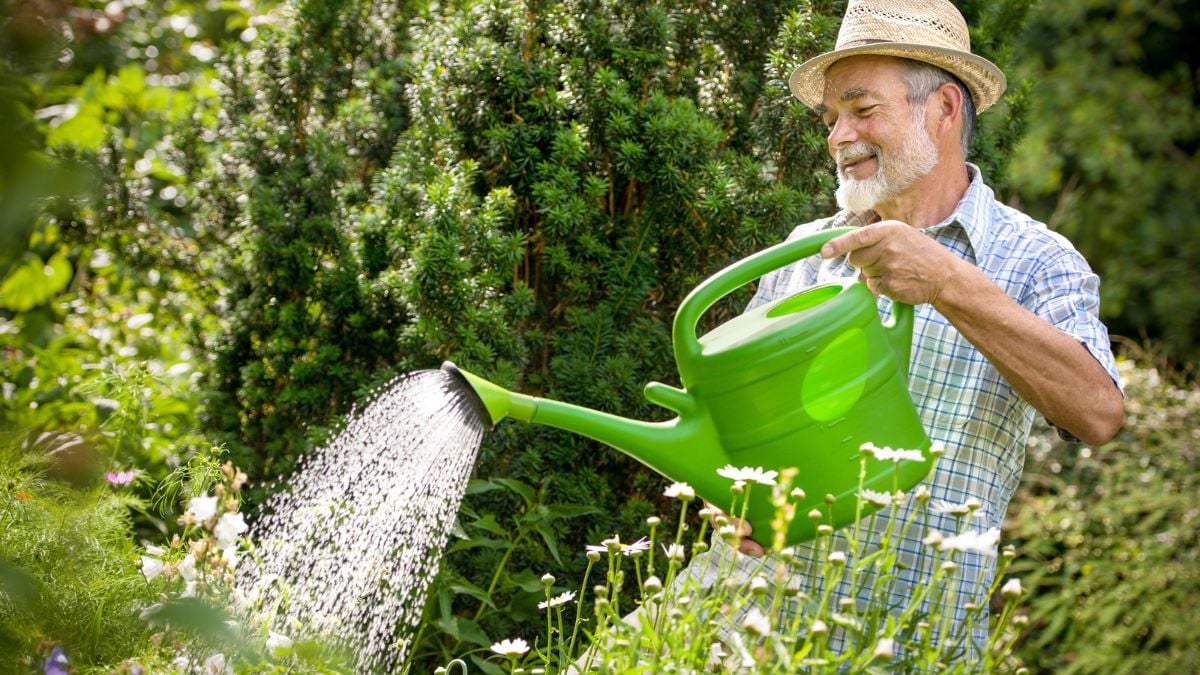
During spring and summer, your seeds and soil need frequent hydration. A watering can is your ally in this matter. A watering can provide a gentle shower for precise and controlled watering. You can rely on its detachable spout for a varied flow.
10. Kneeling Pad
According to EmergeOrtho, extended kneeling may cause knee problems. A kneeling pad, preferably lightweight, waterproof, and at least 1 inch thick, provides cushioning against hard surfaces, ensuring comfort and ease of storage with foldable designs.
11. Grampa’s Weeder

This clever tool lets you stand while working, so you don’t have to feel tired of bending over or kneeling to pull weeds. Its long handle and sharp forked tip dig deep, grabbing roots so weeds don’t grow back. Unlike delicate weeders, it’s built from solid steel and works in tough soil.
Spring weeds like dandelions succumb easily when you step on the footplate for extra force. No chemicals needed; just a quick twist and pull. The ergonomic grip reduces hand strain, making it great for large yards. Keep it near your garden entrance so it’s ready when weeds appear.
For stubborn patches, water the soil first to loosen roots. It works best on taproot weeds but struggles with creeping types like crabgrass. Still, it’s a must-have for keeping walkways and flower beds clean.
12. Analog Watering Timer

Busy schedules often mean forgotten hoses left running. An analog timer attaches directly to your faucet, delivering water on a set schedule. No Wi-Fi or apps are required; just turn the dial for custom watering intervals.
Plants flourish on consistency, especially new seedlings. Set it for early morning so leaves dry before nightfall, reducing mold risk. The mechanical design won’t fail during power outages like smart timers. Install it in minutes with no tools. It has battery-free operation, which means no maintenance is needed. Just remember to drain it before frost returns.
13. Soil Condition Tester
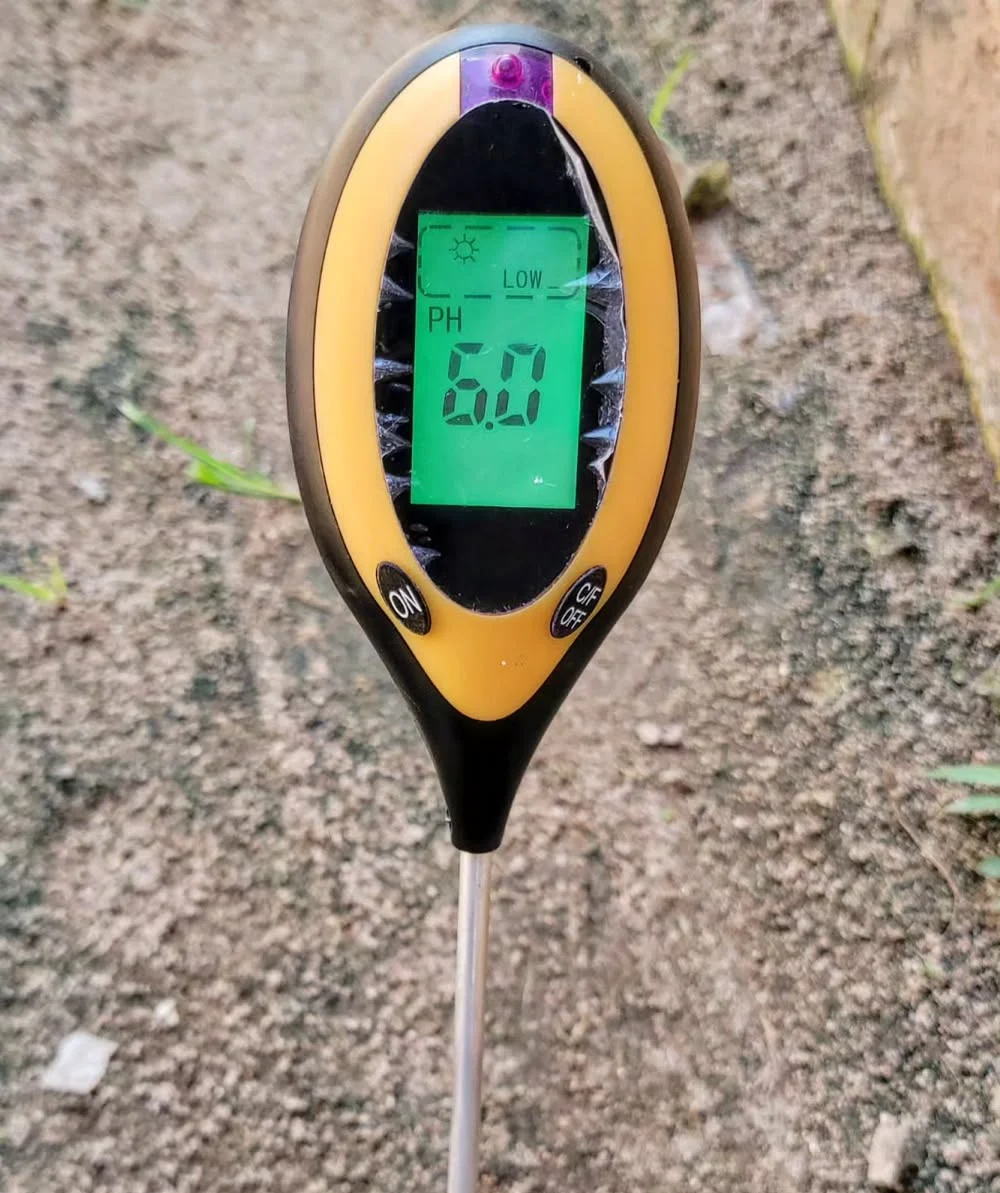
Guessing your soil’s pH or moisture leads to overwatering or poor growth. A basic inquiry tester gives instant readings so you can adjust care. Stick it into the ground near the roots for accurate feedback.
Acidic soil needs lime. If it is too dry, water it deeper. Some models also check light levels, helping pick the best spots for sun-loving plants. Avoid cheap versions with insubstantial probes. If you get a stainless steel, it lasts longer. Test different zones since conditions vary across a yard. Retest after heavy rain or fertilizer use.
14. Cordless String Trimmer
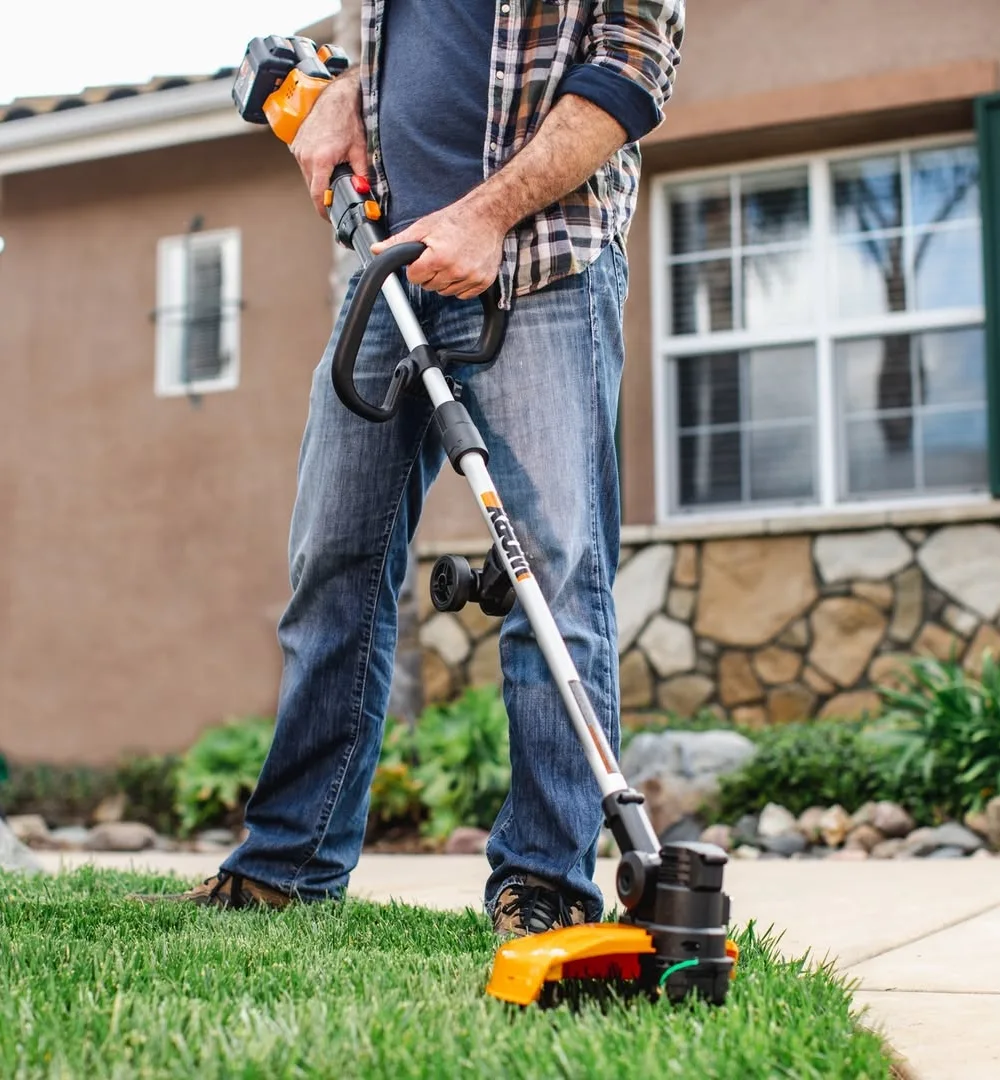
Electric trimmers cut quietly without gas fumes. A cordless model offers freedom to reach fence lines, tree bases, and tight corners without tripping over cords. Look for adjustable handles to switch between edging and trimming. A quick-loading spool saves time when replacing line. Lithium-ion batteries last longer than older NiCad types.
For thick grass, use a zigzag motion to avoid bogging down. Keep spare batteries charged during big cleanups. Lightweight designs reduce arm fatigue compared to bulkier gas models.
