
The tiny house dream is big, but the reality can feel a little cramped. You’ve seen the beautiful pictures online and love the idea of financial freedom and a simpler life. But a small part of you wonders what you would actually have to give up. You are looking for an honest take on the problems with tiny living before you make a big change.
We are going to skip the hype and talk about the real, everyday challenges. The 11 most common things tiny homeowners secretly miss about traditional houses. A clear picture of the daily struggles, from cooking in a tiny kitchen to the constant search for legal parking. Knowing this information upfront is the best way to avoid major tiny house regrets.
1. Full-Sized Kitchens and Appliances
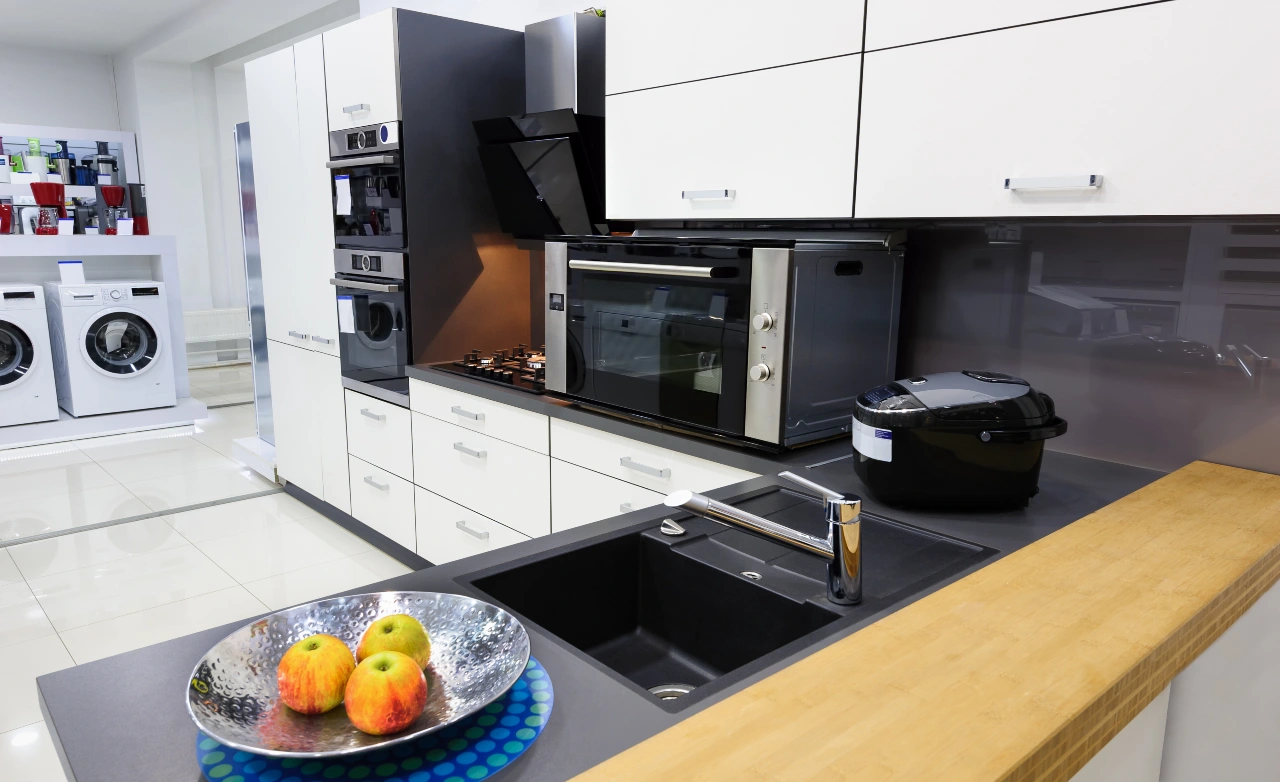
The first thing most tiny homeowners miss is the simple joy of cooking in a real kitchen. Those beautiful online photos rarely show the reality of meal prep on a cutting board the size of a dinner plate. You will find that limited counter space is one of the biggest daily problems with tiny living.
Forget buying in bulk to save money. Your mini-fridge means more frequent trips to the grocery store for smaller amounts of food. And what about cooking? Most tiny homes have a two-burner cooktop and maybe a small toaster oven. This makes cooking a big holiday meal or even just baking a pizza a serious challenge.
Many tiny homeowners talk about getting tired of the same one-pan meals over and over. You have to get creative, but sometimes you miss having four burners and an oven that can fit a turkey. The reality is, a tiny kitchen forces you to completely change how you shop and cook every single day.
2. A Real, Spacious Bathroom

A bathroom should be a private space, but in a tiny home, it’s mostly just functional. Many have wet baths where the shower, toilet, and sink are all in one small, waterproof room. This means after a shower, everything is damp.
Then there is the toilet situation. Composting toilets are one of the biggest downsides of tiny homes that people often overlook. Instead of flushing, you have to empty the waste manually. This is a regular chore that you will never find in a traditional house, and it’s a deal-breaker for many.
Fancy a long soak in the tub after a stressful day? You can forget about that. Most tiny homes simply don’t have the space for a bathtub. The reality is, a small house bathroom is not a place to relax; it’s a place to get in and get out as quickly as possible.
3. Effortless Storage Space

In a normal house, you have that one drawer. You know the one. It holds batteries, tape, and things you might need someday. In a tiny house, that drawer doesn’t exist. There are no spare closets for the vacuum cleaner or your winter coats.
Do you love to ski, paint, or play the guitar? Hobbies that require gear become a huge headache. This is one of the most common tiny house regrets: giving up activities you love because you have no storage space for the equipment. You have to be perfectly organized all the time, which can be exhausting.
One jacket on a chair can make the whole house feel cluttered. The reality is, you are not just cleaning; you are constantly managing your small space. There is no room for I’ll put it away later.
4. Having Guests Over Comfortably

One of the biggest regrets people have about tiny houses is not being able to easily host friends and family. Forget hosting a big dinner party. Entertaining more than one or two people indoors is nearly impossible. There’s simply no room for extra chairs, let alone a comfortable place for guests to linger.
That spare bedroom you might have had in a traditional house? Gone. Even finding a couch that’s comfortable for an overnight guest is a challenge when every piece of furniture serves multiple purposes. This means hosting often means meeting friends out, which can add up financially.
For many tiny homeowners, outdoor living space becomes crucial for socializing. But what happens when it rains? You can’t just invite everyone inside. You will find yourself missing the simple ability to have people over without everything feeling cramped and awkward.
5. Personal Space and Privacy

You can love the person you live with, but everyone needs space. In a traditional house, you can go to another room to cool off after an argument. In a tiny home, where do you go? You are always in the same small space, which can make disagreements feel much more intense.
This lack of privacy is built into the design. Loft bedrooms often don’t have real walls or a door you can close for quiet time. Trying to have a private phone call with your doctor, your partner is making lunch just a few feet away. Work-from-home meetings or sensitive conversations become public events.
This constant closeness is one of the biggest problems with tiny living, especially for couples and families. The reality is, you give up a significant amount of personal privacy. There is very little me time when you are never truly alone.
6. A Standing Bedroom

The cozy sleeping loft is an iconic part of the tiny house aesthetic. But the reality is you often can’t stand up in your own bedroom. You will spend a lot of time crawling into bed and getting dressed while hunched over, which is a daily annoyance that wears on you.
Then there is the ladder. It saves space, but it is not always practical. What happens when you need to use the bathroom in the middle of the night? Or if you have an injury that makes climbing difficult? This is a major safety and accessibility issue that many people don’t consider.
The daily climb and crawl is one of the most physically demanding downsides of tiny homes. As many tiny homeowners will show you, even a simple chore like making the bed becomes a wrestling match with your sheets in a cramped space. You will likely miss the simple luxury of standing up to put on your pants.
7. The Set It and Forget It Lifestyle

In a traditional house, you turn on the tap and water comes out. You flush the toilet, and it disappears. You rarely think about where it comes from or where it goes. Tiny living is the exact opposite. It requires constant, hands-on management of your resources.
Regularly checking your freshwater tank levels, monitoring your propane for cooking, and, yes, emptying your composting toilet. These are not small tasks. They are chores that traditional homeowners simply never have to deal with. This constant management is a frequent source of tiny house regrets.
It doesn’t stop there. Every single purchase, from a new pair of shoes to a bag of groceries, requires a mental calculation of where it will fit. Chores also feel more demanding because a few dishes in the sink can make the entire kitchen feel unusable. The reality is, you trade a set it and forget it lifestyle for one that demands your constant attention.
8. Simple Temperature Control

Keeping a comfortable temperature in a tiny home is a constant battle. A small space heats up and cools down very quickly. Poor insulation can mean you are sweltering in the summer and freezing in the winter, even with a heater running. This is one of the most common problems with tiny living.

Moisture is another huge issue. Simple acts like breathing and cooking create a lot of condensation. Without proper ventilation, this moisture gets trapped and can lead to a serious mold problem. You can find discussions on Reddit forums where owners share tips for combating mold behind furniture and in hard-to-reach corners.

Because standard HVAC systems don’t fit, you are often relying on a mini-split or a window air conditioner. These units can be noisy and may not heat or cool the space evenly, especially in the loft. The reality is, you will spend a lot more time and energy managing your climate than you ever did in a traditional home.
9. Not Worrying About Zoning and Parking

The dream of a tiny house is freedom. The reality is a constant search for a legal and stable place to park it. This is one of the most stressful downsides of tiny homes, and it never truly goes away. You might have a beautiful house, but where do you put it?
Most cities have strict zoning laws that don’t recognize tiny houses on wheels as legal full-time residences. This creates a legal gray area for owners. RV parks may have rules against long-term stays, dedicated tiny home communities are still rare and can be expensive, and parking in a friend’s backyard could get you in trouble with the city.
The freedom to move house is often limited by the fact that there are very few places you are legally allowed to stay. You will spend a lot of time and energy researching local codes and worrying about whether you might be forced to move unexpectedly. The reality is, you trade a mortgage for a constant feeling of uncertainty.
10. A Traditional Resale Market

A traditional home is often a good investment that builds value over time. A tiny home is not. One of the biggest financial tiny house regrets is discovering that your home depreciates, much like a car or an RV. You are unlikely to sell it for more than you paid.
Selling it at all can be a major challenge. The market for tiny homes is very small and specific. You have to find the right person who wants your exact layout and is ready to deal with all the other challenges of tiny living.
Making it even harder, it is very difficult for potential buyers to get a loan for a used tiny home. Because banks often classify them as personal property instead of real estate, most buyers need to have cash. This shrinks your pool of potential customers significantly. The reality is, a tiny home is a lifestyle purchase, not a financial investment.
11. The Anonymity of a Neighborhood
In a typical neighborhood, you can pull into your driveway and walk inside without anyone paying much attention. In a tiny house, your home is a spectacle. You trade the quiet privacy of a normal house for the constant curiosity of strangers.
Your house will be a conversation starter, whether you are in the mood to talk or not. You will get a lot of questions, and sometimes, people will even knock on your door unannounced, asking for a tour. Many bloggers have shared stories about feeling like they live in a fishbowl, where their every move is watched.
This might sound fun at first, but it can become tiring. It is one of the most unexpected things tiny homeowners miss: the simple act of being anonymous. The reality is, you can’t just blend in. You are not just a resident; you are the person with the tiny house, and that comes with a level of attention you might not be prepared for.
