
The tiny house dream often comes with a surprisingly big price tag that goes far beyond the initial cost of the home itself. That 250-square-foot haven might seem like a ticket to financial freedom, but hidden expenses lurk around every compact corner.
I thought I was being financially savvy by going tiny, shares Jamie, a tiny homeowner from Colorado. Two years in, I’ve spent nearly as much on unexpected costs as I did on the house itself. Jamie isn’t alone. A recent survey found that 68% of tiny home owners encountered at least three major unexpected expenses during their first year.
Building or buying a tiny home might cost $30,000-$85,000 upfront, but the journey doesn’t end there. Many enthusiasts focus exclusively on the purchase price, completely overlooking the significant ongoing and hidden expenses that can make or break a tiny living budget.
The 11 most common unexpected expenses that tiny home owners face in 2025 are discussed here. More importantly, you’ll learn practical ways to plan for and minimize these costs before they derail your small-living dreams. With proper preparation, your tiny home can still deliver the financial flexibility you’re seeking without the unwelcome surprises.
11 Tiny Home Expenses No One Warns You About Until It’s Too Late

1. Land Acquisition and Parking Fees

You’ve budgeted for building your dream tiny home, but where will you put it? This might be the most overlooked expense in the tiny living journey. Many new owners are shocked to discover that finding legal parking for a tiny home can be more challenging—and expensive than building the home itself.
In 2025, RV park fees range from $250 for basic sites to upwards of $1,500 monthly for premium locations with full hookups and amenities. While these parks offer convenience, they rarely provide the private, permanent setting many tiny homeowners envision.

Renting space on private land might seem like an ideal solution, but zoning restrictions often prohibit this arrangement in residential areas. If you’re considering purchasing land, prepare for significant costs: even small rural lots in tiny home-friendly areas like Spur, Texas, or Colorado can start at $20,000-$50,000, plus additional expenses for access roads, clearing, and utility preparation.
Sarah, a tiny homeowner in Oregon, shares: I spent more on land and site preparation than on my actual tiny house. No one warned me about this hidden cost when I was planning my budget.
Pro Tip: Research parking options and local zoning laws before investing in a tiny house, not after. Many counties update their regulations annually, so verify current rules with local planning departments.
2. Zoning Compliance and Legal Hurdles

Navigating the maze of zoning regulations might be the most frustrating and potentially expensive surprise for tiny homeowners. These laws vary dramatically across the country, with some areas embracing tiny homes while others actively prohibit them.
The legal classification of your tiny home significantly impacts where you can place it. Homes on wheels are typically classified as RVs, which limits full-time residency options. Foundation-based tiny homes must meet local building codes, which often include minimum square footage requirements that exceed tiny home dimensions.

Permit costs add up quickly: building permits ($500-$1,500), zoning variances ($250-$700), and inspection fees ($200-$400) create a hefty bill before you even start construction.
I spent nearly $3,000 just on permits and legal consultations, recalls Miguel from New Mexico. My tiny home sat in storage for four months. I fought with the county over classification.
Some states have become more tiny-home-friendly by adopting Appendix Q of the International Residential Code, which specifically addresses tiny homes. Currently, Colorado, Maine, and Oregon are among the most accommodating states; many East Coast suburban areas remain highly restrictive.
Pro Tip: Before purchasing plans or materials, schedule a pre-application meeting with local planning officials to understand all requirements and associated costs.
3. Utility Connection and Setup Fees

That cozy, tiny home needs water, electricity, and waste management, and connecting these utilities often comes with jaw-dropping price tags. Many new owners discover these essential services can cost as much to install for a tiny house as for a full-sized home.

Connecting to municipal utilities isn’t cheap. Water main installation runs $32-$53 per linear foot in 2025, plus potential meter fees of $2,000-$3,000. Electrical hookups range from $250 for simple connections to $1,500+ for homes farther from existing power lines. Sewer connections average $40-$180 per linear foot, depending on distance and terrain.

Off-grid alternatives require significant upfront investment, too. A basic solar setup starts around $7,000; comprehensive systems with battery storage can exceed $15,000. Septic systems cost $3,500-$8,500 installed, and composting toilets run $900-$2,000 for quality models.
Lisa, a tiny homeowner in Arizona, shared her experience: I budgeted $5,000 for utilities but ended up spending over $12,000. The water line alone cost twice what I expected because of the rocky terrain.”
Pro Tip: Get written quotes for utility connections before purchasing land, and consider adding 20% to estimates for unexpected complications like difficult terrain or special requirements.
4. Specialized Insurance Costs

Insurance for your tiny home isn’t as straightforward or affordable as you might expect. Standard homeowners’ policies rarely cover tiny houses, leaving many owners scrambling to find appropriate coverage after their build is complete.
Your insurance options depend entirely on how your home is classified. Tiny homes on wheels typically require RV insurance ($35-$75 monthly), foundation-based tiny homes might qualify for manufactured home policies ($60-$125 monthly). Both typically cost more per square foot than traditional home insurance.
In 2025, specialized tiny home insurance providers include:
Strategic Insurance Agency (covers off-grid homes)
American Modern (offers seasonal and vacant home options)
Foremost (requires RVIA certification)
American Family (covers tiny homes on wheels)
After three insurance companies rejected my application, I finally found coverage at double my budgeted amount,” explains Jordan from Washington state. “They classified my tiny home as ‘high-risk’ despite its quality construction.”
Many policies exclude coverage during transportation or have strict limitations on DIY builds. Most concerning, some owners can’t find coverage at all if their home lacks certain certifications.
Pro Tip: Start researching insurance options before you begin building. Having RVIA or ANSI certification can dramatically improve your insurance options and potentially reduce premiums.
5. Transportation and Relocation Expenses

The mobile aspect of tiny homes often comes with unexpectedly hefty price tags. Many owners are shocked to discover that moving their tiny house can cost almost as much as a down payment on a traditional home.
Transporting a tiny home isn’t as simple as hitching it to your truck. Professional movers typically charge $2-$5 per mile for tiny house transportation in 2025, with base fees starting around $1,000. A cross-state move can easily reach $3,000-$7,500; cross-country relocations can exceed $10,000.

Beyond the basic moving costs, you’ll need:
Permits for oversized loads ($100-$500 per state)
Pilot vehicles for wider homes ($250-$600 per day)
Insurance coverage during transit ($150-$500 per move)
Set up fees at the new location ($500-$1,500)
Emma, who relocated her tiny home from Colorado to Oregon, shares: I budgeted $3,000 for the move, but after permits, special insurance, and unexpected road issues, it cost over $6,500. That doesn’t even count the two weeks of hotel stays while coordinating everything.”
Even if you plan to stay put, circumstances change. Job relocations, zoning law updates, or property owner decisions can force unexpected moves. Nearly 40% of tiny homeowners report moving at least once within the first three years.
Pro Tip: When building or buying, consider investing in features that make transportation easier, such as removable porches and standardized dimensions that won’t require special permits.
6. Climate-Specific Maintenance Costs

Your tiny home faces big challenges from Mother Nature, and these climate battles come with surprising price tags. The compact size that makes tiny homes efficient also makes them more vulnerable to extreme weather conditions.

Winterizing a tiny home costs $300-$700 annually in colder regions, including pipe insulation, heat tape, skirting, and specialized RV antifreeze. Homes in humid environments require dehumidifiers ($200-$400) and more frequent exterior treatments to prevent mold and wood rot ($250-$500 annually).

Desert dwellers face their own expenses with additional cooling solutions and UV-protective treatments ($350-$800).
Region-specific challenges include:
Snow regions: Roof reinforcement and snow removal equipment ($500-$1,200)
Coastal areas: Corrosion-resistant hardware and salt-resistant finishes ($400-$900)
Storm-prone areas: Tie-down systems and storm shutters ($600-$1,500)
Hot climates: Enhanced insulation and specialized cooling systems ($800-$2,000)
Carlos, whose tiny home weathered three Minnesota winters, shares his reality check: “I spent over $1,200 my first winter on emergency repairs from frozen pipes and inadequate insulation. Now I budget $500 each fall for winterizing and still add $700 to my emergency fund for winter-related issues.”
Preventive maintenance costs less than emergency repairs, but it still adds up. Experts recommend setting aside 2-3% of your tiny home’s value annually just for climate-related maintenance.
Pro Tip: Research regional climate challenges thoroughly before designing your tiny home, as climate-specific features are much cheaper to build initially than to retrofit later.
7. Space-Efficient Appliance Premiums

Smaller doesn’t mean cheaper when it comes to tiny home appliances. In fact, the space-saving versions of standard appliances often come with eye-popping price tags, sometimes double or triple the cost of their full-sized counterparts.

Consider these 2025 price comparisons:
Standard refrigerator ($700-$1,000) vs. compact refrigerator ($900-$1,800)
Regular washing machine ($450-$800) vs. combo washer-dryer unit ($1,200-$2,000)
Standard range ($650-$900) vs. marine/RV range ($850-$1,600)
The premium continues with specialized options like under-counter refrigerators ($1,500-$3,000) and ultra-compact dishwashers ($700-$1,400).

I assumed downsizing would mean cheaper appliances, admits Taylor from Portland. My apartment-sized refrigerator cost $1,400, and my parents bought a full-sized model with more features for $800.
Energy efficiency adds another layer of complexity. Many compact appliances use less electricity per cycle but may run less efficiently overall. In off-grid settings, finding the right balance between size, function, and energy consumption often means investing in higher-end models designed specifically for low-energy use.

Repairs present yet another challenge. Specialized appliances often require specialized service technicians, who charge premium rates for their expertise. Many tiny homeowners report repair costs 30-50% higher than for standard appliances, with longer wait times for parts and service.
Pro Tip: Consider buying full-sized Energy Star appliances where space permits. They’re often less expensive, more reliable, and equally energy-efficient compared to their compact counterparts.
8. Storage Solutions and Organization Systems

Living with less doesn’t mean spending less on storage. In fact, maximizing every square inch of a tiny home requires significant investment in custom storage solutions that many owners don’t anticipate.
Custom-built-ins, the backbone of tiny house organization, typically cost $100-$300 per square foot in 2025, considerably more than standard cabinetry. A comprehensive storage system for a tiny home can easily reach $3,000-$7,000, depending on materials and complexity.

Multi-functional furniture comes with premium price tags, too:
Storage stairs: $1,200-$3,000
Murphy beds with integrated storage: $1,800-$4,500
Custom convertible dining/workspace solutions: $900-$2,500
Despite these investments, many tiny homeowners still find themselves renting external storage. Climate-controlled storage units average $50-$200 monthly, an ongoing expense that quickly adds up.

I spent nearly $5,000 on built-in storage, explains Aiden from Michigan. Even with all that custom cabinetry, I still pay $75 monthly for a storage unit for seasonal items and tools I use occasionally but can’t fit in my tiny home.
Pro Tip: Phase your storage solutions, starting with essential systems and adding others as your budget allows. Consider semi-custom options using IKEA components with custom facings to reduce costs without sacrificing functionality.
9. Property Depreciation Reality

Unlike traditional homes that typically appreciate over time, most tiny homes follow a depreciation pattern closer to vehicles than real estate, a financial reality many enthusiasts don’t consider before buying.
Tiny homes on wheels depreciate most rapidly, losing 15-20% of their value in the first year and 5-10% annually thereafter. After five years, a $70,000 tiny home on wheels might be worth just $35,000-$45,000. Foundation-based tiny homes fare somewhat better, depreciating at 5-7% annually if well-maintained.

Several factors influence this depreciation:
Certification status (RVIA or ANSI certified homes hold value better)
Construction quality and materials
Adherence to building codes
Land ownership (a tiny home with land depreciates more slowly)
Transferability of parking arrangements

I was shocked when I tried to sell my three-year-old tiny home, recalls Jasmine from Colorado. Despite investing $65,000 initially and $5,000 in upgrades, the best offer I received was $38,000. Traditional homes in my area had appreciated 12% during the same period.
This depreciation reality demands different financial planning. Rather than viewing your tiny home as an investment that will grow in value, approach it as a lifestyle choice with upfront savings on housing costs.
Pro Tip: To minimize depreciation, invest in high-quality materials, obtain proper certification, secure legal parking with transferable rights, and maintain meticulous service records.
10. Professional Inspection and Certification Expenses

Certification and inspection costs catch many tiny homeowners off guard, yet these essential expenses can make or break your tiny home’s legality, insurability, and resale value.
RVIA (Recreational Vehicle Industry Association) certification, often required for insurance and legal parking, isn’t cheap. Manufacturers pay $4,500-$10,000 annually for RVIA membership, plus per-unit inspection fees that get passed to buyers. For DIY builders, alternative ANSI certifications run $1,500-$3,000, while NOAH certification costs $600-$1,200.

Beyond initial certification, ongoing inspection requirements include:
Electrical inspections ($150-$300)
Structural assessments ($200-$500)
Propane/gas line tests ($100-$250)
Annual safety inspections ($250-$450)
I skipped certification to save money, admits Victor from Florida. Two years later, I spent $4,000 retrofitting my home to meet standards after being denied insurance and legal parking at every turn.

For homes on wheels, additional inspections include:
Trailer certification ($200-$400)
Brake system tests ($150-$250)
Weight distribution analysis ($200-$350)
Pro Tip: Budget for certification from the start. It’s significantly cheaper to build to certification standards initially than to retrofit later. Find an inspector familiar with tiny homes before you begin construction to avoid costly redesigns.
11. Emergency Repair Fund Requirements

Tiny homes face unique repair challenges that demand a robust emergency fund. Their compact nature means that one system failure can quickly affect others, turning a minor issue into a major headache.
Financial experts recommend keeping 3-5% of your tiny home’s value in an accessible emergency fund, higher than the 1-3% suggested for traditional homes. For a $70,000 tiny house, that’s $2,100-$3,500 set aside specifically for unexpected repairs.

Common emergency expenses include:
Water damage repairs ($1,200-$3,500) are particularly damaging in small spaces
Trailer axle or structural issues ($800-$2,000)
Electrical system failures ($500-$1,500)
Plumbing emergencies ($400-$1,200)

Custom window/door replacements ($600-$1,800)
These repairs often cost more per square foot than in traditional homes due to the specialized nature of tiny home components and limited access to systems.
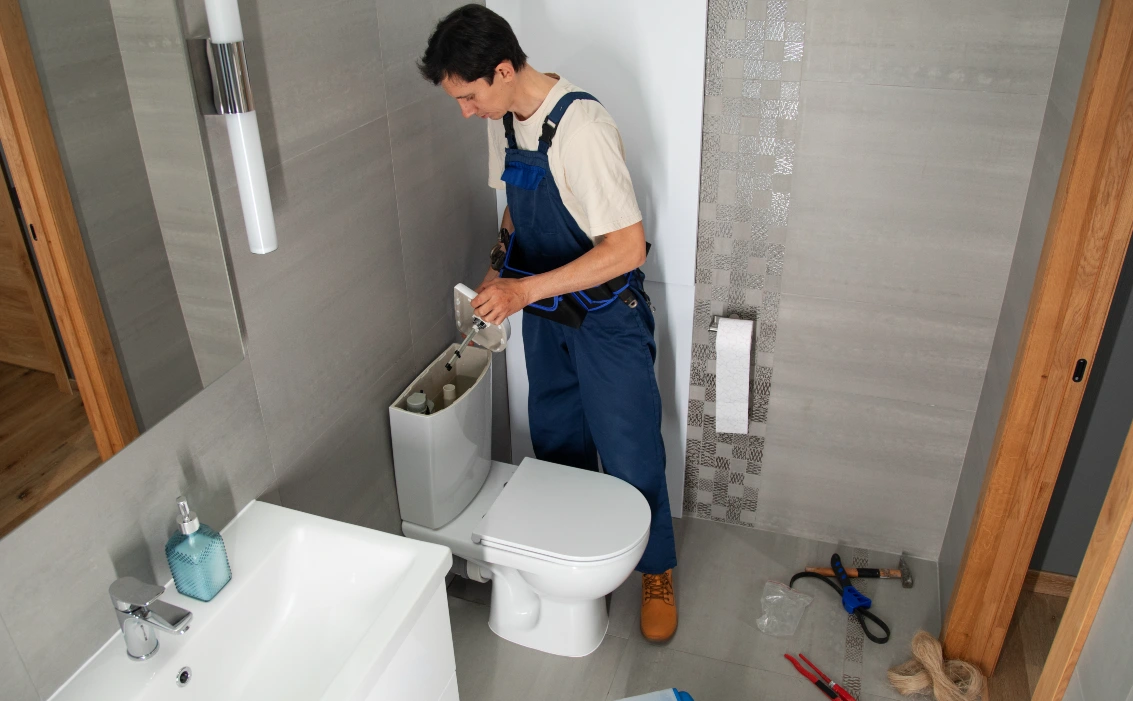
When my composting toilet failed, I discovered replacement parts cost triple what I expected, shares Olivia from Maine. The specialized nature of my bathroom setup meant I couldn’t just grab parts from the local hardware store; they had to be custom-ordered, adding both cost and time.
The compact nature of tiny homes also means that professional repair specialists often charge premium rates for working in confined spaces with non-standard systems.
Pro Tip: Build your emergency fund before completing your tiny home, and consider setting up automatic transfers of 1% of your home’s value quarterly to maintain this critical safety net.
