
You bought the cute baskets, installed the over-the-door organizer, and filled your cube storage with bins. And your home still looks like a mess.
You’re not alone. Despite spending money on storage solutions that create clutter, many homes feel more chaotic than before. You can’t find what you need when you need it. Your family ignores the organizing systems you set up.
The truth is that some popular storage solutions actually make home organization mistakes worse. In this guide, you’ll learn which storage products create more problems than they solve. Plus, you’ll get simple swaps that actually work. No more decluttering storage problems or wasting money on products that don’t help.
12 Storage Solutions That Actually Create More Clutter
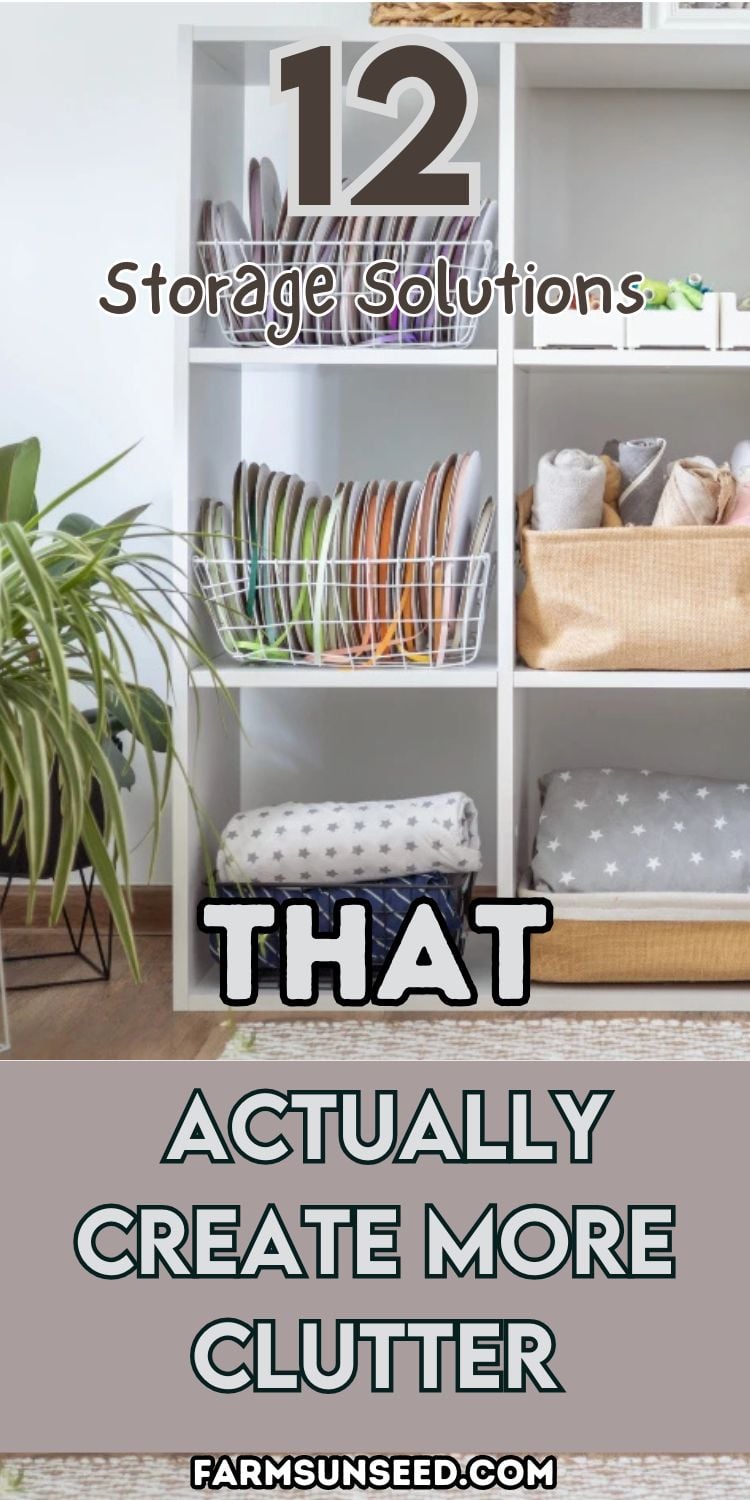
The Real Problem: Why “Storage” Often Equals “Stuff Hiding”?

We’re Buying Solutions for the Wrong Problem
Americans spend $1,400 per year on organizing and storage solutions. Yet 54% of us still feel overwhelmed by clutter. And the reason is that we’re trying to organize our way out of a stuff problem.
The Math Doesn’t Add Up
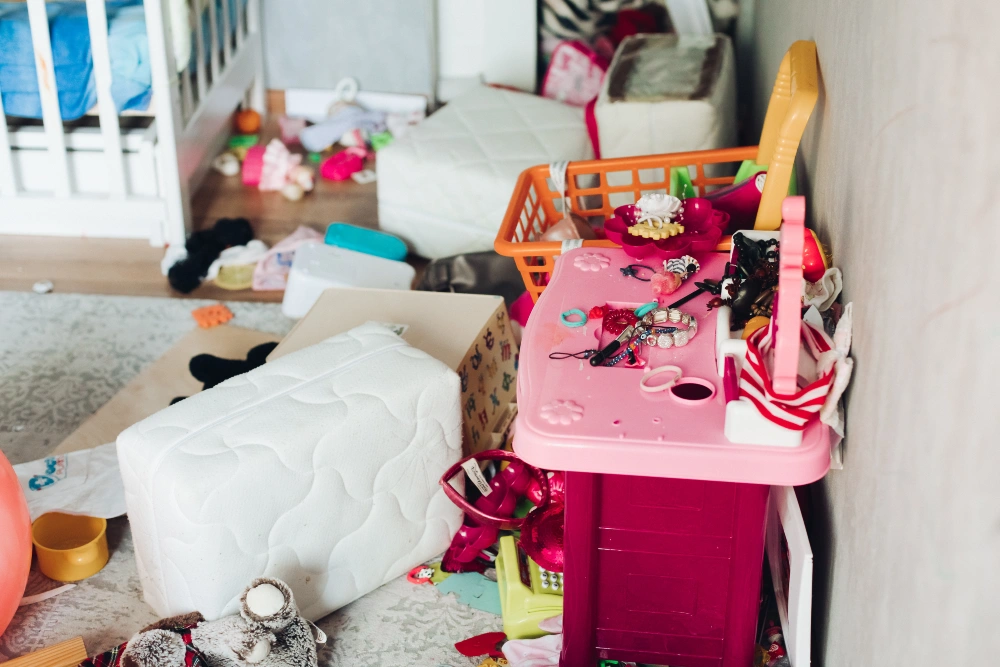
The average home contains 300,000 items. No amount of cute bins can fix that. Storage mistakes happen when we focus on hiding clutter instead of reducing it.
Organizing vs. Reducing: What’s the Difference?
Organizing clutter means finding places to put everything you own. Reducing means keeping only what you need. Bad organizing systems give you more places to store things you don’t use.
i. Cube Storage Systems (KALLAX and Similar)

The Visual Clutter Problem
Open cubes become visual clutter magnets. Everything you own becomes part of your room’s décor, whether it looks good or not. KALLAX clutter happens because you see all your stuff all the time.
Too Many Tiny Spaces
Cube storage problems start with compartments. Sixteen small cubes encourage keeping sixteen categories of items you probably don’t need. Each bin becomes a “maybe I’ll use this” collection.
The Better Fix
Skip open cubes entirely. Use closed storage with designated purposes instead. One closet for linens works better than four cube bins for “fabric stuff.”
ii. Over-the-Door Organizers

Hidden Clutter Creep
Professional organizers call this “stuffing things in closets” – the top organizational habit they want you to stop. Over-the-door organizers create clutter creep behind closed doors where problems grow unseen.
The Avalanche Effect
Items fall out every time you open the door. You spend more time picking things up than the organizer saves. Your family avoids using doors with organizers hanging on them.
What Works Instead
Wall-mounted shelves give you visible, accessible storage. Inside-cabinet organization keeps items contained but easy to reach. Both solutions work better than door storage that fights gravity.
iii. Small Containers and Bins Everywhere
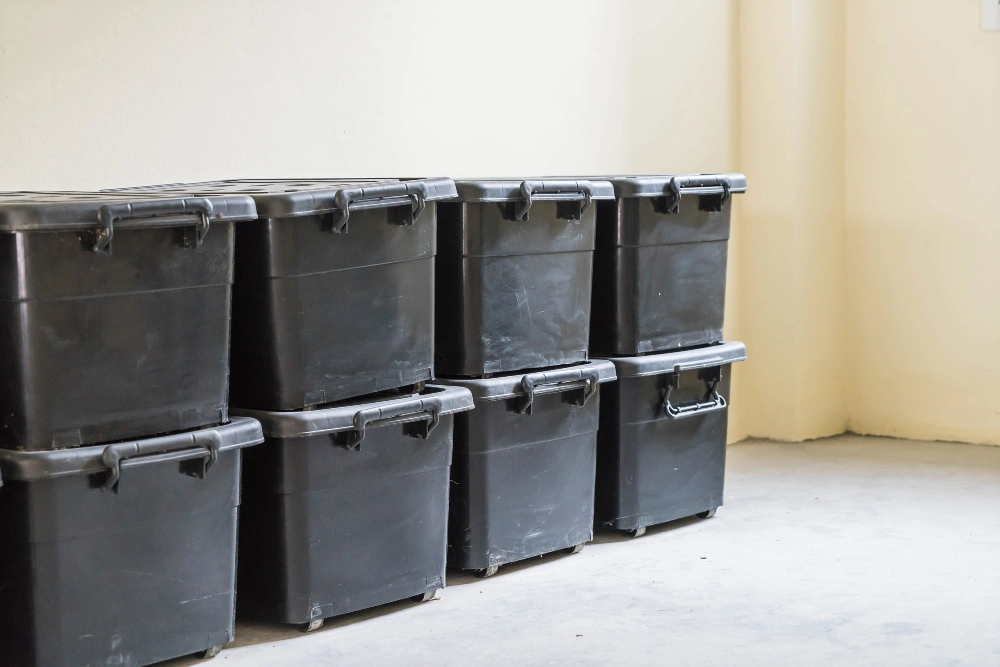
Too Complex to Maintain
Bathroom counter organizers with twelve compartments create complicated systems that people won’t maintain. Your family sees tiny bins and thinks, “too much work.” The more containers you have, the less likely anyone is to use them correctly.
The Tiny Item Trap
Small bins encourage keeping tiny items that should be discarded. Junk drawer dividers become homes for broken paperclips and dead batteries. You’re organizing trash instead of throwing it away.
Container Shopping Gets It Backwards
Buy containers after decluttering, not before. Fewer, larger containers for categories that matter work better than twenty small bins for stuff you don’t need.
iv. Open Shelving for Everything

The Pinterest Problem
Professional organizers say open shelving “often leads to more frustration than function.” Everything becomes visual clutter when you can see it all. Your daily items compete with your décor for attention.
High Maintenance, Low Function
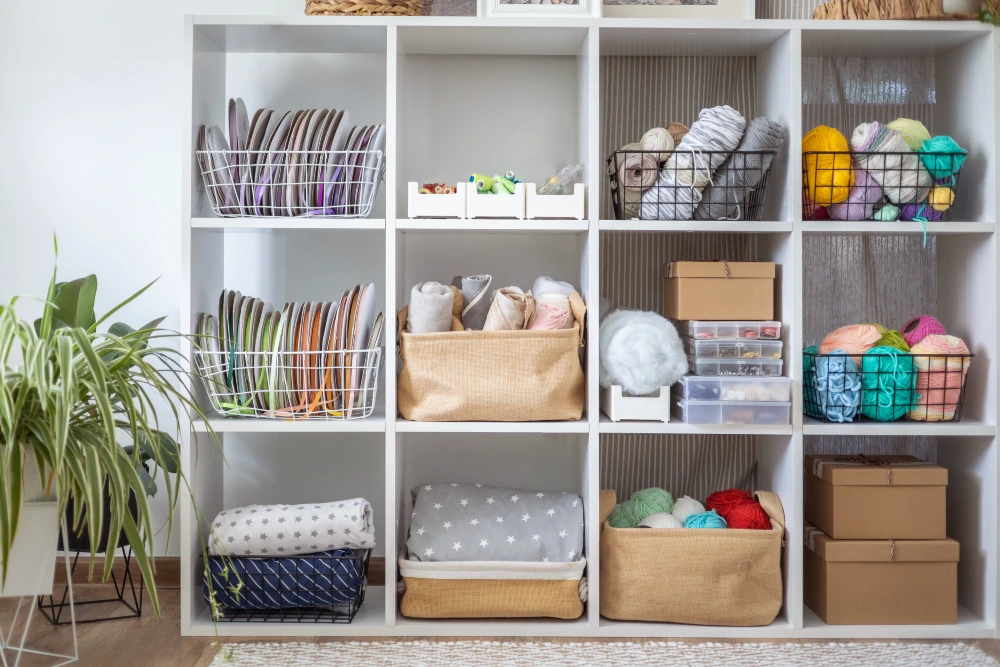
Open shelves require constant maintenance to look good. Dust accumulates on everything. You spend more time arranging and cleaning than the storage saves you in convenience.
Smart Open Storage Strategy
Mix open display for pretty items with closed storage for daily use. Show off three beautiful books, hide your random paperwork. Open shelving works for decoration, not organization.
v. Shoe Organizers (Not Just for Shoes)
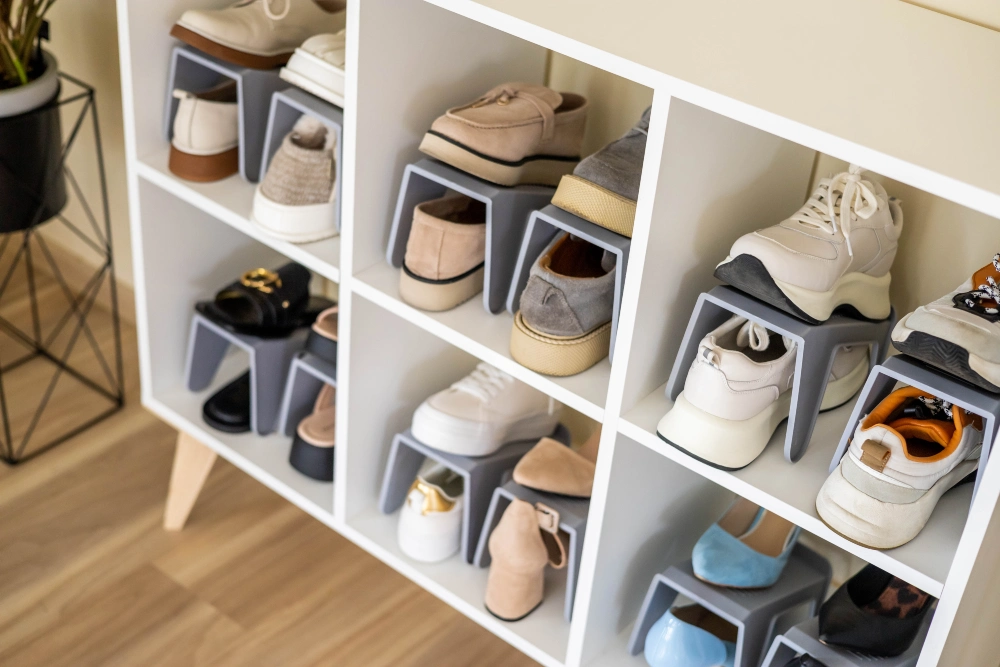
Pocket Hoarding Problem
Those clear pockets encourage hoarding small items you don’t need. Craft supplies, cleaning products, and random bits multiply in shoe organizers. Each pocket becomes a “maybe someday” collection.
Out of Sight, Out of Mind

Items disappear into pocket organizers where you can’t see them clearly. You forget what you have and buy duplicates. That bottle of glue gets purchased three times because you can’t find the first two.
Designated Spots Work Better
Drawer organizers or designated storage spots in cabinets work better than pocket systems. You can see everything at once and actually use what you own.
vi. Under-Bed Storage Boxes
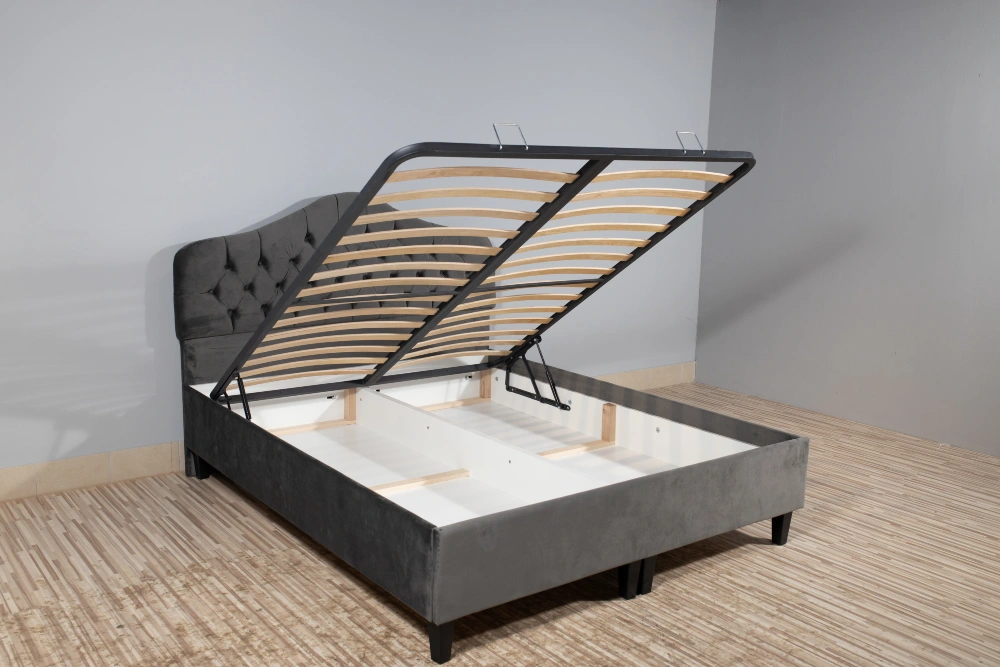
The Black Hole Effect
Under-bed boxes create the ultimate “out of sight, out of mind” problem. You slide things under there and forget they exist. Six months later, you discover clothes you thought you lost.
Dumping Ground Danger
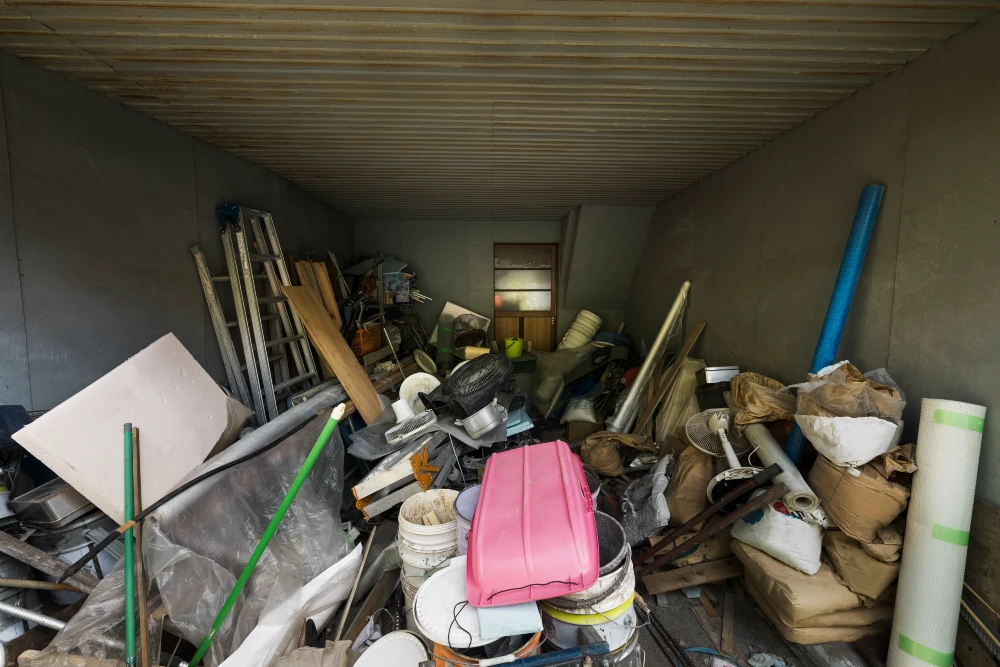
These boxes become dumping grounds for items without proper homes. Random stuff gets shoved under beds instead of being dealt with properly. You’re hiding clutter, not organizing it.
Seasonal Items Only
Use under-bed storage only for seasonal items you access twice yearly. Keep inventory lists taped to box tops. If you can’t remember what’s inside, it doesn’t belong under your bed.
vii. Complicated Pantry Systems

Too Many Containers to Track
Pantry systems with twenty different containers create maintenance nightmares. You spend more time washing and refilling containers than the system saves. Each container needs labels, lids, and constant attention.
Family Members Give Up

Complex pantry systems fail because family members won’t use them. Kids grab snacks from original packaging instead of your beautiful containers. Your 2025 kitchen organization efforts become your solo project.
Simple Categories Win
A recent survey found 58% of homeowners say kitchen clutter causes daily stress. Simple categories with easy-to-use containers work better than Instagram-perfect systems nobody maintains.
viii. Bathroom Counter Organizers

Visual Clutter Central
Bathroom counter organizers add to visual clutter instead of reducing it. Multiple containers, trays, and holders compete for attention on your countertop. Your bathroom feels busy and chaotic instead of calm.
Expired Product Problem

Counter organizers encourage keeping expired products visible. Old makeup and lotions sit in pretty containers past their useful life. You’re organizing items that should be thrown away.
Clear Counters Work Better
Under-sink storage and medicine cabinet use work better than counter organizers. Clear counters are easier to clean and create a peaceful bathroom environment. Store daily items in cabinets, not on display.
ix. Command Centers and Paper Organization Systems

Paper Accumulation Zones
Command centers become paper accumulation zones instead of organization hubs. Mail, school papers, and random documents pile up faster than you can sort them. Your “organization” system creates more paper clutter.
Too Complex for Real Life

Multiple slots, files, and categories sound good in theory, but fail in daily use. Family members dump papers anywhere rather than figure out your complex filing system. Simple tasks become complicated decisions.
Digital Works Better
Go digital whenever possible for bills, school communications, and documents. Use a one-touch filing system for essential papers: deal with it immediately or throw it away.
x. Storage Ottomans and Bench Storage

Junk Magnet Furniture
Storage ottomans and benches become junk magnets for items without proper homes. Random stuff gets tossed inside instead of being put away properly. Your furniture storage becomes a catch-all for clutter.
Buried and Forgotten

Items get buried under other items and forgotten completely. You need three things from the bottom, but only grab what’s on top. Heavy lids make accessing stored items awkward and discouraging.
Dedicated Storage Works Better
Dedicated storage rooms or organized closets work better than furniture storage. Items have specific homes where you can see and access them easily. Save ottomans for their intended purpose: seating.
xi. Garage Wall Storage Systems

The “Fix Later” Trap
Garage wall storage systems encourage keeping broken items “to fix later.” Broken lawn mowers, bent tools, and rusty equipment get hung up instead of thrown away. Your storage system becomes a graveyard for items you’ll never repair.
Tools Go Everywhere But Their Hooks

Tools become disorganized quickly when family members don’t return them to specific spots. Empty hooks mock you while tools pile up on workbenches. The system looks organized until you actually need something.
Purge First, Organize Second
Get rid of broken items before installing wall storage. Simple tool organization with fewer, better tools works better than elaborate systems for stuff you don’t use.
xii. Kids’ Toy Storage Bins

More Bins = More Chaos
Too many toy storage bins create toys everywhere instead of organization. Kids see eight different bins and dump everything on the floor to find one item. More containers mean more mess, not less.
Kids Can’t Handle Complex Systems

Children can’t maintain complex sorting systems with multiple categories. Bins become “toy dumps” where everything gets mixed together anyway. Your detailed organization plans don’t match how kids actually play and clean up.
Simple Systems Work
Toy rotation with fewer categories and easy access works better than multiple bins. Keep some toys stored away, and rotate weekly. One bin for cars, one for dolls beats ten bins for specific subcategories.
What Actually Works: Simple Storage Solutions That Reduce Clutter

Start With Less Stuff
Declutter first, organize second. Professional organizers agree: you can’t organize your way out of a stuff problem. Get rid of items you don’t use before buying any storage solutions.
Keep Systems Simple

Simple systems your whole family will maintain work better than perfect Instagram setups. Closed storage for most items reduces visual clutter. One designated spot per category beats multiple sorting options.
Schedule Regular Purges
Set monthly purging schedules to prevent clutter from returning. Professional organizers recommend the “one in, one out” rule. When new items enter your home, old items should leave.
