
The average American household now spends $503 yearly on gardening, but for 44.4% of gardeners, these expenses keep climbing due to preventable mistakes. You water religiously, buy the best soil, and follow every care tip you find online. But your plants still die. The cycle repeats: excitement, hope, dead plants, expensive replacements, and growing frustration with gardening.
Here’s the truth: most costly garden problems aren’t caused by bad luck or lack of a “green thumb.” They’re caused by 13 specific gardening mistakes that secretly sabotage your plants and drain your wallet. Fix these expensive plant care errors, and you’ll stop the costly cycle of buying, killing, and replacing plants. Some gardeners save hundreds of dollars in their first season alone.
13 Gardening Mistakes That Are Secretly Destroying Your Plants (And Costing You Hundreds)
The Hidden Cost of Garden Errors
Gardening Expenses Are Skyrocketing
Gardening expenses increased for 44.4% of respondents in 2024, up by 8.5 points from 2023. That’s not inflation; that’s costly garden problems eating your budget. Professional gardening services now cost $300 monthly on average, but most people need help fixing preventable mistakes.
Small Errors Create Big Bills
One wrong plant placement leads to disease spread. Bad soil prep kills entire garden beds. These gardening expenses compound fast. Your average garden should yield $600 worth of produce with just $70 in maintenance. But mistakes flip that math, making gardening expensive instead of profitable.
Prevention Beats Replacement Every Time
Smart gardeners prevent problems instead of fixing them. That saves hundreds compared to the replace-and-repeat cycle most people get stuck in.
Mistake #1: Overwatering – The Silent Plant Killer
The #1 Garden Killer
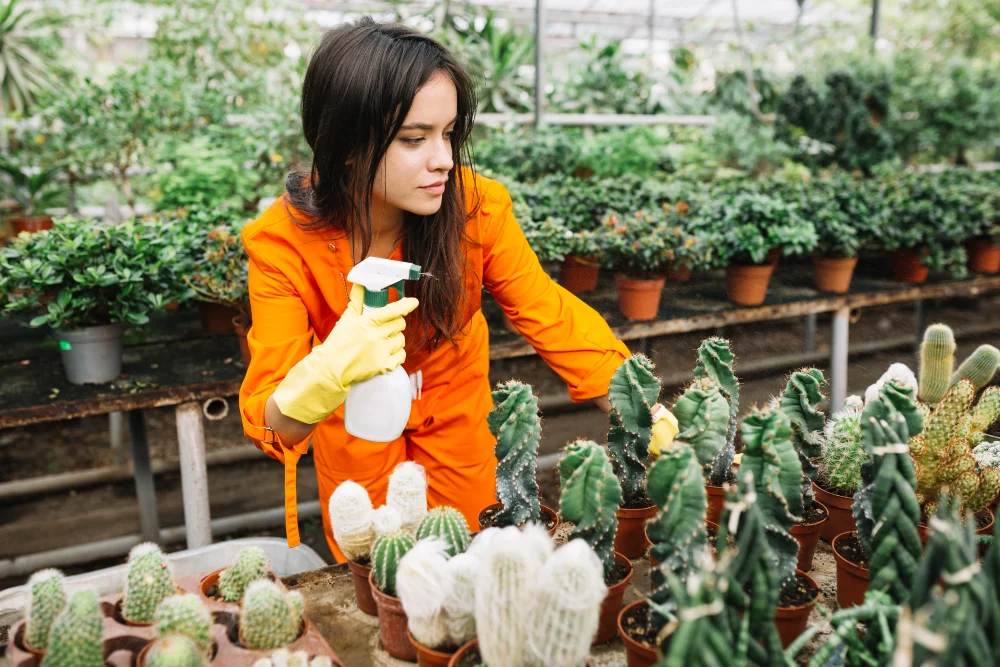
Overwatering is the most common mistake gardeners make. You think more water equals healthier plants. Wrong. Too much water suffocates roots, blocks oxygen, and creates perfect conditions for root rot and fungal diseases.
The Expensive Damage
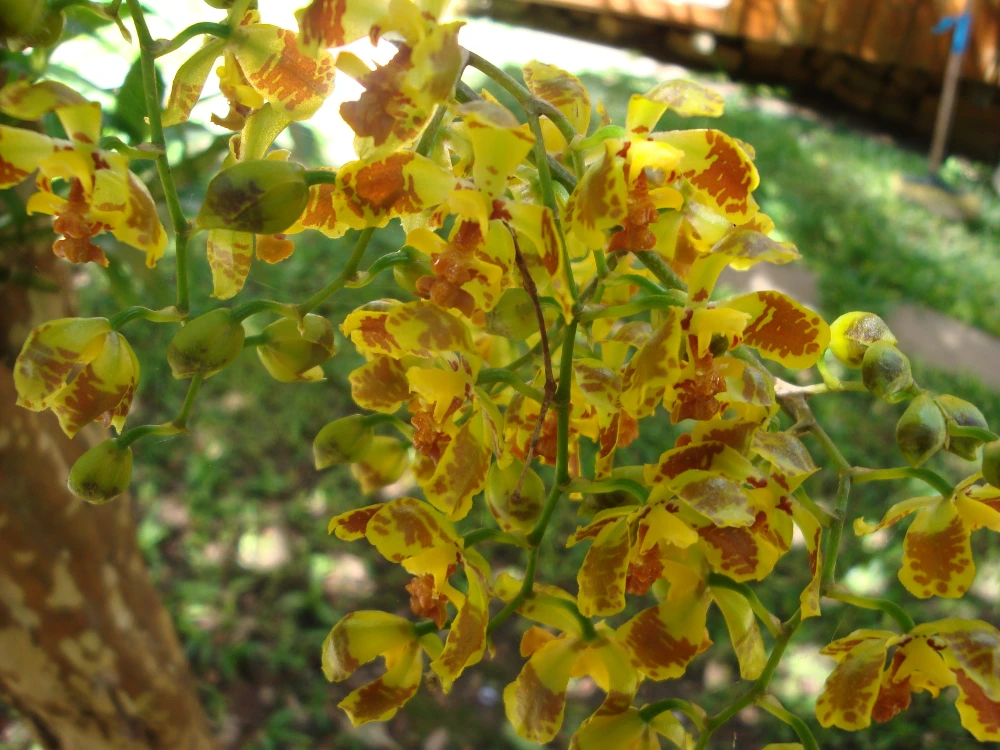
Overwatered plants show yellow leaves, mushy stems, and that distinctive rotting smell. Recovery rarely works: replacement costs add up fast. Most gardeners spend $50-200 yearly replacing drowned plants.
The Simple Fix
Try the finger test: stick your finger 2 inches into the soil. If they feel dry, water deeply. And they feel moist. Wait. This simple check prevents the expensive cycle of killing plants with kindness.
Mistake #2: Planting in the Wrong Location
Fighting Nature Never Works
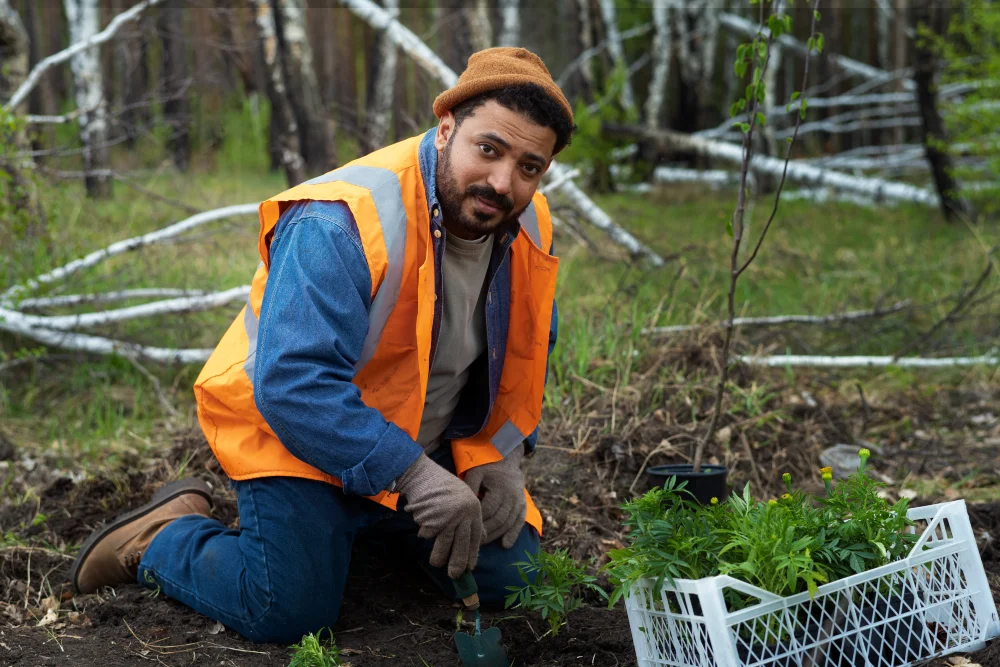
Plants that thrive in clay soil will always struggle in sandy soil. Sun-loving plants wither in shade. Shade plants burn in full sun. Wrong placement causes stunted growth, weak plants, and eventual death, no matter how much you baby them.
Expensive Relocations and Replacements

Moving mature plants costs $100-500 each, with no guarantee they’ll survive the shock. Most gardeners just keep buying replacements instead. That’s $30-80 per plant, season after season.
Right Plant, Right Place Saves Money
Match plants to your actual conditions before buying. Check sun exposure, test soil type, and read plant tags carefully. This simple step prevents years of expensive failures.
Mistake #3: Planting Trees Too Deep – The Expensive Long-term Error

The Most Costly Tree Mistake
The most common and costly mistake in planting trees is planting too deeply. Many nursery trees are already planted too deeply in their pots. Deep planting slowly suffocates roots, blocks oxygen flow, and creates perfect conditions for rot and disease.
The Expensive Death Sentence
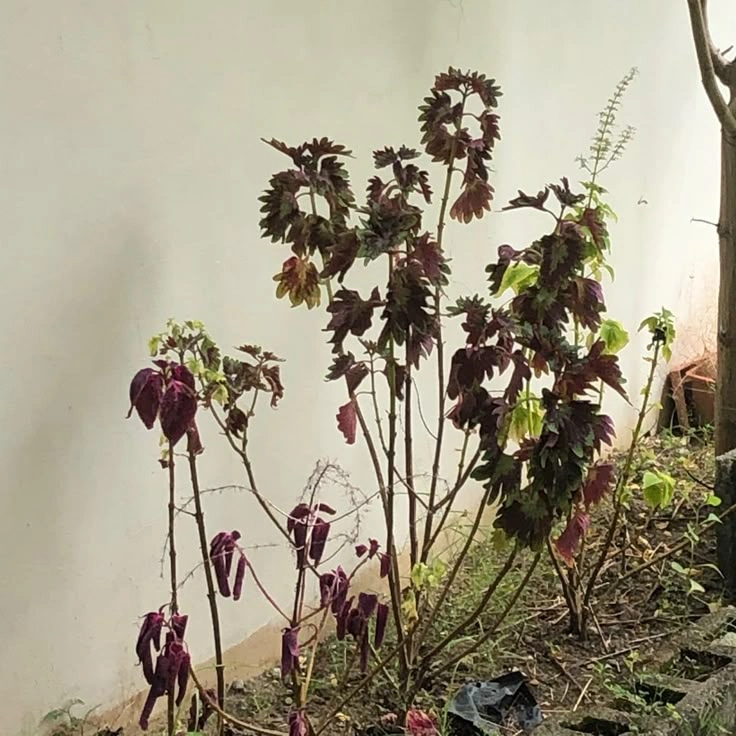
Trees planted too deep die slowly: sometimes taking 3-5 years to show obvious decline. By then, replacement costs hit hard: $25-$3,000 per tree, plus removal fees.
Find the Root Flare
Look for where the trunk widens slightly at the base; that’s the root flare. Plant so this flare sits at or slightly above ground level. This simple check prevents years of slow tree death.
Mistake #4: Overcrowding Plants – Creating Disease Heaven
The Moisture Trap Problem
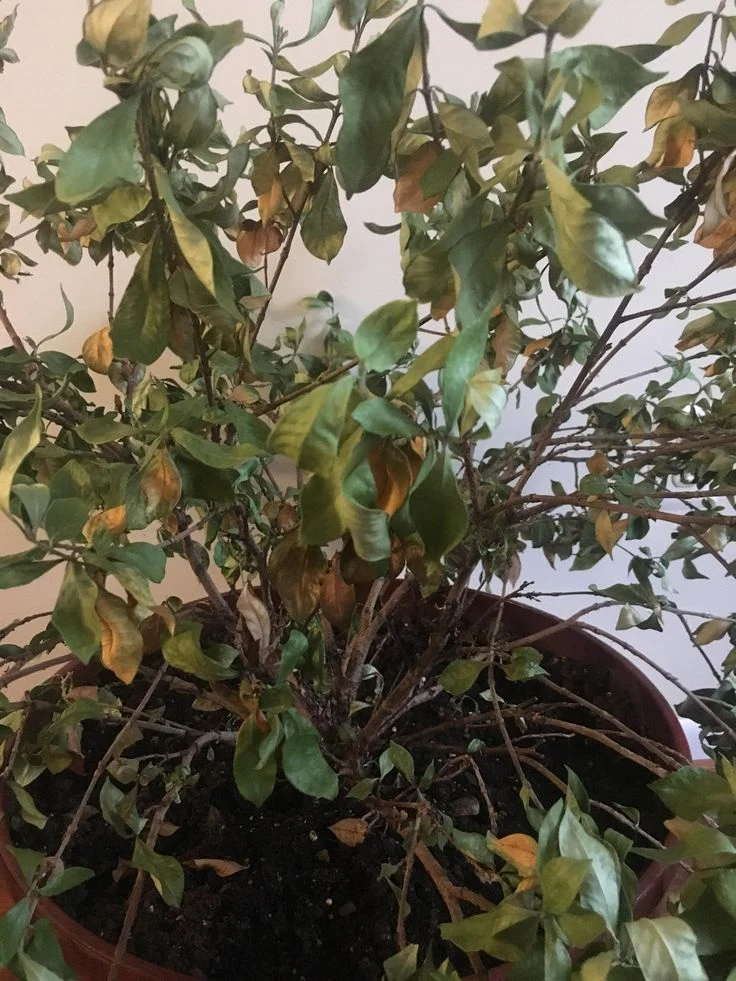
When plants grow too close together, they create a humid microenvironment that traps moisture around leaves and soil. This creates ideal conditions for fungal diseases like powdery mildew, blight, and root rot to flourish.
Pest Paradise
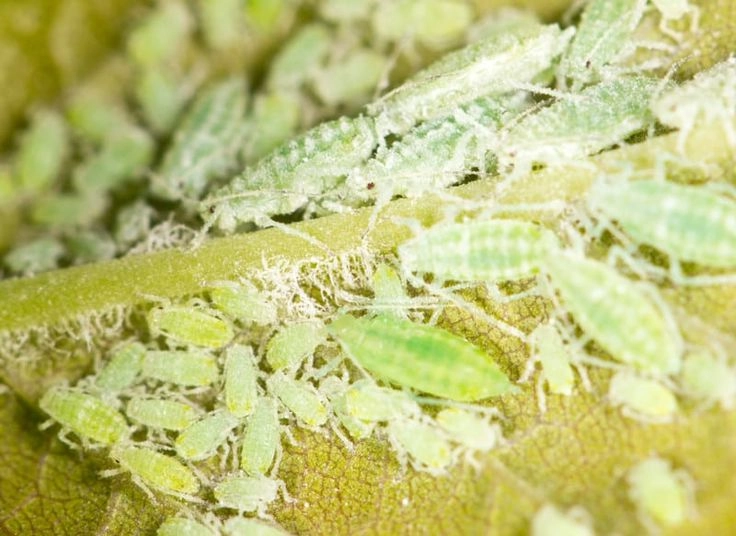
Overcrowded gardens become breeding grounds for pests. Dense foliage provides hiding spots for aphids, whiteflies, and other insects, while making it difficult to spot problems early or apply treatments effectively.
The Disease Domino Effect
Once disease strikes one plant in a crowded space, it spreads rapidly to neighboring plants through water droplets, wind, or direct contact, potentially devastating entire garden sections.
Proper Spacing Guidelines
Follow seed packet recommendations for plant spacing. Generally, leave 12-18 inches between most vegetables and ensure adequate room for mature plant size.
Air Circulation is Key
Good airflow prevents moisture buildup and helps plants dry quickly after watering or rain, significantly reducing disease risk and promoting healthier growth.
Mistake #5: Ignoring Soil Health – Building on a Bad Foundation
The Random Medicine Approach
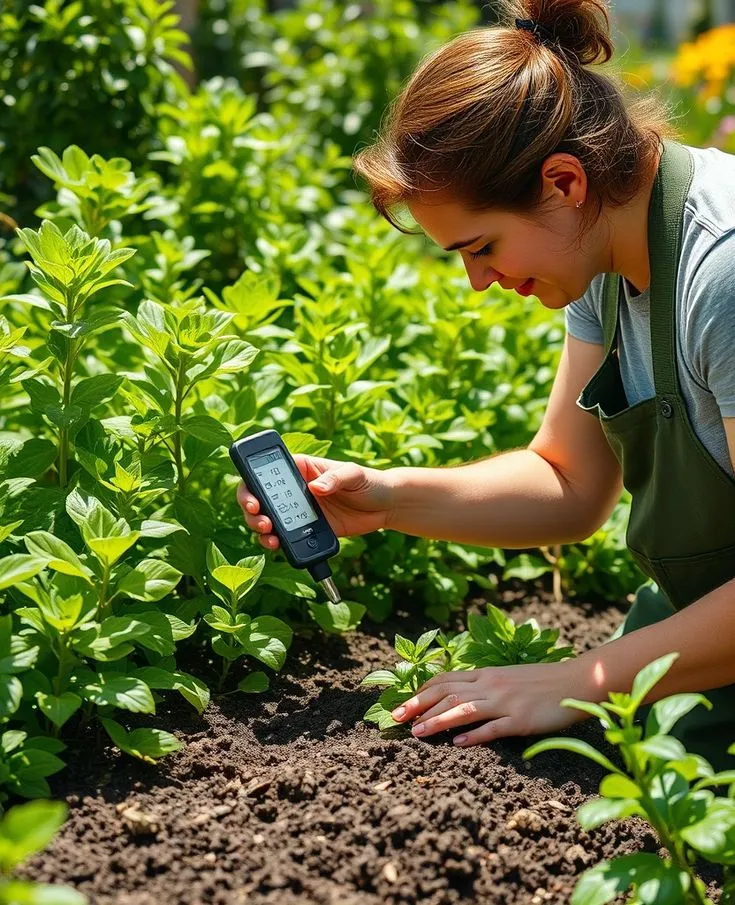
Adding fertilizer to your lawn or garden without knowing your soil’s current makeup is like taking a random product off the shelf at the drugstore for a headache. You might get lucky, but you’re more likely to waste money or cause harm.
Smart Investment: Testing vs. Guessing
A basic soil test costs $15-30 but can save hundreds in wasted fertilizers and failed plants. Blind fertilizing often creates nutrient imbalances, burning plants, or encouraging excessive foliage at the expense of flowers and fruit.
Common Soil Problems and Solutions
Clay soil needs organic matter for drainage, sandy soil requires compost for water retention, and compacted soil benefits from aeration and organic amendments.
pH: The Foundation Factor
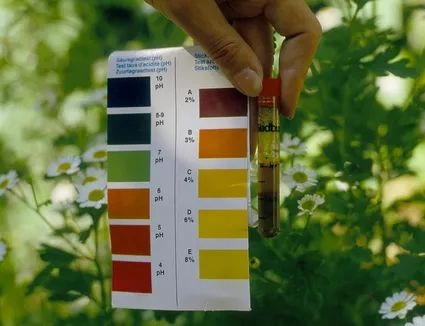
Most plants thrive in slightly acidic to neutral soil (6.0-7.0 pH). Simple test strips reveal if you need lime to raise pH or sulfur to lower it.
Building Your Soil Ecosystem
Healthy soil teems with beneficial microorganisms. Add compost, avoid over-tilling, and use organic mulches to feed this underground workforce that makes nutrients available to plants.
Mistake #6: Buying Store-Bought Herb Plants
The Hidden Overcrowding Problem
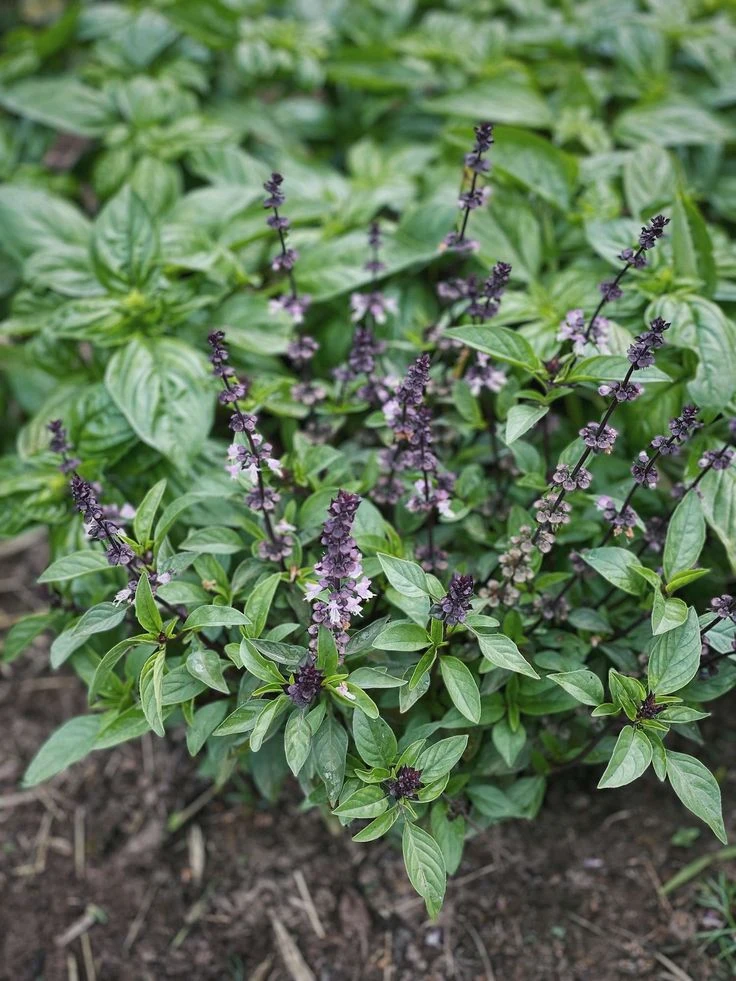
Most basil, cilantro, and parsley plants sold in stores are actually multiple seedlings crammed into one small pot. This overcrowding creates competition for nutrients and space, leading to a rapid decline once you bring them home.
Why Grocery Store Herbs Fail Fast
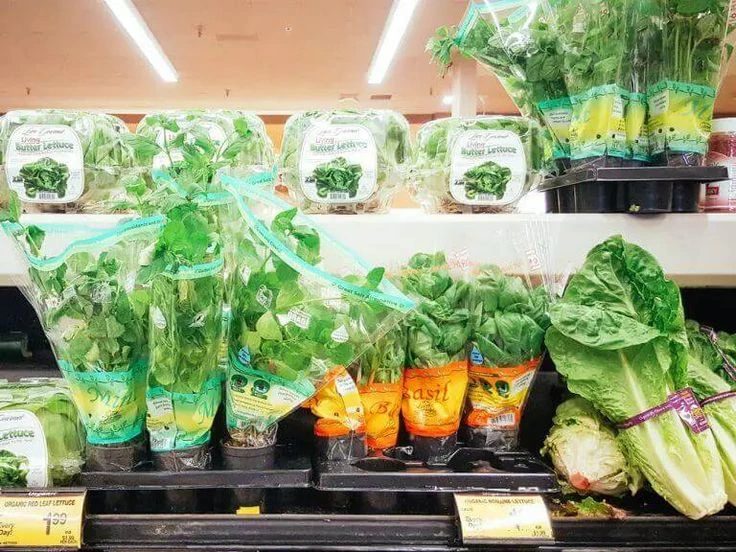
These plants are grown for quick sale, not longevity. They’re often root-bound, stressed from transport, and accustomed to greenhouse conditions that don’t match your home environment.
The Cost Reality Check
A single herb plant costs $3-5, while a seed packet containing hundreds of seeds costs $2-3. One packet can provide fresh herbs for years with successive plantings.
Best Herbs from Seed
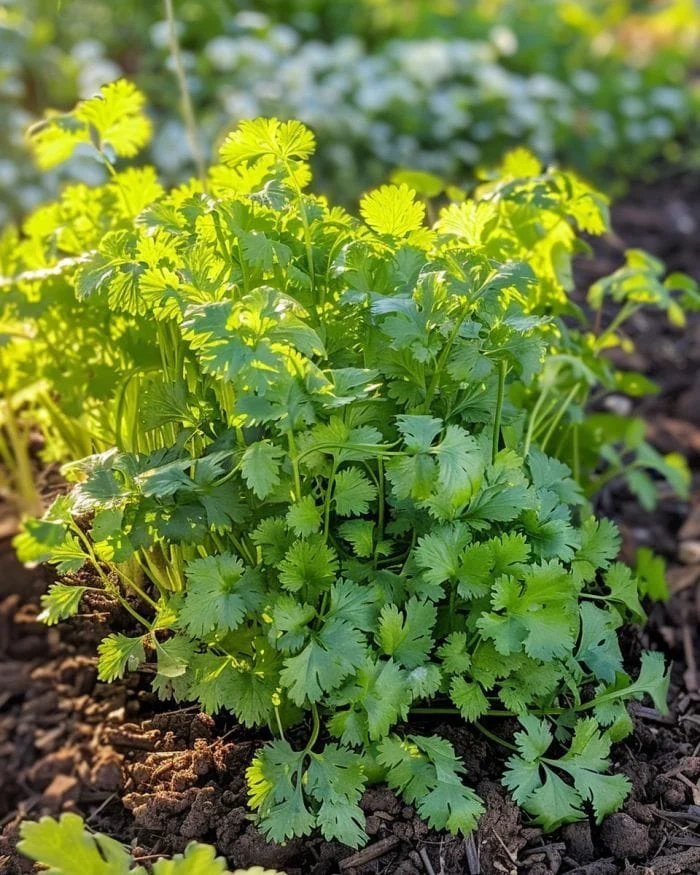
Basil, cilantro, dill, and parsley germinate quickly and easily from seed. Chives, oregano, and thyme are also excellent starter herbs that establish better from seed than transplants.
Container Success Tips
Use well-draining potting mix, provide 6+ hours of sunlight, and harvest frequently to encourage continued growth and prevent flowering.
Mistake #7: Planting Too Early – Fighting Mother Nature
Cold Stress Consequences
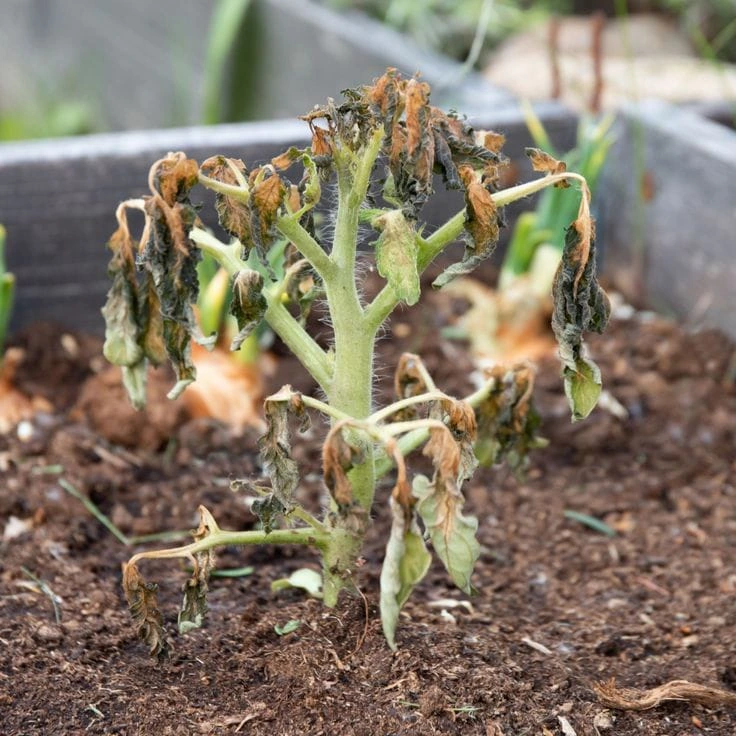
Planting too early exposes young plants to cold stress, causing stunted growth, yellowing leaves, and potential frost damage. Even if plants survive, early cold exposure can delay flowering and reduce overall productivity.
Expensive Compost Creation
Those eager early purchases often end up as expensive compost when late spring cold snaps hit. A single unexpected frost can wipe out hundreds of dollars’ worth of tender plants in one night.
Know Your Frost Dates
Learn your area’s average last frost date and plan accordingly. This date represents a 50% chance of frost, so consider waiting 1-2 weeks beyond this date for valuable plants.
Season-Smart Planting
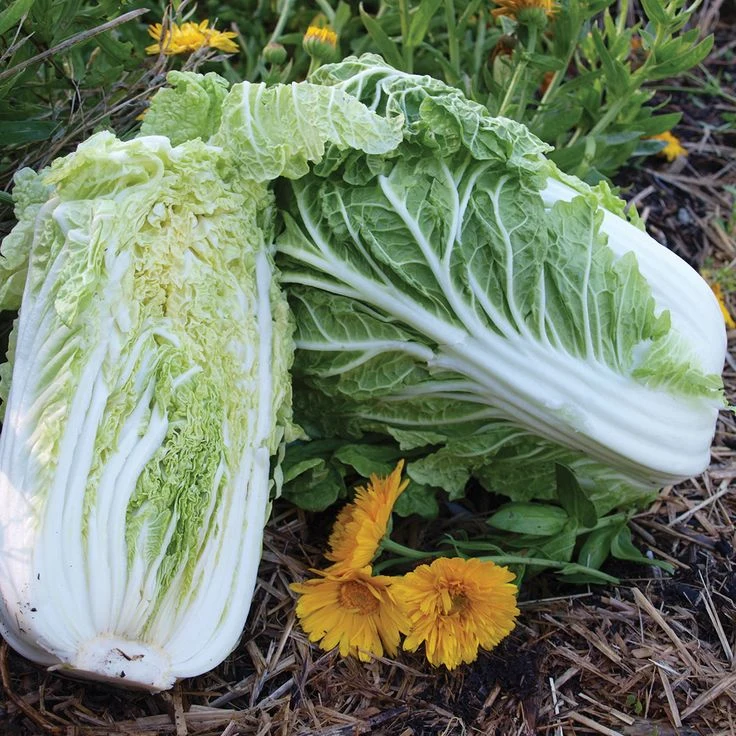
Cool-season crops like lettuce and peas can handle light frost, while warm-season plants like tomatoes and peppers need consistently warm soil and air temperatures above 50°F.
Early Planting Protection
Use row covers, cold frames, or wall-of-water protectors to extend the season safely. These tools can provide 4-8 degrees of frost protection when needed.
Mistake #8: Using Small Containers – The Daily Expense
The Daily Watering Trap
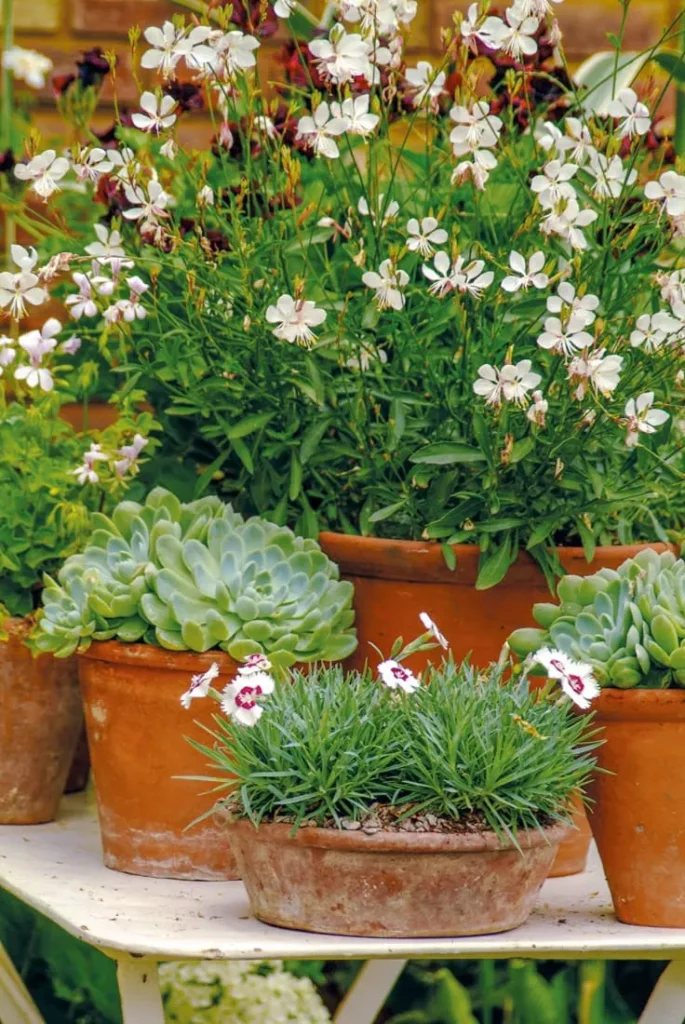
Small soil volumes dry out quickly, requiring daily watering during warm weather. This creates a high-maintenance routine that’s easy to miss during busy periods or vacations, often leading to plant stress or death.
Fertilizer Dependency Cycle
Small pots require frequent feeding since nutrients leach out with frequent watering. Plants in tiny containers need fertilizer every 2-3 weeks versus monthly for larger pots, increasing ongoing costs.
Stress and Replacement Costs
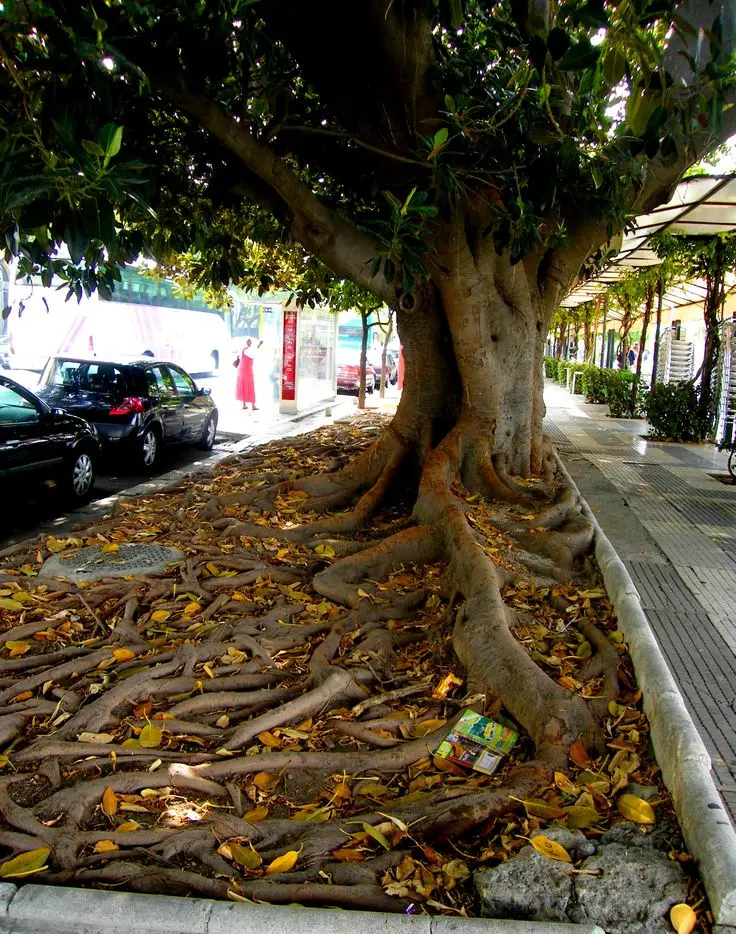
Cramped roots and frequent dry-wet cycles stress plants, shortening their lifespan and forcing expensive replacements throughout the growing season.
Right-Size Guidelines
Use minimum 12-inch diameter pots for herbs, 16-18 inches for vegetables, and 20+ inches for fruiting plants. Larger containers hold more water and nutrients, reducing maintenance.
Long-Term Economics
While large containers cost more upfront, they save money through reduced watering, less fertilizer use, healthier plants, and fewer replacements over time.
Mistake #9: Wrong Pruning Techniques – Destroying Future Blooms
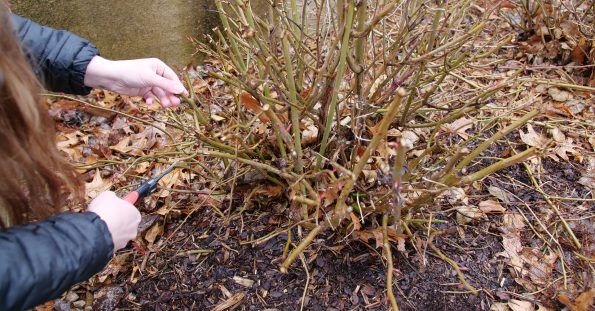
The Triple Threat of Bad Pruning
The most common results of pruning mistakes are overgrown shrubs that look worse than before, a complete lack of flowers for entire seasons, and excessive leafy growth that produces no blooms or fruit.
Timing is Everything
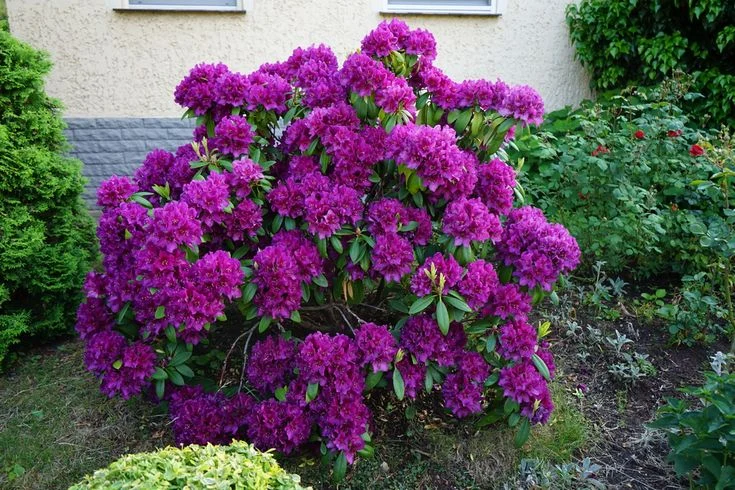
Spring-flowering shrubs like lilacs and forsythia should be pruned immediately after blooming. Summer bloomers can be pruned in late winter. Fruit trees need dormant season pruning for best results.
Tools and Techniques Matter
Use sharp, clean bypass pruners for stems under ¾ inch, loppers for larger branches, and proper cutting angles just above outward-facing buds to encourage healthy growth patterns.
The Recovery Reality
Severe pruning mistakes can take 2-3 years to recover, during which you lose flowers, fruit, and the plant’s natural shape. Replacing mature shrubs costs hundreds versus learning proper techniques upfront.
Mistake #10: Skipping Mulch – Inviting Problems
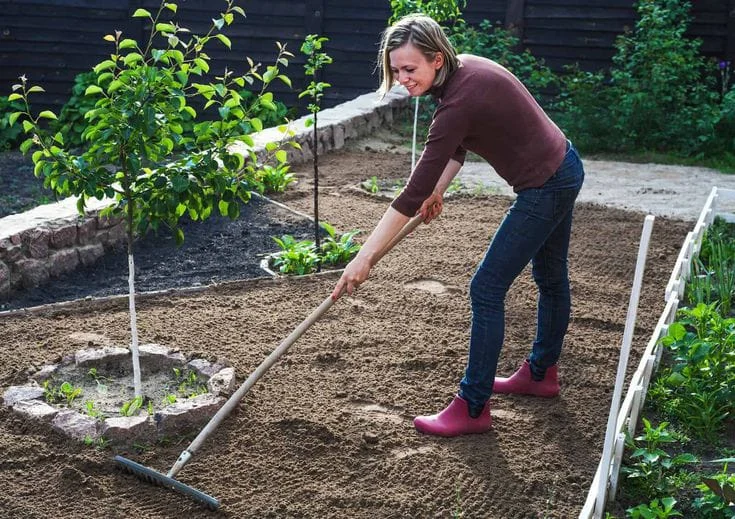
The Triple Benefits You’re Missing
Using organic mulch offers powerful advantages: it improves soil quality as it decomposes, dramatically reduces weed growth by blocking sunlight, and helps soil retain moisture during dry spells.
Water Waste Without Protection
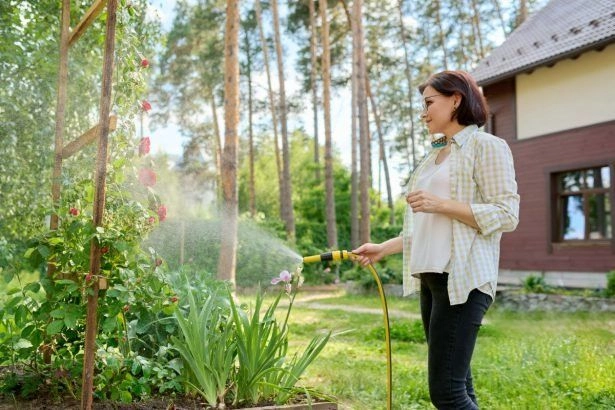
Bare soil loses moisture 50-70% faster than mulched areas, forcing you to water more frequently and increasing utility bills throughout the growing season.
The Weeding Time Trap
Without mulch, expect to spend hours each week pulling weeds that could have been prevented. This ongoing labor cost adds up to hundreds of dollars in time value annually.
Proper Application Technique
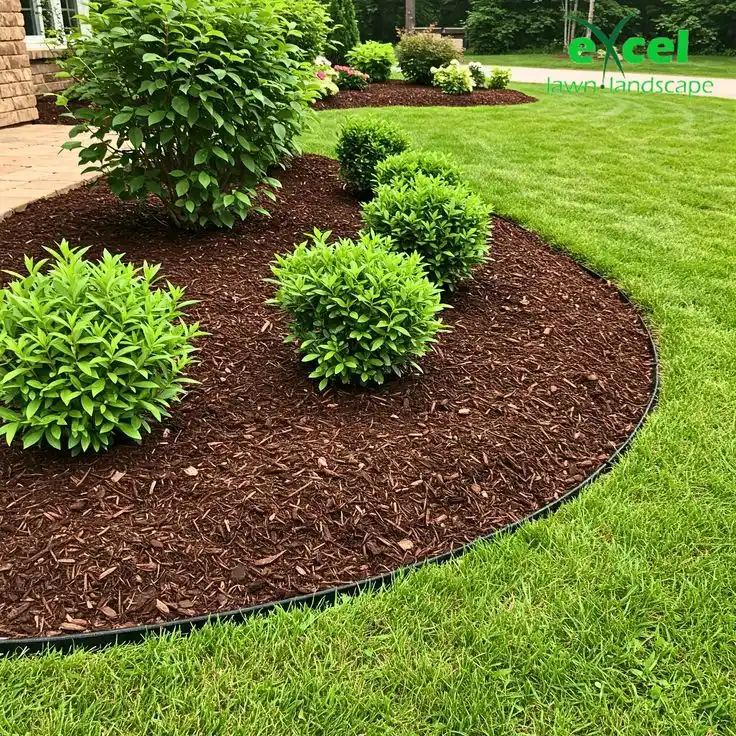
Apply 2-3 inches of mulch around plants, keeping it 2-3 inches away from plant stems to prevent moisture-related diseases and pest problems.
Smart Material Choices
Shredded bark lasts longest, grass clippings work well for vegetables, and leaf mold provides excellent soil improvement while being completely free.
Mistake #11: Falling for Invasive Plants
The Two-Year Time Bomb
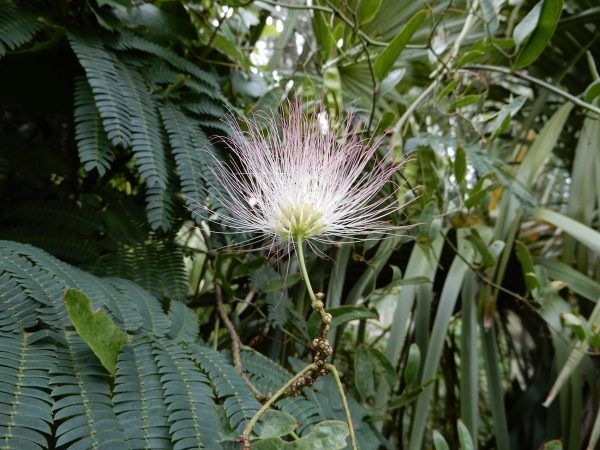
Many plants can have invasive qualities that seem manageable initially but become overwhelming problems in about two to three years as root systems establish and spreading accelerates beyond control.
Removal Reality Check
Professional invasive plant removal costs $500-2000 per treatment area, often requiring multiple applications over several years. DIY removal demands hundreds of hours of backbreaking labor with no guarantee of success.
Damage Beyond the Garden
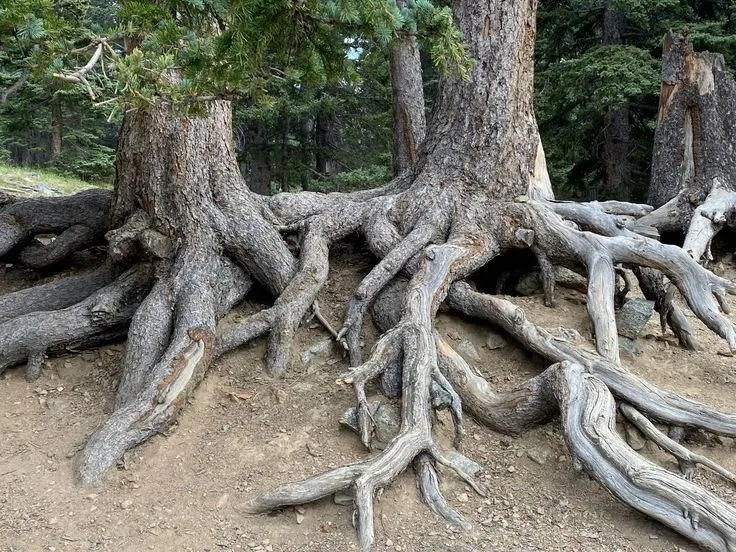
Invasive roots can crack foundations, clog drainage systems, and damage septic fields. Aggressive vines can destroy fences, siding, and roof structures, leading to thousands in repair costs.
Red Flag Recognition
Research plants before buying, especially those described as “fast-growing,” “vigorous,” or “spreads quickly.” Check your state’s invasive species list and avoid plants banned in neighboring regions.
Smart Native Alternatives
Choose native plants that provide similar benefits without the risks. Native species support local wildlife, require less maintenance, and won’t threaten your property or neighborhood ecosystems.
Mistake #12: Impulse Plant Buying Without Planning
The Garden Center Trap
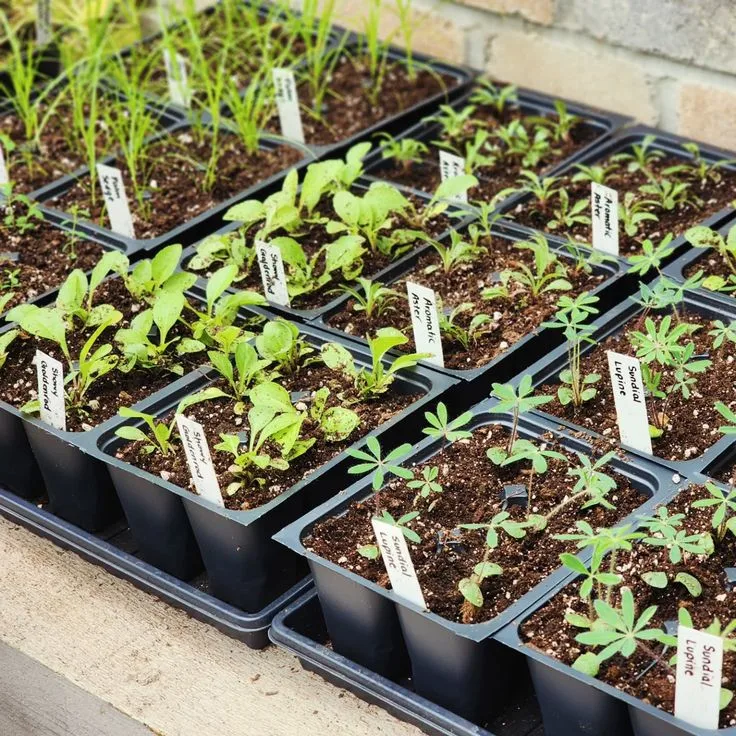
It can be hard to resist buying a new plant at a flower show or garden center, but if you don’t have time to plant them immediately, it becomes an expensive hobby that leads to dead plants and wasted money.
Hidden Storage Costs
Unplanted purchases require daily watering, temporary potting up, and constant care. Plants deteriorate quickly in their original containers, often dying before you find time to plant them properly.
Strategic Shopping Approach
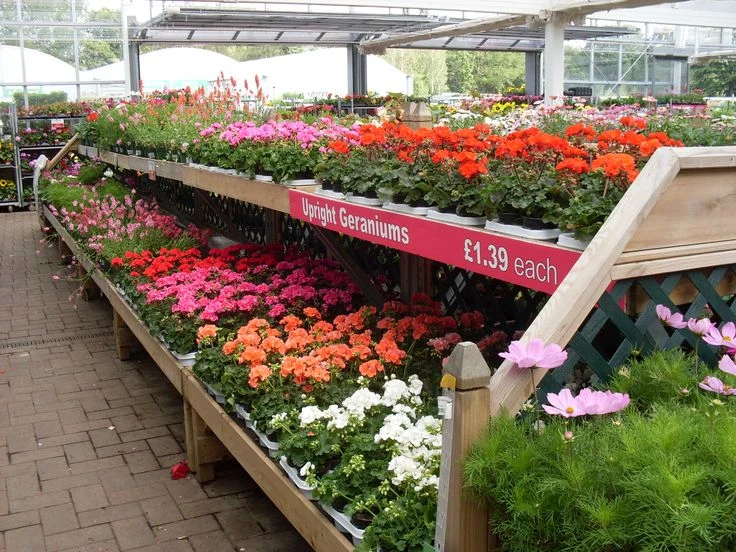
Visit garden centers with a specific list and budget. Take photos of plants you like, then go home to research their needs and plan proper placement before purchasing.
Seasonal Buying Wisdom
Shop in early spring for the best selection and plant health, but buy only what you can plant within 2-3 days. Fall clearance sales offer great deals if you can plant immediately.
List vs. Impulse Success
Pre-planned purchases have 90% survival rates versus 40% for impulse buys, making lists essential for both plant health and budget protection.
Mistake #13: Ignoring Pest and Disease Prevention
Early Action vs. Emergency Treatment
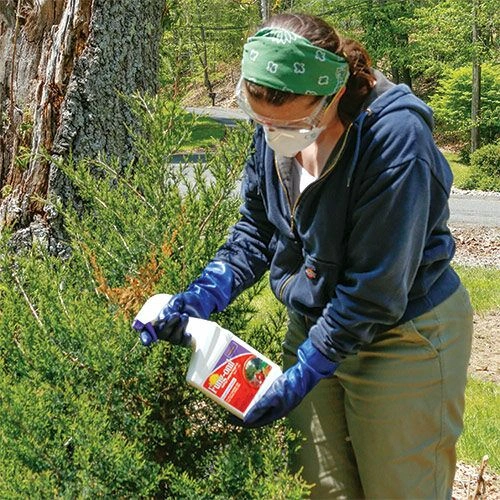
Treating a small aphid colony costs $5-10 in organic spray, while treating a full garden infestation can cost $200-500 in professional treatments and plant replacements.
The Productivity Impact
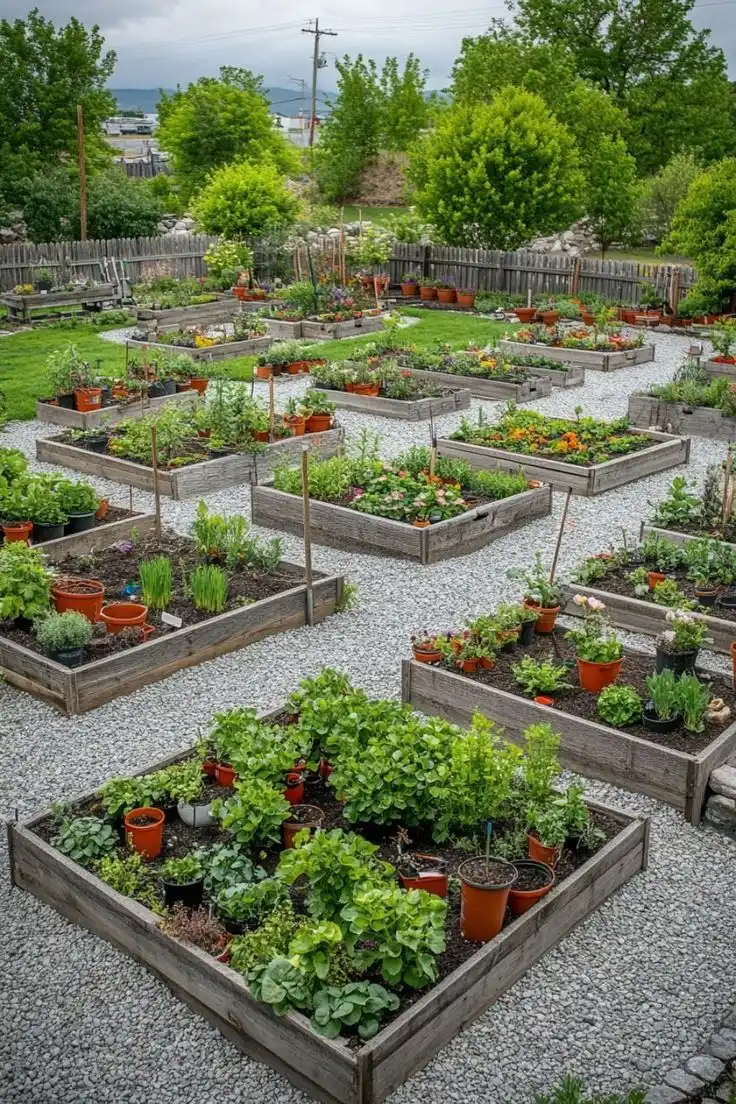
Some common gardening mistakes to avoid include ignoring pests and diseases. Each of these mistakes can impact plant health and garden productivity, reducing harvests by 30-70% and requiring complete replanting in severe cases.
Natural Prevention Arsenal
Companion planting, beneficial insects, proper spacing, and regular garden hygiene prevent most problems before they start. Neem oil and insecticidal soaps provide safe, effective early intervention.
Smart Monitoring Systems
Weekly 10-minute garden walks to check leaf undersides, new growth, and soil conditions, catch problems early when solutions are simple and inexpensive.
Professional Help Timing
Call experts when problems spread rapidly, affect multiple plant types, or when DIY treatments fail after two applications. Early professional consultation saves money long-term.
