Retirement is supposed to be the moment life finally slows down. No more demanding bosses, endless meetings, or rushing through mornings. But what happens when the noise disappears and the silence feels different from what you expected?
Many retirees discover that leaving work changes far more than their daily schedules. Friendships fade, familiar routines vanish, and even the ambitions that once defined them begin to lose their importance.
Some of these changes feel wonderfully freeing. Others can leave retirees wondering what happened to the life they knew. Here are 13 things that quietly disappear after retirement, including one that can completely change how you see yourself.
1. Friendships You Thought Would Last Forever

One of the most unexpected changes after retirement is how certain friendships slowly fade. Nothing dramatic happens, nobody argues, and there may be no obvious reason for the distance. Two people who once spoke regularly simply stop reaching out.
During working years, friendships often survive because people share similar schedules and responsibilities. They meet for lunch, complain about work, discuss family problems, and find time together between obligations. Retirement changes that familiar pattern.
A retired person might suddenly have an entire Tuesday afternoon available, while an old friend is still managing meetings and family responsibilities. The difference in daily rhythms can make maintaining the relationship surprisingly difficult.
The hardest part is realizing that a friendship can become quiet without anyone doing anything wrong. Some relationships depend more heavily on shared circumstances than people recognize.
This does not mean every old friendship must disappear. Regular phone calls, planned lunches, and occasional visits can keep meaningful connections alive.
However, retirement also creates an opportunity to build friendships with people who have similar amounts of free time. Walking groups, volunteer organizations, community classes, and neighborhood activities can introduce people who are living at the same pace.
2. The Everyday Conversations You Never Appreciated

Think about how many small conversations happen during an ordinary workday. Someone asks about the weekend, another person shares a funny story, and a coworker stops by to discuss something completely unrelated to work.
These interactions may seem insignificant when they happen every day. Yet they provide social contact, familiarity, and a sense of belonging that many people barely notice.
After retirement, those conversations can disappear almost overnight. There are no familiar faces in the hallway, no casual discussions before meetings, and nobody stopping by simply because they happen to be nearby.
For retirees who live alone, this silence can become particularly noticeable. They might go through an entire morning without speaking to another person, something that rarely happened during their working years.
What disappears is not necessarily deep friendship. It is the steady background of human connection.
Replacing that connection requires some intention. A morning visit to a neighborhood café, regular exercise classes, or volunteering a few hours each week can bring everyday conversations back into life.
These small interactions matter because they make ordinary days feel connected to the wider community.
3. The Alarm Clock That Controlled Your Mornings
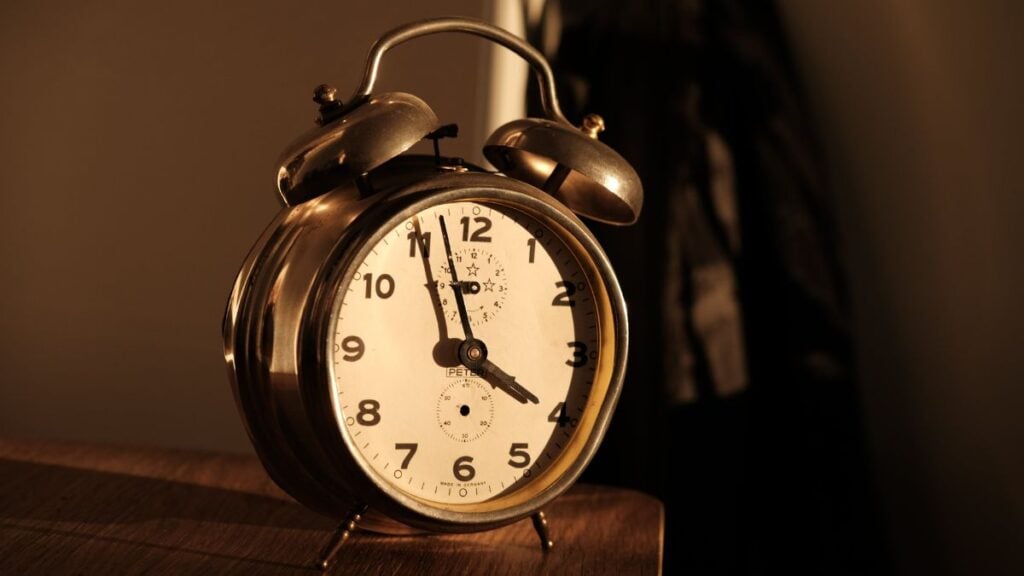
For decades, mornings often begin with an alarm demanding immediate attention. There is little time to think about what you want to do because the day has already been organized around work.
Breakfast happens quickly, clothes are chosen with the office in mind, and leaving the house becomes a race against the clock. Even people who enjoy their careers can grow tired of that relentless pattern.
Retirement removes much of this pressure. Suddenly, there may be no specific reason to get out of bed at 6:30, hurry through breakfast, or leave the house before traffic becomes heavy.
At first, this freedom can feel almost unbelievable. A retiree might spend an entire morning drinking coffee, reading the newspaper, or watching birds outside the window without feeling rushed.
However, unlimited freedom can also create an unexpected problem. Without a reason to begin the day, some retirees find themselves sleeping later, moving less, and feeling strangely unproductive.
The solution is not returning to a strict work schedule. It is creating a morning routine that provides direction without pressure.
A regular wake-up time, a short walk, breakfast with a spouse, or time in the garden can provide enough structure to make mornings enjoyable.
4. The Calendar That Once Organized Your Entire Life

Working adults rarely realize how much of their daily structure comes from obligations. Meetings determine when they eat, deadlines decide what needs attention, and appointments divide the day into manageable sections.
Even weekends are often organized around recovering from work and preparing for the next week. There is almost always something that must happen at a specific time.
When retirement begins, that structure can vanish. A person who once checked the calendar constantly may suddenly go several days without looking at it.
This feels wonderful initially, but it can also be surprisingly disorienting. Without familiar deadlines, days may begin blending together, and even important appointments can become easier to forget.
Retirement provides freedom from someone else’s schedule, but it does not eliminate the value of having one.
The healthiest approach for many retirees is building a flexible routine around things they genuinely enjoy. This might include exercise on Monday, volunteering on Wednesday, and a regular lunch with friends on Friday.
The difference is that the schedule now serves personal well-being rather than workplace demands.
| Before Retirement | After Retirement |
|---|---|
| Meetings organize the day | Personal activities create structure |
| Deadlines determine priorities | Individual goals guide decisions |
| Work hours control free time | Free time becomes more flexible |
| Weekends provide recovery | Rest can happen throughout the week |
| Appointments are work-related | Activities focus more on personal interests |
The goal is not to fill every available hour. It is to create enough structure that days feel meaningful without becoming exhausting.
5. Your Interest in Office Politics and Career News

During working years, professional developments can feel extremely important. Employees pay attention to management changes, company decisions, new opportunities, and conversations about who might receive the next promotion.
These subjects occupy mental space because they can influence income, job security, and future opportunities. Even people who dislike office politics often find themselves following what happens.
Retirement can change that interest almost immediately. A former coworker might call with dramatic news about a department restructuring, only to discover that the retired person is no longer particularly interested.
What once seemed urgent may now feel surprisingly distant. Company announcements, staff changes, and professional disagreements no longer have the same influence over everyday life.
This change can feel strange because it reveals how much attention was devoted to circumstances that mattered primarily because of employment.
Retirement often makes old professional concerns feel smaller, not because they were meaningless, but because they no longer control your future.
Many retirees discover that their curiosity has simply moved elsewhere. Gardening, travel, local events, home improvements, and creative projects become more interesting than workplace developments.
6. The Ambition to Keep Climbing Higher

For much of adult life, success is measured through professional advancement. A better position, higher salary, larger office, or impressive job title can become an important personal goal.
This ambition often develops gradually. People spend years improving their skills, accepting additional responsibilities, and working toward achievements that promise greater security or recognition.
After retirement, that kind of ambition may suddenly become quiet. There is no next promotion to chase, no annual performance review, and no career ladder left to climb.
Surprisingly, some retirees feel relief rather than disappointment. They discover that much of their professional ambition existed because their working environment constantly rewarded advancement.
The desire to grow does not necessarily disappear after retirement. The definition of growth changes.
A former manager might become deeply interested in restoring antique furniture. Someone who once focused on sales targets might begin learning photography, improving their health, or maintaining a beautiful garden.
These activities still require patience, effort, and commitment. However, the motivation comes from personal satisfaction rather than professional expectations.
Retirement offers the chance to pursue goals without needing those achievements to impress anybody else.
7. The Constant Feeling That Everything Is Urgent

One of the most noticeable changes after retirement is the disappearance of daily urgency. During working years, almost everything seems to demand immediate attention, from responding to emails to picking up groceries before stores close.
People often rush through ordinary activities because they have limited time available. Even enjoyable moments can become another task squeezed between responsibilities.
Retirement can remove much of that pressure. Grocery shopping no longer needs to happen during a crowded evening, appointments can be scheduled for quieter hours, and household projects can unfold gradually.
Yet the mind does not always adjust immediately. Some retirees continue rushing through activities long after the deadlines have disappeared.
They might feel uncomfortable sitting outside for an hour or spending an afternoon reading. A familiar feeling suggests that something important must be getting neglected.
What changes over time is the understanding that being busy and being productive are not the same thing.
A slow morning does not automatically represent wasted time. Neither does taking an afternoon walk, enjoying a long conversation, or spending an entire day on a personal interest.
For many retirees, learning to live without constant urgency becomes one of retirement’s greatest rewards.
8. The Pressure to Keep Proving Yourself
Employment often involves continuous evaluation. Supervisors assess performance, customers expect results, and coworkers depend on tasks being completed correctly and on time.
Even successful employees can spend years feeling they must demonstrate their value. There is always another project, another expectation, or another opportunity to prove they deserve their position.
Retirement removes much of that external pressure. There may be no supervisor checking progress, no performance targets, and no professional consequences for taking a quiet afternoon.
This change can produce a sense of relief that retirees did not realize they needed. After decades of feeling accountable to workplace expectations, they finally have more control over how their time is spent.
However, some people carry their old habits into retirement. They feel guilty when they are not accomplishing something measurable, even though there is no longer any reason to maintain that pace.
Retirement means you can remain responsible without constantly demonstrating how responsible you are.
Maintaining a home, caring for family, managing finances, and protecting personal health are still meaningful responsibilities. The difference is that they can be approached without the same constant pressure to impress others.
9. The Praise and Recognition You Once Received

Professional recognition becomes a familiar part of life for many workers. A supervisor compliments a completed project, coworkers appreciate useful advice, or clients express gratitude for excellent service.
These moments can provide a strong sense of accomplishment. They remind people that their experience, judgment, and effort matter to others.
After retirement, that steady feedback may disappear. Nobody congratulates a former employee for meeting a deadline, solving a difficult workplace problem, or reaching an impressive quarterly target.
For people who spent decades in leadership positions or highly respected professions, the silence can feel particularly noticeable. They may miss being recognized even when they do not miss the work itself.
This does not necessarily mean they are seeking attention. Recognition can provide reassurance that a person’s contributions have value.
Retirement creates an opportunity to separate self-worth from applause, titles, and professional achievements.
New forms of appreciation can come through helping neighbors, mentoring younger people, volunteering, or teaching practical skills. These experiences offer opportunities to contribute without recreating the pressures of employment.
The important lesson is that someone’s value does not end when professional recognition becomes less frequent.
10. That Special Feeling of Friday Finally Arriving

During working years, Friday can feel like a small celebration. It signals that deadlines are ending, the alarm clock may stay quiet, and there will finally be time for personal activities.
Saturday offers freedom, while Sunday often comes with an uncomfortable reminder that Monday is approaching. This weekly rhythm becomes so familiar that many people barely question it.
Retirement changes the emotional meaning of those days. Monday might be just as enjoyable as Saturday, while Wednesday could become the perfect day for lunch, shopping, or visiting friends.
At first, this can feel like having a permanent weekend. Later, some retirees notice that the excitement once associated with Friday has become quieter.
When every day offers freedom, the contrast between workdays and weekends disappears. That can make time feel more relaxed, but it may also make individual days seem less distinctive.
The challenge is finding new things to anticipate instead of relying on Friday to provide excitement.
A weekly family dinner, monthly outing, exercise class, or planned day trip can create enjoyable markers throughout the calendar.
These small traditions give retirement a rhythm without bringing back the restrictions of working life.
11. The Reliable Paycheck That Arrived Every Month

Not everything that goes quiet after retirement is emotional. One of the biggest practical changes is the disappearance of regular employment income.
For decades, many workers organize their finances around a predictable paycheck. They know when money will arrive, how bills will be paid, and what remains available for discretionary spending.
Retirement replaces that familiar system with a different financial arrangement. Income may come from Social Security, pensions, savings withdrawals, investments, or a combination of sources.
Even retirees with substantial assets can find the adjustment uncomfortable. Receiving a paycheck feels different from withdrawing money from an account that took decades to build.
Some people become unusually cautious about spending because they no longer see their retirement balances being replenished by employment income.
The financial challenge is not always having too little money. Sometimes it is learning how to spend money that has already been saved for this stage of life.
A clear retirement income plan can help make the change less stressful. Understanding monthly expenses, dependable income, emergency reserves, and sustainable investment withdrawals provides a stronger sense of control.
Retirement savings are meant to support retirement, although spending decisions still need to account for inflation, taxes, healthcare, and the possibility of a long life.
12. The Feeling That Everyone Needs You
One of the quieter losses after retirement is the disappearance of being needed in familiar ways. At work, employees may be the people others rely on for answers, decisions, technical knowledge, or leadership.
A manager might spend decades solving problems for an entire department. A nurse may be accustomed to helping patients every day, while a teacher spends years guiding students.
When those responsibilities disappear, life can feel strangely empty. The phone rings less often, fewer people ask for advice, and there are no urgent professional problems waiting to be solved.
This change can affect retirees who genuinely disliked their jobs. They may not miss the workplace itself, but they miss knowing that their presence made a difference.
The desire to feel useful does not end when employment ends. It simply needs another place to belong.
Retirees often find new purpose through community involvement, mentoring, caring for grandchildren, helping friends, or pursuing projects that benefit others.
However, there is an important distinction between feeling useful and feeling permanently obligated. Retirement should not require someone to become an unpaid problem solver for everybody around them.
The goal is choosing meaningful contributions that leave enough room for rest and personal enjoyment.
| What Becomes Quieter | A Meaningful Way to Respond |
|---|---|
| Everyday social contact | Join a recurring community activity |
| Professional recognition | Share skills through mentoring |
| Familiar daily structure | Establish a flexible weekly routine |
| Feeling needed at work | Volunteer for a cause that matters |
| Excitement about weekends | Schedule personal activities to anticipate |
| Career-related goals | Create health, creative, or learning goals |
A fulfilling retirement does not require replacing every responsibility that disappeared. It requires identifying which parts of the old life are genuinely worth carrying forward.
13. The Professional Identity You Thought Was Permanent

Perhaps the most surprising thing that goes quiet after retirement is the identity built around a career. For decades, work influences how people introduce themselves, describe their abilities, and explain their place in the world.
Someone might spend 35 years thinking of themselves as a teacher, engineer, business owner, or manager. Even outside working hours, that professional role remains part of how they understand themselves.
Then retirement arrives, and the familiar title no longer describes what they do every day. A simple question such as “What do you do?” can suddenly become more complicated than expected.
Some retirees respond by explaining what they used to do. Others feel uncomfortable because they have not yet discovered a new way to describe themselves.
What makes this change especially interesting is that it does not always feel like a loss. For some people, letting go of their professional identity creates an unexpected feeling of freedom.
They begin to recognize that their career was something they did, not the complete definition of who they were.
A retired accountant might discover a love of painting. A former executive may become happiest while gardening, traveling, or spending ordinary afternoons with family.
These interests do not need to become businesses, impressive accomplishments, or new careers. Their value comes from the satisfaction they bring to everyday life.
The transition can take time, particularly for people whose careers provided a strong sense of purpose and belonging.
Eventually, retirement may offer something that employment rarely could: the freedom to define personal identity without relying on a job title.
Why Some Retirement Silence Feels Peaceful and Some Feels Lonely
Not every quiet moment after retirement has the same meaning. There is a difference between enjoying freedom from responsibilities and feeling disconnected from activities or relationships that once provided purpose.
Some retirees welcome long, peaceful mornings. Others discover that too many empty hours leave them feeling restless, isolated, or uncertain about what comes next.
Neither reaction means retirement has succeeded or failed. People adjust differently depending on their personalities, finances, health, relationships, and experiences before leaving work.
The following distinctions can help identify what might need attention.
| Healthy Retirement Changes | Signs Something May Need Attention |
|---|---|
| Enjoying quiet mornings | Feeling lonely most days |
| Having fewer obligations | Losing interest in nearly everything |
| Spending more time alone by choice | Avoiding people despite wanting connection |
| Letting go of career ambition | Feeling persistently worthless without work |
| Following a slower routine | Struggling to maintain basic daily habits |
Temporary uncertainty can be a normal part of adjusting to retirement. However, persistent sadness, loss of interest, or significant changes in daily functioning deserve attention and may be worth discussing with a healthcare professional.
The objective is not to eliminate silence. It is to make sure that quiet days still contain connection, meaning, and activities worth anticipating.