You can spend decades working, raising a family, paying bills, helping other people, and preparing for the future. Then retirement arrives, and some of the habits that once helped you succeed can quietly make this new stage of life harder.
A happier retirement is not always about adding more activities, money, possessions, or goals. Sometimes it comes from letting go of fear, pressure, unhealthy routines, and obligations that no longer deserve so much of your time.
After 60, time begins to feel different. The goal is not to live recklessly, but to protect your health, relationships, independence, money, and remaining years so they are actually yours to enjoy.
1. Stop Saving Every Dollar Out of Fear
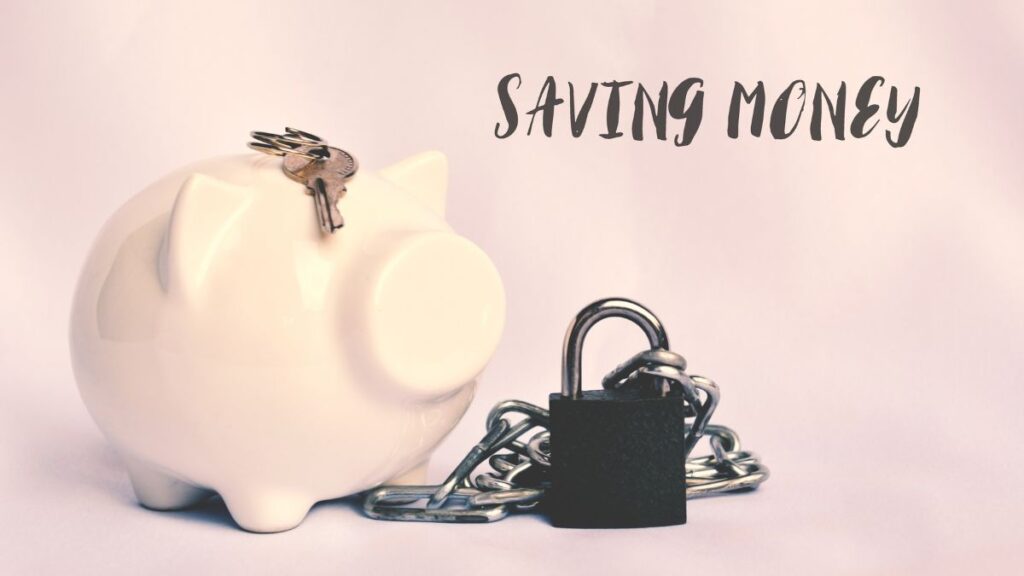
Saving is one of the best financial habits you can build. But there is a difference between protecting your future and becoming so afraid of spending that you never enjoy the future you spent decades preparing for.
Some retirees can comfortably afford dinner with friends, a family trip, a better mattress, or help around the house, yet spending still makes them anxious. Their money grows while their world slowly becomes smaller.
That does not mean opening the bank account and spending without limits. It means deciding what a safe retirement actually costs, protecting an emergency cushion, planning for future needs, and then allowing some money to improve life today.
Your retirement savings were never supposed to become a museum exhibit. Once the essentials are protected, part of that money can support comfort, connection, experiences, and memories. The original source makes the same distinction between saving responsibly and continuing to save mainly because of fear.
| Fear Based Thinking | Healthier Retirement Thinking |
|---|---|
| “I should never touch my savings.” | “What can I safely spend each year?” |
| “Something terrible might happen.” | “I will keep a reasonable emergency cushion.” |
| “Every purchase is wasteful.” | “Some spending can improve my life.” |
| “More money always means more security.” | “Security also includes enjoying the years I have.” |
A retirement plan should protect tomorrow without making you afraid of today.
2. Stop Spending Money Just to Please Other People

The opposite problem can be just as damaging. After 60, spending money because of guilt, habit, appearances, or pressure can quietly eat into both your finances and your peace.
You may keep buying expensive gifts because relatives expect them. You may maintain memberships you barely use, replace perfectly good possessions to impress people, or keep paying for traditions that no longer mean much to you.
Ask a simpler question before spending: Does this purchase support the life I actually want? If the answer is no, keeping the money may feel better than owning another object.
Experiences are not automatically better than possessions either. A comfortable chair you use every day might improve your retirement more than an expensive vacation you never really wanted.
Spend according to your values rather than someone else’s expectations. After decades of earning money, you should have some say over what that money is for.
3. Stop Trading Your Time for Money Automatically

There is nothing wrong with working after 60. Many people genuinely enjoy their careers, businesses, part time jobs, or consulting work because work gives them purpose, friendship, structure, and income.
The question changes when the work makes you miserable and you can already afford to reduce it. Continuing simply because you have always worked can turn valuable retirement years into another decade of counting down to Friday.
Time becomes increasingly valuable because it cannot be saved for later. Money left unused can remain in an account, but an unused healthy Tuesday afternoon disappears forever.
That does not mean everyone should quit at 60, 62, 65, or 67. It means work deserves an honest review.
| Keep Working When… | Consider Changing Course When… |
|---|---|
| The work gives you purpose | You dread most working days |
| You need the income | Your finances allow more freedom |
| You enjoy the people | Work leaves no energy for relationships |
| The schedule suits your life | Work prevents things you deeply value |
| You would miss the work itself | You are mainly afraid of losing your identity |
If work still adds something meaningful, there is no reason to apologize for continuing. But if the paycheck is costing you the life you hoped retirement would provide, the trade deserves another look.
4. Stop Saving Every Meaningful Experience for “Someday”
There will always be a reason to postpone something. The weather could be better, airfare might get cheaper, family schedules may become easier, or perhaps next year will feel more convenient.
But retirement can turn into an endless waiting room when everything enjoyable is pushed into the future. The trip, hobby, family visit, reunion, fishing weekend, garden, class, or project keeps moving another year down the calendar.
You do not have to empty your savings or chase a giant bucket list. Start with experiences that are affordable and realistic for the life you have right now.
Call the friend you keep saying you should visit. Take the weekend trip while you still enjoy traveling, plant the garden this spring, or learn the skill you once assumed you were too busy to learn.
Putting things off may feel harmless because there is no immediate penalty. The cost becomes visible only when health, mobility, money, or circumstances eventually make the choice for you.
5. Stop Treating Your Health Like Something You Can Fix Later

Retirement planning often focuses heavily on money. Yet a large account balance becomes far less useful if poor health prevents you from participating in the life that money was supposed to support.
After 60, health does not mean trying to look 30 again. It means protecting the ability to get out of a chair, prepare meals, walk through a store, leave home, travel, play with grandchildren, garden, meet friends, and make ordinary choices without unnecessary difficulty.
The supplied research notes that mobility should be judged by what your body still allows you to do, rather than whether it works exactly as it did decades earlier. Assistive devices can also protect independence rather than diminish it.
A practical health routine might include regular movement, appropriate strength work, balance exercises, enough sleep, medical appointments, prescribed medications, nutritious meals, and attention to changes that do not feel normal.
| Area | Helpful Retirement Goal | Warning to Take Seriously |
|---|---|---|
| Movement | Stay reasonably active | Activity keeps shrinking |
| Strength | Maintain everyday function | Chairs or stairs become much harder |
| Balance | Feel reasonably steady | Repeated near falls |
| Medical care | Keep routine appointments | Problems are ignored for months |
| Nutrition | Eat regularly and reasonably well | Food quality keeps declining |
| Sleep | Maintain a workable sleep routine | Poor sleep affects daily life |
You do not need perfection. Small actions repeated consistently can protect far more freedom than one extreme health kick that lasts two weeks.
Health needs differ from person to person. New exercise, diet, or medical decisions should take your health history and professional advice into account.
6. Stop Letting Other People’s Opinions Run Your Retirement
For most of your adult life, someone expected something from you. Employers wanted reliability, children needed support, relatives had opinions, neighbors noticed what you owned, and society had ideas about what a successful person should look like.
Retirement is a good time to decide which of those expectations still deserve space in your life. You can dress differently, travel differently, live somewhere smaller, take an art class, stay single, date again, work part time, or spend Saturday doing absolutely nothing productive.
That freedom does not mean becoming careless about other people. Kindness still matters, commitments still matter, and the people you love deserve respect.
But respect is different from surrendering control of your life. A choice does not become wrong simply because someone your age is “not supposed” to make it.
Some of the most peaceful older adults are not the people with the most impressive lives. They are the ones who have stopped performing their lives for an audience.
7. Stop Feeding Yourself Hours of Bad News

Being informed is useful. Spending several hours every day watching frightening stories, angry arguments, political conflict, crime, disasters, and predictions of catastrophe is something else.
The original context makes an important distinction between staying informed and becoming emotionally consumed by the news. When constant negative coverage begins controlling attention and mood, information stops serving you and starts taking something from you.
Consider checking reliable news at set times rather than keeping television or social media running all day. Then return your attention to the world you can actually touch: your home, health, garden, friends, neighborhood, family, hobbies, and plans.
Ask yourself how you usually feel after consuming an hour of news. If the answer is frightened, angry, helpless, or exhausted, reducing the amount may improve your day without leaving you uninformed.
Your attention is limited. Retirement gives you more control over where you spend it.
8. Stop Ignoring Your Money, But Stop Obsessing Over It Too
Some retirees avoid their finances because opening statements makes them nervous. Others check investments constantly, calculate every purchase, and become afraid that one restaurant meal or short vacation will destroy decades of planning.
Neither extreme creates much peace.
You should know roughly what comes in each month, what goes out, what major expenses could appear, what debt remains, where important documents are kept, and how much room exists for optional spending. Once you have a workable plan, however, money should begin supporting your life rather than dominating it.
Financial well being is not simply having the largest possible balance. The supplied material describes it more broadly as being able to meet obligations, handle financial shocks, continue working toward goals, and still retain some freedom to make choices.
| Money Habit | Better Approach |
|---|---|
| Never checking accounts | Review finances on a regular schedule |
| Checking markets constantly | Focus on the long term plan |
| Feeling guilty about every purchase | Create an amount for enjoyable spending |
| Avoiding future expenses | Plan for housing, health and emergencies |
| Trying to maximize every dollar | Protect enough flexibility to enjoy life |
A strong retirement plan should reduce uncertainty. It should not require you to spend retirement staring at spreadsheets.
Financial circumstances differ widely. Major decisions involving retirement accounts, taxes, investments, or estate planning may require qualified professional advice.
9. Stop Letting Every Day Become the Same
Retirement removes a structure that may have existed for 30 or 40 years. There is suddenly no Monday meeting, Friday deadline, commute, lunch hour, or boss expecting you somewhere at 8:30.
At first that freedom can feel wonderful. After a while, completely unstructured days can begin blending together.
A good retirement rhythm does not require filling every hour. It can be as simple as walking Monday mornings, lunch with a friend on Tuesday, volunteering Thursday, errands Saturday, and dinner with family Sunday.
The point is to give your week enough shape that there are things to anticipate. The source material describes a strong routine as neither rigid nor empty, with enough structure to create anchors while still leaving room for flexibility.
Retirement should not feel like another full time job. But having somewhere to go and something to do can make free time feel more enjoyable because it is no longer endless.
10. Stop Assuming Important Relationships Will Maintain Themselves

Work creates automatic contact with people. Retirement removes much of it overnight, and friendships that once felt permanent can fade surprisingly quickly when nobody has a reason to be in the same building.
Do not measure your social life only by the number of names in your phone. One person you can speak honestly with may matter more than 50 acquaintances who never notice when you disappear.
Living alone does not automatically mean being lonely either. Someone can live by themselves and remain deeply connected, while another person can live in a full house and still feel isolated.
Relationships after 60 often require more deliberate effort. Make the call, invite someone for coffee, join the walking group, visit the neighbor, attend the gathering, or reconnect with the person you keep thinking about.
| Instead of Asking… | Ask Yourself… |
|---|---|
| “How many friends do I have?” | “Who can I speak honestly with?” |
| “How big is my family?” | “Who actually stays connected?” |
| “How often does my phone ring?” | “Are my conversations meaningful?” |
| “Do I live alone?” | “Do I feel supported?” |
| “Why don’t people call me?” | “Who could I reach out to today?” |
You do not need a huge circle. You need enough genuine connection that your life does not slowly close in around you.
11. Stop Believing That Accepting Help Means Losing Independence
People who spent decades taking care of themselves often resist help because it feels like surrender. They refuse the cane, grocery delivery, house cleaner, hearing aid, grab bar, ride from a friend, or family assistance because they want to remain independent.
But refusing every form of help can sometimes reduce independence faster.
A walking aid that helps you leave the house preserves freedom. Grocery delivery that keeps food in your kitchen preserves freedom, and transportation help that lets you continue attending appointments and seeing friends can do the same.
The goal after 60 is not proving that you need nobody. It is keeping as much control as possible over how you live your life, and sometimes the right support makes that possible.
Adapt early when a small change solves a problem. Waiting until a situation becomes a crisis often leaves you with fewer choices rather than more.
12. Stop Living Without Something to Look Forward To

One of the simplest retirement questions may also be one of the most revealing: What are you looking forward to?
You do not need an overseas vacation booked every month. It might be Sunday dinner, spring flowers, a grandchild’s birthday, football this weekend, finishing a woodworking project, coffee with someone you like, or tomatoes growing in the garden.
Small future plans give ordinary days direction. The source material points out that meaningful activities and things to anticipate can support engagement, connection, independence, and a sense that the future still has shape.
Purpose matters for the same reason. Retirement becomes harder when the only goal each morning is finding something to fill the hours.
You might care for a pet, help grandchildren, mentor someone, volunteer, garden, build things, participate in a community, work part time, or simply become the dependable friend people know they can call.
You do not need to change the world. You need something that still asks a little bit of you.
13. Stop Living Like You Have Unlimited Time
This may be the hardest habit to stop because most people know intellectually that life is limited. Yet daily life makes it easy to behave as though there will always be another summer, another Christmas, another visit, another phone call, and another chance to say what needs saying.
After 60, that does not mean becoming frightened by the clock. It means respecting it.
You do not need to complete an enormous bucket list this year. But there may be conversations worth having sooner, relationships worth repairing, places worth visiting, boundaries worth setting, hobbies worth starting, and people worth spending more time with.
The original material frames this idea well: the point is not to become afraid of death, but to stop postponing life indefinitely.
Try asking yourself one question: If I could not automatically assume I had another ten years, what would I change about the way I spend this one?
The answer might have nothing to do with money.