
Your retirement nest egg won’t last as long as you think. Most Americans spend $5,000 monthly in retirement. The median retirement income is only $3,900 per month. You’re short $1,100 every month.
Housing costs average $18,872 yearly. Traditional retirement plans assumed you’d own your home free and clear. They assumed costs would stay reasonable. They were wrong.
40% of tiny house owners are over 50. They found a different way.
This article shows real numbers on tiny house costs versus traditional housing. You’ll see how people make it work and where they fail. Not Instagram photos. Not minimalist fantasy. Just whether you can actually retire in a tiny house before you’re 80.
The truth is brutal. It might save your retirement.
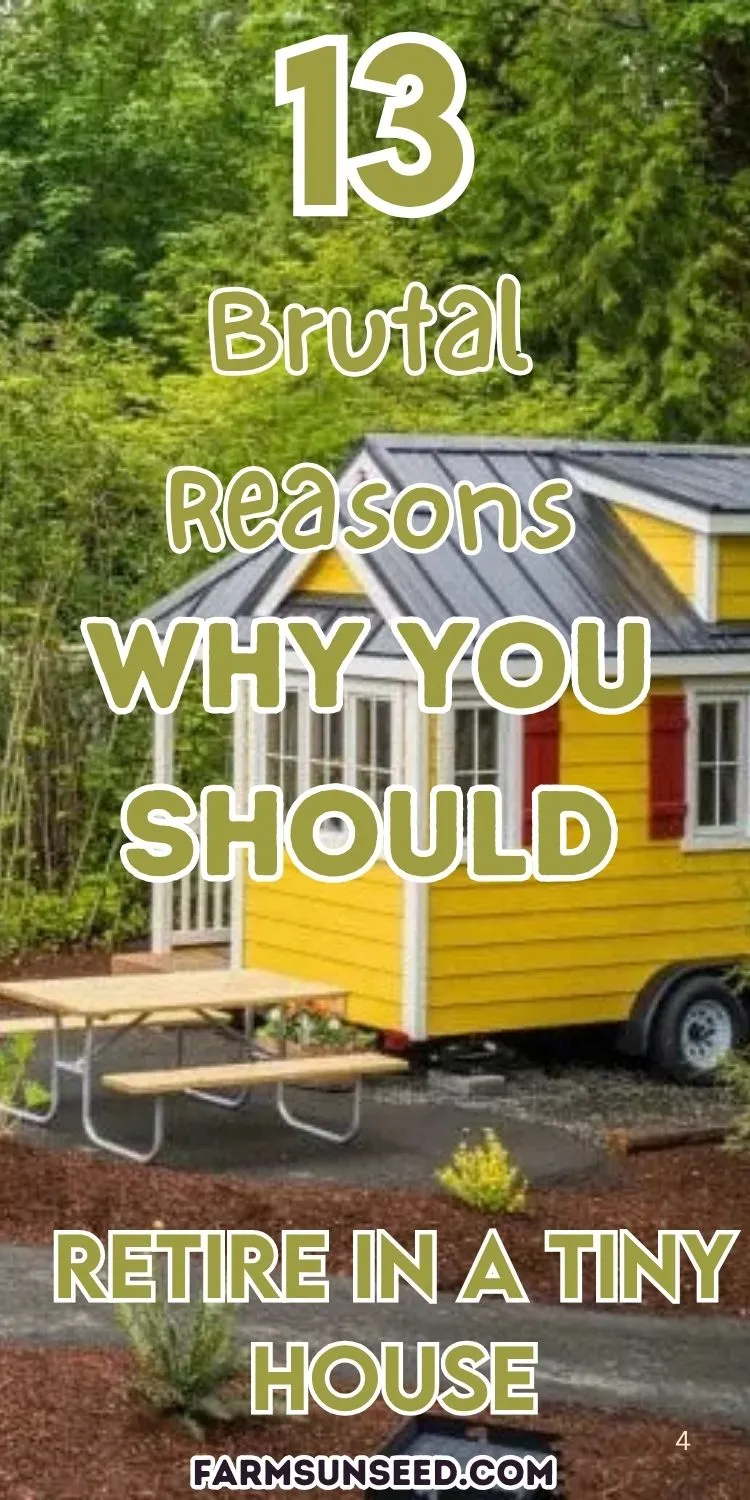
13 Unusual Reasons Why You Should Retire in a Tiny House
Your Money Will Actually Last

The Upfront Cost
The average tiny home costs $30,000-$60,000. The median traditional home costs $396,900. You save 85% upfront.
Monthly Bills Drop Hard
Monthly utilities run $50 or less. You’re heating 400 square feet instead of 2,400. The average retiree spends $18,872 yearly on housing. This includes property taxes, insurance, repairs, and utilities.
Real Numbers from Real People
Anne-Marijke built her tiny house for $60,000. She found parking with utilities included for $200 monthly. Her total expenses dropped to one-third of what they were before. She avoided working until she was 80.
Five-Year Break-Even
Traditional housing: $18,872 per year × 5 years = $94,360 Tiny house: $60,000 build + $12,000 (5 years utilities and parking) = $72,000
You’re ahead $22,360 in five years.
After that, you save over $18,000 every single year. Your property tax savings can fund your healthcare costs. Your utility savings can pay for travel. The lack of a mortgage means your nest egg stops bleeding every month.
This is how retirement savings actually last. You cut your biggest expense in half.
You Won’t Die Cleaning Your House
Cleaning Takes 15 Minutes

Your tiny house is 400 square feet or less. You can clean the entire place in 15 minutes. No more spending your Saturday scrubbing bathrooms and vacuuming three floors.
Maintenance Gets Simple
Everything in a tiny house is smaller. Your HVAC system is smaller. Your water heater is smaller. Your roof is smaller. When something breaks, the repair bill is smaller, too.
Reduced maintenance frees up hours every week. You can spend that time on hobbies, travel, or just relaxing. You’re retired. You shouldn’t be fixing gutters.
No More Weekend Projects

Forget repainting the entire house. Forget replacing 2,000 square feet of carpet. Forget power washing a massive deck. Your weekend house projects disappear.
Climate control becomes dead simple. One mini-split unit heats and cools everything. No zone systems. No complicated thermostats in every room.
The Real Win
This low-maintenance lifestyle means simpler maintenance. You’re not calling contractors every month. You’re not spending thousands on roof repairs or foundation work.
Your retirement lifestyle shouldn’t revolve around home upkeep. A tiny house makes that possible. You maintain your independence without becoming a slave to your property.
Less house means less work. More time means a better retirement.
The Earth Won’t Hate You
Your Carbon Footprint Drops 70%

Tiny homes reduce per-person carbon emissions by 70% compared to traditional homes. That’s not a small improvement. That’s a massive cut.
People in tiny homes have a 45% lower ecological footprint than the average American. You’re using less of everything.
The Numbers Are Real
A study shows a 45% reduction in energy consumption after people downsize to tiny homes. Less space to heat. Less space to cool. Less electricity is wasted on empty rooms.
The average tiny home resident uses 9.5 acres of resources annually. Before downsizing, they used 17.3 acres. That’s almost half the environmental impact.
Sustainable Living Gets Easier
Solar panels become affordable at this scale. You only need enough panels to power 400 square feet. A $5,000 solar setup can cover your entire electrical needs.
Your heating and cooling waste drops to almost nothing. No more heating three bedrooms you never use. No more air conditioning on the entire second floor.
Why This Matters for Retirement
You probably care about the planet you’re leaving behind. An eco-friendly retirement doesn’t require sacrifice. It just requires less space.
Sustainable living happens naturally when you live small. Lower energy bills. Smaller carbon footprint. Less guilt.
The Earth won’t hate you. Your wallet won’t either.
You Can Actually Afford to Retire Before 80
The Real Story

Anne-Marijke chose tiny house living because traditional housing costs would have forced her to work until she was 80. She’s not alone in this calculation.
The math is simple. When you eliminate a mortgage payment, you cut $1,500 to $3,000 from your monthly expenses. That’s $18,000 to $36,000 yearly, you don’t need it from retirement savings.
Most Tiny House Owners Are Mortgage-Free
68% of tiny home owners have no mortgage. Compare that to traditional homeowners. Most retirees still carry housing debt into their 60s and 70s.
Financial freedom means you control when you retire. Not your bank. Not your debt payments.
Early Retirement Calculator

Traditional retirement: Need $50,000 yearly income
Tiny house retirement: Need $32,000 yearly income (after cutting housing costs)
That $18,000 difference means retiring 5-7 years earlier with the same savings.
Part-Time Work Becomes Optional
You can work because you want to, not because you have to. Take a job you actually enjoy. Work three days a week instead of five. Say no without panic.
Reduced financial stress changes everything about retirement. You sleep better. You worry less. You live more. No mortgage payment means early retirement becomes possible. Not someday. Actually possible.
Your Stuff Doesn’t Own You Anymore
Downsizing Forces Hard Choices
Downsizing is a huge challenge, especially for seniors who have decades of accumulated belongings. You have to decide what actually matters. Not what you might use someday. What matters right now.
Moving into 400 square feet means every item earns its place. Your stuff stops owning you.
Your Kids Will Thank You
Bette Presley, a 70-something mother of five, chose a tiny house to avoid burdening her children with sorting through her belongings when she dies. She made those decisions while she could still make them.
Your kids don’t want your stuff. They won’t want it when you’re gone either. You’re doing them a favor by dealing with it now.
The KonMari Method Works
The KonMari method asks one question: Does this spark joy? If not, it goes. This helps identify items that truly bring joy and creates a clutter-free environment.
Storage Units Cost Real Money
Storage units run $50 to $200 monthly. That’s $600 to $2,400 yearly to keep stuff you never use. Over ten years of retirement, you’ll spend $6,000 to $24,000 storing junk.
A minimalist lifestyle costs nothing. Less clutter means a clearer mind. Downsizing means freedom from things you stopped caring about years ago. Your stuff doesn’t own you anymore. You own your life.
You Can Live Near Family Without Moving In
The Granny Pod Solution

Accessory dwelling units in children’s backyards are becoming a popular trend in multigenerational living. You get your own space. Your kids get peace of mind. Nobody loses their sanity.
Patty Belde placed her tiny home on her son’s property. Her commute to work as a caregiver for her grandkids is only a few seconds now. She’s available but not intrusive.
What These Units Actually Include
A typical ADU is 429 square feet with one bedroom, one bathroom, a galley kitchen, and a living area. Everything you need. Nothing you don’t.
You have your own front door. Your own kitchen. Your own bathroom. Family proximity without losing independence.
The Real Benefits

You can help with the grandkids when you want to. Watch them after school. Be there for emergencies. Then go home to your own quiet space at night.
Your kids don’t worry about you living alone three states away. You don’t worry about being a burden by moving into their house.
Privacy Matters
Multigenerational living works when everyone has boundaries. A granny pod gives you those boundaries. You maintain your independence while staying available.
This isn’t about your kids taking care of you. This is about being near family without sacrificing your autonomy.
You’re close enough to help. Far enough to breathe.
The Legal Nightmare Is Real
Zoning Laws Weren’t Written for This

Tiny houses aren’t specifically addressed in most local zoning ordinances or building codes. This creates a massive problem. Your local government doesn’t know what to do with you.
Some cities have minimum square footage requirements for permanent residences. Your 400-square-foot tiny house doesn’t qualify. You can’t legally live there even if you own the land.
The RV Classification Problem
When tiny houses are on wheels, they’re usually categorized as recreational vehicles. They’re considered temporary residences, and owners can be ordered to move them within a certain period of time.
You think you have found the perfect spot. Six months later, code enforcement shows up. You have 30 days to leave.
Do Your Research Before You Buy

Research local laws before spending $60,000 on a tiny house. Call your city planning department. Ask specific questions. Get answers in writing.
If you’re an older person looking to settle down in a tiny house, you probably don’t want to be living with the possibility that you could be ordered to move.
Your Options Are Limited
RV parks accept tiny houses on wheels in some areas. You’ll pay monthly rent for the spot. Utilities may or may not be included.
Private land is another option if the owner allows it. Check their local building codes first. Some rural areas are more flexible than cities.
More communities are starting to take a closer look at how to treat tiny houses. But change happens slowly. Legal challenges remain the biggest barrier to tiny house retirement.
Don’t skip this research. It can ruin everything.
Financing Won’t Be Easy
Banks Don’t Want Your Business
Traditional lenders don’t offer loans for tiny homes easily because the amounts are relatively small, and tiny homes don’t have good resale value. Banks make money on big mortgages. Your $50,000 tiny house doesn’t interest them.
Personal loan rates typically run 2-5% higher than mortgages. You’ll need good credit above 650 and the ability to make a 10-20% down payment.
That’s $5,000 to $12,000 cash upfront.
Your Alternative Options

RV loans can work for tiny houses on wheels and may offer better rates than personal loans. You’re financing it like a motorhome. Interest rates fall somewhere between personal loans and mortgages.
Home equity loans from your current house can fund your tiny house build. You borrow against equity you already have. Rates are better than personal loans.
Cash Purchases Win
The best option is to pay cash. Sell your current home. Use the proceeds to buy your tiny house outright. No monthly payments. No interest. No fighting with banks.
Most tiny house owners go this route. 68% have no mortgage. They sold big houses and paid cash for small ones.
Tiny house financing is harder than traditional mortgages. Plan accordingly. Save more cash. Expect higher rates. Or skip financing entirely.
Your Body Will Change (Plan for It)

You Won’t Climb Ladders Forever
Most tiny houses put the bedroom in a loft. You climb a ladder every night to get to bed. That works fine at 55. At 75, it’s dangerous.
You need single-level designs with no steep ladders. The bedroom is on the main floor. The loft becomes storage you rarely access.
Mobility Decreases With Age
You’re healthy now. You won’t stay that way forever. Aging in place requires planning before you build.
The Tiny Retirement home is a single-level home designed specifically for those who prefer not to climb a ladder. The entire living space sits on one floor. No stairs. No loft bedroom.
Accessibility Features Matter
Wider doorways and safety features are crucial for aging in place. Standard doorways are 30 inches. Wheelchair-accessible doorways need 36 inches.
Low-threshold showers let you walk in without stepping over a tub edge. Grab bars in the bathroom prevent falls. These additions cost money upfront but save your independence later.
Emergency Systems Save Lives
Emergency call buttons in bathrooms provide peace of mind. You fall. You press the button. Help comes. Simple systems like this can mean the difference between a minor incident and a major crisis.
Design for Your Future Self
Don’t design for who you are now. Design for who you’ll be in 20 years. Your body will change. Your tiny house should accommodate that change.
Senior-friendly design costs more upfront. It’s worth every penny when you can’t climb stairs anymore.
You’ll Get Closer to Your Partner

Forced Proximity Builds Connection
Living in 400 square feet means you can’t avoid each other. That sounds bad until you realize most couples drift apart because they can hide in different rooms.
You talk more. You share more. You actually spend time together instead of watching separate TVs in separate rooms.
Quality Time Becomes Automatic
People who adjust well to tiny house living spend time outside their homes together. You take walks. You sit on the porch. You go to coffee shops as a couple.
These become your new rituals. Small daily moments that strengthen your relationship.
Outdoor Living Brings You Together

Your deck or patio becomes your second living room. You have morning coffee outside. You read together in the evening. You’re not trapped inside staring at walls.
The outdoors becomes part of your daily routine. Fresh air. Natural light. Time together without feeling cramped.
Clear Communication Gets Easier
You can’t avoid difficult conversations in 400 square feet. You learn to communicate better. Set boundaries. Respect each other’s space and time.
Tiny house living forces you to work through problems instead of avoiding them. Your relationship either gets stronger or you figure out it wasn’t working anyway.
Most couples who choose tiny houses together report feeling closer. Shared goals. Shared adventure. Shared financial freedom.
You’re building a life together, not just living in the same house.
Tiny House Communities Build Real Friendships

You’re Not Alone Out There
Tiny house communities exist across the country. People who understand your lifestyle choice. People are dealing with the same challenges you face.
Over 14,000 individuals currently live in tiny house communities. These aren’t isolated hermits. They’re people building genuine connections.
Built-In Social Network
Tiny home communities blend privacy and community engagement with amenities tailored to active seniors. You have your own space plus common areas for socializing.
Community gardens. Shared workshops. Group activities. You participate when you want. You have privacy when you need it.
Neighbors Who Get It
Your neighbors chose this life, too. They understand why you downsized. They don’t judge your 400 square feet. They celebrate it.
These friendships form quickly because you share common values. Financial freedom. Environmental responsibility. Simple living.
Social Activities Without Trying

Community potlucks happen naturally. Morning coffee groups form. Walking buddies emerge. You don’t have to force friendships. They develop organically.
Senior tiny home communities foster social connections that support mental and emotional well-being. Loneliness isn’t inevitable in retirement. Community solves that problem.
The Support System You Need
When you need help, neighbors are 50 feet away. Someone to check on you. Someone to share tools with. Someone who cares if you’re okay.
Tiny house communities create the village that most retirees lost decades ago. Real friendships. Real support. Real community.
You’ll Stop Buying Stuff You Don’t Need
Limited Space Means Better Choices
You can’t impulse buy when you have nowhere to put it. Every purchase requires a decision. Does this item earn its space?
With less storage, people become more aware of what they buy. You value quality over quantity. Function over decoration.
Your Spending Habits Change
No more browsing stores out of boredom. No more buying stuff because it’s on sale. No more filling empty rooms with furniture you don’t need.
People who downsize adopt more environmentally-conscious habits, including buying less. You spend money on experiences instead of things.
Financial Freedom From Consumerism
Americans waste thousands yearly on stuff they never use. Storage units overflow with forgotten purchases. Garages fill with unused equipment.
Tiny house living breaks that cycle. You stop feeding the consumer machine. Your money goes toward travel, hobbies, and savings instead of clutter.
Mental Clarity Follows
Less stuff means less stress. You’re not managing inventory in your own home. You know what you own. You use what you have.
A clutter-free environment helps you prioritize quality over quantity. Your space stays organized because you can’t let it get messy.
You Discover What Matters
Forcing yourself to choose reveals your priorities. The items you keep are the ones you actually value. Everything else was just noise.
You’ll stop buying stuff you don’t need because you finally know what you do need. That clarity is worth more than any purchase.
Energy Efficiency Keeps You Comfortable Year-Round
Small Spaces Heat and Cool Fast
Tiny homes are usually built to be energy efficient. Modern insulation keeps you warm in winter and cool in summer.
Your HVAC system doesn’t work overtime heating empty rooms. It maintains 400 square feet perfectly.
Weather-Proofing Is Affordable
Upgrading insulation costs less when you have less house. High-quality windows don’t break the bank at this scale. Proper sealing is easier to maintain.
Good insulation and strategic window placements help lower heating and cooling costs. You control your climate without massive energy bills.
Comfort Without the Cost
Utilities on a tiny home are usually no more than $50 a month. You stay comfortable year-round for less than one traditional winter heating bill.
Mini-split systems provide precise temperature control. You’re never too hot or too cold. The small space responds instantly to adjustments.
Extreme Weather Gets Manageable
Modern tiny houses handle weather better than you think. Quality construction. Proper insulation. Smart design. These aren’t flimsy trailers.
You can add heated floors for winter. Install awnings for summer shade. Upgrade to storm-resistant windows. These improvements cost hundreds instead of thousands.
You Adapt to Your Climate
Place your tiny house strategically on your land. Use trees for shade. Face windows toward the winter sun. Work with nature instead of fighting it.
Energy efficiency keeps you comfortable without the massive utility bills traditional houses demand. Small spaces done right beat big houses done poorly.
Your Health Actually Improves
Financial Stress Disappears
Reduced financial stress changes everything about your health. No mortgage anxiety. No sleepless nights about property taxes. Lower stress means better sleep and lower blood pressure.
More Time for Movement
Reduced maintenance frees up hours weekly for hobbies, travel, or exercise. You’re hiking instead of fixing gutters. You have energy for activities that keep you healthy.
Mental Clarity From Simple Living
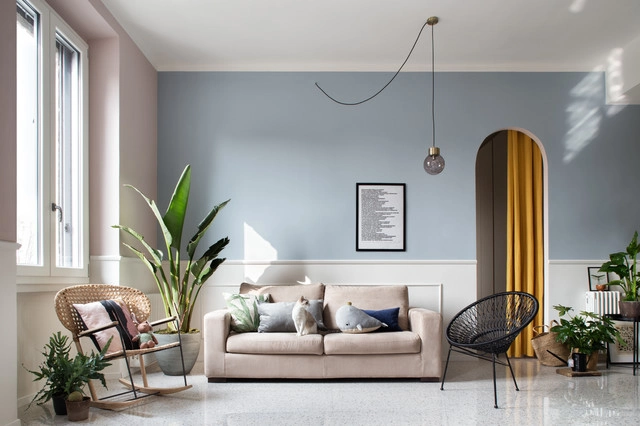
A clutter-free environment helps you prioritize quality over quantity. Less visual noise means less mental clutter. Depression and anxiety decrease when you’re not overwhelmed.
You Actually Go Outside
Tiny house living forces you outdoors. Your deck becomes your second living room. Fresh air. Natural light. Vitamin D. These become daily habits instead of occasional luxuries.
Independence Supports Wellbeing
Tiny homes provide peace of mind while offering personalized care responsive to individual needs. You maintain autonomy. You’re living on your terms in a space you can manage.
Your health improves because your lifestyle improves. Less stress. More activity. Better mental health. Tiny house retirement isn’t just cheaper. It’s healthier.
Conclusion
Retiring in a tiny house isn’t an Instagram fantasy. You’ll face real challenges. Legal regulations are messy. Financing is harder than traditional mortgages. Your body will age, and you need to plan for it.
But the numbers don’t lie. A massive reduction in expenses makes retirement possible years earlier. Freedom from debt changes everything. Your health improves. Your relationships strengthen. Your money actually lasts.
Start now. Visit tiny house communities this weekend. Talk to people living this life. Research your local zoning laws today. Don’t wait until you’re 65 to figure out if this works.
Your retirement. Your choice. Make it count.
