Retirement hobbies are supposed to make free time more enjoyable. But some retirees eventually discover that the right hobby can also produce enough income to compete with a small part time job.
The catch is that revenue is easy to exaggerate. A retiree who sells $1,200 worth of crafts has not necessarily earned $1,200, while someone teaching six paid hours each week may have very few expenses.
The better question is simple. Which hobbies can cross roughly $1,000 a month without taking over retirement?
First, What Does “Better Than a Part-Time Job” Actually Mean?

There is no single national wage that defines a part time job. Pay can change dramatically by occupation, state, experience, employer, and local labor market.
So consider a hypothetical comparison instead. Someone working 12 hours each week at $18 an hour would gross about $936 a month using 52 weeks divided across 12 months.
That gives us a useful target. A retirement hobby generating more than roughly $1,000 a month with similar or fewer hours can compete financially with that example, although self employment expenses and taxes still matter.
Here is why higher value skills can change the math quickly.
| Income Model | Simple Example | Approx. Monthly Gross |
|---|---|---|
| Part time employee example | 12 hours weekly at $18 | $936 |
| Skill based hobby | 6 paid hours weekly at $40 | $1,040 |
| Higher value service | 4 paid hours weekly at $65 | $1,127 |
| Project hobby | 3 projects at $350 | $1,050 |
These figures are illustrations, not expected earnings. Their value is showing why pricing and skill matter as much as hours.
A retiree does not necessarily need twenty paying customers. Sometimes five or six repeat customers can create more useful income than a low wage schedule that requires several shifts every week.
1. Tutoring Can Turn a Lifetime of Knowledge Into Hourly Income

Retired teachers have an obvious advantage here, but teaching experience is not required for every tutoring niche. Retirees with strong math, writing, science, accounting, language, music, or test preparation skills may already know something families are willing to pay to learn.
Suppose six hours of tutoring are booked each week at $40 an hour. That comes to roughly $1,040 in monthly gross revenue before expenses and taxes.
Online platforms can make finding students easier, but convenience has a price. Wyzant currently says tutors keep 75 percent of their posted hourly rate, with the platform retaining 25 percent.
That means the hourly rate shown to a student is not always the amount that reaches the tutor. Retirees who build direct referrals may eventually have different economics, though they also take on their own scheduling, marketing and payment collection.
2. Pet Sitting and Dog Walking Can Produce Repeat Customers

Pet care has one feature many side hustles lack: recurring demand. A satisfied dog walking customer might need help several times every week instead of making one purchase and disappearing.
For an illustration, 10 weekly walks at $25 would produce about $1,083 a month. Add four boarding nights during the month at $65 each, and gross revenue rises to roughly $1,343.
Those figures are simply example prices. Local demand, the number of animals, overnight care, medication needs and competition can change what owners will pay.
Rover says its standard service fee for U.S. pet care providers is generally 20 percent, meaning providers typically keep 80 percent of earnings booked through the platform, although a U.S. pilot program may use different fees.
There are real examples of retirees building substantial pet care businesses. AARP profiled one retired household bringing in $75,000 to $80,000 annually from dog sitting, but that individual case should not be treated as a normal result.
3. Music Lessons Can Pay More Per Hour Than Casual Gig Work

Years spent playing piano, guitar, violin, drums, or another instrument do not have to end as a private hobby. A retiree who enjoys teaching can offer beginner lessons to children or adults.
Seven one hour lessons each week at $40 would produce about $1,213 in monthly gross revenue. The schedule could still fit into two or three afternoons.
The harder part is building the first group of students. Local schools, community groups, music stores and word of mouth can be more useful than trying to attract dozens of strangers online.
This hobby also has relatively low ongoing costs if the retiree already owns the instrument and teaches from home or remotely. Travel time can change the equation quickly when every lesson requires driving across town.
4. Photography Can Work Without Becoming a Wedding Photographer
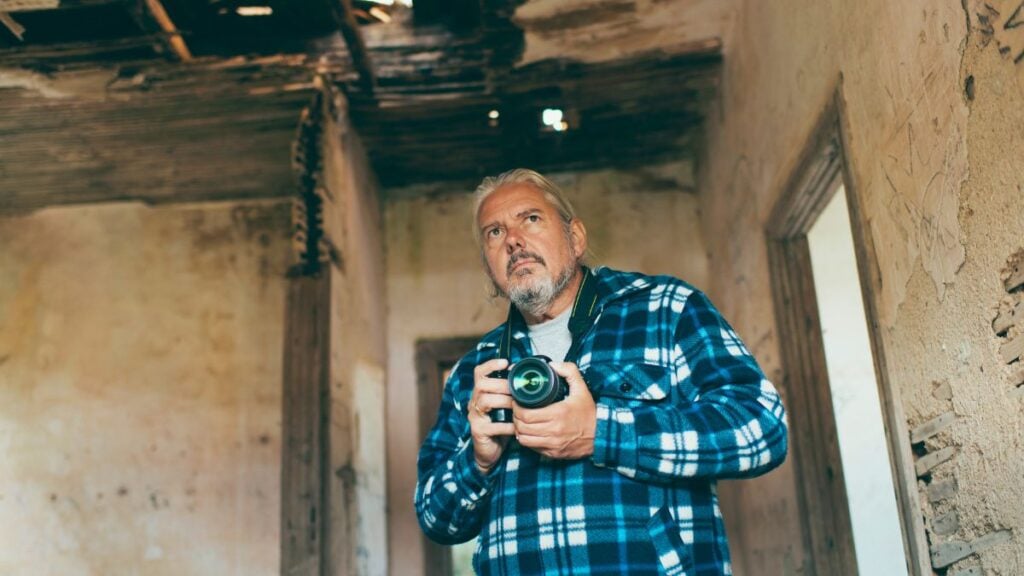
Someone who loves photography does not have to photograph eight hour weddings to earn money. Family portraits, graduation sessions, pet portraits, professional headshots and short seasonal sessions can be easier to fit around retirement.
Four sessions each month at $300 would produce $1,200 in gross revenue. That may sound more appealing than working several fixed shifts each week.
But photography contains a large amount of invisible labor. Sorting images, editing, answering inquiries, travel, backups and equipment maintenance can consume more time than the session itself.
The best version for retirement may be a narrow specialty. One or two repeatable session formats are easier to price and manage than accepting every type of photography request.
5. Furniture Refinishing Can Turn Three Good Pieces Into Real Income

A retiree who already enjoys restoring old furniture may have more earning potential than someone who starts crafting simply because an article recommends it. Skill, sourcing judgment and patience can create much more value than the raw piece costs.
Suppose three refinished pieces each produce $375 after the purchase price and direct materials. That would create $1,125 before other overhead and taxes.
Notice that this example uses margin rather than selling price. A dresser bought for $80 and sold for $500 did not produce $500 of income if paint, hardware, transportation and supplies consumed another $100.
Physical demands matter as well. Lifting furniture, sanding and transporting finished pieces may make this hobby a poor fit for someone who wants lighter work.
6. Sewing and Alterations Can Create a Neighborhood Business
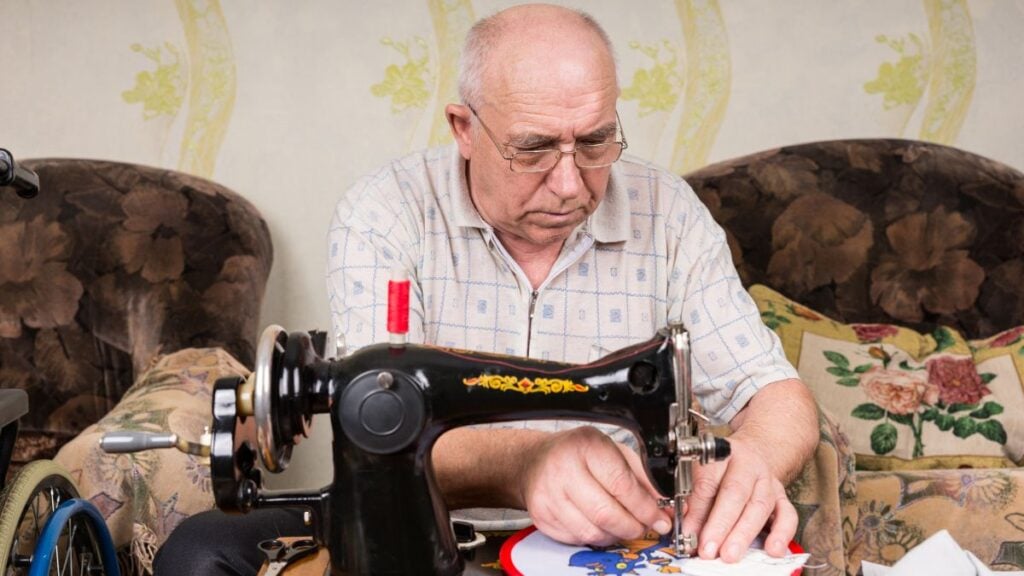
People still need pants shortened, dresses adjusted, zippers replaced and garments repaired. Someone who has sewn for decades may already own most of the equipment needed to start small.
Twenty five jobs averaging $45 would produce $1,125 in monthly revenue. Some jobs take minutes while complicated alterations can take much longer, so pricing by difficulty matters.
The advantage is that much of the work can happen at home and by appointment. The disadvantage is that deadlines around weddings, graduations and holidays can create pressure.
A retiree who wants control over time could limit the service menu. Simple hems, repairs and basic alterations may be easier to price and schedule than formalwear reconstruction.
Which Retirement Hobbies Have the Clearest Path Past $1,000?
Not every hobby scales the same way. Service businesses usually need fewer customers because the retiree is selling skill and time rather than inexpensive physical products.
The following examples show what crossing approximately $1,000 could look like. These are hypothetical sales models, not forecasts.
| Hobby | Illustrative Monthly Path | Main Constraint |
|---|---|---|
| Tutoring | 6 weekly hours at $40 | Finding repeat students |
| Music lessons | 7 weekly lessons at $40 | Student scheduling |
| Photography | 4 sessions at $300 | Editing time |
| Alterations | 25 jobs at $45 | Deadlines |
| Furniture refinishing | 3 pieces with $375 margin | Physical work |
| Genealogy | 20 client hours at $60 | Research time |
| Art workshops | 4 classes, 8 seats at $40 | Filling seats |
The common thread is not the hobby itself. It is the ability to charge enough per customer that retirement does not become crowded with low value work.
That is why a skilled retiree might be better off with six tutoring hours than trying to ship 100 inexpensive handmade items every month.
7. Gardening and Plant Propagation Can Produce Seasonal Cash

Gardeners already know that one healthy plant can eventually become many plants. Cuttings, seedlings, herbs, houseplants and vegetable starts can become sellable products when local rules allow it.
Selling 100 plants at an average of $12 would create $1,200 in revenue. But this is a good example of why monthly income claims can be misleading.
Demand may surge in spring and fall and drop sharply at other times. Pots, soil, fertilizer, water, greenhouse space and plant losses also reduce the amount kept.
A gardener who prefers services might offer container planting or seasonal porch pot setup instead. Fewer higher value customers can sometimes produce better economics than hundreds of small plant sales.
8. Woodworking and Handmade Goods Can Work When the Product Is Valuable Enough
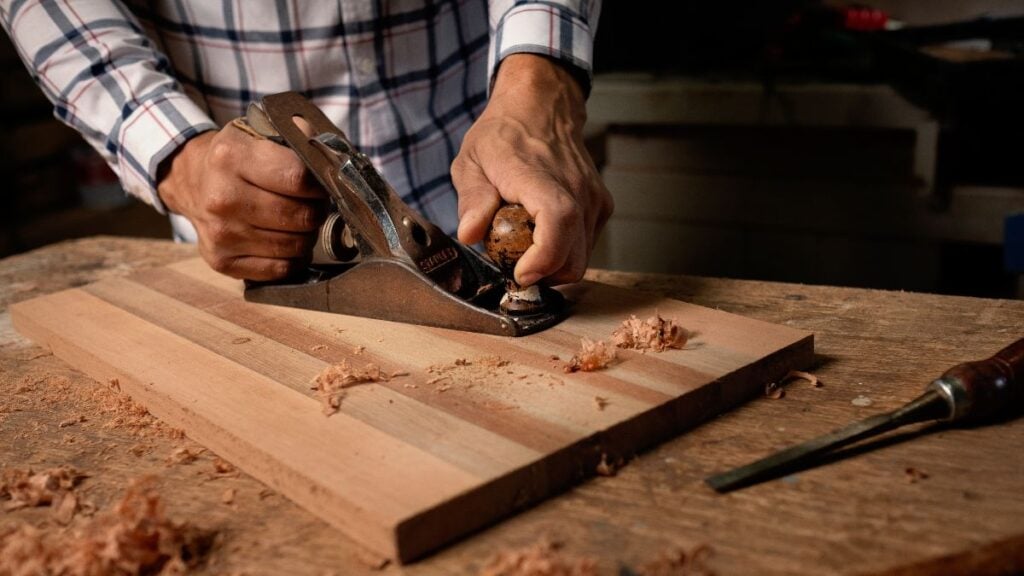
Woodworking, quilting, pottery, jewelry and other crafts appear on almost every list of profitable retirement hobbies. Yet they are also among the easiest businesses to underprice.
Fifteen products sold at $80 each would create $1,200 in revenue. If each one requires $25 of materials and marketplace fees, however, actual profit can be far lower.
Etsy currently charges a $0.20 listing fee and a 6.5 percent transaction fee on the total order amount, while payment processing and certain other fees can also apply.
The lesson is simple. Do not price a handmade item based only on materials.
Time has value too. If something requires four hours to make and produces only $20 after costs, the hobby may be profitable on paper while paying very little for the retiree’s time.
9. Baking Can Become Income, but Local Rules Come First

Someone who already makes sought after cookies, sourdough, pies, cakes, candies or specialty baked goods may have a ready made customer base among friends and neighbors.
Twenty orders averaging $60 would create $1,200 in monthly sales. Ingredients, packaging, utilities and delivery would still need to come out of that amount.
Food businesses need more homework than tutoring or editing. Cottage food laws, permitted products, labeling, inspections and local licensing rules differ by state and sometimes locality.
For retirement, preorders may be easier than keeping inventory. A baker can decide exactly how many orders to accept for a holiday weekend instead of committing to regular store hours.
10. Local History and Walking Tours Can Turn Curiosity Into a Service
A retiree who knows the history, architecture, food or unusual stories of a town may have the raw material for a small local tour business.
Consider four monthly tours with eight paying guests at $40 each. That equals $1,280 in gross revenue before expenses.
The hard work happens before the first tour. A good route needs research, accurate stories, safe walking conditions, clear meeting instructions and enough local interest to fill spaces.
Local permit, insurance or business requirements may also apply. Still, it can be attractive for retirees who like storytelling and meeting new people because the actual paid work can be concentrated into a few scheduled mornings or afternoons.
11. Reselling Can Make Collecting Pay for Itself

People who have spent years learning about vintage clothing, tools, records, coins, toys, furniture, books or collectibles often recognize value that casual shoppers miss.
Suppose 30 items produce an average $40 margin after acquisition cost and direct selling fees. That would equal $1,200 before other expenses and taxes.
The danger is confusing inventory with income. A garage full of merchandise purchased for resale represents money tied up until someone actually buys it.
Shipping supplies, damaged items, returns and marketplace charges also matter. The strongest resellers tend to know one category deeply rather than buying anything that merely looks old.
12. Writing, Editing and Proofreading Can Stay Entirely Home Based

A retiree who enjoys language may be able to edit newsletters, proofread reports, help local businesses with website copy, or write articles in an area they already know well.
Eight projects at $150 each would create $1,200 in monthly revenue. Depending on project length, that could require far fewer hours than a traditional part time schedule.
The useful advantage here is almost no physical inventory. A laptop, internet connection and reliable communication may be enough.
The downside is revisions. A project that looked like two hours can become six when expectations were unclear, so defining exactly what is included before starting protects both time and income.
13. Genealogy Research Can Turn a Deep Interest Into Paid Research
Genealogy is often treated purely as a retirement pastime. But people who become skilled at historical records, census documents, archives and family tree research may eventually help others solve family history questions.
Twenty paid hours during a month at $60 would generate $1,200 in gross revenue. That is less than five paid hours per week on average.
Research time can expand quickly, so the service needs boundaries. A fixed research package may be easier to control than promising to solve an entire family mystery.
Accuracy also matters more than speed. A good researcher should distinguish documented findings from assumptions instead of trying to give every client a dramatic story.
14. Art and Craft Workshops Can Earn More Than Selling Individual Pieces

A painter may struggle to sell eight paintings every month. Teaching eight people how to paint one may create a completely different business model.
Imagine four workshops each month with eight participants paying $40. That produces $1,280 in gross revenue before materials and venue costs.
This model can work with watercolor, knitting, pottery, floral arranging, woodworking, calligraphy and other skills. The retiree earns from teaching the process instead of depending entirely on finished products.
It can also preserve enjoyment. Someone who loves painting may prefer teaching four relaxed classes to producing art on demand for customers all month.

Jake is a chainsaws expert with a wealth of knowledge and experience in the field. He is a licensed professional by the National Chainsaw Program, which attests to his skills and expertise in the safe and efficient use of chainsaws.