
Housing hits hard in 2025 average price tag of $412,000. Traditional builds take nine months or more. They dump 20 tons of CO2 per house. You need fast, cheap, green fixes that match modern container living. Bills pile up. Space shrinks. Planet heats. Here’s the fix. You get 15 real shipping container homes this year. Each shows costs, eco-stats, and steps you can copy today.
Sustainable container houses slash waste. Grab affordable container home designs under budget. Market jumps to $67 billion by December, join the rush. Cut the build time in half. Live lighter on earth. One X builder stacked his for $45k and chills off-grid, Tom Houston style. But rust creeps in; seal it early. Ready to turn steel into your spot?
1. Why Shipping Container Homes Fit Modern Container Living in 2025
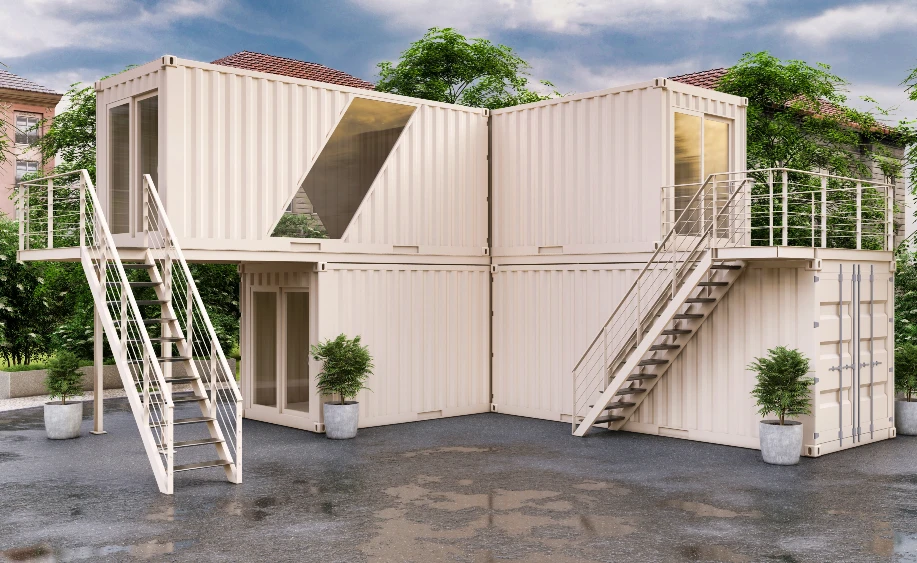
Shipping container homes make sense right now. You get a solid house for $25,000 to $250,000. That’s way under the $400,000 average for traditional builds. Plus, the market hits $67 billion this year. It grows at 6.6% each year, pushing to $121 billion by 2033. Why join? Demand spikes as folks chase quick, green options.
You build in three months or less. That’s half the time of stick-built houses. Reuse 90% of the old container materials. It cuts waste big time. And you use 40% less energy overall than a standard home. Steel frames last 100 years or more. They shrug off storms better than wood.
Modern container living shines here. You stack units easily for custom space. But it’s not all smooth. Insulation needs tweaks in cold spots to avoid chills. Add foam boards early; it fixes that fast. Rust hits wet areas too, so seal those joints.
Ready to start? Check local codes in Texas, California, or Tennessee first. They hand out permits quickly. These spots love container projects. Grab your plans and dig in.
2. 5 Sustainable Container Houses for Eco Buyers
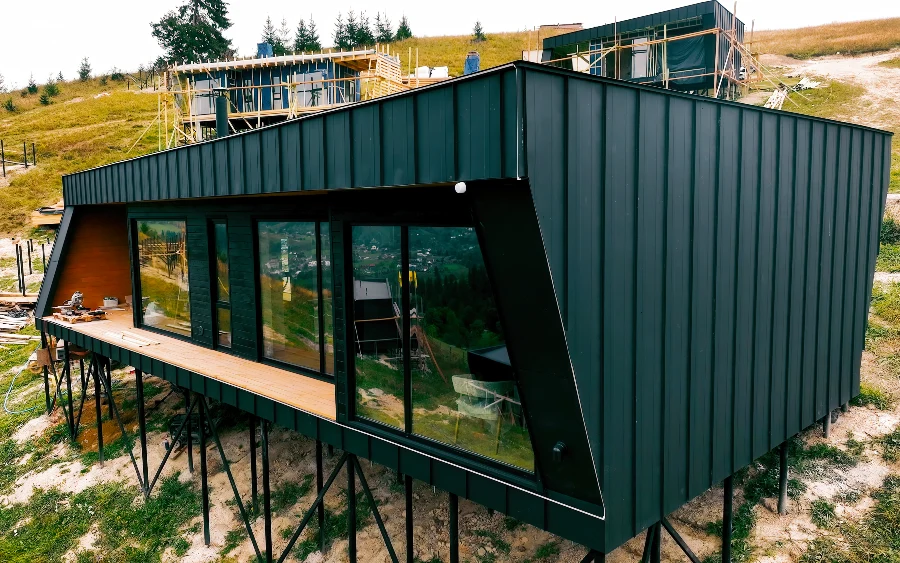
You want green without the guilt? These sustainable container houses cut your footprint while keeping things cozy. Each one uses recycled steel and smart tweaks to slash energy use. Let’s break down five picks that fit eco goals in 2025.
Home 1: Hutter’s Eco Cargo Plan

This plan twists a single 40-foot container into a sleek one-bedroom setup. You get 1,200 square feet of open space with fold-out decks for outdoor flow. Cost hits $80,000—solid for affordable container home designs that don’t skimp on style. It uses 80% recycled steel, and going solar-ready drops your power bills by 50% right away.
Build it like this: First, source a used container for $3,000 from a local yard. Then, cut openings for windows with a plasma torch and insulate walls with spray foam to block heat. takes two weekends if you hire a welder. Finish by wiring for panels that hook up in a day.
One catch: In humid spots, add vents to fight mold. Bunkerz37 on X swears by extra seals in his build. Ready to recycle your way to net-zero?
Home 2: Six Oaks by Modulus
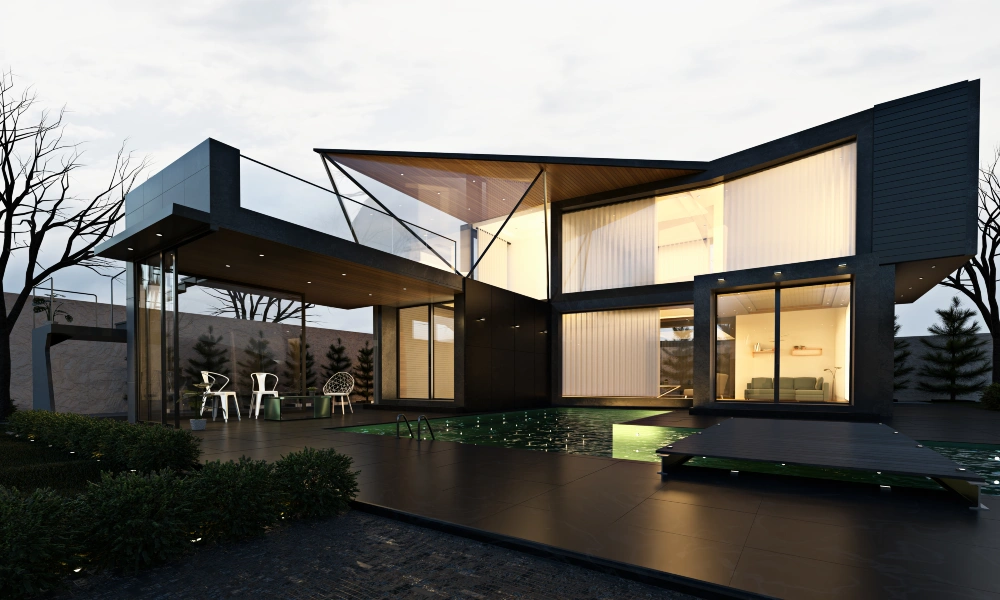
Stack four containers into a cantilevered cabin that hugs the trees. The design twist? Angled roofs pull in breezes for natural cooling. At 1,200 square feet, it runs $150,000 pricier, but affordable container home designs like this pay back in views. Expect 30% energy savings from passive airflow alone.
You start by leveling the site and stacking units with cranes, book one for $500 a day. Next, slice sides for cross-vent windows, then frame interiors with reclaimed wood that snaps in over a week. Top it with metal roofing that sheds rain fast.
Honest note: Steep sites need extra footings to stay put. Folks on X rave about the quiet Tom Houston added fans for hot days. Could stacking save you money on your summer AC bill?
Home 3: Garden-Roof from EMS

Picture a flat-top container with a living roof bursting with plants. The twist blends urban farm vibes into your roofline. This 800-square-foot unit costs $60,000, making it a steal in affordable container home designs for city lots. Those plants cool the inside by 15 degrees, cutting AC use by 40%.
Grab steps: Buy the container base at $2,500, then reinforce the roof frame with steel beams before layering the soil mix. Do it in phases to avoid overload. Plant natives that thrive in low water, and seal edges against leaks in under a month.
Watch for weight strain on weak spots, beef up beams early. X users share pics of buzzing bees from their. Imagine harvesting herbs from your ceiling, tempted yet?
Home 4: Bunkerz37’s Sci-Fi Build

Bunkerz37 turned two containers into a glowing off-grid pod with LED accents. Design twist: Hidden solar panels fold out like wings. It’s 600 square feet for $40,000 —peak affordable container home design for solo eco warriors. Solar HVAC keeps it humming zero-grid, saving 70% on utilities.
Follow his lead: Hunt a $1,800 junker container, gut it with angle grinders for vents, and mount HVAC units that bolt on in hours, test off a battery pack first. Wire panels last for plug-and-play power.
Pro tip: Dust clogs filters fast. Clean monthly. He posted updates on X last month, trivia night included. Building yours for movie nights? Sounds epic.
Home 5: Foyr’s Atrium Design
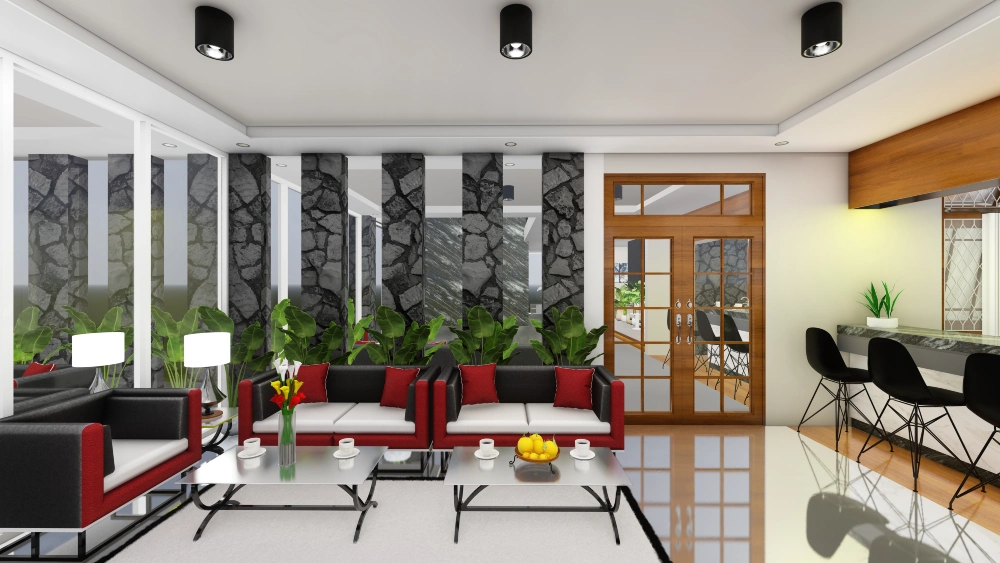
Connect two containers with a glass-walled core that floods light everywhere. The atrium twists it into a mini greenhouse year-round. Spans 1,000 square feet at $90,000, smart, affordable container home designs that feel huge. Zero-waste mods mean no scraps left, plus daylight cuts lights by 60%.
You kick off: Align containers side-by-side on piers, frame the glass insert with aluminum tracks that slide in easily. Glaze panels over three days, then plumb rainwater collection from the roof simple gutters do it.
Glass fogs in storms, so pick tempered stuff. X threads buzz with atrium hacks for privacy screens. Ready to wake up to sunbeams every day?
3. 5 Affordable Container Home Designs for First-Timers

Tight on cash but dreaming big? These affordable container home designs keep you under $100,000 with layouts that scream modern container living. You get sturdy builds that last, plus DIY hacks to finish fast. No fancy crews needed, just you and a weekend crew. Here are five starters for 2025 newbies.
Home 6: Jack Cooper’s Basic Stack
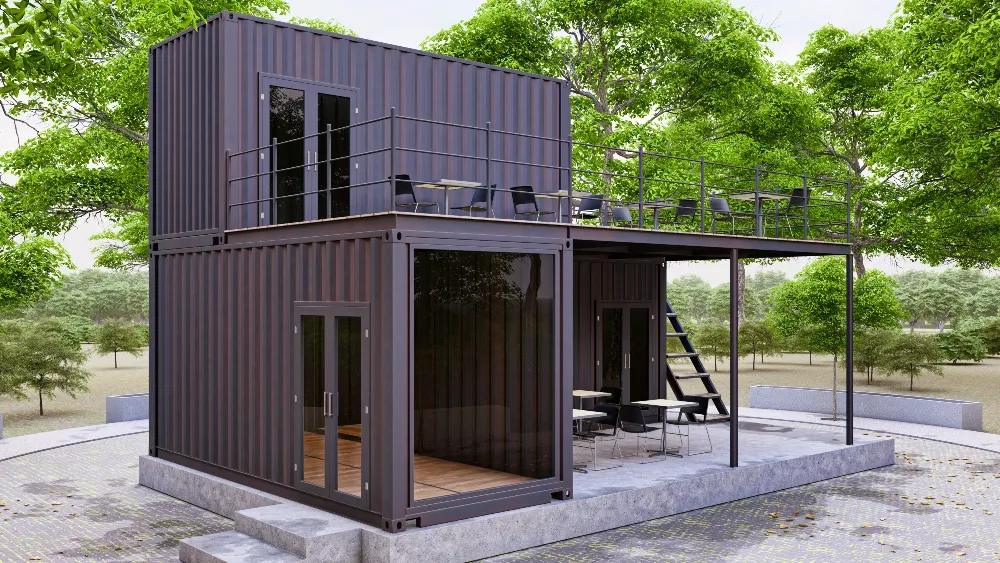
Stack two 40-footers for a no-fuss two-bedroom layout that flows open. At 800 square feet, it costs $50,000 for prime affordable container home designs for quick wins. Builds 50% faster than wood frames, wrapping in eight weeks tops. Steel holds up 100 years against bugs and rot.
DIY it: Level your spot with gravel, then crane the units on ($400 rental). Cut doorways with a grinder and bolt stairs in two days flat. Insulate the insides with rigid panels that snap in, sealing drafts easily.
One heads-up: Ground shifts? Anchor deep to stay level. Jack’s site shows real stacks thriving in the wind. Your turn for that speedy setup?
Home 7: Homeg’s Rooftop Terrace

A single container base with a pop-up terrace adds 200 square feet of chill space outdoors. The layout keeps kitchen-living tight but airy for modern container living vibes. Rings in at $70,000, affordable container home designs that stretch your dollar. Wind-resistant welds shrug off 80-mph gusts, no sweat.
Start simple: Haul the $2,800 container home, reinforce the roof joists with angle iron before decking it out. Frame railings from scrap metal in a day, then plant privacy screens done in under a month.
Terraces leak if sloppy caulk every seam. Homeg’s 2025 guide has pics of terraces hosting barbecues. Fancy rooftop sunsets calling you?
Home 8: Tom Houston’s Tron Legacy

Tom Houston lit up one container with glow panels for a game-room nook simple loft layout upstairs-down. Hits 600 square feet for $45,000, the budget king of affordable container home designs. Custom steel panels boost durability, lasting through floods like a boss.
Grab his steps: Score a $1,500 beater unit, plasma-cut walls for the loft ladder that weld on quickly. Wire LED strips along edges; they plug in hours later. Add foam underfloor for quiet gaming.
Panels fade outdoors, coated with UV spray. Tom’s X post from October nails the build: Easy basic for Tron fans. Could your man cave glow next?
Home 9: Reddit’s Top Expandable Single

One 20-foot unit unfolds to two rooms, a starter layout for growth in modern container living. At $30,000, it’s the steal of affordable container home designs; expandable walls add 300 square feet later. Frames take 120-mph hits, tougher than trailers.
You do it: Buy the kit for $2,200, unfold hinges with a ratchet and bolt extensions, weekend job. Plug basics from a garden hose hookup, then paint for pop.
Expansions creak if loose, tighten yearly. Reddit’s PawPreppers thread from 2025 calls it cost-effective gold. Scaling up soon?
Home 10: Pinterest’s Small Redefine

Wheel a mini 20-footer on axles for a 400-square-foot nook cozy bedroom-bath layout on the move. Costs $25,000 flat, entry-level, affordable container home designs with wheels. Base endures road bumps, steel skin dent-proof for years.
Hook it up: Tow the $1,200 mobile shell, jack it level, and skirt sides with plywood skirts that screw fast. Vent roof for airflow in the afternoon, add solar hookups, optional.
Mobility means more rust checks on oil hinges monthly. Pinterest’s January pin shows it parked lakeside, plans free. Where’s your tiny rolling first?
4. 5 Bold Shipping Container Homes for Urban Upgrades

City life cramping your style? These shipping container homes pack creative punches for tight lots, turning steel boxes into standout sustainable container houses. You snag urban hacks like zoning shortcuts and green tweaks that blend right in.
Home 11: YouTube’s Cantilever Concepts

Just one story out over the street for killer views that scream edge. This shipping container home stacks three units into 1,500 square feet at $120,000 bold without breaking the bank. Cantilever boosts resale value 20% with those skyline peeks, per 2025 trends.
Urban fit: In NYC or LA, flag it as a modular addition to skip full reviews, permits fly in 30 days if under 2,000 sq ft. Check YouTube’s 200+ ideas for renders that inspire.
You crane the overhang first, bolt braces that lock tight in a day, then glass the edge for light wraps in weeks. Views fade without tint; add UV film early. One builder’s vid shows it holding snow loads fine. Dreaming of balcony brunches up high?
Home 12: Atelier7’s Modular Multi-Unit
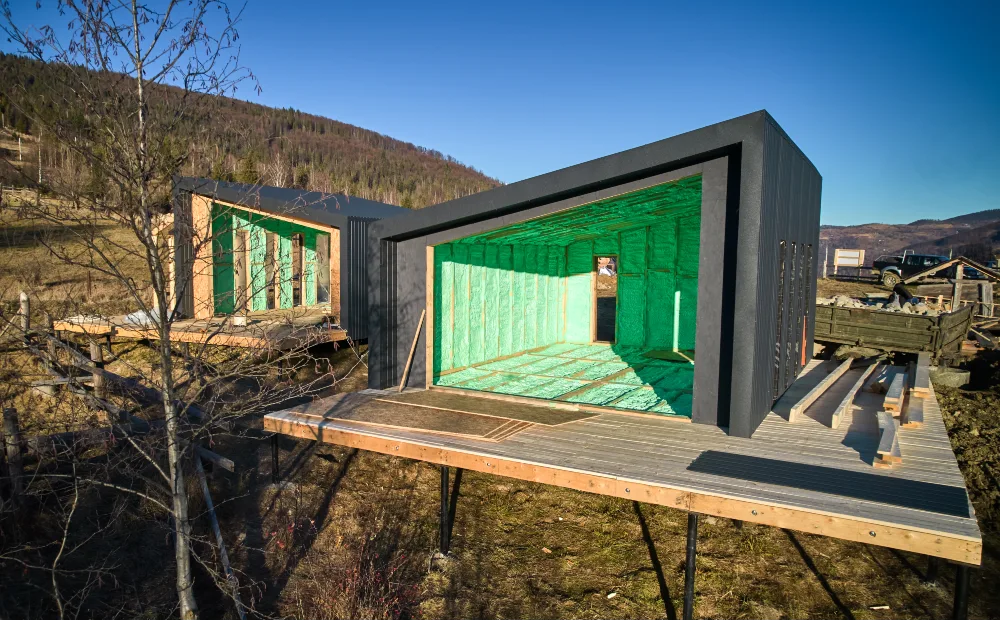
Link six containers into a duplex that flips for rentals, unique pivot doors hide storage. Scales to 2,400 square feet for $200,000, riding the 6.7% modular boom this year. Sustainable container houses like this weave green roofs for stormwater cred.
City smarts: Boston or Seattle zones allow prefab clusters with variance apps filed online, approved in 45 days. Atelier7’s Belize kickoff reel sparks the layout.
Assemble off-site: Weld frames modular, truck ’em in, and hook utilities with flex lines over a weekend. Multi-unit buzz noise soundproof walls add $2k, but quiet it. Their hybrid farmhouse proves it rents fast. Ready to stack income streams?
Home 13: M00m World’s Cyberpunk Hangout

Neon-lit pods connect for pop-up parties. Glow-in-the-dark walls shift moods. This 900-square-foot shipping container home costs $55,000, for social urban dens as sustainable container houses go rogue.
Adapt to streets: Chicago’s art installs zoning lets you test for 90 days, then convert with no hearings if under 1,000 sq ft. X’s rooftop cyber inspo from Japanese creators lights the way.
Paint first: Prime steel black, layer LED strips that wire simply in hours, then vent for crowd heat. Neon fuses electrical, fuse boxes save headaches. That VRChat post nails the vibe for game nights. Your crew’s next lair?
Home 14: Sean Gardner’s Waterfront Pad

Perch on stilts over water with wrap decks feature: Auto-drain floors for flood levels. Hits 1,000 square feet at $65,000, flood-proof steel shrugs off 10-foot surges like nothing.
Lift it: Jack pierces concrete, slides the container on rails that guide smoothly, and seals the undersides with epoxy in a shift. Waves erode bases, galvanize extras. One X user repainted his for $5k total. Waves lapping your porch yet?
Home 15: Rife’s Expandable Office-Home

Snap nine units into a work-play beast AR walls project maps on demand. It expands to 1,800 square feet for $131,000, expandable like Lego for city shifts.
Zoning win: Portland’s adaptive reuse greenlights expansions yearly, add one unit, refile free. X buzz on that 9-container dream home fuels the AR glow.
Grow it: Bolt hubs central, unfold sides with pins that click fast, code AR screens last day job. Walls glitch in sun shade cloths, fix it cheaply. The post’s interior pics? Total wow. Office by day, escape by night, yours?
