
A hobby can look harmless on a retirement budget until supplies, classes, travel, and equipment start eating into cash flow.
The frustrating part is that the same hours spent on a pastime may have earning value, yet many retirees never test whether anyone would pay for the skill. Ignore that possibility, and a hobby stays an expense while retirement savings do all the heavy lifting.
The better approach is to choose activities that are cheap to start, easy to test, and able to produce repeat income. These 16 hobbies show how leisure can become a practical wealth-building tool in retirement.
What Does “Made Retirees Millionaires” Really Mean?

There is an important reality behind that headline. A low cost hobby does not magically turn a retiree into a millionaire, and there is no reliable formula promising that any activity on this list will create seven figure wealth.
Millionaire status normally refers to total net worth. That can include retirement accounts, investments, home equity, cash, and the value of a business. A profitable hobby can help by producing extra cash, reducing withdrawals from savings, or eventually becoming a business with value of its own.
There are real examples of surprisingly large retirement side incomes. AARP reported in 2025 that Dan Simms and his wife were bringing in roughly $75,000 to $80,000 a year from dog sitting, after starting with a service that required relatively little equipment.
AARP also points retirees toward ways of monetizing interests such as knitting, photography, art, and language instruction. Its September 2026 reporting notes that older adults are increasingly exploring entrepreneurship and can draw on decades of experience, contacts, and skills.
The real opportunity is therefore much more practical: find something enjoyable, keep startup costs small, discover whether people will pay for it, and let demand decide whether it stays a hobby or becomes something bigger.
1. Pet Sitting Can Become a Serious Local Business

Pet sitting works because customers often need the service again. A person who trusts you with a dog for one weekend may return during vacations, holidays, work trips, and family emergencies.
Startup expenses can remain modest because the customer generally already owns the food, leash, bed, medication, and other pet supplies. Your biggest assets are reliability, communication, availability, and a reputation people are comfortable recommending.
The AARP example of Dan Simms shows how far this can go. What began as dog sitting eventually produced substantial annual income for him and his wife. That result is unusual enough that it should not be treated as typical, but it shows the difference repeat customers can make.
2. Antiquing Turns Knowledge Into an Advantage

Someone who has followed furniture, coins, watches, books, records, toys, or vintage household goods for years may know more about an item than the average seller.
That knowledge can create opportunities at estate sales, flea markets, auctions, thrift stores, and local sales. The money comes from knowing what deserves attention, what condition matters, and what buyers actually collect.
AARP’s 2026 guide to antiquing notes that collecting can become financially rewarding, while stressing research, authenticity, grading, condition, and proper storage.
The safest approach is to start with a category you already understand. Buying piles of unfamiliar merchandise because it “looks valuable” can turn a low cost hobby into an expensive storage problem.
3. Photography Can Produce More Than Photo Prints

Photography becomes more useful financially when the photographer sells a service rather than spending heavily on new cameras.
Family portraits, pet photography, graduation photos, local business images, small events, property photos, and basic editing can all create paid assignments. Someone who enjoys teaching can also offer beginner photography lessons.
AARP specifically identifies photography as one of the skills that can be monetized through teaching.
Equipment costs can ruin the low cost advantage, however. A retiree who already owns a capable camera or smartphone has a much better starting point than someone buying several thousand dollars of gear before finding a first customer.
4. Sewing and Mending Solve a Problem People Already Have
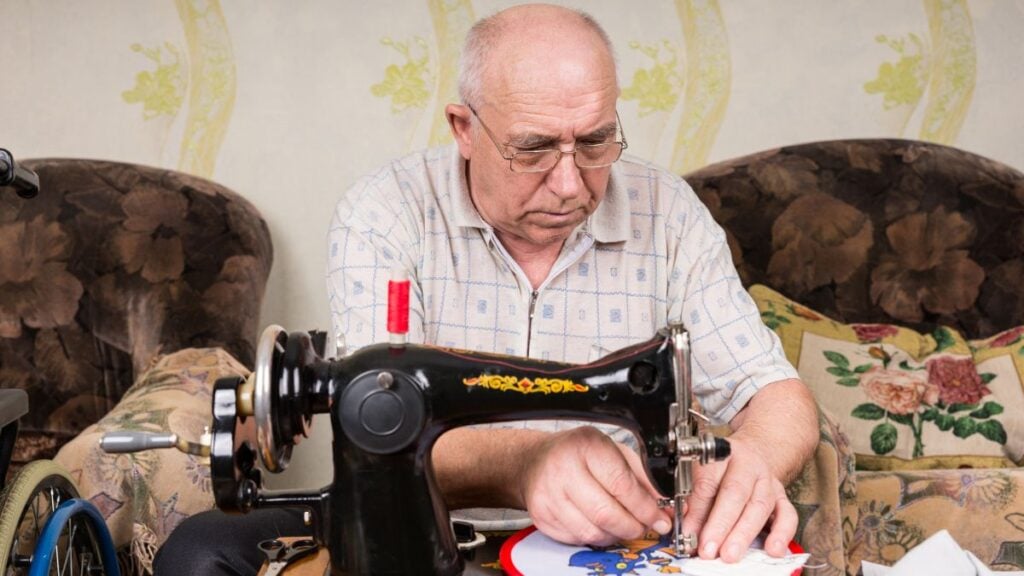
A sewing hobby can become valuable without producing an entire clothing line. Hemming pants, replacing simple fasteners, making basic repairs, shortening curtains, and adjusting household textiles may be easier to sell locally.
Service work has one major advantage: customers bring the item. That means less money tied up in inventory that may never sell.
Start with repairs you can perform confidently and price them according to the actual time involved. Difficult fabrics, formal clothing, and complicated alterations require greater skill and may carry greater risk.
A small base of repeat customers can matter more than hundreds of social media followers because clothing and household repairs keep appearing.
5. Knitting and Crochet Can Produce Several Income Streams
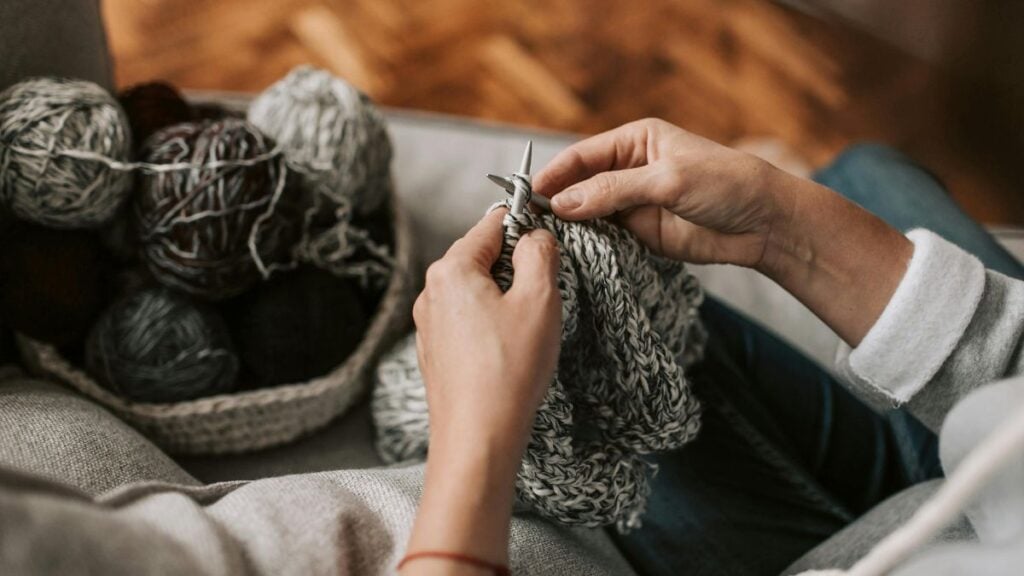
The first idea is usually selling finished scarves, hats, blankets, or baby items. That can work, but handmade products may require hours of labor, so pricing becomes important.
Teaching often creates another option. AARP has specifically mentioned knitting among skills retirees can teach for money. Classes can take place individually, in small community groups, or online.
Experienced makers may also create their own patterns or kits. That changes the economics because the same original instruction can potentially be sold more than once.
The mistake is pricing only the yarn. Time, packaging, selling fees, and mistakes are costs too.
6. Furniture Refinishing Rewards Patience More Than Inventory

A scratched table that someone wants removed may become much more attractive after cleaning, minor repair, sanding, or refinishing.
This hobby works best when the retiree already owns basic tools and understands safe finishing techniques. Buying expensive equipment before confirming demand defeats the point of starting cheaply.
Small pieces are easier at first. Side tables, stools, simple chairs, shelves, and solid wood household items are easier to transport and store than large dining sets.
Profit depends heavily on the purchase price. Finding one good piece cheaply can be more useful than filling a garage with ten mediocre ones.
7. Gardening Can Sell Plants and Knowledge

A gardener may already be producing more seedlings, herbs, cuttings, flowers, or divided plants than the household needs.
Local plant sales can turn that surplus into income. Experienced gardeners may also teach beginners how to plan containers, start seeds, improve basic garden layouts, or choose plants suited to local conditions.
The financial advantage comes from using skills and equipment already owned instead of building an expensive commercial operation.
Rules for selling plants can differ by state and locality, especially for certain nursery products. Anyone selling regularly should check their state agriculture department or other appropriate local agency before expanding.
8. Baking Can Move From Family Requests to Paid Orders

Someone who regularly hears, “You should sell these,” may eventually decide to test whether people mean it.
Cookies, breads, candies, cakes, and other small batch foods can sometimes be produced using equipment already sitting in the kitchen. Starting with a narrow menu keeps ingredient waste and packaging costs easier to control.
Food businesses require more care than selling a knitted scarf. State and local cottage food laws determine what may be made at home, where it may be sold, and what labeling or permits are required.
Check official state and local rules before accepting orders rather than assuming that a home kitchen automatically qualifies.
How Much Difference Can Small Hobby Income Make?
The first goal does not need to be replacing a salary. Even modest net income can reduce the amount that must come from checking accounts or retirement investments.
| Average Net Hobby Income | Annual Cash Generated | Possible Retirement Use |
|---|---|---|
| $250 a month | $3,000 | Utilities, hobbies, or travel fund |
| $500 a month | $6,000 | Groceries or property costs |
| $1,000 a month | $12,000 | Reduce portfolio withdrawals |
| $2,000 a month | $24,000 | Cover a larger share of living costs |
These figures show net income, not sales. Someone who sells $2,000 of products but spends $1,300 making, shipping, and marketing them has not earned $2,000.
This is one reason service hobbies can be attractive. Teaching, editing, pet sitting, and consulting often require less inventory than businesses based on physical products.
9. Art and Illustration Can Be Sold in More Than One Form

An artist does not need gallery representation to test whether people will pay for the work.
Local commissions, pet portraits, house illustrations, greeting cards, small prints, community classes, and original pieces provide several possible routes. The smartest first step is usually using the materials already on hand.
Teaching can sometimes be easier to make consistent than selling original work because a class can be scheduled and priced in advance.
The key is separating enjoyment from inventory. Producing dozens of pieces before finding buyers ties up money and space. Make a small selection, test demand, then produce more of what people actually request.
10. Writing and Editing Can Use Skills Built Over Decades

Retirees often underestimate the value of clear writing because they spent years doing it as part of another job.
Local businesses may need newsletters, website updates, product descriptions, proofreading, or simple customer materials. Individuals may need help organizing memoirs, family histories, resumes, or community publications.
Startup costs can be extremely small when a computer and internet connection are already available.
The advantage is that nothing needs to be shipped or stored. A few dependable clients can create recurring work without requiring a full workweek, making writing one of the more flexible retirement hobbies that make money.
11. Teaching Turns Experience Into the Product

Teaching may be one of the simplest ways to monetize something you already enjoy because there is little inventory.
A language speaker can tutor conversation. A longtime musician can teach beginner lessons. An experienced photographer can explain camera basics. Someone strong in math or reading can tutor students.
AARP specifically recommends “teach what you know” when discussing ways retirees can monetize hobbies and names knitting, photography, art, and languages as examples.
Private lessons are only one model. A small group class can make better use of an hour while giving students a lower individual price.
12. Genealogy Can Become Paid Research

Genealogy combines research, organization, detective work, history, and storytelling. People who have spent years building family trees often develop skills beginners find difficult.
Paid work might involve organizing family records, searching public archives, documenting a family line, or preparing a readable family history.
Keep the service specific. “Two hours of record research” is easier to price and explain than promising to discover an entire family history.
Avoid promising results because some records simply do not exist or cannot be verified. A good genealogy service sells careful research and documentation, not certainty.
13. Jewelry and Small Item Repair Can Serve a Loyal Niche
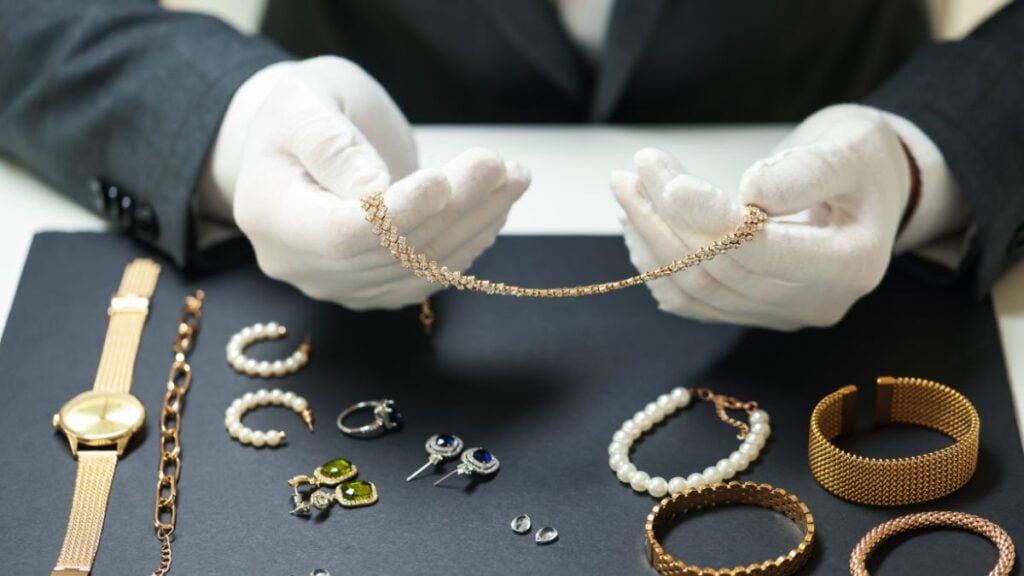
People often own inexpensive items that have enormous personal value. A broken clasp, damaged handbag, loose piece of costume jewelry, or worn decorative object may be worth repairing even when replacement would be cheaper.
AARP reported an example of an older business owner continuing jewelry and handbag repair because those were the parts of her former business she most enjoyed.
That is a useful retirement model. Instead of operating a full retail shop, a person can focus on the profitable or enjoyable skill.
Begin with repairs you know well. Expensive or irreplaceable objects create much greater liability.
14. Helping People With Everyday Technology Can Pay
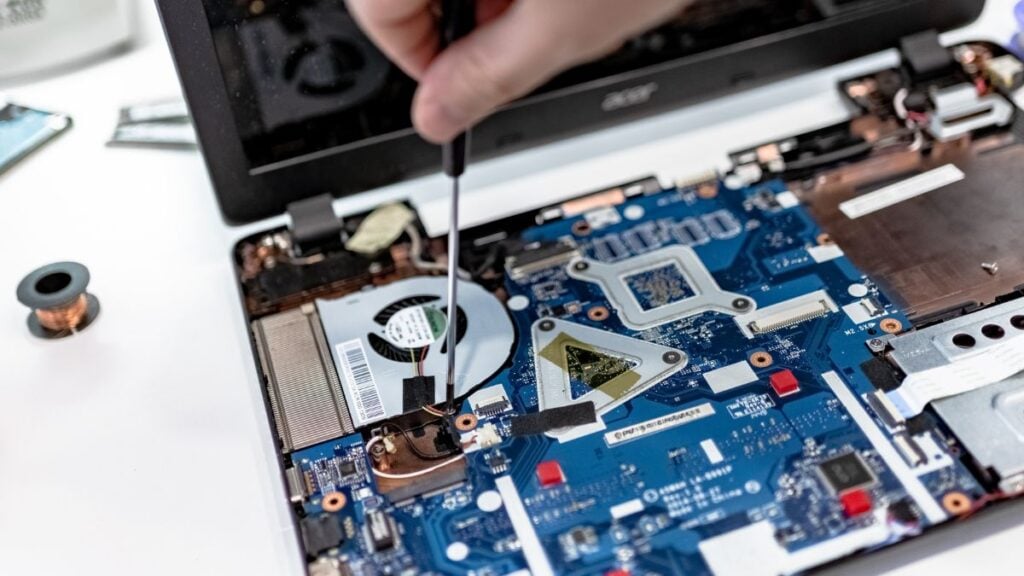
Some people enjoy setting up phones, organizing digital photos, connecting printers, using video calls, fixing basic computer settings, or teaching friends how apps work.
Those skills can become local one to one assistance. Customers may be more comfortable learning from a patient person sitting beside them than watching another online tutorial.
Keep the service focused on ordinary setup and instruction. Avoid handling passwords, financial accounts, private medical portals, or other sensitive information whenever possible.
A simple hourly lesson covering smartphone basics, photo organization, email, or video calling can remain a very small operation with almost no inventory.
15. Digital Design Can Create Products Without Physical Stock

Someone who enjoys making invitations, calendars, planners, checklists, wall art, worksheets, or simple graphics can create digital products.
The appeal is repeatability. A physical knitted item must be made again after every sale, while an original digital file may be sold repeatedly.
That does not mean sales arrive automatically. Good presentation, useful design, clear descriptions, customer service, and finding the right audience still matter.
Start with a few products created using software you already know. Buying subscriptions, courses, advertising, and large template libraries before the first sale quickly removes the low cost advantage.
16. Sharing a Hobby Online Can Become an Asset

Gardening, woodworking, baking, travel, quilting, photography, fishing, collecting, and home repair all give people something useful to teach.
Articles, newsletters, podcasts, or videos can eventually produce revenue through advertising, sponsorships, products, classes, or services. However, content creation is usually slower than selling a direct service.
There may be months or years of small returns while an audience develops. For that reason, it works best when the creator genuinely enjoys making the content even before substantial money appears.
The stronger strategy is often to use content to support another income stream, such as lessons, products, repairs, or consulting.
When Does a Money Making Hobby Become a Business?

The IRS draws a real distinction between a hobby and a business. A business operates with a profit motive, while a hobby is primarily pursued for recreation or pleasure. The IRS looks at several factors rather than using a single test.
Businesslike record keeping, time spent on the activity, efforts to become profitable, previous success, and the possibility of future profit can all matter when determining how an activity should be treated.
Income still matters even when an activity remains a hobby. The IRS states that income from an activity that generates money but is not a business still needs to be reported.
For a sole proprietor operating a business, income and expenses are generally reported on Schedule C. If total net earnings from self employment are $400 or more, Schedule SE is generally used to calculate self employment tax.
Estimated taxes can also become relevant. The IRS says individuals generally need estimated payments when they expect to owe $1,000 or more when the return is filed, although individual circumstances differ.
Check These Retirement Rules Before Hobby Income Grows
Extra income is welcome, but retirees should understand how it interacts with other parts of their finances.
| Issue | What to Know in 2026 | What to Do |
|---|---|---|
| Federal taxes | Hobby and business income may be taxable | Keep records from the first sale |
| Self employment tax | Generally applies at $400 or more of net self employment earnings | Review Schedule C and Schedule SE rules |
| Estimated taxes | May be needed if expected tax due reaches applicable limits | Use IRS Form 1040 ES guidance |
| Social Security earnings test | Applies before full retirement age | Track earned income carefully |
| Medicare IRMAA | Higher income can increase Part B and Part D premiums | Watch modified adjusted gross income |
| Local rules | Food, plants and some services may need permits | Check state and local agencies |
| Insurance | Certain activities create liability | Review coverage before serving customers |
For someone younger than full retirement age for all of 2026, Social Security’s earnings limit is $24,480. Benefits are withheld at $1 for every $2 of earnings above that amount.
For someone reaching full retirement age during 2026, the higher limit is $65,160 for earnings before the month full retirement age is reached, with $1 withheld for every $3 above that limit.
Beginning with the month full retirement age is reached, earnings no longer reduce retirement benefits under the earnings test.
