
Retirement can feel surprisingly empty when the calendar loses its deadlines, conversations, and sense of purpose. At first, the freedom feels good, but too much unstructured time can turn into boredom and isolation.
That shift can affect sleep, motivation, and confidence, leaving you wondering whether your mind is as sharp as it used to be. The concern feels bigger when forgotten names or misplaced items start to seem important.
The good news is that staying mentally sharp after retirement is not about endless puzzles. Research points to movement, relationships, meaningful goals, better sleep, learning, and routines that keep life engaging.
1. Give Your Week a Shape Before the Days Start Blending Together

Work quietly organizes life. It tells you when to wake up, where to be, what needs finishing, and when the weekend starts. Retirement removes much of that structure overnight, even when leaving work was completely voluntary.
A useful replacement is a weekly rhythm rather than a rigid schedule. Pick recurring anchors such as a Monday walk, Tuesday class, Wednesday lunch, Thursday volunteer shift, Friday household project, and weekend family time.
The National Institute on Aging recommends routines, calendars, lists, and continued involvement in mental and physical activities as practical ways to support memory and everyday functioning. Structure also makes it harder for television, scrolling, or errands to become the default use of an entire day.
Keep some open space. Retirement should give you freedom, but completely unstructured freedom does not automatically create satisfaction.
2. Move Enough to Challenge Your Heart and Brain

Regular physical activity is one of the better supported habits for healthy aging. NIA notes connections between physical activity and brain health, while exercise can also support energy, balance, mood, physical function, and independence.
Current CDC guidance says adults 65 and older should aim for at least 150 minutes of moderate intensity aerobic activity each week, or 75 minutes of vigorous activity, or an equivalent combination. Moderate activity can include brisk walking, swimming, cycling, water aerobics, or other movement that raises your effort level.
You do not have to become a gym person. A 30 minute walk five days a week reaches the aerobic target, and shorter sessions can also contribute.
If you have been inactive or have medical or mobility limitations, choose activity that fits your abilities and discuss major increases in intensity with your healthcare professional. Some activity is better than none.
3. Keep Strength and Balance in the Plan Too
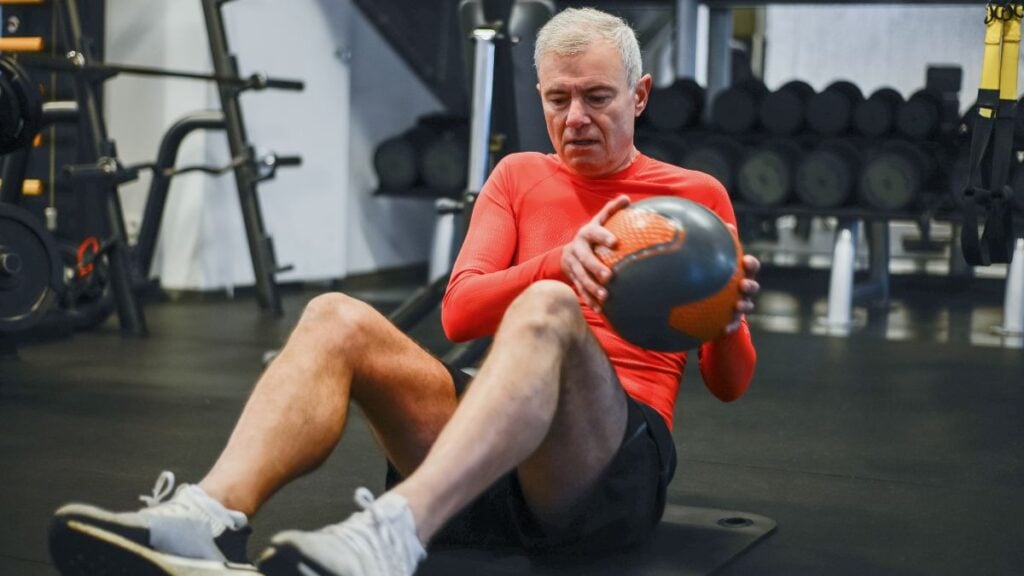
Walking gets plenty of attention, but retirement fitness should not stop there. CDC recommendations for adults 65 and older also include muscle strengthening activity at least two days each week, along with activities that improve balance.
Strength work might mean resistance bands, hand weights, machines, body weight exercises, gardening, or certain yoga movements. Balance training can include heel to toe walking, controlled single leg standing when safe, tai chi, or structured classes.
This matters beyond exercise itself. Maintaining physical function can make shopping, travel, hobbies, household jobs, and social outings easier to keep doing independently.
A Simple Weekly Movement Target
| Type | Federal recommendation | Retirement friendly examples |
|---|---|---|
| Aerobic | 150 minutes moderate activity weekly | Brisk walking, cycling, swimming |
| Strength | At least 2 days weekly | Weights, bands, body weight exercise |
| Balance | Include regularly | Tai chi, balance drills, some yoga |
| Everyday movement | Add whenever possible | Gardening, stairs, household tasks |
These are general guidelines rather than a personalized exercise prescription. Ability, medical history, medications, joint problems, and fall risk can change what is appropriate for one person.
4. Protect Seven to Nine Hours of Sleep

Retirement sometimes creates a strange sleep trap. Without an alarm clock or morning commute, bedtime drifts later, naps get longer, and the normal difference between weekday and weekend sleep disappears.
Older adults generally still need seven to nine hours of sleep each night, according to NIA. Sleep supports learning, memory formation, attention, problem solving, decision making, creativity, mood, and everyday functioning.
A consistent wake time can help give the day structure. Regular exercise, a comfortable bedroom, less late caffeine, and avoiding large late meals can also support sleep.
Persistent insomnia, heavy daytime sleepiness, loud snoring, or repeated nighttime waking deserves more than another cup of coffee. NIA advises talking with a healthcare professional when sleep problems continue, especially before relying on sleep medicines or supplements.
5. Treat Social Contact Like a Health Habit

Leaving work often removes dozens of small interactions that barely seemed important at the time. The greeting in the parking lot, lunch conversation, quick phone call, and five minute chat with a coworker all disappear from the calendar.
Social connection deserves a deliberate replacement. CDC describes strong social connection as having the number, quality, and variety of relationships that meet a person’s needs, and links supportive relationships with better mental and physical health.
That does not mean filling every afternoon with people. One close friend, a walking group, regular family calls, neighbors, a faith community, a hobby club, or recurring coffee with someone you enjoy can create a dependable social base.
NIA also reports that social engagement has been associated with better cognitive health in later life. The goal is meaningful contact, not winning a contest for the busiest retirement calendar.
6. Volunteer Somewhere Your Contribution Actually Matters

Volunteering works especially well when it provides more than something to do. A good role gives a person responsibility, repeated contact, a reason to show up, and the feeling that someone benefits from the effort.
Research using the U.S. Health and Retirement Study has linked volunteering with several positive psychosocial outcomes, including greater positive affect and purpose. Other research has found associations between volunteering, social activity, cognitive activity, and later cognitive functioning.
A 2025 study examining early retirement also found that volunteering was associated with a lower probability of depression, although results from observational research should not be read as a guarantee that volunteering itself prevents depression.
Choose the role carefully. Helping at a library, mentoring, serving meals, supporting a museum, coaching, assisting an animal shelter, or working through a local community organization can be useful when the responsibility feels meaningful rather than draining.
7. Keep a Reason to Get Up That Goes Beyond Chores
Purpose does not require a grand mission. It can be raising vegetables, helping grandchildren with schoolwork, restoring a car, caring for a community garden, learning a language for a future trip, teaching a skill, or finishing a project that may take two years.
Long term U.S. research has repeatedly found associations between stronger purpose in life and better cognitive outcomes.
A 2025 analysis of 9,808 adults age 65 and older in the Health and Retirement Study found that maintaining purpose was associated with slower cognitive decline, although observational studies cannot prove purpose alone caused the difference.
A useful purpose has three ingredients: something to work on, somebody or something that benefits, and a reason to continue next week. That combination can give retirement momentum without rebuilding the stress of a full time job.
Which Activities Give Retirement More Than Entertainment?
| Activity | Mental challenge | Social contact | Sense of contribution |
|---|---|---|---|
| Taking a class | High | Medium | Low to medium |
| Volunteering | Medium | High | High |
| Mentoring | High | High | High |
| Gardening club | Medium | High | Medium |
| Creative group | High | High | Medium |
| Solo hobby project | High | Low | Medium |
| Walking group | Low to medium | High | Medium |
The strongest choice is usually the one you enjoy enough to repeat. NIA notes that meaningful social, productive, and enjoyable activities may support wellbeing, resilience, independence, and cognitive health.
8. Learn Something That Makes You Struggle a Little

Doing what you already know is comfortable. Learning something unfamiliar forces the brain to pay attention, make mistakes, remember instructions, adjust, and try again.
NIA points to research in which older adults learning demanding skills such as digital photography or quilting showed greater memory improvement than groups doing less cognitively demanding activities. Older adults also retain the ability to learn new skills and form new memories.
The activity does not have to look academic. Try guitar, photography, a new language, woodworking, dancing, computer skills, cooking techniques, genealogy software, painting, or learning how to repair something.
A useful test is simple: if you occasionally feel confused, make mistakes, and then get better, the activity is probably asking more of your brain than another familiar evening in front of the television.
9. Do Not Treat Brain Games as a Magic Shield

Crosswords and puzzles can be enjoyable, but doing the same familiar puzzle every morning should not be treated as complete brain protection. NIA specifically cautions that evidence for commercial computer brain training products is not the same as evidence from structured research programs.
The large ACTIVE trial studied structured training in memory, reasoning, and speed of processing. Participants receiving certain forms of training showed lasting improvements in the abilities that were trained, with research continuing into whether specific cognitive training can reduce later impairment.
Use puzzles because you enjoy them. For broader stimulation, combine them with learning, movement, conversation, creative work, and activities that require real decisions.
10. Make Creativity Part of Ordinary Life

Creative activities ask the brain to produce something rather than simply consume something. Singing, painting, photography, dancing, playing an instrument, writing, sewing, woodworking, and similar hobbies can combine attention, memory, motor skills, emotion, and sometimes social contact.
Research on arts participation in older adulthood is promising rather than final. NIA reports that studies involving music, theater, dance, and creative writing have shown potential benefits for quality of life, memory, self esteem, stress, and social interaction, while larger studies are still needed.
That uncertainty is not a reason to skip creativity. Choose something you would still enjoy even if scientists never proved it added a single point to a memory test.
11. Take Hearing Problems Seriously
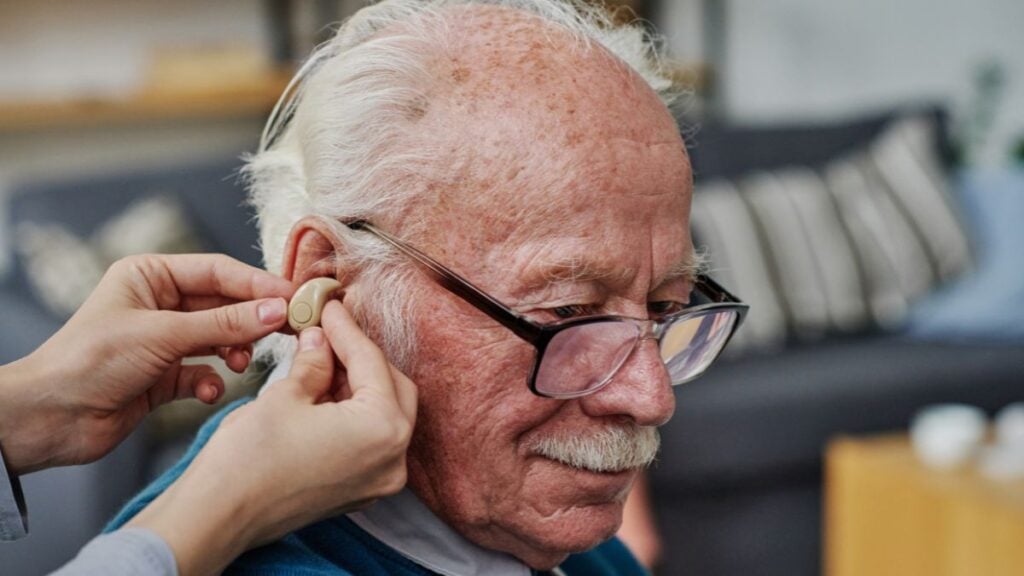
Hearing loss can quietly change a retirement. Restaurants become tiring, group conversations are harder to follow, phone calls feel like work, and people may slowly avoid situations they once enjoyed.
Hearing loss is associated with cognitive decline and social withdrawal, although association alone does not prove that hearing loss causes dementia. NIA recommends addressing hearing problems as part of overall cognitive and sensory health.
The NIH funded ACHIEVE randomized trial included 977 adults ages 70 to 84 with untreated hearing loss.
Across the full study population, hearing intervention did not significantly change three year cognitive decline, but among participants already at higher risk of cognitive decline, the hearing intervention was associated with an almost 50% slower rate of decline.
That is an important distinction. Hearing aids should not be sold as a dementia prevention guarantee, but hearing problems are treatable and can interfere with communication, relationships, independence, and everyday enjoyment.
12. Keep Your Vision Corrected
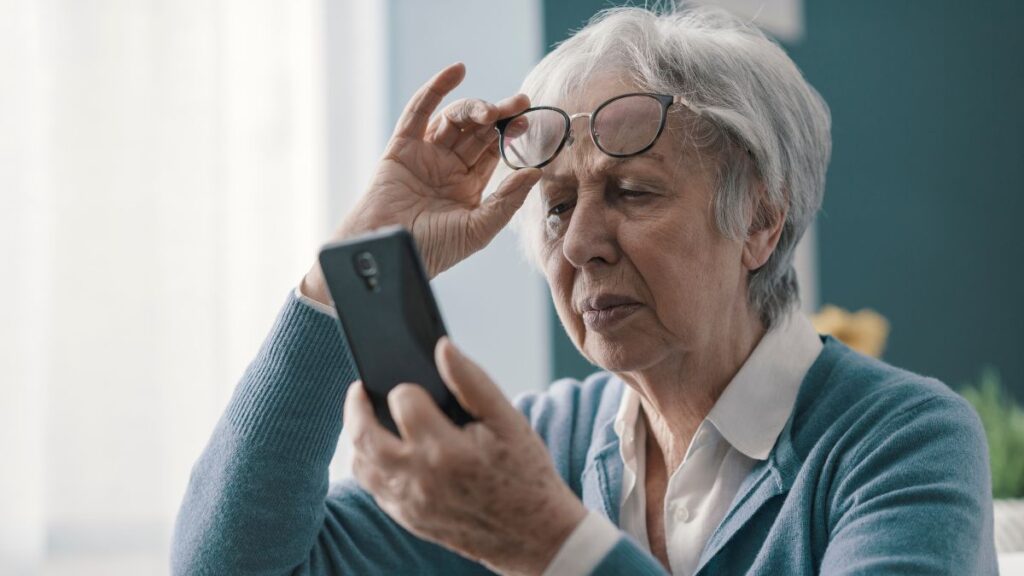
Vision problems can have effects far beyond reading small print. Difficulty seeing clearly can make driving, hobbies, exercise, faces, screens, books, unfamiliar places, and social outings harder to manage.
Research has repeatedly found an association between vision impairment and poorer cognitive outcomes in older adults. NIA has also highlighted vision loss as a potentially modifiable factor worth addressing, while researchers continue studying whether treatment directly changes dementia risk.
Keep up with recommended eye care and address changes in vision rather than simply giving up activities that have become difficult. Updated glasses, treatment of eye disease, better lighting, and other appropriate care may help preserve the activities that keep everyday life mentally and socially active.
13. Eat in a Mediterranean or MIND Direction
There is no proven food that makes the aging brain immune to cognitive decline. The more useful evidence looks at overall eating patterns rather than miracle berries, powders, oils, or expensive supplements.
Mediterranean style eating emphasizes vegetables, fruit, whole grains, legumes, fish, nuts, and unsaturated fats such as olive oil. The MIND pattern combines elements of Mediterranean and DASH eating and places extra emphasis on leafy greens, berries, beans, nuts, whole grains, fish, and olive oil.
Observational research has linked these eating patterns with better cognitive outcomes, but clinical trial results have been less dramatic.
NIA notes that a trial of roughly 600 older adults found only small cognitive improvements with the MIND diet, similar to the control group, so claims that the diet prevents dementia would go beyond the evidence.
A practical approach is to move meals in that direction without demanding perfection. Add vegetables and beans more often, choose whole grains, include nuts when appropriate, and discuss major dietary changes with a healthcare professional if medical conditions affect what you should eat.
14. Protect the Blood Vessels That Feed Your Brain

Brain health and cardiovascular health are closely connected. NIA recommends managing conditions such as high blood pressure, diabetes, depression, and high cholesterol as part of protecting cognitive health.
Blood pressure has especially strong research behind it. In the NIH funded SPRINT MIND trial, more intensive blood pressure treatment reduced the occurrence of mild cognitive impairment in selected adults age 50 and older with hypertension and elevated cardiovascular risk, although it did not significantly reduce dementia in the trial.
That finding should not be used to choose your own blood pressure target. The SPRINT population had specific eligibility rules, and an appropriate target can depend on medical history, medications, fall risk, diabetes, kidney health, and other factors.
The useful retirement habit is simpler: know your numbers, attend recommended checkups, take prescribed treatment correctly, and ask questions when something changes. Protecting cardiovascular health also helps protect the systems that supply the brain with blood and oxygen.
15. Review Medicines, Alcohol, and Smoking Instead of Ignoring Them

Sometimes a change in thinking or energy is not simply “getting older.” NIA warns that certain medicines and combinations of medicines can contribute to confusion, memory problems, sleep changes, or other effects on brain function in older adults.
This does not mean stopping a prescription on your own. Take an updated medication and supplement list to medical appointments and ask whether anything could be affecting memory, alertness, balance, or sleep.
Alcohol also deserves another look after retirement. Aging can change how the body handles alcohol, and alcohol can interact dangerously with some medicines or worsen problems involving memory, mood, sleep, balance, and falls.
NIA’s cognitive health guidance also recommends limiting alcohol and quitting smoking. If either has become a bigger part of retirement than expected, discussing it openly with a clinician is more useful than treating it as a character flaw.
A Brain Health Review Worth Keeping on the Calendar
| Area | What to notice | What to do |
|---|---|---|
| Blood pressure | Numbers consistently outside your target | Discuss them with your clinician |
| Hearing | Trouble following conversations or television | Request hearing evaluation |
| Vision | New blur, glare, reading or driving problems | Arrange appropriate eye care |
| Sleep | Persistent insomnia or daytime exhaustion | Discuss possible causes |
| Medicines | New confusion, sleepiness, memory or balance issues | Request a medication review |
| Alcohol | Increasing use or medication interactions | Discuss safer use or support |
| Mood | Low mood or loss of interest lasting weeks | Seek professional assessment |
| Memory | Changes interfering with everyday tasks | Ask for medical evaluation |
Memory changes deserve particular attention when they begin interfering with driving, finances, medication management, cooking, appointments, or other familiar tasks. Normal aging can involve slower recall, but dementia is different from ordinary age related changes.
16. Do Not Write Off Persistent Low Mood as “Just Retirement”
A few disappointing weeks do not automatically mean depression. Retirement can involve adjustment, especially when work provided identity, friendships, status, or a strong daily routine.
Persistent depression is different. NIA states that clinical depression is not a normal part of aging, and symptoms can include loss of interest, ongoing low mood, sleep problems, low energy, trouble concentrating, or feelings of hopelessness.
Depression can also affect memory, concentration, motivation, relationships, exercise, sleep, and the desire to participate in activities. That means emotional health and mental sharpness should not be treated as separate retirement projects.
If low mood, anxiety, or loss of interest lasts for weeks or begins changing everyday life, talk with a healthcare or mental health professional. Treatment can include counseling, medication, or other approaches based on individual needs.
If you or someone else is in immediate emotional crisis or having thoughts of suicide in the United States, call or text 988 for the Suicide & Crisis Lifeline. Immediate danger should be treated as an emergency.
