
Retirement can look simple from the working side: stop commuting, collect Social Security, use savings, and finally control your time.
The harder part begins when income, health costs, housing, family needs, taxes, and daily routines start behaving differently than expected. A few wrong assumptions can shrink flexibility fast, especially when a decision is hard to reverse.
These retirement reality checks are not meant to make retirement sound bleak. They are meant to expose the surprises that deserve planning before they become expensive or stressful.
1. Your Retirement Date May Not Be Entirely Your Choice

A retirement plan that assumes you will work until 67 or 70 has one weakness. Life may have a different schedule.
Federal Reserve data released in 2026 found that health problems affected the retirement timing of 28% of retirees. Another 17% cited caring for family, while 11% said they were forced to retire or work was unavailable. Overall, one or more of those factors affected 46% of retirees.
That makes a backup plan worth having before you need it.
Consider:
- What happens if your paycheck stops three years early?
- Could you delay Social Security without that job?
- How long would cash reserves cover essential bills?
- Does your health insurance plan work before Medicare eligibility?
Working longer can strengthen a retirement plan. It should not be the only thing holding the plan together.
2. Claiming Social Security Early Can Lock In a Smaller Check

Age 62 is the earliest age most workers can claim Social Security retirement benefits, but early access comes with a smaller monthly payment.
For someone born in 1960 or later, full retirement age is 67. Claiming at 62 can reduce the worker’s retirement benefit by as much as 30%. Waiting beyond full retirement age increases the monthly amount until age 70.
Social Security Claiming Example
| Claiming age | Benefit for worker born 1960 or later |
|---|---|
| 62 | About 70% of full benefit |
| 67 | 100% |
| 70 | About 124% |
Source: Social Security Administration.
That does not mean everyone should wait until 70. Health, work, savings, spouse benefits, survivor planning, and immediate income needs all matter.
The reality check is simpler: claiming should be a decision, not an automatic birthday event.
Use your personal Social Security account to compare actual estimates at several ages before filing.
3. Social Security Was Never Designed to Cover Everything

Social Security itself says the program was never intended to be a retiree’s only income source.
The estimated average benefit for retired workers after the 2026 cost of living adjustment was $2,071 a month. Your personal benefit can be much higher or lower depending on earnings history and claiming age.
Compare your expected benefit with actual monthly spending before retirement.
Include:
- Housing
- Food
- Transportation
- Insurance
- Medicare costs
- Utilities
- Taxes
- Travel and entertainment
- Home and vehicle repairs
A benefit estimate can look comfortable until it is placed beside the full household budget.
4. A Long Retirement Is Good News, but Expensive News

Planning only to an average life expectancy creates an obvious problem. Some people live much longer than average.
The Social Security Administration offers a life expectancy calculator based on sex and date of birth, but even SSA notes that its estimate is based only on those basic factors.
Instead of choosing one expected lifespan, test several scenarios.
For example, ask whether the plan still works if retirement lasts:
- 20 years
- 25 years
- 30 years
- Longer than expected
Longevity affects how quickly savings can be spent, when Social Security is claimed, and how much housing flexibility should be preserved.
5. Medicare Still Leaves You With Monthly and Out of Pocket Costs
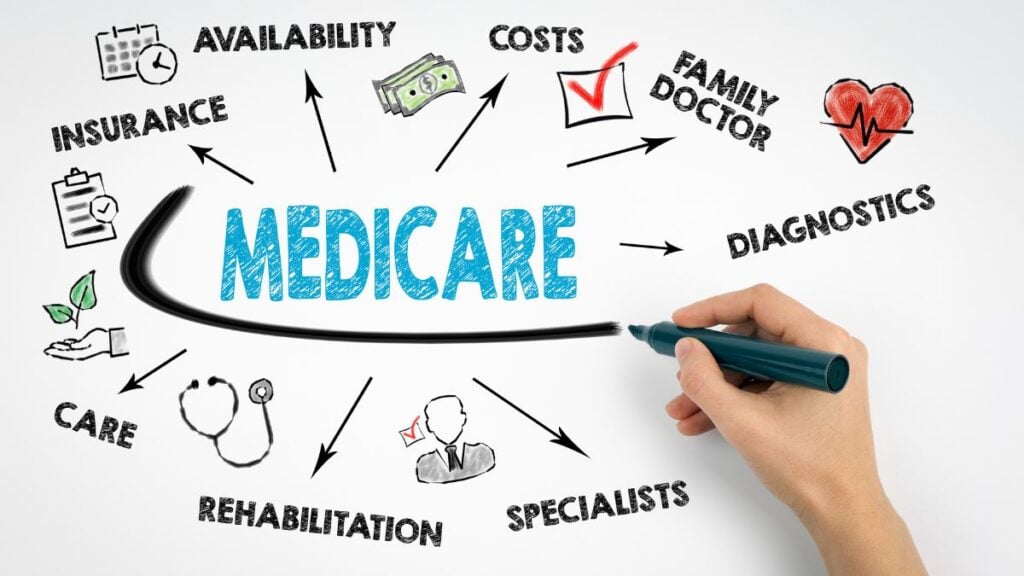
Turning 65 does not mean health care becomes free.
The standard Medicare Part B premium is $202.90 per month in 2026, although higher income beneficiaries can pay more. The annual Part B deductible is $283. Cost sharing can apply after the deductible as well.
What Medicare Can Still Cost You in 2026
| Expense | What to expect |
|---|---|
| Standard Part B premium | $202.90 monthly |
| Part B deductible | $283 yearly |
| Some Part B services | Coinsurance may apply |
| Dental care | Most routine care not covered by Original Medicare |
| Hearing aids | Not covered by Original Medicare |
| Routine eye exams | Generally not covered |
| Most long term care | Not covered |
Sources: Medicare.gov.
Your costs will depend on whether you use Original Medicare, Medicare Advantage, Medigap, Part D, employer coverage, or other insurance.
Budget for the coverage you actually expect to use, rather than assuming Medicare handles every bill.
6. Dental, Vision, and Hearing Bills Do Not Vanish at 65

Some of the expenses people associate most strongly with getting older sit outside standard Original Medicare coverage.
Original Medicare generally does not cover routine dental care, routine eye exams for glasses, or hearing aids and their fitting exams. Medicare Advantage plans may offer some additional benefits, but coverage varies by plan.
That makes a separate health expense category useful.
Budget for possible:
- Dental work
- Eyeglasses
- Eye exams
- Hearing aids
- Hearing aid batteries or accessories
Small monthly health budgets can prevent a large dental or hearing bill from becoming an emergency withdrawal.
7. Medicare Does Not Pay for Most Long Term Care
This is one of the most expensive Medicare misunderstandings.
Medicare states plainly that it does not pay for most long term care, also called custodial care. That can include ongoing help with bathing, dressing, eating, transportation, or other everyday activities.
Medicare may cover qualifying short term skilled care under specific conditions. That is different from years of personal care at home, assisted living support, or custodial nursing home care.
Possible funding sources can include:
- Personal savings
- Certain private insurance
- Medicaid for people who meet state eligibility rules
- Family support
- Home and community programs
The first step is simply recognizing that Medicare and long term care are not the same thing.
8. A Paid Off House Is Still a Monthly Expense

Paying off a mortgage can remove a major bill. It does not make the house free.
Homeowners still face property taxes, homeowners insurance, utilities, repairs, maintenance, replacements, and possibly HOA fees.
Housing remained the largest spending category across U.S. consumer units in the latest 2024 Bureau of Labor Statistics annual expenditure report. Housing spending increased 3.3% from the prior year.
Create a home reserve separate from normal monthly spending.
It can cover things such as:
- HVAC replacement
- Plumbing problems
- Roof work
- Appliances
- Insurance deductibles
- Property tax increases
Being mortgage free is valuable. Being repair free is unlikely.
9. Aging in Place Takes More Planning Than Staying Put
Staying in the same home can preserve familiarity, neighbors, routines, and independence. The home still has to work for the person living there.
AARP research updated in 2026 says 75% of adults age 50 and older want to remain in their current home for life. Yet 47% were only somewhat confident or not confident that their community would continue meeting their needs as they age.
Is Your Home Ready for Aging in Place?
| Area | Question to ask | Possible backup |
|---|---|---|
| Entrance | Are there difficult steps? | Rail, ramp, alternate entrance |
| Bathroom | Is bathing safe and practical? | Grab bars, better lighting |
| Maintenance | Can you manage repairs? | Contractor or maintenance budget |
| Transportation | Can you reach stores and doctors without driving? | Transit, rides, delivery |
| Daily help | Is support available nearby? | Local services, family, paid help |
| Social life | Can you stay connected easily? | Clubs, senior center, community groups |
The Administration for Community Living supports programs that may include transportation, homemaker help, case management, legal services, adult day services, and senior centers. Availability differs by area.
Aging in place works best when there is a plan for the house and the surrounding community.
10. Transportation Can Become a Bigger Issue Than Housing

A beautiful home in the wrong location can slowly become inconvenient.
Think about what happens if one household member drives less, night driving becomes uncomfortable, a car needs a major repair, or a spouse who normally drives is temporarily unavailable.
Before deciding where to spend retirement, check:
- Grocery access
- Pharmacy access
- Medical offices
- Public transportation
- Ride services
- Sidewalks and walkability
- Delivery services
- Distance from family or friends
Local aging programs can sometimes connect older adults with transportation and community services. The federal Eldercare Locator can help identify nearby aging resources.
Location can protect independence just as much as the house itself.
11. Your Retirement Budget Will Have Expensive Uneven Months

A retirement budget can look wonderfully predictable on paper because mortgage payments, Social Security, pensions, and insurance premiums often arrive on a schedule.
Real life is less smooth.
One month might include ordinary groceries and utilities. The next could bring a car repair, dental work, property tax, a new refrigerator, travel, or a large insurance bill.
BLS data show that housing, transportation, food, insurance and pensions, and health care remained major household spending categories in 2024.
Use two budget layers:
- Monthly spending: normal recurring bills.
- Annual reserve: repairs, insurance, travel, gifts, dental care, and replacements.
That prevents every unusual month from looking like a financial emergency.
12. Taxes Can Follow You Into Retirement

Leaving work does not automatically mean leaving taxes behind.
Withdrawals from traditional tax deferred retirement accounts can create taxable income. Required minimum distributions also force many account owners to begin withdrawing money later in retirement.
Under current federal rules, many traditional IRA owners must begin RMDs at age 73. Current law moves the applicable age to 75 for later birth cohorts. Roth IRAs and designated Roth workplace accounts generally do not require lifetime RMDs for the original owner.
Before making a large withdrawal, consider:
- Federal income tax
- State tax rules
- Medicare premium effects
- Other income arriving in the same year
Tax rules can vary by household, account type, and state. A qualified tax professional can review individual situations.
13. Market Losses Feel Different When You Are Taking Withdrawals

A falling investment account is uncomfortable while working. It can feel much more serious when that same account is paying the grocery bill.
Retirees may need to sell investments while prices are down simply because cash is required.
Investor.gov recommends having a plan for how and when retirement assets will be withdrawn and considering diversification, rebalancing, taxes, and which assets are sold.
Useful questions include:
- How much cash will be needed during the next year?
- Which expenses can be postponed?
- Which accounts will fund withdrawals?
- Is the investment mix still appropriate?
This is general financial education, not a recommendation to buy or sell any specific investment.
14. Helping Family Can Quietly Become a Retirement Expense

A retirement budget may be designed for one person or a couple, while the money ends up supporting a much larger family.
Help can begin with one bill and slowly turn into rent assistance, grandchildren’s expenses, recurring loans, or emergency payments.
Generosity is personal. The financial limit should still be clear.
Before giving money, ask:
- Is this a gift or a loan?
- Can the retirement budget afford it?
- Is this likely to become recurring?
- Would helping with time or practical support work instead?
Money given away cannot support future housing, care, repairs, or living expenses.
Helping family should fit inside the retirement plan rather than quietly replacing it.
15. Unlimited Free Time Can Lose Its Shine
The first weeks without alarms, meetings, deadlines, and commuting may feel wonderful.
Then Tuesday can start looking exactly like Thursday.
Federal Reserve research published in 2026 found that some retirees continue working for nonfinancial reasons such as purpose and social connection.
A satisfying retirement often needs structure, even when that structure is flexible.
Try building the week around a few anchors:
- Exercise
- Volunteer work
- Hobbies
- Classes
- Part time work
- Family time
- Regular outings
Freedom feels better when there is something meaningful to do with it.
16. Work Friendships Do Not Always Follow You Home

A workplace quietly provides more social contact than many people realize.
There are conversations before meetings, lunches, messages, shared problems, jokes, and familiar faces. Retirement can remove much of that contact overnight.
The National Institute on Aging lists retirement as one life change that can increase the risk of social isolation for some older adults. It also notes that social isolation and loneliness are linked with poorer physical and mental health outcomes.
Protect social connection deliberately.
That may mean:
- Scheduling lunch instead of saying “we should meet sometime”
- Joining a walking group
- Volunteering
- Taking a class
- Visiting a library or community center
- Maintaining old friendships
Living alone does not automatically mean loneliness, and living with someone does not guarantee connection.
17. One Scam Can Undo Years of Careful Saving

Retirees may spend decades building savings that a scammer tries to steal in a single afternoon.
The FTC reported that adults age 60 and older reported more than $3 billion in fraud losses during 2025. Investment scams, impersonation schemes, romance scams, and other fraud remain major concerns.
A particularly dangerous warning sign is urgency.
Scammers may claim:
- Your bank account is compromised.
- A government agency needs immediate payment.
- Your money must be moved somewhere “safe.”
- A family member needs emergency cash.
- An investment opportunity will disappear today.
The FTC has specifically warned about impersonators persuading older adults to transfer large amounts supposedly to protect their money.
Create one household rule: No urgent financial transfer happens before speaking with a trusted person through a separately verified phone number.
