
These modern Japanese tiny house designs solve the biggest problem of tiny living feeling cramped. It’s a constant battle when your small home feels more like a cluttered box than a peaceful retreat. You try to organize, but the walls still feel like they’re closing in.
This isn’t just a list of pretty pictures. We are giving you 17 specific, actionable designs that maximize small spaces. You will learn the exact layout tricks, multi-use furniture ideas, and clever storage hacks that Japanese design has perfected. Get ready to make your tiny home feel open, calm, and surprisingly big.
Why Japanese Design Is The Perfect Fix For Tiny Living?

Calm, clean, simple. But why is Japanese interior design the fix for tiny homes? It’s not just about looks. It’s a different way of thinking about space.
First, it starts with Ma, which is the idea that space is valuable. It’s not something to fill. This negative space lets a room breathe. It’s the exact opposite of stuffing every corner with things.
Second, the design brings nature inside. Using natural light, simple wood, and plants makes a small room feel connected to the outside world. This helps to maximize small spaces and stops you from feeling boxed in.
Finally, these ideas are proven. People in cities like Tokyo have long mastered small-space living. This isn’t a new trend. It’s a set of smart, tested rules. A modern example is the Muji Hut. It’s simple, high-quality, and uses every one of these ideas to create a peaceful home in a tiny footprint.
#1. Smart Layouts That Create Flow (Designs 1-4)

A good tiny home feels good to walk through. The flow is everything. It all starts with the floor plan. These layouts utilize smart Japanese interior design techniques to create a home that feels organized and spacious.
The Genkan (The Airlock Entry)

The genkan is a small, dropped-floor area right by the front door. This is where you take off your shoes. It’s a simple idea with a big payoff. It creates a clear physical line. Dirt, shoes, and coats stop at the genkan and don’t enter your main living space. This one habit keeps your home cleaner and stops clutter from piling up by the door.
The Open LDK (Living-Dining-Kitchen)

This is the open plan concept you already know: Living, Dining, and Kitchen in one room. The Japanese trick is to define the zones without using walls. You can use a different type of flooring for the kitchen, like tile. The living area might have a small rug or a tatami mat.
A half-wall or a kitchen island also works. This separates the work of the kitchen from the rest of the living room. It keeps the space open but stops it from feeling like one big, confusing room.
Split-Levels (Skipped Floors)

This is one of the best ways to maximize small spaces with high ceilings. Instead of walls, you use height to create rooms. For example, you can build a raised platform for your living area. This room feels separate. And the space underneath the platform becomes a huge, hidden storage area.
Often, this platform also serves as the base for a sleeping loft above. This single structure can serve as a living room, storage space, and a bedroom. It makes the space feel much more dynamic. You can see great examples of this on channels like Never Too Small.
The Engawa (The Indoor-Outdoor Porch)

An engawa is a narrow porch, traditionally made of wood. In a modern tiny home, you create this with large sliding glass doors and a small, simple deck. The deck is built to be the same level as your indoor floor.
When you slide the doors open, the deck and the living room become one large space. This can double your living area in good. It’s a powerful way to connect your tiny home to the outside and make it feel huge.
#2. Multi-Use Furniture That Works 24/7 (Designs 5-9)

In a tiny home, your furniture needs to do more than one job. A bed that’s just a bed is a waste of space. These modern Japanese tiny house designs use furniture that works hard all day. Every piece has a second or third purpose.
Tansu (Modular Storage)

These are traditional Japanese storage chests, but the modern idea is to build them as stairs. Every single step that leads to your loft pulls out as a deep drawer. This is the ultimate two-for-one. You get to your sleeping area, and you store all your clothes in the same footprint.
It’s one of the smartest tiny home ideas 2025. Search Instagram for tansustairs to see just how much stuff they can hold.
The Tatami Room (The Everything Room)

This is the logic behind a tatami room. It’s a simple, flexible space with woven grass mats on the floor. By day, you add a low table and some floor cushions. It’s your living room, dining room, and office.
At night, you put the table away, roll out a futon, and it’s a quiet bedroom. This one room can do the job of three. This flexibility is best for Japanese interior design in a small home.
The Futon (The Disappearing Bed)

Your bed is probably the biggest space-waster in your home. It just sits there all day. The solution is the futon. This isn’t the heavy, metal-frame sofa you had in college. A true Japanese shikibuton is a high-quality, foldable mattress.
It’s comfortable for sleeping. In the morning, you fold it up and put it in a closet. Just like that, you get your entire bedroom floor back. This one change alone can make a tiny home feel twice as big.
Shoji Screens (The Movable Walls)

Drywall is a tiny home’s enemy. It blocks light and makes small rooms feel like boxes. The fix is using shoji screens. These are light, sliding panels made from a wood frame and translucent paper.
You can slide them shut to create a private bedroom or office. But here’s the key: the paper lets soft, natural light pass through. So you get privacy without making the space feel dark and cramped. When you’re done, slide them open to have one big, airy room again.
Hidden Kitchens

A few dirty dishes on the counter can make your whole tiny home feel messy. The solution is a hidden kitchen. This is a key part of modern Japanese interior design. The kitchen is built along one wall. When you’re done cooking, you slide a set of pocket doors or a large, flat panel across the whole thing.
Your sink, stove, and counters all vanish. Your kitchen just looks like a clean, simple wall. This trick is amazing for studio-style tiny homes where your kitchen is also your living room.
#3. Clever Storage That Hides Everything (Designs 10-13)

Your furniture is working hard. Your layout is smart. But where do you put your stuff? The suitcases, the winter coats, the extra bedding.
The secret to a calm tiny home is not just owning less. It’s having a smart, hidden place for everything. These storage ideas are some of the best tiny home ideas 2025 for making clutter vanish.
Kura (Under-Floor Storage)

This is a traditional Japanese idea that feels like a secret passageway. A kura is a hidden storage trunk built right into your floor.
You lift a floor panel, often in a closet or under a tatami mat, and you get deep storage. This is the spot for things you don’t use every day, like seasonal clothes or luggage.
It’s a way to maximize small spaces because it uses the dead area right under your feet. Your stuff is completely out of sight. Go search Pinterest for kura storage to see how clever it is.
The Tokonoma (The One Display Nook)

This idea is less about storage and more about stopping clutter before it starts. Flat surfaces are clutter magnets. Your counter, your shelves, your window sills. We feel the need to fill them.
A tokonoma is the fix. It is one small, recessed nook in a wall. This is the only place you are allowed to put a vase, a picture, or a piece of art. This simple rule is powerful. It gives your eye one calm place to rest. And it keeps all your other surfaces clean.
Full-Height Built-ins

How do you add a massive closet without making your tiny room feel smaller? You make it blend in. Use full-height built-ins. This means your bookshelves, pantry, or closets extend from the floor to the ceiling.
This does two great things. First, there is no dusty, wasted gap on top. Second, it draws your eye upward, which makes the whole room feel taller. If you paint the built-ins the same color as the wall, they almost disappear.
Seamless Kitchen Hardware

This last one is a simple trick that makes a big difference. Look at a normal kitchen. It’s covered in knobs, handles, and pulls. This is visual noise. It makes a small space feel busy and complex.
The fix is seamless hardware. Use flat-panel cabinets with no handles. You can use push-to-open latches or a tiny lip pull hidden on the top or bottom of the door. This makes your kitchen look less like a kitchen and more like simple, clean furniture.
You want the tiny home life with less cleaning, lower bills. But you are worried it will feel cluttered and small. You see pictures of beautiful tiny homes, but you don’t know the specific design tricks that make them work.
This post gives you 17 modern Japanese tiny house designs that are best for 2025. You will learn the exact layout, furniture, and storage tricks they use to maximize small spaces. You’ll see how to create a home that feels open and peaceful, not packed and stressful.
You Can Make Your Tiny Home Feel Huge
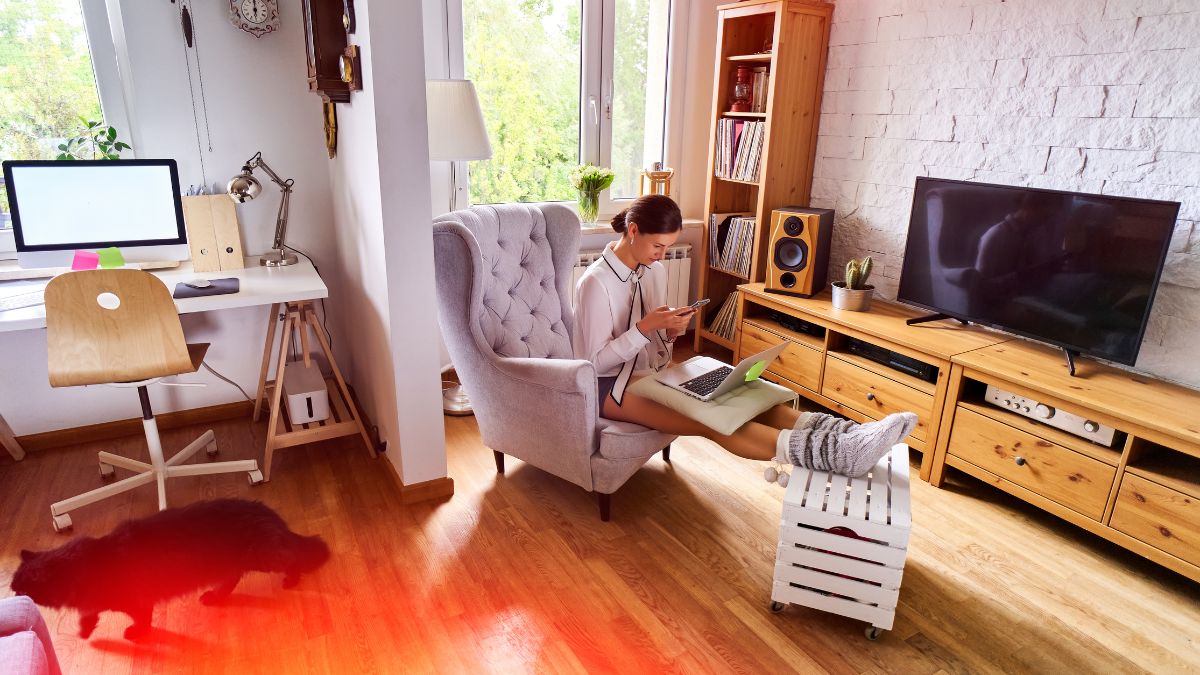
Living in a small space doesn’t have to feel small. As these 17 modern Japanese tiny house designs show, a smart plan changes everything. When you use multi-use furniture, hide your storage, and use natural light, your home will feel open and calm.
It will feel much bigger than it really is. What’s the one Japanese design idea you want to try in your home? Share your favorite in the comments below.
