Retirement can feel unstructured once the calendar stops being built around work. Days blur, movement drops, spending gets less predictable, and social plans that once happened automatically may need more effort.
None of those shifts means retirement is going badly, but habits can quietly decide whether freedom feels satisfying or flat. The boomers who seem to thrive often protect a few routines: they move, stay connected, keep learning, watch their money, and make independence easier to maintain.
These 17 post retirement habits show how to build that kind of steady, enjoyable life without turning retirement into another full time job.
1. They Give Their Week a Loose Shape

A completely empty calendar can sound wonderful during the final years of work. After retirement, though, too much unstructured time can make Monday feel almost identical to Thursday.
Thriving retirees often create a few recurring anchors rather than scheduling every hour. Monday might be grocery day, Wednesday might include a morning walk with a neighbor, and Friday might be reserved for lunch out or a hobby group.
The goal is rhythm, not busyness. A routine makes it easier to remember errands, stay active, see people regularly, and avoid putting everything off until tomorrow.
NIA encourages older adults to participate in meaningful activities they enjoy, including hobbies, classes, volunteer work, and time with other people.
A good week still needs blank spaces. Retirement should give you more control over your time, not replace one crowded calendar with another.
2. They Move Before Exercise Becomes a Big Production
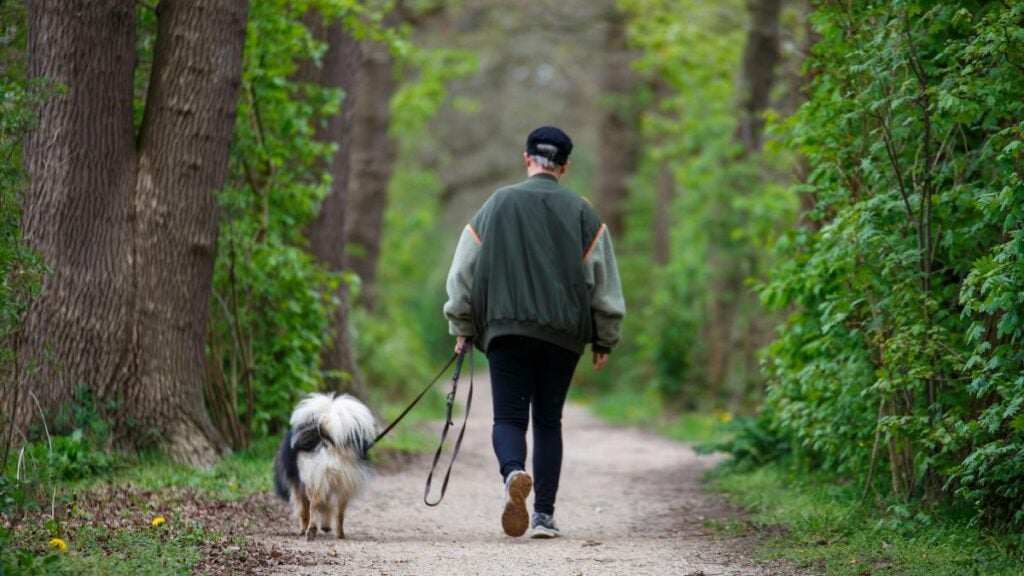
A healthy retirement does not require spending every morning in a gym. Walking the dog, working in the garden, doing household jobs, walking through a store, and taking the stairs can all add movement to an ordinary day.
NIA says physical activity can support physical function and make everyday tasks easier. Its guidance notes that household activities and other forms of movement can contribute to recommended weekly activity.
Older adults are generally encouraged to work toward at least 150 minutes of moderate aerobic activity each week when their health and abilities allow it.
The useful habit is making movement normal. A ten minute walk after breakfast is easier to repeat than waiting for the perfect time, weather, motivation, or exercise plan.
If a health condition affects what you can safely do, ask your health care professional what level and type of activity fits your situation.
3. They Protect Strength and Balance

Walking is excellent, but retirement fitness should not end there. Strength and balance matter because daily independence often depends on standing up comfortably, carrying groceries, using stairs, reaching shelves, and moving around confidently.
NIA recommends a mix of aerobic, muscle strengthening, and balance activities for older adults. Physical activity can support strength and physical function and may help lower fall risk.
That does not automatically mean heavy weights. Depending on ability, strength work might include resistance bands, machines, body weight movements, or exercises recommended by a qualified professional.
Balance practice can also be added gradually. The right choice depends on health, mobility, and current fitness.
The larger habit is simple: do not train only for appearance. Train for the ordinary things you want to keep doing for yourself.
4. They Put Social Contact on the Calendar
Work quietly provides more social contact than people sometimes realize. There are coworkers, customers, meetings, lunch conversations, and people saying hello without anyone having to arrange it.
Retirement can remove much of that in a single week.
NIA identifies retirement itself as one life change that can increase the risk of social isolation for some people. Social isolation and loneliness have also been associated with poorer physical, mental, and cognitive health.
That makes regular contact worth planning. It might mean Sunday dinner, a Tuesday walking group, a monthly breakfast, volunteering, a class, or a standing phone call.
Living alone does not automatically mean being lonely. NIA makes an important distinction between being alone and lacking meaningful social connection.
The aim is connection that actually feels useful and enjoyable.
A Simple Weekly Retirement Rhythm
| Part of Life | Possible Weekly Anchor | Keep It Simple |
|---|---|---|
| Movement | Walk most mornings | Start with a manageable route |
| Strength | Two planned sessions | Use equipment that fits your ability |
| Social life | One lunch, call, or group | Put it on the calendar |
| Errands | One or two regular days | Combine nearby stops |
| Hobby | Two protected blocks | Treat it like a real appointment |
| Quiet time | Several open periods | Do not schedule every hour |
This is an example, not a rule. A satisfying retirement schedule should fit your energy, finances, interests, family responsibilities, and health.
5. They Keep One Role That Makes Them Feel Useful

A job provides more than income. It may also provide responsibility, deadlines, people who need your help, and proof that your experience still has practical value.
That can disappear quickly after retirement.
A small useful role can replace part of that feeling without recreating a full workweek. It could involve mentoring, volunteering at a food pantry, helping a community organization, tutoring, maintaining a neighborhood garden, or assisting a local club.
AmeriCorps Seniors RSVP connects adults age 55 and older with volunteer opportunities. Commitments can range from a few hours to as much as 40 hours a week, depending on the opportunity.
NIA also points to meaningful activities and volunteering as ways to support social connection and a sense of purpose.
The best role leaves room for retirement while giving part of the week a reason to matter.
6. They Keep Learning Things They Cannot Already Do

Retirement can become very comfortable. The same restaurants, television shows, errands, conversations, and routines can fill months surprisingly fast.
Adding something unfamiliar keeps part of life moving forward.
NIA says older adults can continue learning new skills, creating new memories, and improving abilities. It also points to activities such as classes and socially engaging hobbies as ways to keep the mind active.
The subject does not need to sound impressive. Learn smartphone photography. Take a cooking class. Study family history software. Try watercolor painting. Learn basic Spanish before a trip. Figure out how to repair something instead of replacing it.
The useful part is being a beginner again.
Progress also gives a week something retirement sometimes lacks: a small challenge with a visible result.
7. They Eat for Energy Instead of Chasing Perfect Diets

Food habits can become surprisingly loose after retirement. There may be fewer fixed meal times, more restaurant lunches, more snacks at home, or less motivation to cook for one or two people.
A complicated diet is rarely the only answer.
NIA recommends eating a variety of foods and including fruits, vegetables, grains, protein foods, and dairy or suitable alternatives. Its healthy meal planning guidance also highlights getting enough protein and drinking water throughout the day.
USDA guidance for older adults similarly stresses nutrient rich foods, hydration, and attention to nutrients that can become harder to get from an inconsistent diet.
A practical retirement habit is keeping several easy meals available at home. Frozen vegetables, eggs, yogurt, beans, canned fish, fruit, whole grains, and other simple staples can reduce the temptation to make every meal a project.
Individual nutrition needs vary, especially when medical conditions or medications are involved.
8. They Take Sleep Seriously
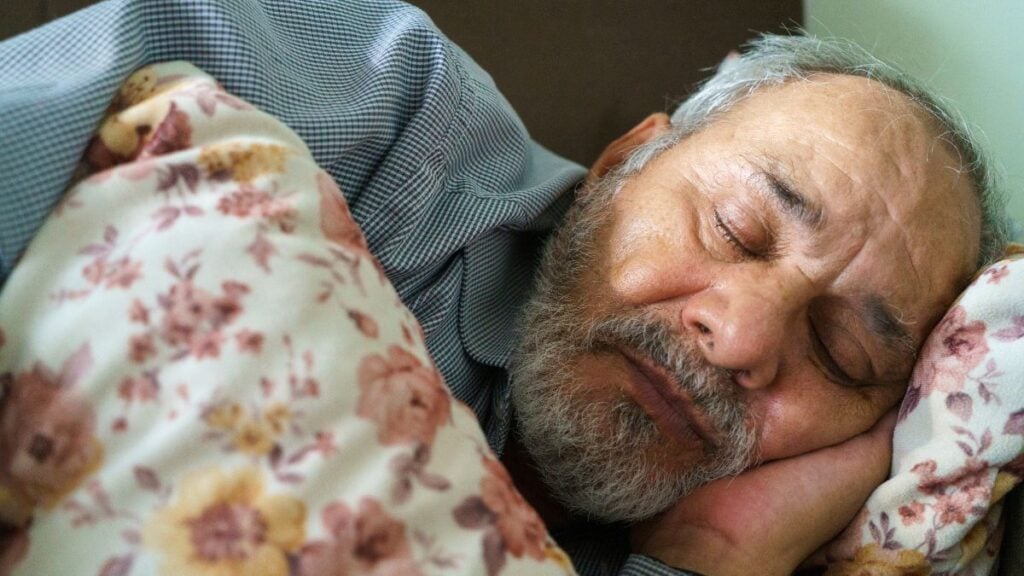
Sleeping badly should not automatically be dismissed as part of getting older.
NIA says older adults generally need about seven to nine hours of sleep each night, roughly the same amount recommended for other adults. Sleep may become lighter or more interrupted with age, but persistent problems deserve attention.
A regular bedtime and wake time can help. NIA also suggests limiting late caffeine, avoiding large meals near bedtime, staying physically active, and keeping televisions, phones, and other screens out of the bedroom when possible.
Retirement makes it tempting to let bedtime drift later and mornings stretch longer. That works for some people, but an irregular routine can leave the entire day feeling slow.
If sleep problems continue or daytime sleepiness becomes common, it is worth discussing them with a health care professional.
Healthy Aging Habits at a Glance
| Habit | Simple Starting Point | Useful Resource |
|---|---|---|
| Aerobic movement | Add regular walks | National Institute on Aging |
| Strength | Schedule two weekly sessions if appropriate | NIA exercise guidance |
| Social contact | Create one recurring plan | NIA social connection guidance |
| Learning | Pick one skill for the next 8 weeks | NIA cognitive health resources |
| Food | Build several easy balanced meals | NIA and USDA MyPlate |
| Sleep | Keep a consistent wake time | NIA sleep guidance |
The best starting point is usually the habit that feels easiest to repeat.
9. They Look at Their Money on a Schedule
Retirement finances can become stressful when every market move, unexpected bill, or large purchase triggers a fresh worry.
A regular money routine can make finances feel more concrete.
The Consumer Financial Protection Bureau provides tools including a spending tracker, income and benefits tracker, savings plan, and bill calendar. Its bill calendar is designed to show what is due and when, helping households see how expenses line up through the month.
A simple monthly review can include checking account balances, upcoming bills, credit card activity, unusual charges, cash withdrawals, and expenses that occur only a few times a year.
If you receive Social Security, a personal my Social Security account also provides access to your records and benefit information. SSA maintains retirement calculators and benefit tools as well.
This is general financial organization, not personal investment advice. Larger retirement income, tax, estate, or investment decisions may require appropriate professional advice.
10. They Make Scams Harder to Pull Off
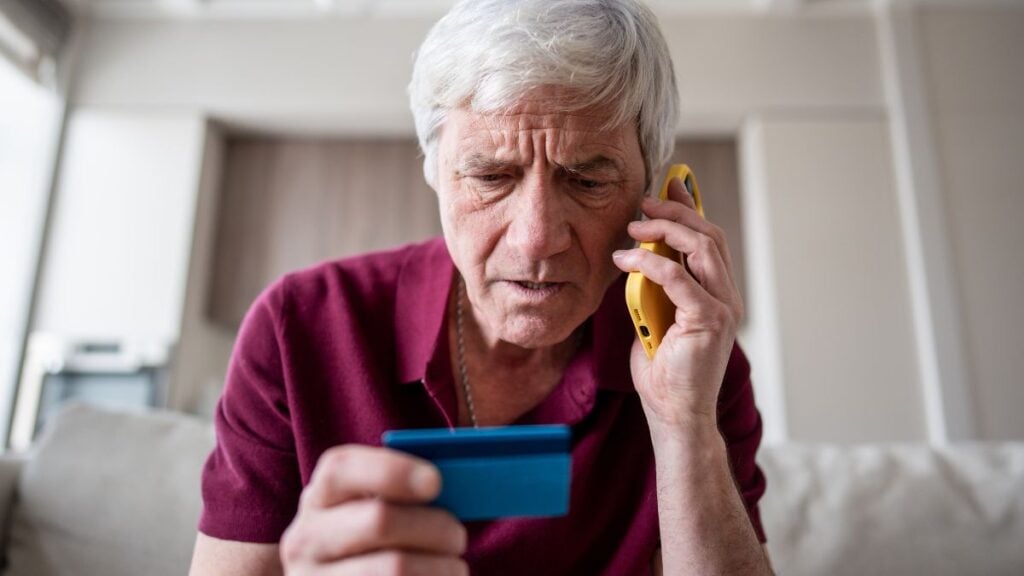
A strong scam defense is mostly about what happens before a suspicious message arrives.
Create rules while you are calm. Do not send money because someone creates artificial urgency. Do not use a phone number or website supplied in a suspicious message to verify the same message. Contact the company, bank, government office, or family member through a number you already trust.
The CFPB recommends planning ahead to protect against fraud and financial exploitation. Its resources include guidance on trusted contacts and working with banks or credit unions to add protection.
The CFPB and FDIC also maintain the Money Smart for Older Adults program, which focuses on recognizing, preventing, and reporting scams and financial exploitation.
Account alerts can add another layer of awareness. So can having one trusted person you are comfortable calling before making an unusual payment.
The goal is not fear. It is creating enough friction to prevent a rushed decision.
11. They Make Their Home Easier Before Changes Become Urgent

Aging in place works better when the home changes gradually with the people living in it.
Small improvements can be useful long before anyone considers them a safety modification. Better lighting makes reading labels easier. Repairing loose flooring removes an annoyance. Frequently used items placed within comfortable reach reduce bending and climbing.
NIA’s home safety checklist recommends reviewing issues such as repairs, lighting, floors, and stairs. It also suggests reevaluating the home as needs change.
Start with the places used every day: the path from the bedroom to bathroom, kitchen work areas, entry steps, laundry area, and main living space.
This does not mean redesigning a home around assumptions about aging.
It means asking a better question: What change would make this house easier to use now and still useful later?
12. They Have a Transportation Plan B
Keeping a driver’s license can be important to independence, especially in communities with limited public transportation.
Age alone, however, should not determine whether someone can drive safely. NHTSA specifically says driving decisions should be based on ability and driving fitness rather than age alone.
A useful retirement habit is learning the alternatives before they become necessary.
That could include testing a local bus route, learning how a rideshare service works, finding community shuttles, asking about transportation at a senior center, or identifying which errands could be handled by delivery.
NHTSA recommends developing an alternative transportation plan and notes that local Area Agencies on Aging may know about services in the community.
The Eldercare Locator can also connect older adults and families with local aging services.
Having options means that driving less someday does not automatically mean doing less.
Independence Checks Worth Doing Early
| Area | Question to Ask | Practical Action |
|---|---|---|
| Money | Do I know what leaves my accounts each month? | Review bills and statements |
| Fraud | Who could I call before an unusual payment? | Choose a trusted contact |
| Home | What is difficult or annoying to use? | Fix small problems gradually |
| Transportation | Could I get around without my car for one week? | Test one alternative |
| Records | Could someone find key information if needed? | Organize important documents |
Doing these things early gives you more choices and more control.
13. They Use Preventive Care Before Something Feels Wrong

Health care often gets attention only after something hurts. Retirement gives people a chance to make prevention part of the calendar instead.
For people with Medicare Part B who qualify, Medicare covers a yearly Wellness visit once every 12 months. The visit is designed to create or update a personalized prevention plan. It is different from a routine physical exam.
The visit can include routine measurements, a prescription review, health risk questions, a cognitive assessment, and a written plan showing relevant screenings, vaccines, and other preventive services.
Medicare says there is no cost for the Wellness visit when the provider accepts assignment, although additional services performed during the same appointment may create costs depending on coverage.
Keeping an updated medication list and writing down questions before appointments can make routine care easier to manage.
Coverage and individual medical needs vary, so personal recommendations should come from the appropriate health professional.
14. They Protect Hobbies From Becoming Leftovers
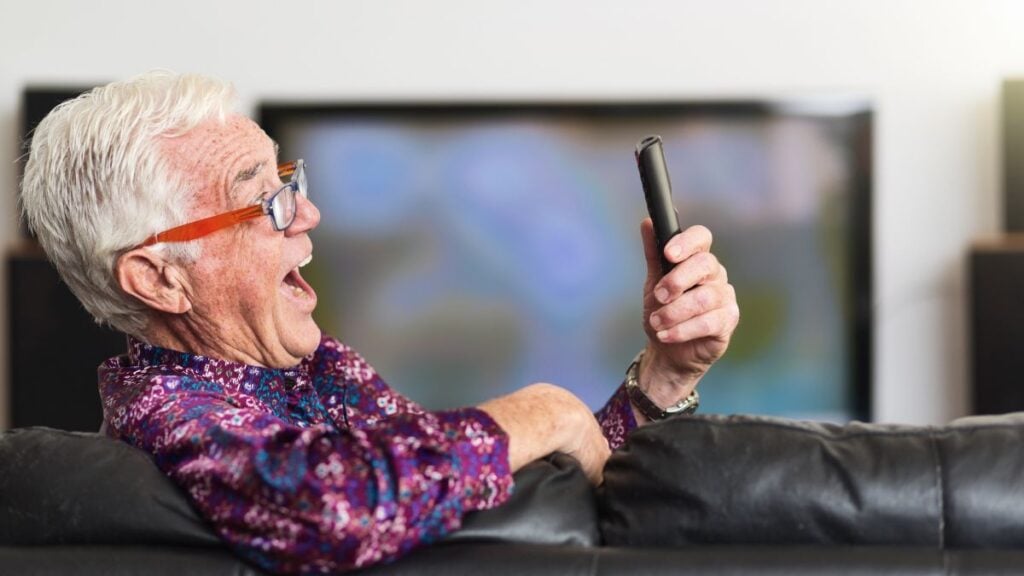
A hobby can easily become something a retiree plans to do “when there is time.”
Retirement supposedly creates that time, yet household tasks, appointments, family requests, television, phones, and errands can consume it anyway.
Thriving retirees often protect at least one activity simply because they enjoy becoming better at it.
NIA says meaningful and enjoyable activities such as art classes, clubs, hobbies, and volunteering may support well being and independence while providing opportunities for social connection and purpose.
The activity does not need to generate money or impress anyone.
Gardening counts. Woodworking counts. Fishing, birding, sewing, photography, restoring an old car, playing an instrument, reading history, or cooking difficult recipes can all give free time some direction.
Retirement becomes richer when enjoyment is treated as something worth scheduling rather than something squeezed around obligations.
15. They Put Small Pleasures on the Calendar

A retirement filled entirely with major vacations is unrealistic for most households. Waiting for expensive events can also leave large stretches of ordinary life feeling empty.
Small plans matter because they happen more often.
A museum morning, picnic, drive through a nearby town, matinee, lunch with a friend, library event, local trail, grandchild’s game, gardening project, or afternoon at a favorite coffee shop can give the week a pleasant focal point.
These plans do not need to cost much. In fact, repeating inexpensive activities can make them easier to keep.
The trick is putting them on the calendar before the month fills with maintenance, errands, appointments, and other people’s requests.
A satisfying retirement lifestyle is often built from ordinary Tuesdays and Thursdays rather than one expensive week each year.
16. They Do Not Fill Every Free Hour
Retirement can create a new problem: other people suddenly assume you are always available.
Family needs help. Organizations want volunteers. Friends want favors. Home projects multiply. A retiree who spent decades waiting for free time can end up with very little of it.
Being useful is good. Being constantly booked is different.
A healthier pattern is deciding which responsibilities deserve a regular place in the week and which ones can remain occasional.
Leave some mornings open. Protect a quiet afternoon. Decline commitments that repeatedly create resentment or exhaustion.
This matters especially for people who enjoy helping others, because useful work can expand until it resembles the job they retired from.
Retirement offers something employment often cannot: more choice over time. That choice has value only when some of the time remains your own.
17. They Recheck What Retirement Looks Like Every Year

The retirement that worked at 66 may not fit as well at 72 or 79.
Housing expenses change. Friends move. Travel becomes more or less appealing. A spouse may retire. Grandchildren grow up. Transportation options change. Insurance and health needs may shift. Hobbies that once filled a week may lose their appeal.
A yearly retirement review makes those changes easier to spot.
Look at actual spending rather than the budget you expected to have years ago. The CFPB offers spending and bill tracking tools that can help organize that review.
Review the home for repairs and usability. Check transportation options. Update important contact information. Look at the coming year’s appointments, trips, family commitments, and projects.
For Social Security records and benefit information, SSA’s online tools remain a useful official starting point.
The purpose is not to repeatedly redesign retirement. It is to notice when life has changed before old routines become expensive, frustrating, or limiting.
The Annual Retirement Reset
| Area | Ask Yourself | Possible Next Step |
|---|---|---|
| Money | Does my real spending match my plan? | Review several months of statements |
| Home | Is anything getting harder to use? | Make one practical improvement |
| Health | Are preventive visits and medication lists current? | Schedule needed appointments |
| Transport | Do my current options still work? | Test a backup |
| Social life | Am I seeing the people I care about enough? | Create recurring plans |
| Purpose | Do I have something that needs my skills? | Volunteer, mentor, teach, help |
| Learning | What have I learned recently? | Pick one new skill |
| Enjoyment | What am I genuinely looking forward to? | Put several small plans on the calendar |

Jake is a chainsaws expert with a wealth of knowledge and experience in the field. He is a licensed professional by the National Chainsaw Program, which attests to his skills and expertise in the safe and efficient use of chainsaws.