Retirement can leave you with more free hours but fewer built-in reasons to get moving, meet people, or learn something.
Without a plan, those empty hours can become expensive too, especially when entertainment, shopping, and eating out become the default. The right hobbies for seniors can change that pattern.
Some keep you active, some build friendships, and others sharpen useful skills. A few may even cut household costs or bring in occasional income. The goal is not to turn retirement into another job. It is to find enjoyable activities that add purpose, protect your budget, and make weeks feel richer.
A rewarding hobby does more than fill an empty afternoon. It can give you a reason to leave the house, practice a skill, finish a project, meet people, or simply look forward to tomorrow.
The National Institute on Aging says meaningful social and productive activities may support well-being and independence as people grow older. Activities such as gardening, art, music, volunteering, hiking, and learning new skills can all help keep retirement engaging.
| What You Want | Hobbies to Consider | Main Benefit |
|---|---|---|
| More movement | Walking, dancing, pickleball, gardening | Helps you stay active |
| More social contact | Volunteering, book clubs, choir | Creates regular connection |
| More mental challenge | Genealogy, photography, writing | Encourages learning |
| More budget value | Cooking, sewing, gardening | May replace some spending |
1. Gardening
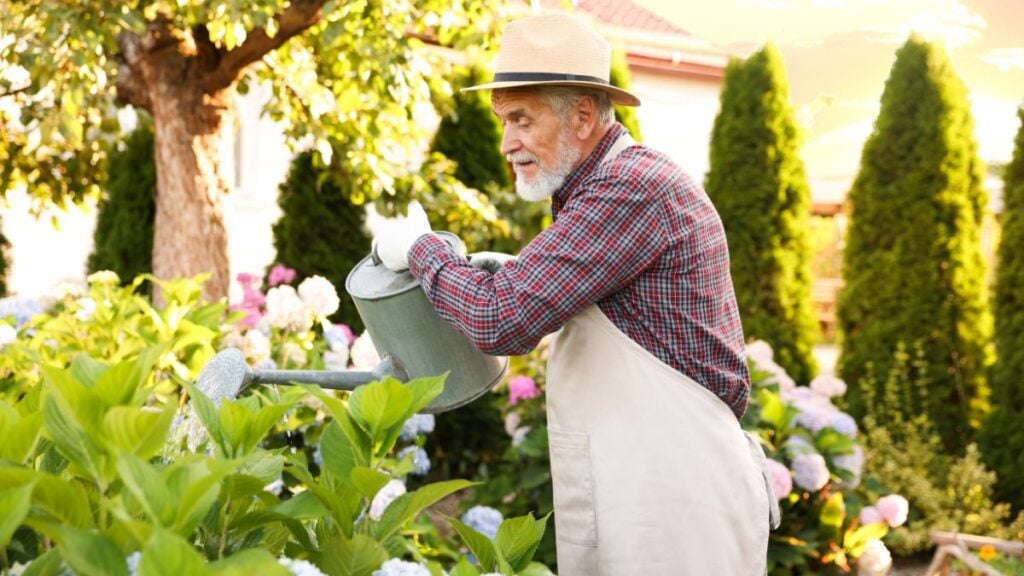
Gardening gives you something useful to do throughout the growing season. There is always another plant to water, bed to tidy, vegetable to harvest, or small problem to solve.
It may also provide herbs, vegetables, or fruit for your kitchen. How much you save depends on your climate, growing conditions, equipment costs, and what you plant, so a garden should never be treated as guaranteed grocery savings.
Keep your first season simple. A few containers with tomatoes, herbs, peppers, or lettuce can teach you more than buying expensive raised beds and dozens of tools before you know whether you enjoy gardening.
People who want to learn more can check their state’s Cooperative Extension service. Extension Master Gardener programs operate across the United States and often provide gardening education and local resources.
2. Cooking and Baking

Cooking can become much more interesting once it stops feeling like another household chore.
You might learn bread making, regional dishes, soups, barbecue, desserts, freezer meals, or recipes connected to places you have visited. Having a new technique to practice gives the hobby a clear purpose.
There can also be a budget benefit when home cooking replaces meals you would otherwise buy. That advantage disappears quickly, however, if every new recipe requires another appliance or cupboard full of specialty ingredients.
Start with the equipment you already own. Choose one cooking theme each month and get good at a few dishes before moving on.
3. Sewing, Mending and Quilting
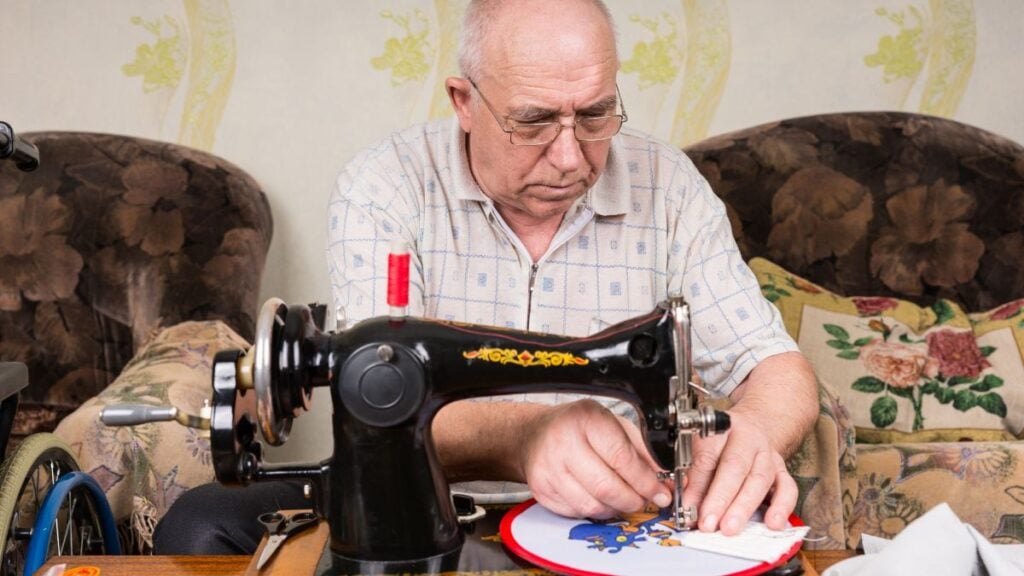
Basic sewing can keep clothing and household fabrics usable longer.
Replacing a button, repairing a seam, shortening trousers, fixing curtains, or patching a tear may prevent an unnecessary purchase. More experienced hobbyists can move into quilting, embroidery, alterations, or handmade gifts.
Sewing also provides a genuine learning challenge. Research discussed by the National Institute on Aging has looked at demanding new skills such as quilting and digital photography and their relationship with memory in older adults.
You do not need an expensive sewing machine to begin. A basic repair kit is enough for the first few projects.
4. Woodworking and Simple Home Projects
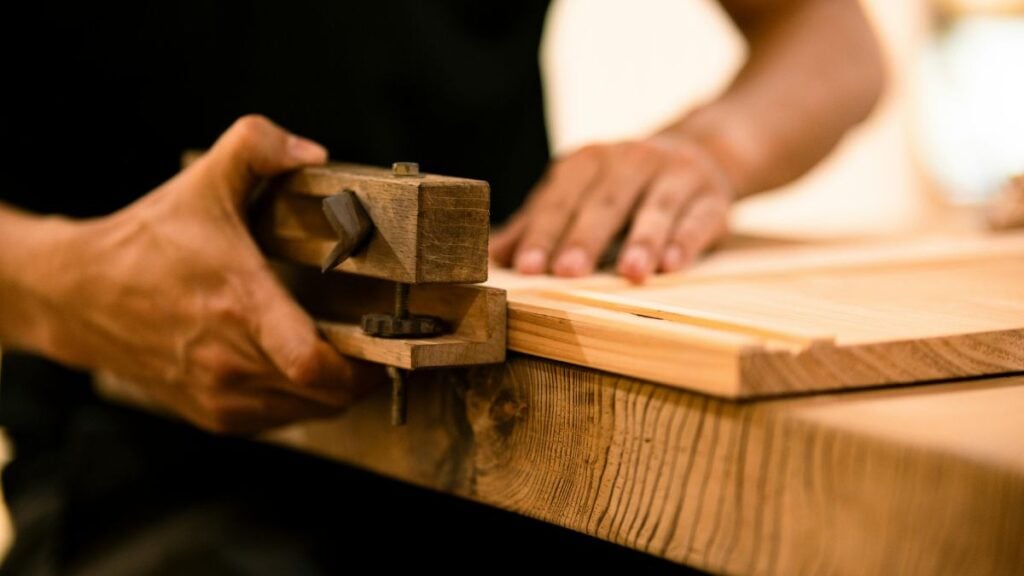
Woodworking can start with something as small as sanding an old stool or making a simple birdhouse.
Over time, you might build shelves, planters, storage boxes, small pieces of furniture, or useful gifts. Learning basic repair skills may also help you keep household items in service longer.
Tool costs can rise quickly, so borrowing, renting, or buying used equipment can make sense while you are learning.
Keep safety ahead of savings. Electrical, structural, roofing, gas, and other specialized work may require professional training and should not become do-it-yourself projects simply to reduce a bill.
| Hobby | Easy Way to Start | Possible Financial Benefit | Watch Out For |
|---|---|---|---|
| Gardening | Containers and a few plants | Some homegrown food | Overspending on equipment |
| Cooking | Use current cookware | Fewer purchased meals | Specialty gadgets |
| Sewing | Start with simple repairs | Longer clothing life | Buying a costly machine too soon |
| Woodworking | Try a small project | Repairing or making items | Tool costs and unsafe work |
5. Arts and Crafts

Painting, pottery, crochet, knitting, jewelry making, card making, and similar hobbies can give you hours of focused creative time.
The finished objects can become gifts, decorations, or occasionally products to sell. Local craft fairs, community markets, consignment stores, and online marketplaces can provide ways to test demand.
Avoid turning one enjoyable afternoon into a large inventory purchase.
Make a few items first. Calculate the real cost of materials, packaging, fees, travel, and your time before assuming selling will make the hobby profitable.
6. Photography
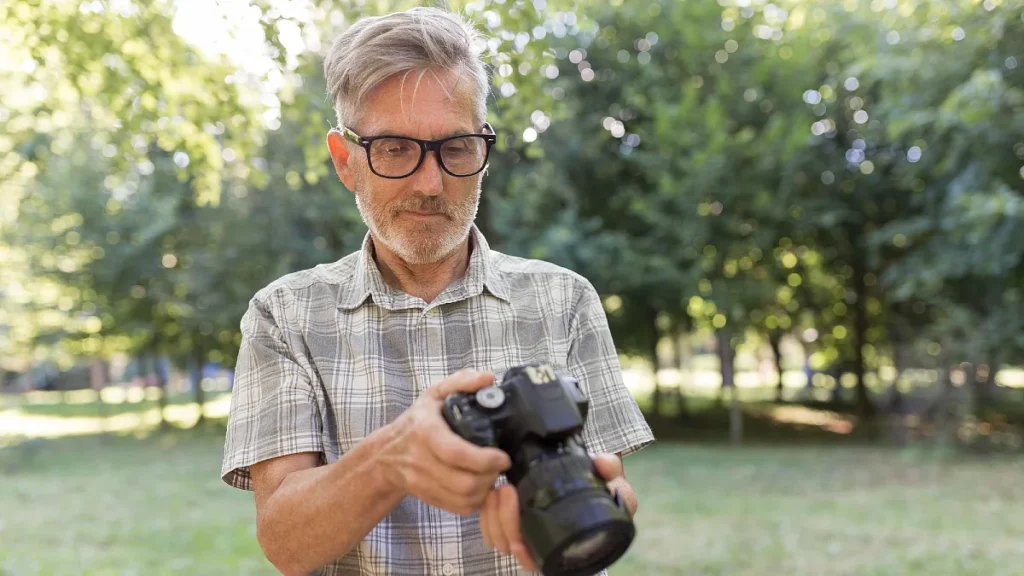
Photography gives ordinary outings a purpose.
A walk through your neighborhood feels different when you are searching for interesting buildings, flowers, wildlife, shadows, people, or changing seasons.
You also do not need a professional camera to begin. A smartphone is enough to learn composition, framing, light, and basic editing.
Photography may eventually lead to portrait work, prints, local business projects, or event photography. Start by developing skill before investing heavily in cameras and lenses.
7. Writing and Blogging

Retirement can provide something working life often limits: uninterrupted time to think and write.
You might record family stories, write fiction, document local history, create essays, start a newsletter, or build a blog around something you know well.
Writing income can be unpredictable, so it makes little sense to buy expensive courses because someone promises quick passive income.
Start by writing regularly. Libraries, local writing groups, and free publishing tools can provide enough support to see whether this is a hobby you want to keep.
8. Reselling and Collecting

People who already understand books, furniture, records, antiques, tools, clothing, or collectibles may enjoy buying and reselling items.
The safest place to begin is usually your own home. Selling things you no longer need teaches you how photographs, pricing, listings, packing, shipping, and buyer communication work without requiring new inventory.
Be careful when judging value from online listings. Sellers can ask any price they want. Completed sales give a better picture of what buyers actually pay.
When selling online, use the marketplace’s normal payment system whenever possible. Moving transactions outside the platform can remove important buyer or seller protections.
9. Teaching a Skill or Musical Instrument

Years of experience can become an enjoyable retirement hobby when you start sharing what you know.
Someone might teach piano, sewing, cooking, photography, chess, spreadsheets, woodworking, a language, or another skill developed over many years.
You can begin informally with friends, neighbors, grandchildren, or a community group. If you enjoy teaching, paid lessons may become an option later.
The money should come after the interest. Teach one person first before buying new equipment, renting space, or creating a full business around the idea.
| Creative Hobby | Possible Money Angle | Sensible First Step |
|---|---|---|
| Arts and crafts | Local or online sales | Make a few items first |
| Photography | Portraits or prints | Learn with equipment you own |
| Writing | Articles, books or newsletters | Build a regular writing habit |
| Reselling | Selling useful or collectible items | Start with your own possessions |
| Teaching | Private lessons or small classes | Teach one person first |
10. Volunteering
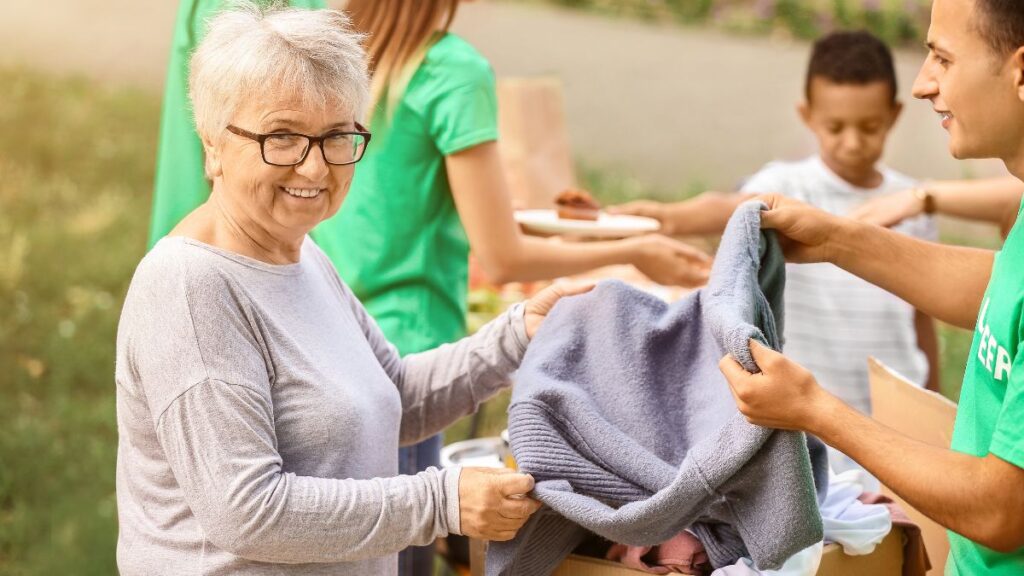
Volunteering gives retirement time a clear purpose because someone else benefits when you show up.
You might help at a food pantry, library, school, museum, animal shelter, hospital, park, community center, or nonprofit group.
The National Institute on Aging includes volunteering among meaningful activities that may support well-being and social connection in later life.
AmeriCorps Seniors RSVP is another option for Americans age 55 and older. It connects volunteers with local organizations and offers opportunities with different levels of time commitment.
11. Book Clubs and Library Groups

Reading becomes more social when you know other people will be discussing the same book next week.
A book club creates a regular appointment and may introduce you to subjects or authors you would never choose on your own.
Libraries are especially useful because many offer book discussions, lectures, technology help, workshops, hobby groups, and community events at little or no cost.
You do not need to join a serious literature group. Mystery novels, biographies, history, travel, cookbooks, or films can all support lively group discussions.
12. Genealogy
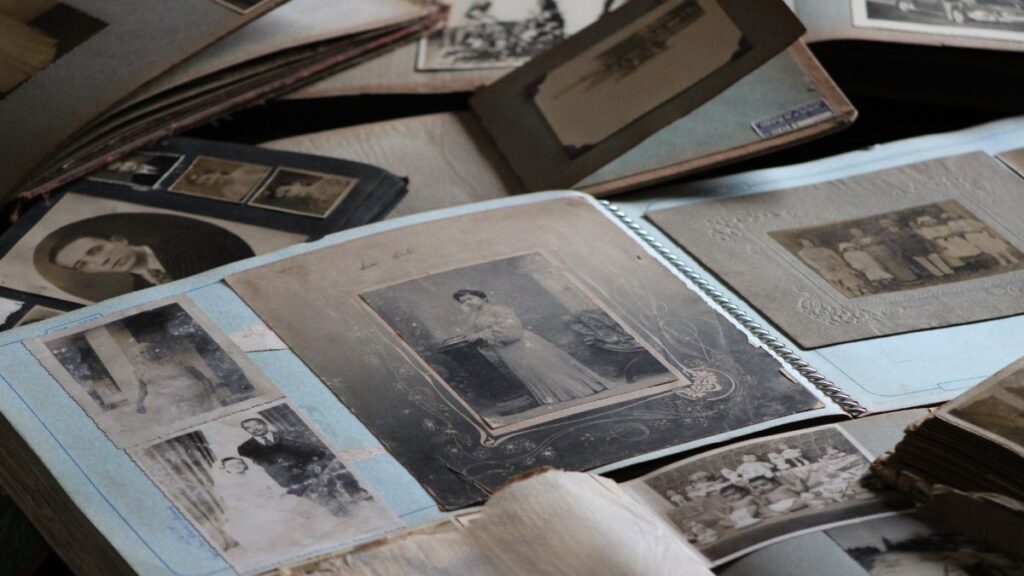
Genealogy can turn old photographs, family names, letters, and half-remembered stories into a long-term research project.
You can explore birth records, military documents, historical newspapers, maps, cemeteries, immigration records, and interviews with relatives.
The Library of Congress provides genealogy research resources along with access to many digitized photographs, newspapers, maps, manuscripts, and family history materials.
The financial return may be nothing. Preserving family information that might otherwise disappear can still make the hobby deeply rewarding.
13. Tutoring and Mentoring

Retirement does not erase the skills built during decades of work and life.
Tutoring or mentoring can put that knowledge to use. Reading, mathematics, writing, business skills, computer basics, languages, trades, and job preparation are all areas where experience can help another person.
Schools, libraries, community organizations, and nonprofit groups may offer structured opportunities.
Paid tutoring is also possible in some subjects, but it makes sense to begin with the teaching itself and see whether you enjoy regular sessions.
14. Choir, Community Theater or Music Groups
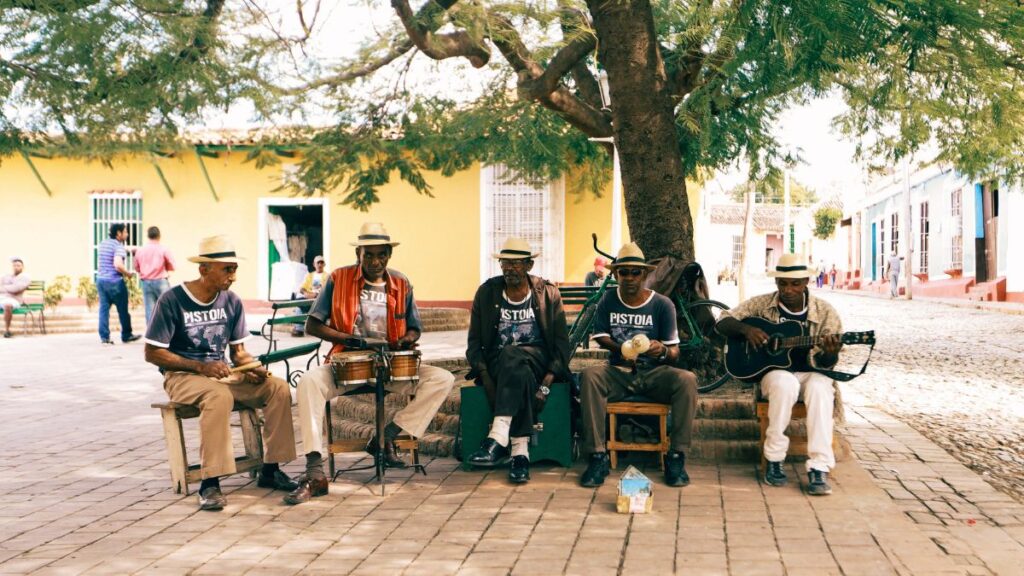
Music and theater can turn a hobby into a regular social commitment.
Community choirs, bands, orchestras, theater groups, and informal music circles usually have rehearsals, projects, and performances that give your week more structure.
You do not always need professional training.
If performing is not appealing, local groups may still need help with costumes, scenery, tickets, lighting, promotion, or front-of-house duties.
15. Walking and Hiking
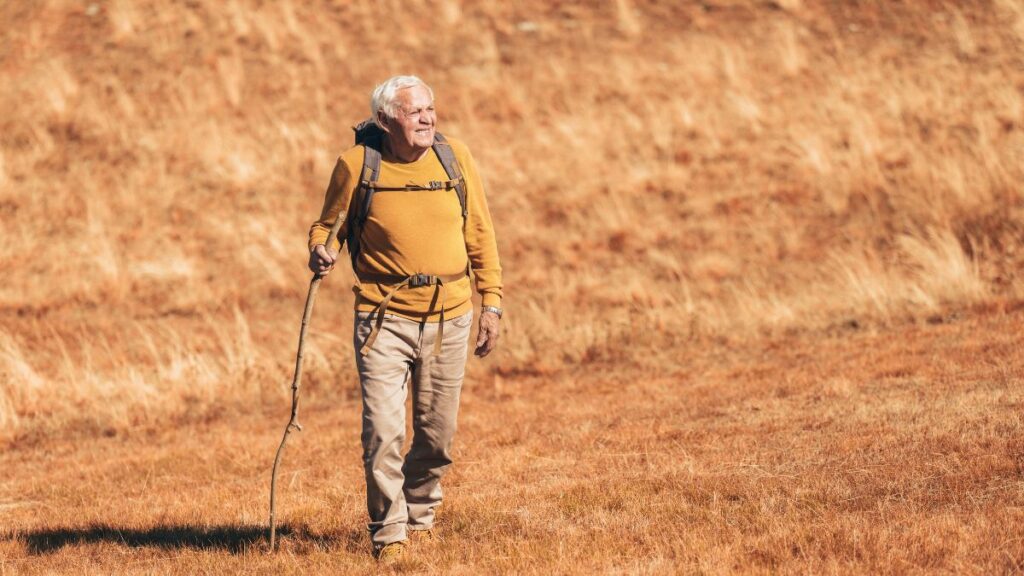
Walking is one of the simplest retirement hobbies because it requires very little equipment.
A short neighborhood walk can become a routine. Later, you might explore parks, historic districts, gardens, trails, waterfronts, or walking groups.
CDC guidance for adults age 65 and older recommends at least 150 minutes of moderate aerobic activity per week, plus muscle strengthening and balance activity.
U.S. citizens and permanent residents age 62 and older can also consider the America the Beautiful Senior Pass for federal recreation sites. In 2026, the National Park Service lists the annual Senior Pass at $20 and the lifetime version at $80.
16. Birdwatching

Birdwatching gives a normal walk a mission.
Instead of simply walking around the park, you are listening for calls, checking trees, watching a pond, or recording which species visit your yard.
You do not need expensive equipment to start. Your eyes and ears are enough for the first outings, while a basic pair of binoculars can be added later.
Local parks, wildlife refuges, nature centers, and bird clubs may also offer group outings. Photography can become a natural second hobby if your interest grows.
17. Pickleball

Pickleball combines physical activity, skill, competition, and social interaction.
Many recreation centers and public parks now offer courts or beginner sessions, which can make it easier to learn without organizing a group yourself.
Try a few sessions before buying premium paddles, shoes, bags, and other accessories.
Anyone returning to vigorous exercise after a long break, or managing a condition that affects safe activity, should discuss an appropriate activity level with a qualified health professional.
18. Dancing
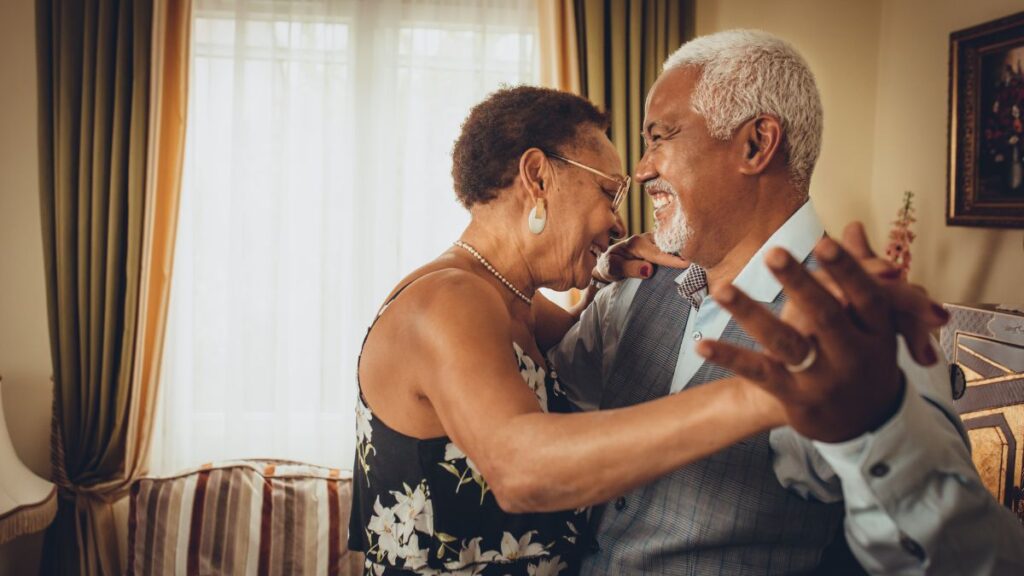
Dancing works well as a hobby because music gives movement a purpose.
Ballroom, line dancing, square dancing, salsa, swing, and folk dance can provide activity while creating regular contact with other people.
Start with a beginner class at a community center or recreation program before committing to an expensive package.
The National Institute on Aging includes dancing among activities older adults may consider for staying active and engaged.
19. Yoga or Tai Chi

Yoga and tai chi may appeal to people who prefer calm, structured movement instead of competitive sports.
The CDC notes that activities such as yoga and tai chi can involve more than one type of physical activity, including strength and balance.
A beginner class can be especially helpful when you are learning positions or movements for the first time.
Choose a class that matches your current ability. There is no benefit in trying to copy someone who has practiced for years.