Retirement can give you something you spent decades wishing for: more control over your time. The surprise comes when Monday morning arrives, nobody needs you at work, and a completely open calendar begins to feel less exciting than expected.
The answer is not to fill every hour with chores or force yourself into hobbies you never cared about.
These fun things to do in retirement are meant to help you find activities that make you curious enough to get dressed, leave the house, call someone, learn something, or look forward to next week.
Free Time Is Not Quite the Same as a Good Retirement

Americans age 65 and older averaged about 7.1 hours per day in leisure and sports activities in 2025, according to the Bureau of Labor Statistics. Watching television accounted for about 4.3 hours of that time.
There is nothing wrong with enjoying television, quiet afternoons, or doing very little after decades of work. The interesting question is whether some of those newly available hours could become the part of retirement you talk about at dinner rather than the time you barely remember.
Start by deciding what feels missing. You do not need the same retirement as your neighbor, sibling, spouse, or former coworker.
| If You Want More… | Try First | Commitment |
|---|---|---|
| People | Walking group or supper club | Low |
| Movement | Hiking, dancing, pickleball | Low to moderate |
| Curiosity | Class or genealogy | Low |
| Creativity | Photography, music, writing | Low |
| Purpose | Mentoring or volunteering | Flexible |
The best activity is rarely the one that sounds most impressive. It is the one you will still want to do on an ordinary Tuesday three months from now.
1. Take a Class With Absolutely No Career Goal

For decades, education may have been connected to promotions, licenses, degrees, or earning potential. Retirement offers the unusual pleasure of learning something simply because the subject interests you.
Try history, astronomy, photography, architecture, creative writing, music, technology, or another topic you once wished you understood better.
Osher Lifelong Learning Institutes offer noncredit learning for adults 50 and older through colleges and universities around the country, with programs built around learning rather than grades and exams.
2. Become a Tourist Within an Hour of Home
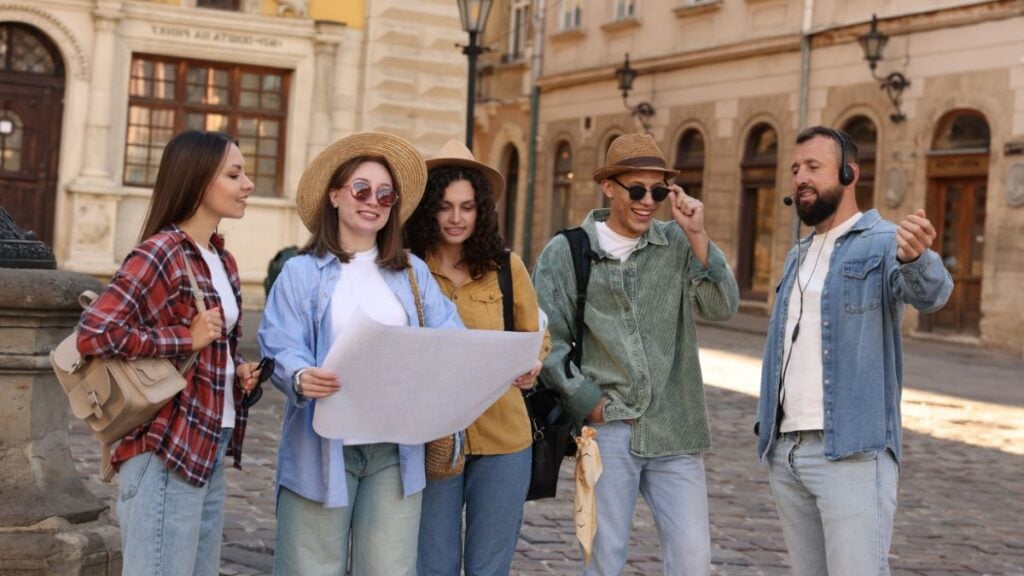
Many people can name attractions they visited 1,000 miles away but have never explored the historic district, museum, trail, small town, theater, or botanical garden 25 miles from their house. Retirement makes weekday exploring much easier.
Create a list of 12 nearby places and visit one each month. Weekday museum visits, lunch trips, scenic drives, historic neighborhoods, county parks, farmers markets, and small-town main streets can provide the feeling of travel without repeatedly paying for flights and hotels.
3. Volunteer Somewhere You Would Be Excited to Return To

Volunteering works much better when you care about the work rather than treating service as another obligation. You might tutor children, help at a museum, work with animals, assist at a food pantry, support a theater, maintain trails, or help a local nonprofit with skills from your career.
AmeriCorps Seniors works with adults age 55 and older and currently provides a searchable national database of opportunities. Its September 2026 Pathfinder says more than 143,000 Americans participate in AmeriCorps Seniors programs.
The National Institute on Aging also points to volunteering, hobbies, and time with family and friends as examples of meaningful activities that can support social connection as people age.
4. Start a Walking Group That Is Really a Social Club

You do not need matching shirts, a complicated training plan, or a sunrise start. Choose a safe local route, invite two or three people, walk at a comfortable pace, and finish with coffee if everyone wants to linger.
For adults 65 and older, CDC guidance calls for a weekly mix of aerobic activity, muscle-strengthening work, and balance activity, while also stressing that people should be as active as their abilities and health conditions allow.
A walking group can make regular movement feel more like a standing appointment with friends than another item on a health checklist.
Before investing heavily in a new retirement hobby, give yourself permission to test it. A four-week experiment is long enough to discover whether you like the activity itself rather than just the idea of being someone who does it.
| Instead of Immediately… | Try This First | Then Decide |
|---|---|---|
| Buying expensive gear | Rent or borrow it | Did you use it repeatedly? |
| Paying annual dues | Try a day pass or short session | Did you enjoy the people? |
| Buying lots of supplies | Purchase one starter project | Did you finish it? |
| Filling the calendar | Commit once a week | Did you look forward to it? |
A hobby does not fail because you decide it is not for you. Finding that out cheaply and quickly is a useful result.
5. Learn Photography Without Trying to Become a Photographer

Photography gives ordinary errands a purpose. Suddenly you are noticing morning shadows, old storefronts, birds, flowers, expressions, architecture, and parts of your own neighborhood that you used to pass without seeing.
You can begin with the phone you already own instead of buying professional equipment. Give yourself simple weekly assignments such as doors, reflections, red objects, grandchildren at play, local history, or one good photograph from every place you visit.
6. Create a Monthly Cooking Challenge

Cooking becomes more interesting when dinner turns into a project rather than another meal to get through. Choose one cuisine, family recipe, regional American dish, bread, soup, or dessert every month and learn to make it properly.
You can make the challenge social by inviting another couple or a few friends to cook different dishes from the same region. Someone who dislikes cooking alone may discover that planning a small monthly food night is far more appealing than signing up for a traditional club.
7. Turn America’s Public Lands Into a Long-Term Project
Instead of planning one giant retirement vacation, create a public-lands list that could last for years. National parks get the attention, but national monuments, historic sites, seashores, recreation areas, wildlife areas, and forests can also become memorable day trips and road-trip stops.
U.S. citizens and permanent residents age 62 and older can currently purchase an America the Beautiful Senior Annual Pass for $20 or a Senior Lifetime Pass for $80. The pass covers entrance or standard amenity fees at participating federal recreation sites, although some other fees are excluded.
8. Research the Family Stories Nobody Wrote Down

Genealogy can begin with a name on the back of an old photograph rather than a paid subscription. Interview relatives, scan photographs, label people while someone still remembers them, map old addresses, and write down the stories that never made it into official records.
The project becomes especially interesting when you treat it like detective work. A folder containing five correctly identified photographs and one recorded family story may ultimately mean more to your family than an enormous family tree filled with names nobody recognizes.
9. Grow Something You Can Eat, Cut, or Give Away
Gardening becomes more satisfying when there is a clear reward attached to it. That might mean tomatoes for dinner, herbs near the kitchen, flowers for the house, or a small container garden that can be managed without maintaining a large yard.
Start at the size that suits your mobility, climate, and patience. Two pots you enjoy tending are better than a backyard project that turns retirement into unpaid landscaping.
Several of the best retirement activities cost little after you get started. Others can quietly become expensive if gear, travel, classes, memberships, or equipment keep getting added.
| Activity | Budget Level | Easy Way to Keep Costs Down |
|---|---|---|
| Walking group | Very low | Use local parks |
| Photography | Low | Start with your phone |
| Cooking night | Low to moderate | Rotate homes |
| Gardening | Low to moderate | Start with containers |
| Local travel | Moderate | Use day trips first |
| National park trips | Varies | Combine several stops per trip |
Retirement leisure deserves a place in the household budget rather than being treated as an accidental expense. Fidelity notes that hobbies, travel, family visits, and other leisure spending can be meaningful retirement expenses, so planning for them can help households enjoy the money intentionally.
10. Join a Book Club That Talks About More Than Books

A traditional book club works for many people, but it is not the only option. Try a movie club, history discussion group, current-events gathering, biography circle, mystery club, or a group where everyone listens to the same podcast episode before meeting.
The subject gives people an automatic reason to gather and something to discuss beyond health problems and family updates. If existing clubs feel too formal, start with four people and one meeting per month.
11. Mentor Someone Who Can Use What You Already Know

Retirement does not erase decades of knowledge. A former accountant, mechanic, teacher, nurse, manager, salesperson, engineer, tradesperson, entrepreneur, or office administrator may have practical knowledge that a younger person would value.
Mentoring can happen through schools, nonprofits, professional associations, community organizations, or informal relationships. AmeriCorps Seniors programs include opportunities involving tutoring and mentoring, among many other types of service.
The difference between mentoring and returning to your old job is important. You can contribute what you enjoyed learning without necessarily accepting the meetings, deadlines, or office politics that came with earning a paycheck.
12. Learn One Instrument Well Enough to Play One Song

“Learn the piano” sounds like a huge retirement project. “Learn the song I have loved since 1978” sounds much more inviting.
Start with one song on piano, guitar, ukulele, harmonica, or another instrument you enjoy hearing. If practicing alone becomes boring, look for a beginner music group, community choir, church ensemble, or local class where improvement matters less than participating.
13. Try Community Theater Even If You Do Not Want the Lead
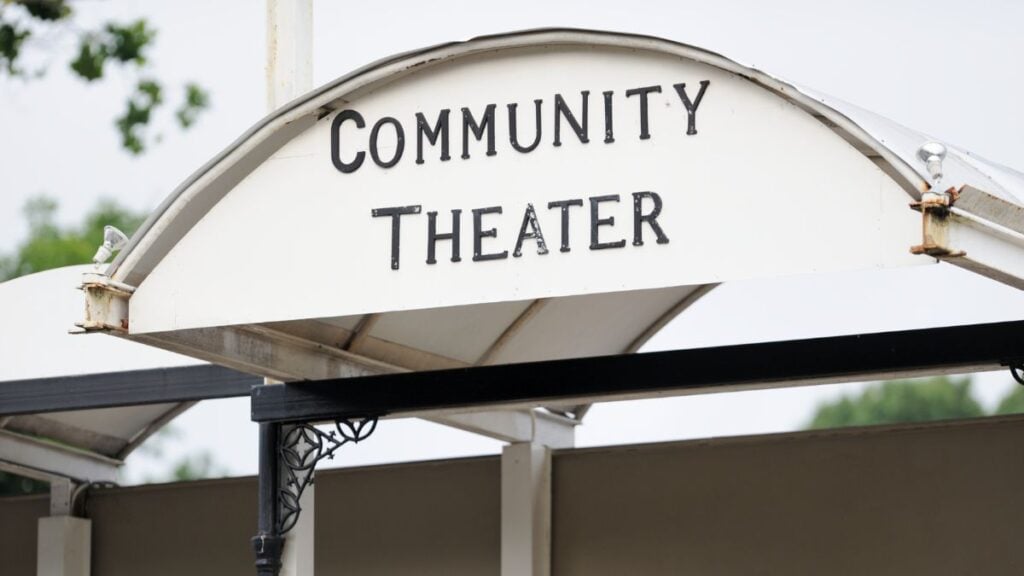
Community theater needs far more than actors. Productions may need people for costumes, props, sets, tickets, lighting, front-of-house work, promotion, and dozens of practical jobs that put you around an interesting mix of people.
If being onstage sounds fun, try an audition or beginner improv class. If the thought makes your stomach turn, working behind the scenes can provide the same sense of shared purpose without requiring you to remember a page of dialogue.
14. Spend Time With Animals Before Adopting One

A dog or cat can change the rhythm of a household, but pet ownership also comes with daily responsibility, veterinary care, travel considerations, and ongoing expense. Retirement does not automatically mean adoption is the right choice.
If you love animals but are unsure about the commitment, consider volunteering at a shelter, helping a rescue group, pet-sitting for friends, or fostering when an appropriate program provides support. That gives you real experience with the responsibility before making a decision that could last many years.
15. Establish One Social Tradition Nobody Has to Replan
Social plans often die in group texts. Everyone intends to meet, six people compare calendars, nobody agrees on a date, and another month disappears.
Try something automatic instead: breakfast every first Tuesday, cards every Thursday afternoon, Sunday dinner twice a month, or coffee after a Saturday walk. National Institute on Aging guidance encourages staying in contact with friends, family, and neighbors and suggests activities as one way to strengthen relationships.
Retirement activities should also fit your social personality. Being retired does not suddenly make an introvert want four group events every week.
| Your Social Style | Activity to Try | Why It May Fit |
|---|---|---|
| Prefer one-on-one time | Walking partner | Conversation without a crowd |
| Small groups | Dinner or book club | Predictable familiar faces |
| Enjoy meeting people | Classes or volunteering | Regular new interaction |
| Prefer solitude | Photography or genealogy | Independent but engaging |
| Like a mix | Class plus solo hobby | Social time with recovery time |
There is no prize for creating the busiest retirement calendar. Enough social contact to feel connected can coexist perfectly well with quiet mornings and afternoons at home.
16. Write the Stories Your Family Has Heard 100 Times

You do not need to call it a memoir. Start with one story about your first job, childhood home, military service, wedding, first car, a difficult year, the neighborhood you grew up in, or a family member you never want forgotten.
Write two pages at a time or record yourself speaking and turn the recordings into text later. What feels like ordinary history to you may be information your grandchildren could never recover once the people who remember it are gone.
17. Try Geocaching and Turn a Walk Into a Treasure Hunt
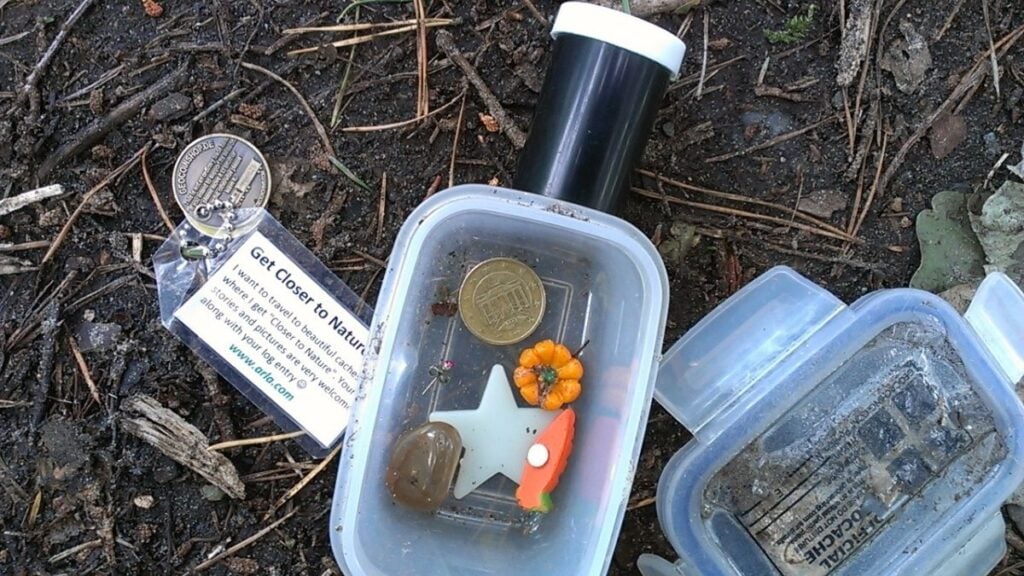
Walking becomes much more interesting when there is something to find. Geocaching uses location information to guide participants toward hidden containers or locations, turning parks and neighborhoods into informal treasure hunts.
It can work as a solo activity, a grandparent-and-grandchild outing, or a reason for friends to explore somewhere new. Choose terrain that fits your mobility and comfort level, and do not assume every cache requires a difficult hike.
18. Learn Just Enough of Another Language to Use It

Fluency is optional. Start with enough Spanish, French, Italian, Japanese, or another language to order food, introduce yourself, understand signs, or handle basic conversations on a future trip.
The project becomes more enjoyable when there is a target attached to it. A weekly class plus a planned restaurant visit or future vacation gives all those new words somewhere to go.
19. Take One Small Trip Every Month

Retirement travel does not have to mean three-week cruises or overseas flights. Try a monthly rule that says you will spend one day somewhere you have never explored before.
Drive to a nearby town, tour a historic home, see a minor-league game, visit a state park, eat lunch in a neighborhood you usually drive past, or stay one night somewhere two hours away.
Twelve modest trips can create more anticipation across a year than one vacation followed by eleven months of saying, “We should go somewhere.”
20. Choose One Project Big Enough to Matter

Some retirees do not need another hobby. They need a project with a beginning, middle, and finish line.
Restore an old car, build a family cookbook, photograph every historic building in your county, create a pollinator garden, organize decades of photographs, learn woodworking, renovate one room, record family interviews, or train for a walking event.
A good project gives Tuesday afternoon a reason to exist without turning retirement back into another full-time job.
Try a Seven-Day Retirement Experiment Before Changing Your Whole Life
Fidelity’s retirement-transition guidance notes that work can provide structure and meaning, and that some retirees may need to deliberately recreate the parts of working life they valued, such as routine, problem solving, helping other people, or regular contact.
Instead of creating a perfect retirement schedule all at once, run a one-week experiment. Notice which days you look forward to and which activities feel like another obligation.
| Day | Simple Experiment | What You’re Testing |
|---|---|---|
| Monday | Explore somewhere local | Curiosity |
| Tuesday | Take a class | Learning |
| Wednesday | Walk with someone | Movement and connection |
| Thursday | Work on a project | Purpose |
| Friday | Volunteer for a few hours | Contribution |
| Saturday | Cook or host something | Social enjoyment |
| Sunday | Leave mostly unscheduled | Rest and freedom |
Do not judge the week by how productive you were. Judge it by whether you felt interested in your own life.
How to Pick the First Thing to Try
Choose something you can test within the next two weeks without spending much money or locking yourself into a long agreement. Curiosity is enough reason to try something once, while genuine anticipation is a stronger reason to keep doing it.
It also helps to combine different kinds of enjoyment. One social activity, one physical activity, one quiet personal interest, and one project with a purpose can create much more variety than scheduling five clubs simply because retirement advice says you should stay busy.