Millions live in caves by choice. Not because they have to, but because caves work better.
Cave homes maintain 65-70°F year-round with zero heating or cooling costs. Thirty million Chinese, half of Coober Pedy, Australia, and thousands of Spanish families choose caves over conventional houses.
You’ll meet 21 families living underground worldwide: the Turkish couple in their cave for 40 years, the Spanish grandfather who says, “I will die in my cave,” the Missouri family whose 17,000-square-foot cave costs nothing to heat or cool.
Real homes. Real people. Better than most houses above ground.
21 Incredible Cave Homes Around The World That Make Your House Look Boring
Why 30+ Million People Choose Cave Homes
Thirty million people in China live in yaodong cave homes. Half of Coober Pedy’s 2,000 residents live underground. Three thousand Gitano people live in Sacromonte caves near Granada, Spain.
Cave homes maintain 65-70°F year-round. No heating or air conditioning. The rock regulates temperature naturally.
The Sleeper family in Missouri runs their 17,000-square-foot cave with zero climate control costs. The temperature never changes.
Volcanic rock is elastic; it bends during earthquakes instead of cracking. Rock walls provide natural soundproofing. Need more space? Dig. The Torun family in Turkey carved out storage rooms as needed. Underground homes have lower costs, a stable temperature, and a zero carbon footprint.
China’s Yaodong Cave Homes – 30 Million People Underground
Forty million people lived in yaodong cave homes in recent years. That’s more than the entire population of Poland. Living underground. By choice.
Yaodong homes are most common in Taiyuan, Lanzhou, and Yan’an. Dig a hole into the hillside. Carve out rooms. Move in. That’s how it’s been done for 4,000 years.
1. Traditional Yaodong Family Homes
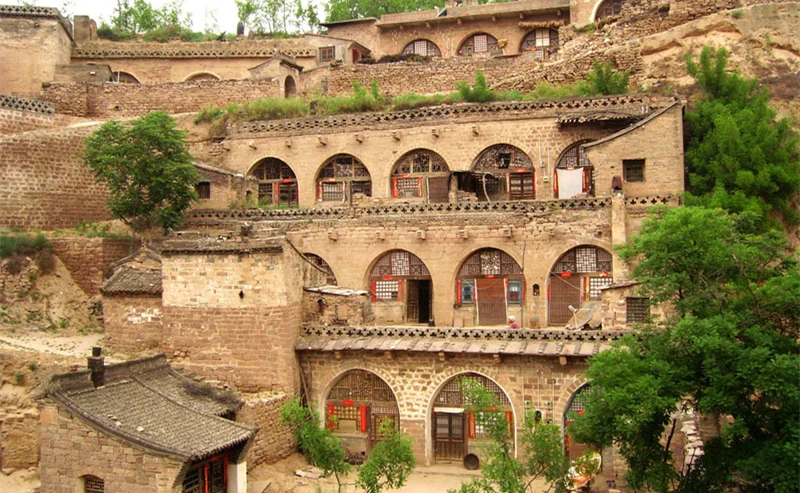
A typical family has 3-5 caves. Some yaodongs have six generations living under their roofs. Grandparents who were born in the cave. Parents who grew up there. Kids who’ll raise their own children there.
The walls are carved from loess plateau soil. Average depth: 20-23 feet. Length: 33-39 feet. Rooms stay cool in summer and warm in winter. No electricity is needed for climate control.
2. Yan’an Historic Caves
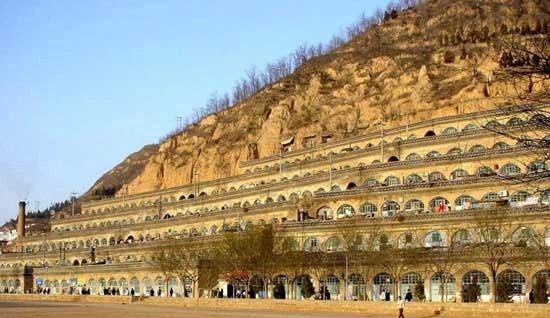
Mao Zedong used the Yan’an caves as Communist headquarters from 1935 to 1948. He lived there. Planned the revolution there. Edgar Snow visited and wrote “Red Star Over China” about what he saw.
These weren’t temporary shelters. They were homes and offices for thousands of people for over a decade. China’s cave houses proved they could handle anything.
3. Modern Renovated Yaodongs
Young people are returning to revamp their yaodongs. They’re opening stylish bed and breakfasts. Installing WiFi and adding modern kitchens.
The most modern yaodongs are equipped with electricity and other facilities. Flat-screen TVs. Plumbing. Everything you have. Plus zero heating bills. Traditional cave dwellings aren’t dying out. They’re evolving.
Coober Pedy, Australia – Living Underground to Escape 120°F Heat
Half of Coober Pedy’s 2,000 residents live in underground dugouts. When summer temperatures hit 120°F, you don’t build up. You dig down. This opal mining town produces 80% of the world’s opals. Miners found them underground. So they stayed underground.
The name Coober Pedy comes from Aboriginal words meaning “white men in holes.” That’s exactly what it is.
4. Gabriele Gouellain’s Family Dugout
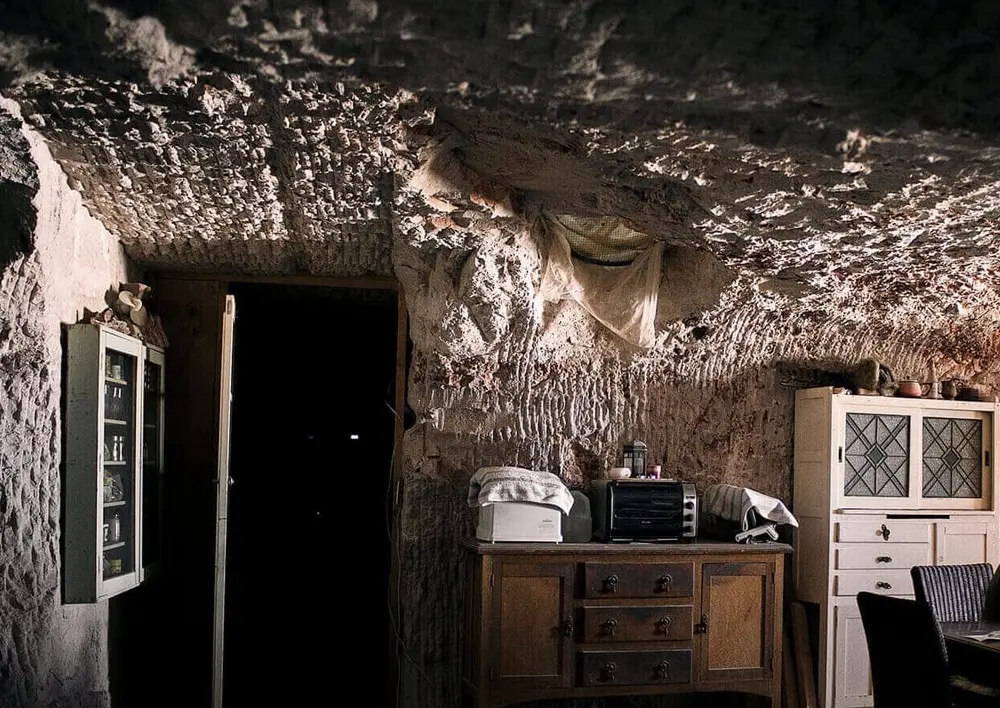
Gabriele Gouellain waits in her underground kitchen for her husband to return from the opal mines. Her entire home is carved into a hillside. Living room. Bedrooms. Kitchen. All underground.
While surface temperatures scorch at 120°F, her Coober Pedy dugout stays a comfortable 72°F; no air conditioning, no fans. Just rock doing what rock does.
5. Opal Miner Families
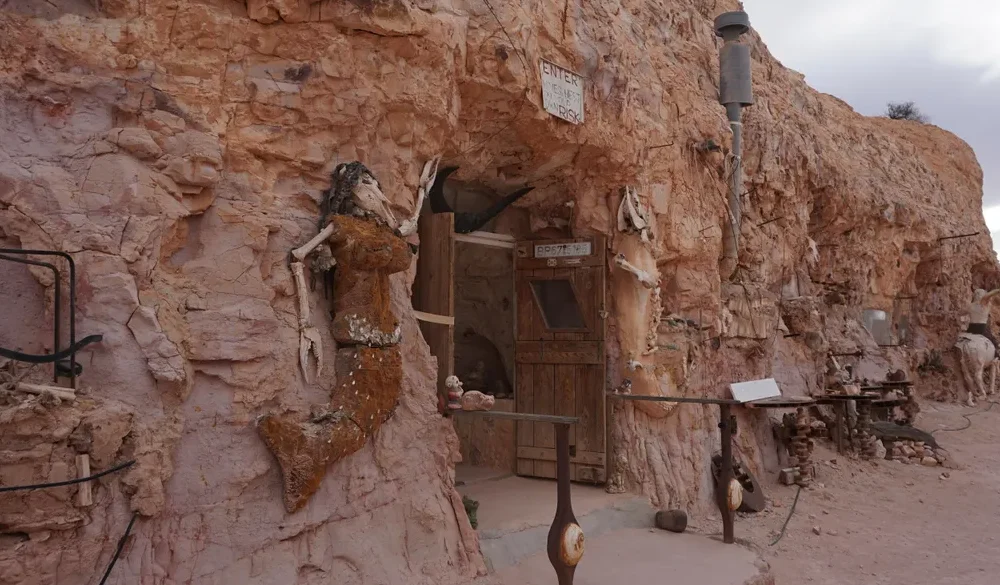
Families don’t just mine opals here. They live in the mines. Old mining shafts become bedrooms. Excavated chambers become living spaces.
Some miners hit a vein of opal while digging out their bedroom. That’s a good day.
Underground churches, shops, and homes are carved into hillsides throughout town. There’s even an underground bar and museum, everything you need without ever going into the heat.
6. Multi-generational Underground Homes
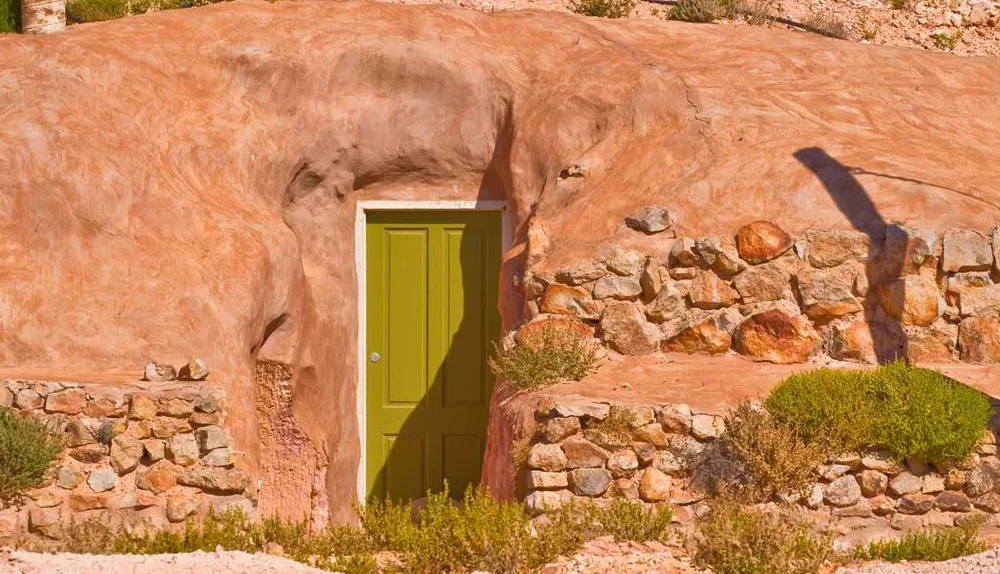
WWI soldiers started the underground living trend when they returned to mining opals and couldn’t stand the heat. Their grandkids still live there. Third and fourth generation Australian underground homes.
These aren’t temporary solutions. They’re permanent addresses. Families raising families. All underground. All comfortable.
When your alternative is 120°F, living in a hole doesn’t seem weird. It seems obvious.
Guadix, Spain – Europe’s Largest Cave Community
Guadix has more than 2,000 cave houses with about 3,000 residents. Europe’s largest cave community. Right here in Andalusia, 45 minutes from Granada.
The first inhabitants were moriscos; Muslims forcibly converted to Christianity, fleeing persecution after Granada fell to the Castilians in 1492. They needed to hide. The hillsides worked perfectly.
Guadix cave homes are known for their whitewashed facades with chimneys poking out of the ground. Walk through the neighborhood and you’ll see doors built into hills. The houses are behind them. Completely underground.
7. Piedad Mezco and Antonio Ortiz’s Home
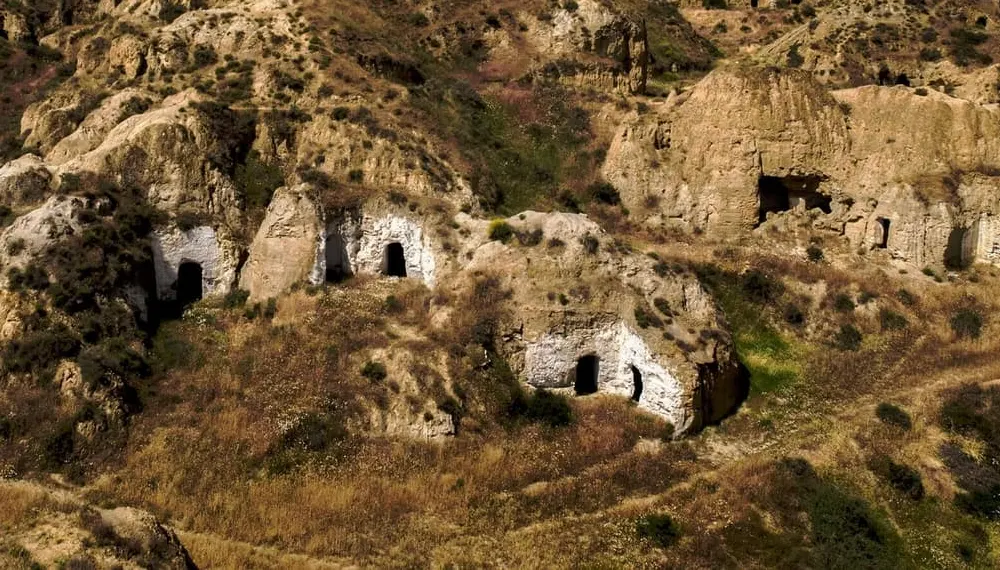
Piedad Mezco and Antonio Ortiz were both born inside caves and lived their entire lives in the Guadix caves. Not by necessity. By choice.
Antonio worked on a farm. Piedad made wood chairs. Normal jobs. Normal life. In an extraordinary house carved from rock.
Cave houses have been passed down through families for generations. This is ancestral property. Heritage homes. Just underground.
8. Tocuato Lopez’s Family Cave
Tocuato Lopez’s family has been in the Guadix caves for four generations. He grew up poor. He and his sister walked over 2.5 miles to beg for food in neighboring towns.
But ask him about leaving? “I’m very proud of being from the cave and still living in the cave. I will die in the cave.” That’s four kids he’s raising there. In the same cave his great-grandparents carved out.
9. Modern Guadix Cave Homes
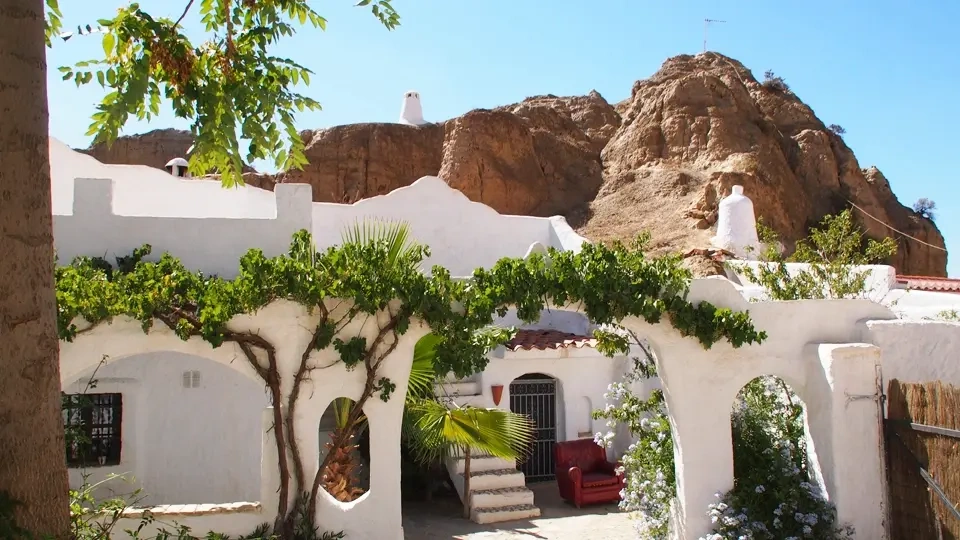
Here’s what’s wild: New construction is still happening. Builders are creating cave homes with WiFi and designer kitchens. Some cave homes now have modern insulation, electricity, and all the luxuries you’d want. Spain’s underground houses aren’t stuck in the past. They’re upgrading for the future.
Young families are buying in. Energy prices keep rising. Summers are getting hotter every year. Cave homes make more sense now than ever. Andalusian cave dwellings aren’t history. They’re the smart money.
Sacromonte, Granada
Fifty thousand Gypsies call Granada home, most of them in Sacromonte. This isn’t a tourist attraction. This is where people live.
Cave homes were built in the 16th century after the expulsion of Muslims and Jews. Marginalized people carved homes into hillsides. Outside the city walls. Beyond the reach of the Spanish Inquisition.
Sacromonte is the birthplace of Spanish flamenco, created by the gitano community. The caves didn’t just shelter bodies. They sheltered culture.
10. Henrique Amaya’s Family Cave
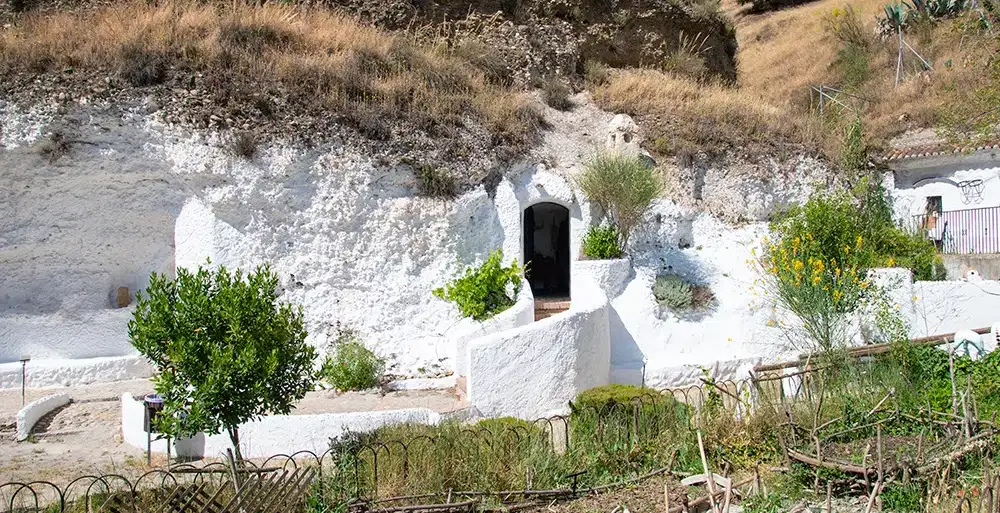
Henrique Amaya’s family has lived in Sacromonte caves for six generations.
“I was born inside a cave with the animals and the beasts,” he says. He started dancing flamenco at three years old. In the same cave. On the same ground, his ancestors danced on.
Performing flamenco on the site of so much personal history creates a powerful connection. “It feels pure and fresh. It is like going to a waterfall at 4 a.m. and putting my head inside the water.” Six generations. Same cave. Same dance. Same pride.
11. Multi-Generational Cave Families
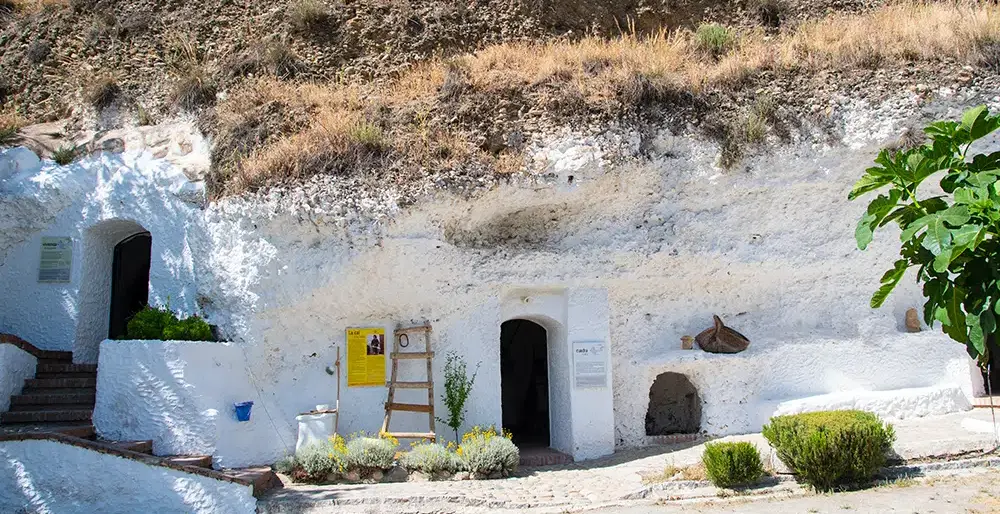
Many Gitano families continue to live in the caves as a way to honor their culture. These are Granada gitano homes that hold centuries of history in their rock walls.
The caves maintain cool temperatures in brutal Andalusian summers. They protected families from persecution. They still protect privacy and tradition.
12. Modern Sacromonte Residents

About 30-40 people live full-time in the upper caves, with many others passing through, staying for a few months before moving on. It’s a mix of legal residents and modern nomads, hippies, and immigrants. The upper caves attract free spirits. The lower caves house families who’ve been there for generations.
Migrants, especially illegal migrants, choose the caves for their isolation from authorities. Others choose them for environmental and cultural reasons. Spanish Roma cave dwellings aren’t relics. They’re living, breathing homes where flamenco still echoes off ancient walls.
Cappadocia, Turkey
Only about 10 families are left living full-time in caves in all of Cappadocia. Ten. That’s it.
The volcanic landscape eroded over millennia to form these caves. Over 4,000 years of human habitation. Dozens of abandoned underground cities. Now almost empty.
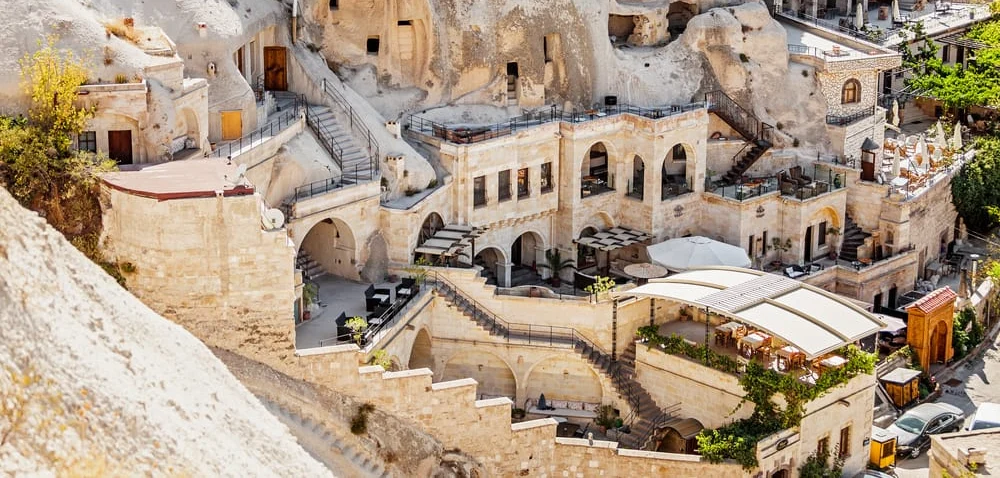
Why? Nearly 5 million tourists visited in 2023. Families saw the money. They converted Cappadocia cave homes into hotels and restaurants.
13. Oktay and Hanife Torun’s Home in Ortahisar
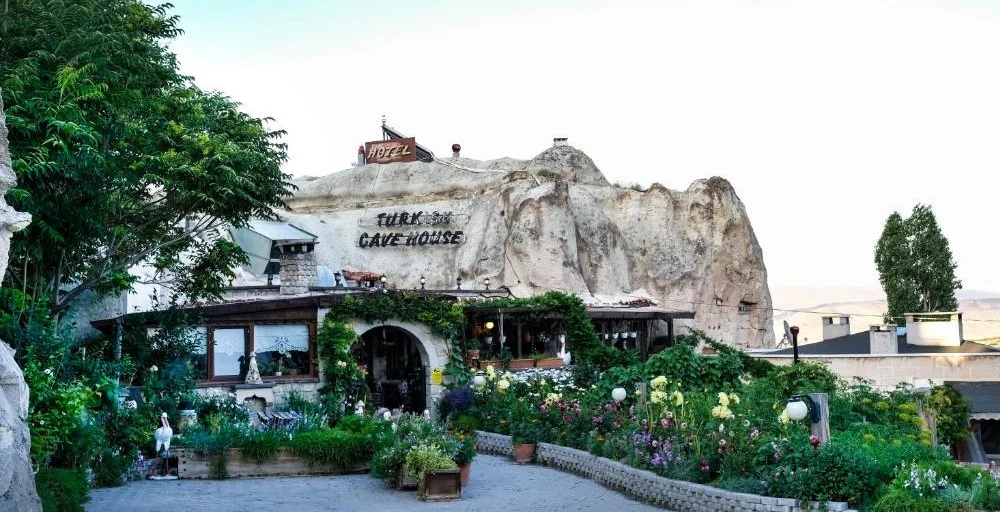
Oktay, 72, and Hanife Torun, 64, have lived in their cave home since their wedding day more than 40 years ago. They love it for a simple reason: “It satisfies all their needs.”
The home has plumbing and electricity. The living room stays warm in winter. Just like any modern house.
14. Traditional Cave Storage Rooms
Here’s the genius part: The storage room is separated by a thick rock wall. It maintains a stable, cool temperature that allows them to eat summer crops all year round.
Rows of amphorae hold bulgur and lentils harvested five seasons ago. Walnuts and fresh fruit are stacked on silver trays.
No refrigerator. No electricity. The rock does it naturally. Turkey residential caves have been doing this for 4,000 years. While the world converts fairy chimney houses into Airbnbs, the Toruns keep living the way people should. Comfortably. Sustainably. Free.
They’re one of the last 10 families who refused to sell out.
Matmata, Tunisia
Berber families built homes by digging circular holes 10 meters deep in the sandstone, then widening the perimeter 15-20 meters.
Stand at the edge. Look down. That’s someone’s living room.
Families excavated quarters for family members around the pit perimeter. The father led. He carved rooms for each family member into the walls. Kitchen. Bedrooms. Storage. All around a central courtyard open to the sky.
15. Traditional Berber Underground Homes
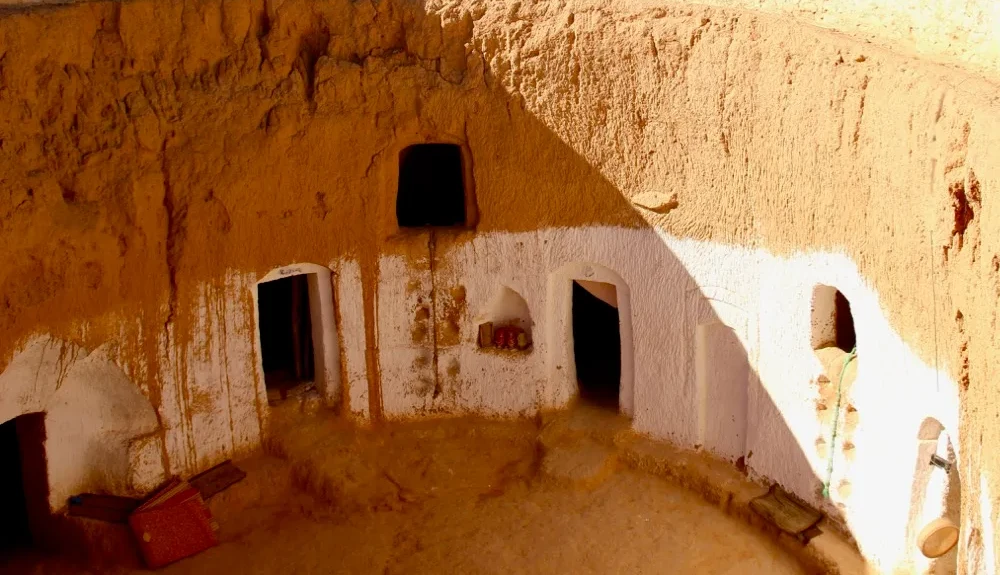
Families carved rooms into pit walls. Even olive oil mills were excavated underground. Everything they needed was carved from the earth.
The pits protected them from scorching desert heat. From winter winds. From being seen by authorities who wanted them gone.
Matmata cave homes are still home to significant historical and religious landmarks. Quranic schools. Jewish temples. Monuments prove all religions once coexisted here.
16. Modern Matmata Families
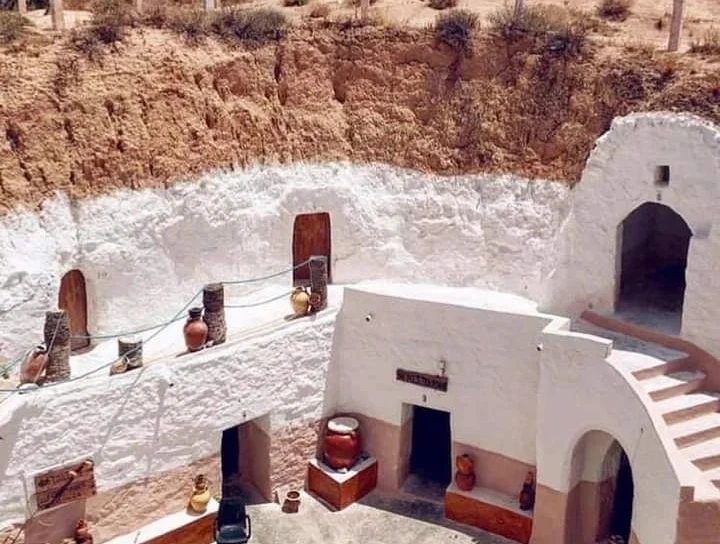
Many families left after 1956 independence when Tunisia pushed modernization. The government wanted them out. Away from their Tunisian underground houses. Into modern apartments.
Some refused. Some families still live in traditional Berber pit dwellings. Same holes their ancestors dug. Same rooms their grandparents carved.
One pit can house multiple families. Multiple generations. All living 10 meters below the desert surface, where temperatures stay perfect year-round.
United States – Luxury Caves
Americans are building cave homes. Not because they’re hippies. Because the math works. Cave homes stay 65-70°F year-round naturally. No thermostat. No HVAC system. No $300 monthly utility bills.
17. Sleeper Family Home, Festus, Missouri
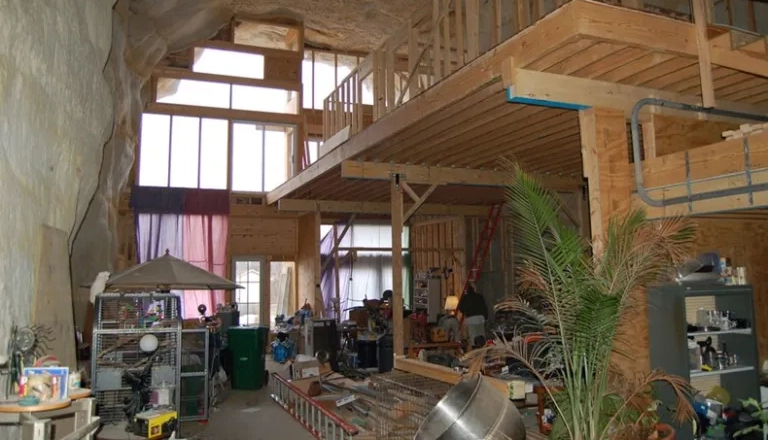
William “Curt” Sleeper, his wife Deborah, and their three kids live in a 17,000-square-foot former sandstone mine. “We feel that our home is eco-friendly,” Curt says. He runs no heating or cooling. The natural insulation of the cave walls keeps the inside air 65 to 70 degrees year-round.
17,000 square feet. Three bedrooms. Zero climate control costs. The Sleepers almost lost their home to foreclosure. Then media coverage brought investors. Now they’re proof that USA cave homes work for real families.
18. The Cave House, Bisbee, Arizona
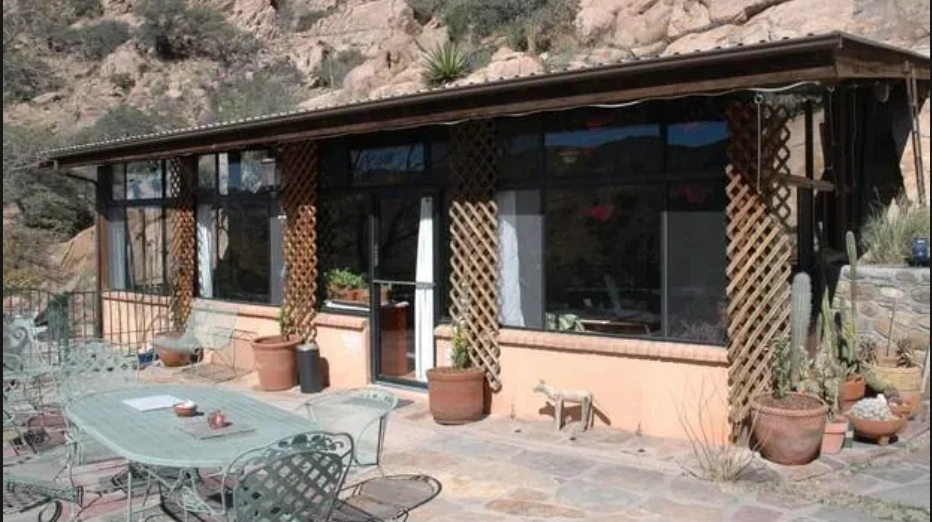
This 2,980-square-foot cave sits on 37 acres at 5,300 feet. There are no water bills as there’s a natural spring. Zero heating or cooling bills. Currently for sale under $2 million.
The property includes sweeping views of the Mule Mountains and canyon, a natural creek with swimming pools, and gorgeous rock patios. Luxury American underground houses aren’t a fantasy. They’re on the market right now.
19. Beckham Creek Cave Home, Arkansas
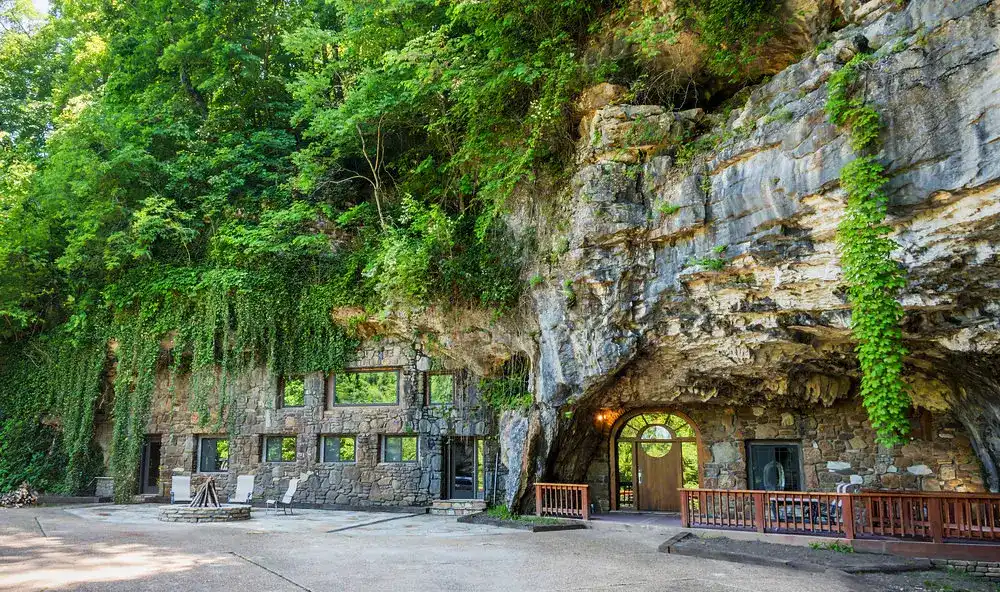
This 5,800-square-foot luxury cave home sits on 256 acres. It has four bedrooms, four bathrooms. And a natural waterfall inside the living room, not a fountain, a real waterfall. Spring water flows from deep inside the cave, under the floor, and comes out near the deck.
The cave has windows. WiFi. A gourmet kitchen. 75-inch flat-screen TV. Everything you want. Plus natural climate control that costs nothing. This is luxury cave living without compromise. Modern amenities. Ancient efficiency.
These aren’t survivalist bunkers. They’re family homes where kids do homework, parents cook dinner, and nobody pays to heat or cool 5,800 square feet.
The future of American housing might just be underground.
Other Cave Communities Around The World
Cave living exists on every continent. Some by necessity. Some by choice. All proving the same point: underground works.
20. Kinver Edge, England

For centuries, people lived in homes carved into the soft sandstone of Kinver Edge, on the border of Staffordshire and Worcestershire.
The last cave dwellers moved out in the 1950s. Now the National Trust preserves the site. It is restored to show Victorian-era cave life.
Some observers wonder if these cave homes and their small cottage gardens inspired J.R.R. Tolkien’s Hobbit holes, since he grew up nearby. The Shire might be fiction. But its inspiration was real traditional cave dwellings in England.
21. Lesotho, Africa – Mahalapane Caves
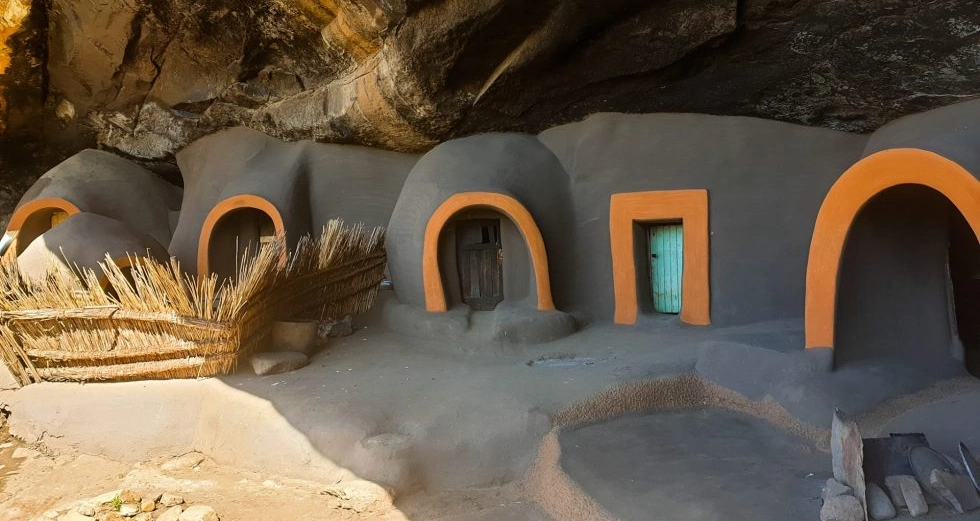
Families still live in caves beneath the Mahalapane rock formations in Lesotho. Not as a cultural statement because it works. Some residents plan to build modern houses when they can afford it. Until then, the caves provide what they need. Shelter. Protection. Stable temperatures.
Global cave communities span from the English countryside to the African highlands. Cave homes worldwide prove one thing: humans haven’t stopped living underground. We just forgot it was an option.
What Cave Living Is Actually Like
The Torun family’s cave has plumbing, electricity, and modern amenities. Stays warm in winter, cool in summer naturally.
Modern yaodongs have electricity, TV, phones, and electric stoves. Light ducts, windows, and skylights make them bright. The only issue is the moisture. The solution is dehumidifiers. Need more space, dig it yourself. No permits no contractors are needed.
The Economics
China: $30/month rent or $45,000 to buy a 3-bedroom.
Bisbee Cave House (Arizona): Under $2M on 37 acres. Zero water, heating, or cooling costs.
Construction is cheaper; pay for excavation, not materials. Maintenance is minimal. Rock doesn’t rot or need paint. Cave homes eliminate utility bills and reduce property taxes. The Toruns: 40 years. The Lopez family: four generations. China: millions for centuries.
Why Young People Are Returning
Energy prices are high. Summers are hotter. Cave homes solve both problems for free.
Low carbon footprint. Minimal visual impact. Modern amenities plus zero-emission climate control. Your grandparents lived in caves because they had to. Your kids will because they’re smart.
Conclusion
Thirty million yaodong residents in China. Gitano families in Spain for six generations. Cave homes aren’t history; they’re the future. Zero heating/cooling bills. It is great for 65-70°F year-round. Earthquake resistant. Soundproof. Expandable.
The Torun family: 40 years. The Lopez family: four generations. The Sleeper family: 17,000 square feet with no climate control costs.
Visit Guadix’s cave neighborhood. Rent a cave home in Spain. Research earth-sheltered housing. Or keep paying $300/month to heat and cool a box. The oldest solution is the smartest one. Thirty million people know it. Maybe it’s time you figured it out, too.