In 2025, with the median U.S. home price hitting $396,900, thousands are turning to an alternative: building tiny houses for under $15,000, and they’re doing it successfully.
Traditional homeownership is out of reach for most people now. The average American can’t afford a $400,000 house. Rent keeps climbing. Savings accounts stay empty. You work hard, but housing eats half your paycheck.
People are doing exactly that. A 17-year-old built his tiny house for under $8,000. A woman in Australia spent just $3,000. College students created one for $489. These aren’t fairy tales. They’re real builds with real costs.
Where to find free building materials. Salvaged wood and donated supplies. Which cheap foundation options work best?. Build something you can actually afford.
#1. Use Salvaged & Reclaimed Materials (Build for $3,000-$8,000)
People are building entire tiny houses for less than a used car. And they’re doing it by using stuff other people throw away.
Real People, Real Budgets

Robin Greenfield built a 100-square-foot tiny house for under $1,500. He used almost 100% repurposed materials. No joke.
Jenine Alexander spent under $3,500 on her whole build. She found materials on Craigslist and literally pulled stuff from landfills before it got buried.
Sophie in Byron Bay, Australia, built her tiny home for just $3,000. She used mostly recycled products and didn’t sacrifice quality.
These aren’t special people with magic skills. They just knew where to look and weren’t afraid to ask.
Where to Find Free and Cheap Materials

Craigslist and Facebook Marketplace are goldmines. People post free building materials every single day. Set up alerts for “free wood,” “free lumber,” “free windows,” and “free building materials.” Check daily. Good stuff goes fast.
Habitat for Humanity ReStore sells donated building materials for 50-90% off retail. They have locations across the country. You’ll find doors, windows, lumber, cabinets, and fixtures. All cheap.
Construction sites throw away perfectly good materials. Ask the foreman if you can take scraps. Most say yes. You might score 2x4s, plywood, and siding for free.
Old campers are treasure boxes. For under $100, you can buy a junked camper and strip it. You’ll get aluminum siding, wood paneling, insulation, light fixtures, kitchen sinks, bathroom fixtures, water heaters, and stoves. One camper can supply half your build.
What to Actually Look For

Reclaimed wood from old barns or construction sites works great for framing and interior finishes. It’s already aged and dried. Often stronger than new wood.
Vintage windows and doors cost $10-50 each used versus $200-500 new. Yes, you’ll need to measure carefully. But the savings are huge.
Pallets are free everywhere. Businesses give them away. You can make walls, flooring, and furniture. Just avoid pallets marked “MB” (they’re chemically treated).
The Reality Check

You’ll spend months hunting for materials. You’ll drive around looking at free posts. You’ll visit ReStores weekly. You’ll need a truck or trailer to haul stuff.
Some materials won’t work. Wood might be rotted. Windows might be broken. You’ll sort through junk to find gems.
You need space to store materials while you collect them. A garage or covered area works best. And you need to know what’s safe to use. Avoid materials with lead paint, asbestos, or chemical treatments. When in doubt, skip it.
#2. Buy a Shell Kit Under $10,000 & Finish Yourself
This is best if you’re handy but don’t want to build from scratch. The hard structural work is done. You finish the inside however you want.
What You Actually Get

A shell kit includes the exterior structure. You get walls, roof, doors, and sometimes windows. The outside is weather-tight and ready.
What you DON’T get: plumbing, electrical, insulation, interior walls, flooring, kitchen, bathroom. You add all that yourself.
Real Kit Costs in 2025

A 14ft x 24ft cabin shell gives you 336 square feet. The basic version costs $6,960. Add color options and insulation? You’re at $8,400. Still under budget.
The Garden House kit costs $7,890 for the shell. Want a tiny bathroom inside? Add $1,295. Your total is $9,185. You’ve got a weatherproof structure with a bathroom framed in.
The Lakeview Log Cabin runs $9,990. You get 209 square feet of Nordic spruce wood. It looks expensive, but it costs less than ten grand. The thick tongue-and-groove walls even provide natural insulation.
Arched cabin kits start around $7,500. They have that cool curved roof and tall ceilings. More headroom means it feels bigger inside.
The Math on Savings

A professionally built 300-square-foot tiny house costs $45,000 to $90,000. About $18,000 to $36,000 of that is labor.
With a shell kit, you skip the hardest labor. Framing walls square and true? Done. Building a roof that doesn’t leak? Done. Making sure the structure is solid? Done.
You still do plenty of work. But it’s easier stuff like installing drywall, running basic electrical, and building cabinets.
You save 40-60% of total costs. On a $30,000 build, that’s $12,000 to $18,000 in your pocket.
What the Work Actually Involves
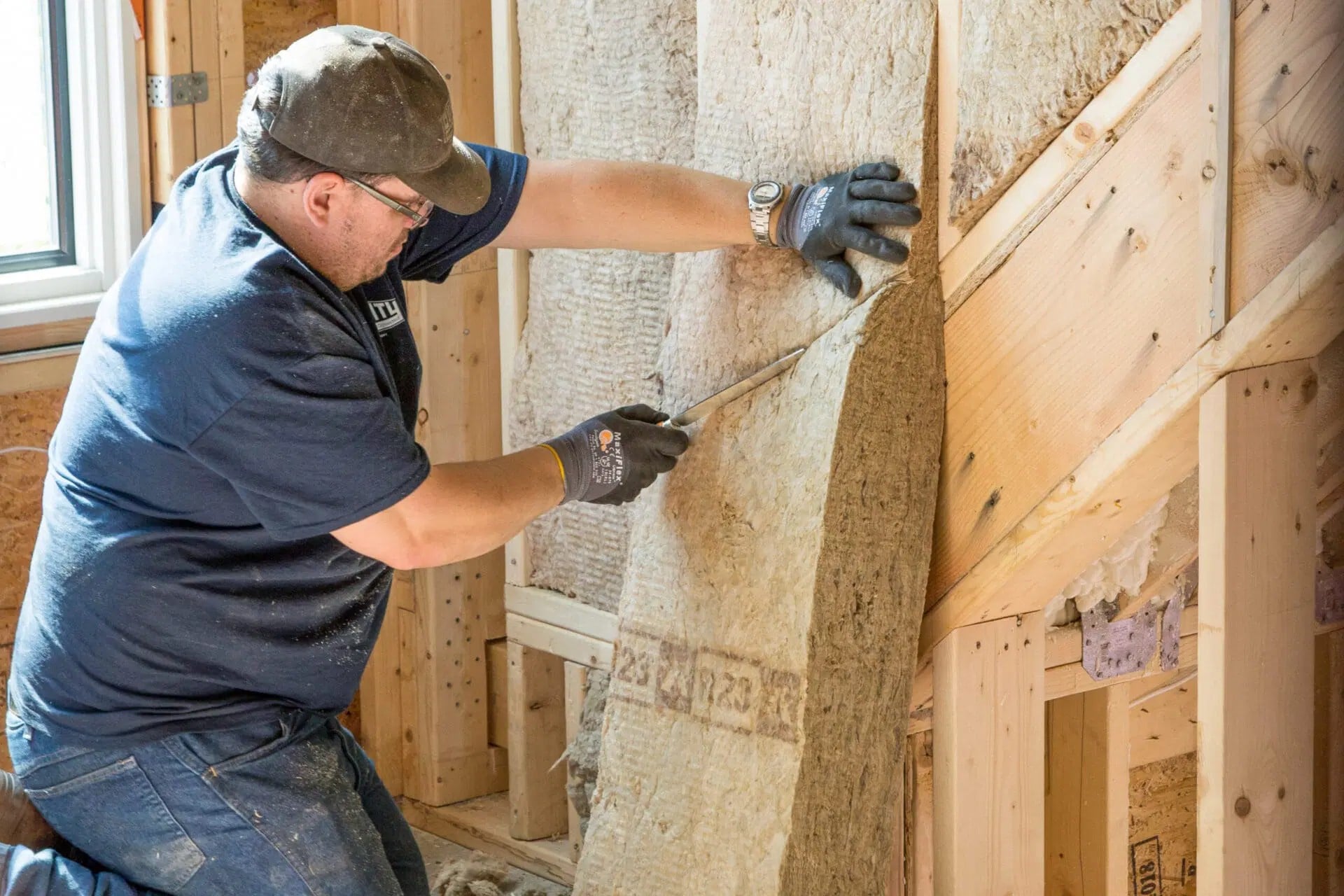
You need to install insulation between the studs. Add vapor barrier plastic. Hang drywall or wood paneling. Tape and mud the seams.
You run electrical lines for outlets and lights. Most people hire an electrician for final connections and inspection. But you can do the rough-in yourself.
Plumbing is similar. Run the pipes yourself. Hire a plumber to connect fixtures and check for leaks.
Where to Find Kits Under $10K

Jamaica Cottage Shop sells multiple designs under $10,000. They ship nationwide. Allwood Outlet has kit homes in various sizes. Their Garden House is a popular budget option.
Summerwood Products offers different styles. Check their clearance section. Sheds Unlimited has MiniBarn and Saltbox designs. Both can become tiny homes.
Search “cabin kit under 10000” and compare features. Read reviews. Ask about shipping costs (they can be $1,000+).
#3. Convert a Shipping Container ($12,000-$15,000)
These metal boxes were built to survive ocean storms and stacked in shipping yards. They make tough, modern tiny homes.
What Containers Actually Cost

A used 20-foot shipping container costs $1,500 to $5,000. That’s 160 square feet of floor space. Perfect for one or two people.
A 40-foot container costs $6,000 to $8,000. You get 320 square feet. Room for a real kitchen and a separate bedroom area.
One builder converted a 20-foot container into a complete living space for about $14,500 total. That includes buying the container and all conversion costs. You can do this and stay under budget.
What Goes Into the Conversion

You cut openings for windows and doors. Rent a plasma cutter or hire someone with welding skills. Budget $500-$1,000 for this step.
Insulation is critical. Metal containers turn into ovens in summer and freezers in winter. Spray foam insulation works best but costs more. Rigid foam boards are cheaper. Plan $1,000-$2,000 for insulation.
Add interior walls with plywood. This covers the insulation and gives you a finished look. Paint or stain it however you want.
Install energy-efficient LED lighting. LEDs use less power, which matters if you’re running on solar. A complete lighting setup costs $200-$400.
Add solar panels for power. A basic system (two panels, battery, inverter) costs $1,500-$3,000. Enough to run lights, charge phones, and power small kitchen appliances.
#4. Build an Off-Grid Cabin with Basic Materials ($10,000-$13,000)
This method uses basic materials and focuses on function over fancy. You get shelter that works without depending on utility companies.
Real Off-Grid Builds

One builder made a complete off-grid cabin for just under $13,000. He used rough-cut lumber and corrugated metal roofing. Nothing fancy. But it works year-round.
Wesley Birch and his wife built their home for just $8,000 total. They focused on resourcefulness over expensive materials. The result is a functional, comfortable space.
College students even transformed an old farm outbuilding into a $489 tiny house. Yes, it was missing some features (like a real water source). But it proves you can create shelter for almost nothing if you’re creative.
What Makes It Off-Grid

Off-grid means you don’t plug into city utilities. No electric bill. No water bill. No sewer bill. You collect rainwater for your water supply. A basic rainwater collection system costs $500-$1,500. You need gutters, barrels, and a simple filter.
You use a composting toilet. No septic tank or sewer line needed. Budget $900-$2,000. You cook with propane. A propane stove costs $200-$600. Refilling a 20-pound tank costs $15-$20 and lasts months.
You generate power with solar panels. A small setup (enough for lights and charging devices) costs $1,000-$2,500.
The Basic Cabin Build

Start with rough-cut lumber. Buy it from a local sawmill instead of a big box store. You’ll pay half the price. A small cabin needs about $3,000-$4,000 in lumber.
Use corrugated metal roofing. It’s cheap ($1-$3 per square foot), lasts 40+ years, and you can install it yourself. Budget $800-$1,500 for roofing.
Build a simple loft for sleeping. This keeps your main floor open for living space. A loft adds maybe $500 in extra lumber and hardware.
Skip fancy finishes. Exposed studs work fine. Paint them if you want. You’re building shelter, not a showroom.
Use salvaged windows and doors. See Method 1 for where to find them. Budget $200-$500 if you buy used.
Add basic insulation. Even simple fiberglass batts make a huge difference in comfort. Cost: $500-$800 for a small cabin.
The Reality of Off-Grid Living

You haul water if rainwater isn’t enough. In dry seasons, you might drive to fill jugs. It’s work. You empty your composting toilet regularly. It’s not gross if you do it right. But it’s a chore you can’t skip.
You monitor your solar battery. Use too much power and you’re in the dark until the sun comes back. You split firewood for heat. Your arms will get tired. But it’s free heat once you own a chainsaw.
Why People Choose This Method

Zero monthly utility bills. Once it’s built, your costs drop to almost nothing. True independence. You’re not dependent on the grid, utility companies, or infrastructure.
Cheap to build. Under $13,000 gets you a weatherproof, livable space. Simple to maintain. Fewer complex systems means less can break.
Connection to basics. You’re more aware of your resource use. You see where your water comes from and where your waste goes.
#5. Use Trailer on Skids Instead of an Expensive Foundation
A traditional foundation for a tiny house costs $3,000 to $9,000. That’s money you could spend on actual living space.
Smart builders skip expensive foundations. They use trailers, skids, or simple pier systems instead.
The Trailer Option

Most tiny houses sit on trailers. This makes them movable and avoids some building codes. Quality tiny house trailers cost $7,000 to $15,000 new. That sounds expensive. But it’s your floor AND foundation in one.
Used trailers save money. Search Craigslist and Facebook Marketplace for utility trailers. You’ll find options for $2,000-$5,000. Just make sure the frame is solid and rust-free.
Building on Skids

Skids are even cheaper than trailers. Think of them as wooden runners that your house sits on.
You build your tiny house on pressure-treated beams (the skids). Add a wheel kit when you need to move it. Otherwise, it sits right on the ground.
Building on skids can cut your foundation costs to under $500. You just need heavy lumber and some gravel for drainage underneath.
DIY Concrete Piers

Dig holes 2 feet wide and 3 feet deep where each corner of your house will sit. Pour in gravel. Tamp it down hard with a post or log. Add more gravel. Tamp again. Keep going until the hole is filled.
Top each pier with a concrete block or poured concrete cap. Your tiny house sits on these piers. Total cost: $200-$800, depending on how many piers you need. Way cheaper than a full foundation.
Rubble Trench Foundation

Dig a trench where your walls will go. Fill it with rocks and gravel. Pack it tight. This spreads the weight and provides drainage.
Build your floor frame on top of the rubble trench. The rocks won’t shift if you pack them right.
Cost: $100-$500 if you source rocks locally. Free if you have them on your land.
Slab on Grade (Cheapest Permanent Option)

If you want a real concrete foundation, go with slab-on-grade. It’s the simplest permanent foundation.
Pour concrete directly on prepared ground. No digging a basement. No complex footings. Cost: $6 to $14 per square foot. For a 200-square-foot tiny house, that’s $1,200 to $2,800.
#6. Source Free Plans & Learn from YouTube ($8,000-$12,000)
Don’t know how to build? YouTube will teach you. Thousands of people have learned construction from free videos. You can too.
Free and Cheap Plans

Pin-Up Tiny Houses sells plans for $300 or less. Their designs are built to cost under $10,000 total. You get exact measurements, materials lists, and step-by-step instructions.
Many builders share free plans online. Search “free tiny house plans PDF” and you’ll find dozens of options.
People Who Learned Online

Tom was 17 years old when he built his tiny house. He spent £6,000 (under $8,000). He had just started a building apprenticeship. What he didn’t learn at work, he learned from YouTube videos.
Macy built her entire tiny house for $11,416.16. She did all the labor herself. She used mostly recycled and donated materials. When she got stuck, she searched YouTube for answers.
The Best YouTube Channels

Living Big in a Tiny House is the biggest tiny house channel. Bryce tours homes from around the world. You see what works and what doesn’t. He’s featured budget builds like Tom’s £6,000 house and Lara’s £12,000 home. Watch how real people solved real problems.
Exploring Alternatives has over 817,000 subscribers. They focus on alternative lifestyles and unconventional living. The videos show why people chose tiny houses and how they make it work.
RelaxShacksDOTcom features ultra-budget builds. They showcased a 13-year-old who built a tiny house for $1,500. If a kid can do it, you can too.
Tumbleweed Houses offers free instructional videos. They walk you through the entire building process step by step. Frame walls, install windows, and add roofing. Everything.
Search for specific problems: “how to frame tiny house walls” or “tiny house electrical wiring basics.” You’ll find answers.
Join Online Communities

Reddit’s r/TinyHouses has 500,000+ members. Post questions. Share your progress. Get advice from people who’ve already built.
Facebook groups like “Tiny House People” connect you with other builders. Someone has solved whatever problem you’re facing.
Tiny house forums like tinyhousetalk.com have years of archived discussions. Search before you ask. Your question has probably been answered.
#7. Volunteer Labor Exchange & Community Building
Labor is the biggest expense in any build. But labor doesn’t have to mean cash. You can exchange skills, offer future help, or just feed people well.
How Community Building Actually Works

Robin Greenfield built his $1,500 tiny house with help from friends. Some had carpentry skills and handled the complex framing. Others had zero experience and did simple tasks like pulling apart pallets for wood. Everyone contributed something.
Julius built his Hodgepodge Tiny House with community help. Friends showed up. Friends of friends came by. Even strangers who heard about the project offered time. Julius said, “This has only been possible because so many people chipped in. Friends were willing to give a lot of time, friends of friends gave time, random people I had never met just took an interest or were generous.”
His house cost AU$60,000 total. That’s about what two years of rent would cost. But with volunteer labor, he owns it free and clear.
College students used 500 hours of volunteer labor to complete a $489 tiny house. Students wanted to learn building skills. They worked for free just to get experience.
Skills You Can Trade
Maybe you’re good at carpentry but terrible at electrical. Find someone who’s the opposite. Trade days. You frame their shed, they wire your house. Common skills people trade:
i. Carpentry and framing
ii. Plumbing rough-in
iii. Electrical wiring
iv. Roofing installation
v. Painting and finishing
vi. Tile work
vii. Welding
Even simple labor has value. Lifting heavy materials, holding boards steady, and cleaning up job sites. Unskilled help still speeds up the work.