
Amanda thought she’d escape her $2,000 monthly rent by building a $60,000 tiny home. Two years later, her monthly costs hit $1,200 anyway.
Most people see tiny homes as cheap housing. They don’t know about the expensive surprises hiding beneath the surface. These tiny home hidden costs can double your budget fast.
You’re about to learn the real unexpected expenses that shock new tiny home owners. We’ll show you exactly what these budget planning mistakes cost and how to avoid them. By the end, you’ll know the true price of tiny living.
7 Hidden Tiny Home Costs That Will Shock You

Land Costs Can Exceed Your Home’s Value
Raw Land Acquisition
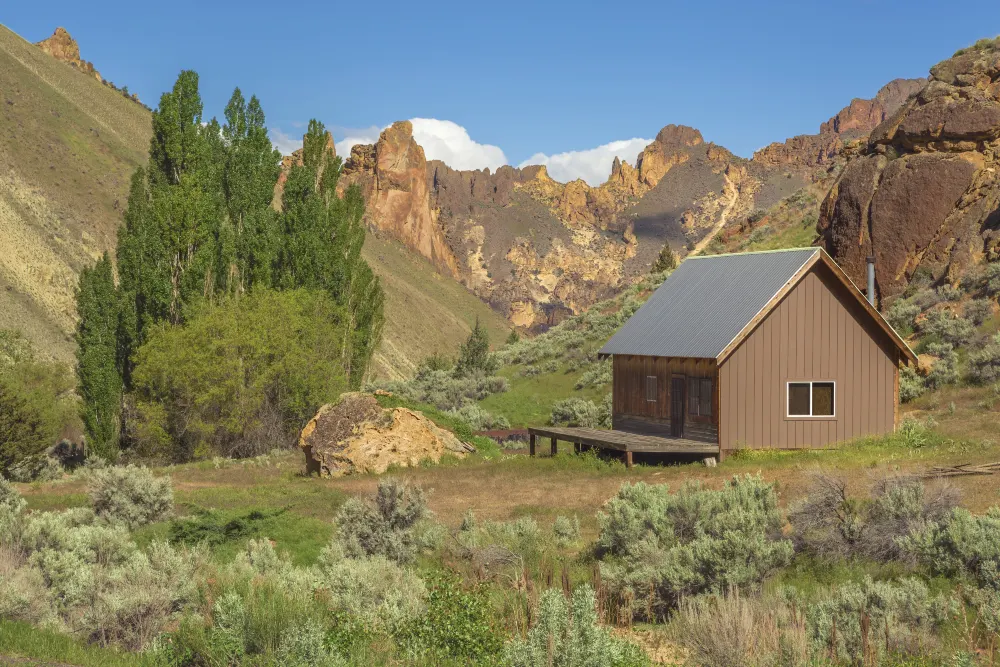
Land prices vary dramatically nationwide, averaging $16,182 per acre but ranging from $4,000 in Kansas to $117,000 in Rhode Island. Rural properties typically cost significantly less than urban lots, although premium locations can demand over $ 25,000 per acre.
Site Preparation Expenses

Beyond the purchase price, expect substantial preparation costs: land clearing ranges from $1,500 to $6,700 per acre, grading adds $500 to $1,000, and surveys cost $200 to $1,200. Recent homebuilder Bresha Jeanae spent $10,300 on clearing alone.
Ongoing Financial Obligations
Property taxes create permanent recurring costs that many first-time buyers overlook when budgeting for land ownership.
Zoning Laws Create Expensive Legal Nightmares

Permit Costs and Requirements
Building permits range from $500-$5,000+, depending on location, with many municipalities requiring minimum square footage (often 1,000+ sq ft) that tiny homes can’t meet. Conditional use permits and variances add thousands more in fees.
Legal Residency Restrictions

Most cities prohibit tiny homes as permanent residences, forcing owners into expensive legal consultations when zoning changes. While Portland allows THOWs on private land, Miami requires extensive permits for any alternative housing.
Compliance and Legal Fees
Navigating complex tiny house regulations often necessitates attorney consultations, turning simple housing dreams into costly legal battles before construction even begins.
Insurance Costs 10-20% More Than Regular Homes

Premium Rate Disparities
Tiny home insurance ranges $400-$1,500 annually compared to $600-$1,200 for regular homes, costing 38% more per square foot. Custom builds command higher premiums than certified constructions due to increased risk assessment.
Coverage Availability Issues

Many insurers refuse tiny home policies entirely, forcing owners into specialized markets with limited options. Mobile tiny homes require RV insurance plus additional liability coverage, creating complex multi-policy arrangements.
Financing Requirements
Lenders mandate insurance coverage, adding unexpected monthly costs to already stretched budgets. These insurance requirements often surprise first-time tiny home buyers during the financing process.
Financing Traps Double Your Interest Rates

No Traditional Mortgage Options
Banks don’t offer conventional mortgages for tiny homes, forcing buyers into personal loans at 9-15% interest rates versus 7% traditional mortgages. Mobile tiny homes require RV financing with similarly inflated rates.
Real-World Payment Shock
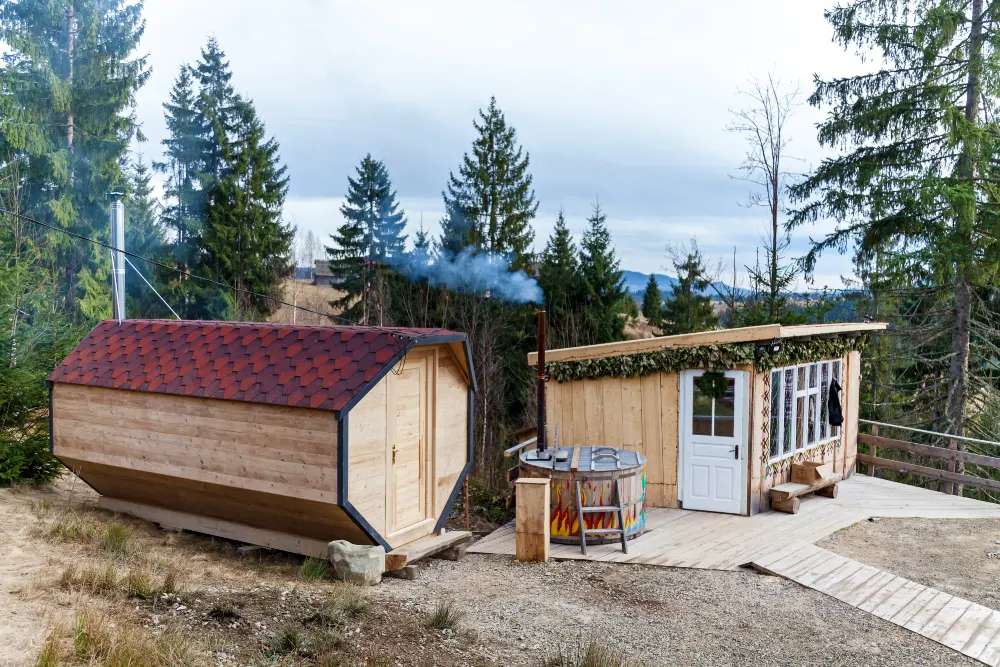
Bresha Jeanae’s $90,000 tiny home at 9.30% costs $865 monthly for 25 years: compared to approximately $600 for a traditional mortgage. Most lenders demand 20%+ down payments, straining buyers’ cash reserves.
Limited Lending Market
The specialized financing market offers fewer options and worse terms, trapping buyers in expensive loan products that significantly inflate total ownership costs.
Utility Hookups Cost More Than Most Cars

Municipal Connection Expenses
City utility connections range $5,000-$15,000, often exceeding a car’s value before you turn on a single light. Rural properties face additional well installation costs and complex permitting processes.
Off-Grid Alternative Costs

Solar systems start at $7,000+ upfront, while septic systems cost $3,000-$10,000. Bresha Jeanae paid $6,000 for a septic connection, then faced complete system replacement when it failed.
Ongoing Monthly Expenses
Even after massive upfront investments, monthly utility costs still run $100-$200, eliminating much of the anticipated savings from tiny home living.
Moving Costs Thousands Every Time
Professional Transportation Requirements
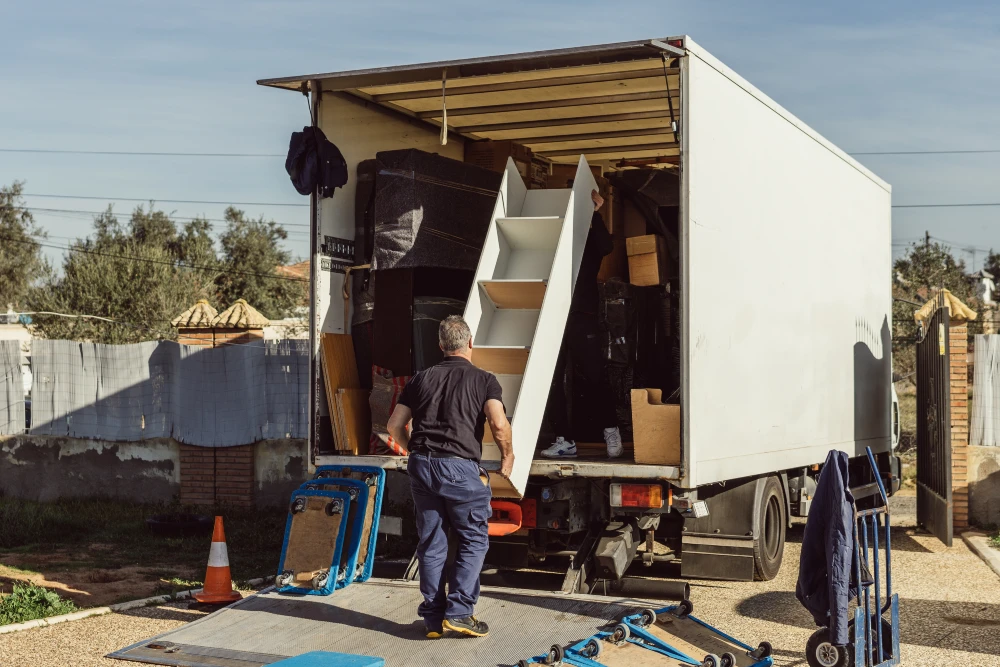
Moving tiny homes across states costs thousands in professional transport fees, with oversized load permits adding hundreds more. Many tiny homes exceed standard highway dimensions, requiring specialized haulers and route planning.
Hidden Structural Damage

Frequent moves cause significant wear on tires, axles, and other structural components, resulting in expensive maintenance cycles. Road vibrations and weather exposure gradually compromise the home’s integrity.
Mobility Limitations
Despite marketing promises, many tiny homes aren’t practically moveable due to utility connections, structural modifications, or local regulations that effectively anchor them permanently to one location.
Your Home Loses Value Like a Car, Not Real Estate

Depreciation vs Appreciation
Unlike traditional homes that build equity over time, tiny homes depreciate like RVs and vehicles. While conventional real estate typically appreciates by 3-5% annually, tiny homes lose value from the day they are built.
Limited Resale Market

The niche tiny home market severely restricts resale opportunities. Custom features that cost thousands during construction add little to no resale value, making recovery of initial investments nearly impossible.
Investment Reality Check
Market volatility disproportionately affects specialty housing, leaving owners with depreciating assets rather than appreciating investments that build long-term wealth like traditional real estate.
