
Your tiny home looks perfect. Then the inspector shows up. You spent months building your dream DIY tiny home. But one failed inspection can turn your dream into a nightmare.
City inspectors have real power. They can condemn your tiny house. They can deny you utilities. In the worst cases, they can tear it down. You have no way to fight back if your home doesn’t meet building codes.
DIY builders fail because they don’t know the specific inspection requirements. Small mistakes add up. A missing GFCI outlet here. Wrong egress window there. Before you know it, you’re facing thousands in repairs.
This guide shows you the 9 most common ways DIY tiny homes fail inspection and how to fix these problems before inspection day. You’ll learn which code violations inspectors look for first and the exact measurements your tiny home needs to pass.
Skip these mistakes. Pass your inspection the first time.
9 Ways Your DIY Tiny Home Could Fail Inspection

Why DIY Tiny Homes Fail More Inspections

You’re Not Licensed
DIY builders aren’t licensed electricians or plumbers. Building codes require professional-level work in both areas.
Professional Standards Are Higher
Professional tiny home builders use third-party inspection agencies. Pacific West Associates, RADCO, and PFS check over 500 different requirements. They inspect electrical systems. They test plumbing under pressure. They verify structural integrity.
Your DIY build skips all of this until inspection day.
The Gray Area Problem

Most tiny homes exist between traditional houses and travel trailers. Local inspectors don’t agree on which building codes apply. Some want full residential code compliance. Others treat you like an RV.
You won’t know until inspection day.
Fixing Violations Costs More
Fixing code violations after inspection costs 3-5 times more than doing it right the first time. You’ll tear out finished walls to fix wiring. You’ll rip up flooring to reach plumbing.
California’s 2025 building code updates added between $51,000 and $117,000 to single-family home construction costs. Those same inspection standards now apply to many tiny homes. Class 1 violation fines range from $1,250 to $10,000.
Professional builders follow code compliance from day one. DIY builders learn these lessons the expensive way.
Ways Your DIY Tiny Home Could Fail Inspection
The following are the most common inspection failures that stop DIY tiny homes from getting approved. Each one can cost thousands to fix after your walls are closed. Learn what inspectors check and how to pass the first time.
1. Wrong Electrical Setup
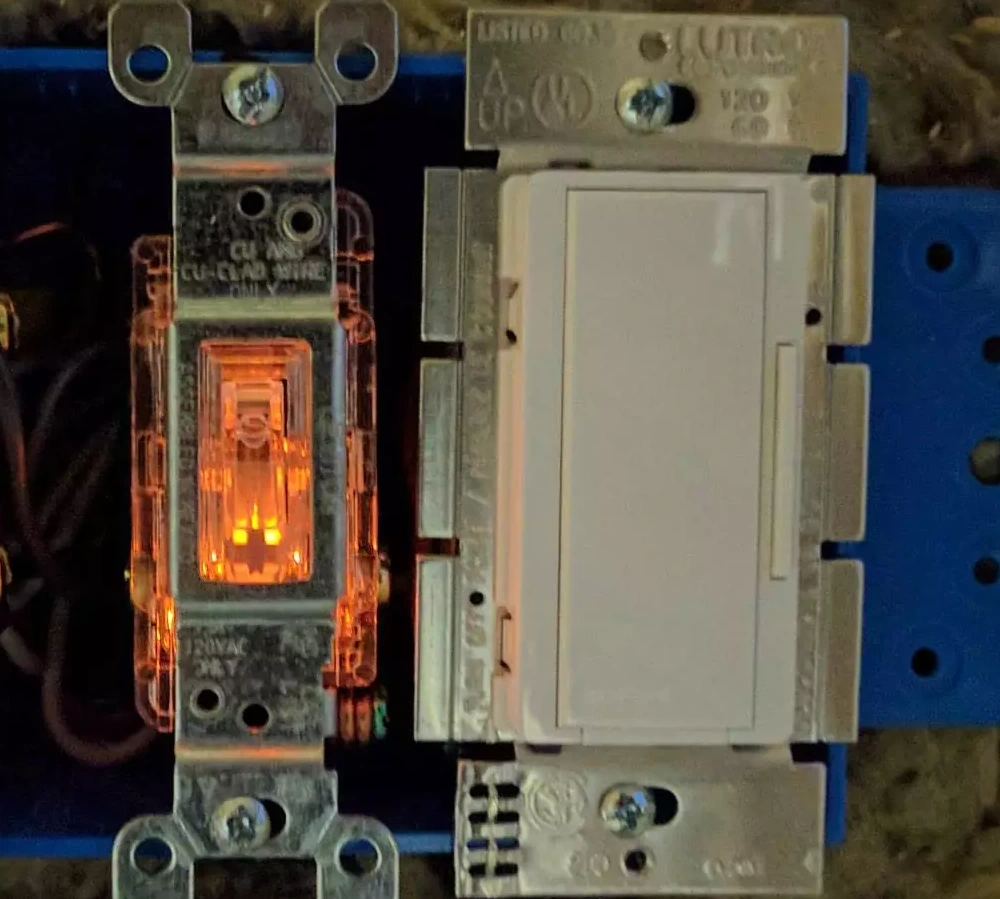
Electrical problems fail more DIY tiny home inspections than anything else. The mistakes are common. The consequences are serious.
The Three Most Common Problems
Ungrounded outlets are two-prong outlets with no ground wire. They’re not safe. Inspectors fail them immediately.
Double-tapped circuit breakers happen when you connect two wires to one breaker. Most breakers only handle one wire. This creates loose connections and fire risk.
Missing GFCI outlets cause instant failure. Every room with water needs GFCI protection.
Where GFCI Outlets Are Required

The electrical code is specific. You need GFCI outlets in:
- Kitchens
- Bathrooms
- Laundry rooms
- Within 6 feet of any water source
GFCI outlets cut power when they detect a current leak. This prevents electrocution. Missing one creates a life safety violation.
Extension Cord Violations
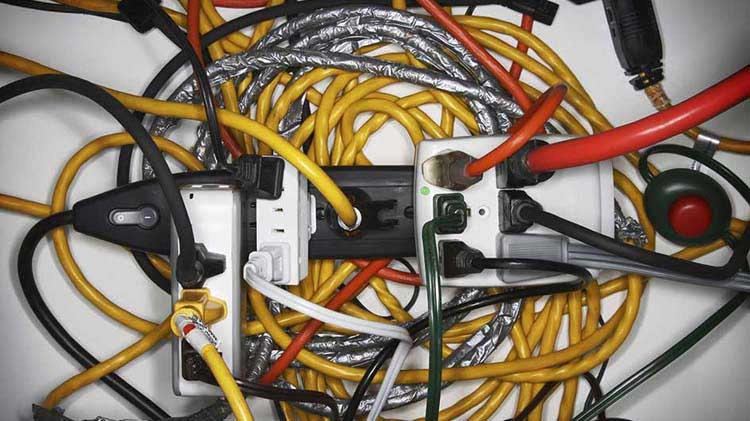
Extension cords are temporary. Using them as permanent wiring violates the National Electric Code.
Here’s the rule: outlets must be within 6 feet along any wall line. This means you can reach any point on a wall with a 6-foot cord. If you can’t, you need more outlets.
Inspectors see extension cords running under rugs or behind furniture. That’s an automatic wiring violation.
Tamper-Resistant Receptacles
All outlets need tamper-resistant receptacles. These stop children from inserting objects into outlets. They’re required indoors and outdoors. No exceptions.
Hot/Neutral Reversed Polarity

DIY wiring often flips the hot and neutral wires. The outlet still works. But it creates shock hazards. Inspectors test every outlet for this. They’ll catch it.
The Real Danger
The numbers tell the story. 44,880 home fires involve electrical failure each year. These fires cause $1.3 billion in property damage. They kill 440 people annually.
Inspectors know these statistics. They don’t compromise on electrical code.
Fix It Now
Hire a licensed electrician for your electrical rough-in. Let them pull the permit. Let them schedule the inspection. The few hundred dollars you spend now save thousands later.
If you have already wired your tiny home, pay for a pre-inspection. Find problems before the official inspector does.
2. Plumbing That Doesn’t Meet Code

Plumbing failures are expensive. Fixing them after the walls are closed costs double or triple.
Materials That Fail Inspection
Galvanized steel pipes corrode from the inside. Inspectors know they fail within years.
Polybutylene pipes were common in the 1980s and 1990s. They’re prone to failure. Most jurisdictions ban them now.
Leaky pipes or fixtures show up as water stains on ceilings and walls. These stains tell inspectors there’s hidden damage behind your finished surfaces.
Fire Caulk Requirements

Plumbers must add fire caulk where plumbing penetrates studs. This prevents fire from spreading through walls. DIY builders miss this. Inspectors don’t.
Pressure Testing
The entire plumbing system must hold air pressure for a set time period. Plumbers cap off the system and pump it full of air. If pressure drops, there’s a leak somewhere.
You can’t fake this test. The inspector watches the gauge.
Drain Line Slope Problems
Drain lines need the right slope. Too flat and water sits in the pipes. Too steep and water runs faster than waste, leaving solids behind.
The plumbing code specifies exact slopes per foot. Get it wrong and your drains back up.
Vent Pipe Violations
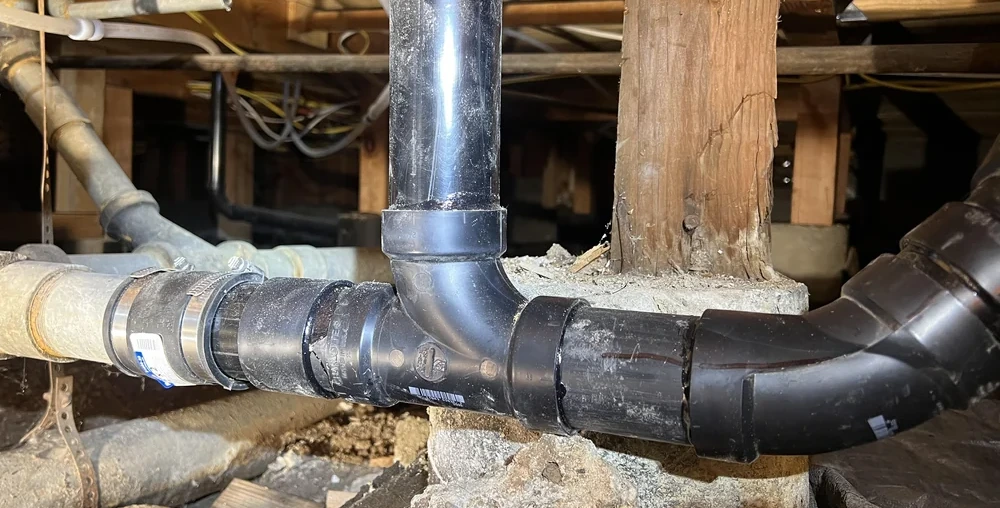
Every drain needs proper venting. Vents let air into the system so water flows correctly. Missing or incorrectly installed vent pipes cause slow drains and sewer gas in your home.
Inspectors check vent placement and sizing against plumbing code requirements.
PEX Is Easier But Not Foolproof
PEX piping makes DIY plumbing easier. It’s flexible. It’s forgiving. But you still need proper connections, support spacing, and pressure ratings.
The True Cost
Re-piping costs $10,000 for materials alone. But the total project reaches $20,000 after you repair the drywall, paint, tile, and other finishes you destroyed to access the pipes.
Fix It Now

Hire a licensed plumber for rough-in work. They know the plumbing code. They own the pressure testing equipment. They handle the inspection.
Your $1,500 investment now prevents a $20,000 repair later.
3. No Emergency Escape Windows

Egress windows save lives during fires. Missing them is a code violation inspectors never overlook.
Minimum Opening Requirements
Egress windows need specific measurements:
- Minimum 5.7 square feet of opening area
- Minimum 24 inches opening height
- Minimum 20 inches opening width
These aren’t suggestions. They’re fire safety requirements.
The window must open fully without tools. No keys. No special knowledge. Just push and climb out.
Height From Floor

The bottom of your egress window can’t exceed 44 inches from the finished floor. This height lets children and shorter adults reach the window handle.
If your window sits higher than 44 inches, it doesn’t count as an emergency exit.
Sleeping Lofts Need Escape Routes
Your sleeping loft needs its own escape route. A ladder to the main floor isn’t enough. You need a window or skylight that meets egress requirements.
Maine allows skylights as emergency egress for tiny homes. Check if your state does too. But the skylight still needs the minimum opening size.
Window Wells and Ladders

Building below grade? Your egress window needs a window well.
The window well must be at least 36 inches from the window to the back of the well. Minimum 9 square feet of area.
Window wells deeper than 44 inches need a permanently fixed ladder. The ladder must:
- Have rungs 12 inches wide or greater
- Project 3 inches from the wall
- Have rungs spaced no more than 18 inches apart
Fire Egress Is Life or Death
Basement bedrooms need two means of exit. A door and an egress window. Block one exit during a fire and you have another way out.
Inspectors treat this as a life safety issue. They won’t compromise.
Fix It Now
Measure your bedroom and loft windows now. Calculate the opening area (width × height in inches, divide by 144 for square feet). Measure the sill height from the floor.
If your windows don’t meet code, replace them before inspection. Installing egress windows after drywall costs three times more.
4. Overweight Trailer

Your tiny home might be too heavy for your trailer. This creates danger on the road and legal problems at inspection.
Weight Adds Up Fast
Tiny homes weigh 500-650 pounds per linear foot. A 19-foot tiny home weighs around 6,000 pounds empty. Add your belongings, furniture, and water tanks. Now you’re at 8,000 pounds or more.
Steel framing sounds strong. But it adds unexpected weight. Many builders hit their trailer weight limits before finishing construction.
Understanding GVWR

Every axle has a Gross Vehicle Weight Rating (GVWR). This is the maximum weight that the axle can safely carry.
Typical trailers have dual or triple axles. Each axle handles 5,200 to 8,000 pounds. A dual-axle trailer with 7,000-pound axles gives you 14,000 pounds total capacity.
Exceed the GVWR and you’re breaking the law. More importantly, you’re risking axle failure at highway speeds.
Towing Requirements
Anything over 16,000 pounds (including the trailer weight) requires powerful tow trucks. Your half-ton pickup won’t cut it. You need a heavy-duty truck with proper towing capacity.
The costs add up. Heavier trucks cost more. They use more fuel. Registration fees increase.
CDL License Requirements

Total weight over 26,000 pounds requires a Commercial Driver’s License (CDL). This includes your truck and loaded trailer combined.
Getting a CDL takes time and money. Most DIY builders don’t have one.
Fix It Now
Weigh your trailer before you build. Add up material weights as you go. Include:
- Framing lumber or steel
- Siding and roofing
- Insulation and drywall
- Cabinets and appliances
- Water in tanks
Stay under 80% of your GVWR. This gives you a safety margin for belongings and water.
If you’re already overweight, you have two options. Remove heavy materials. Or upgrade to a trailer with higher axle capacity. Overweight trailers fail inspection and put lives at risk.
5. Wrong Size Dimensions

Build too big and you can’t legally move your tiny home. You’ll need expensive permits in every state you cross.
Maximum Height: 13.5 Feet
The legal maximum height is 13.5 feet total. This includes your trailer, wheels, and the house itself.
But here’s the problem. Some bridges and tunnels have 13-foot height restrictions. One tiny home lost its entire roof in the Lincoln Tunnel because the owner ignored the 13-foot clearance sign.
Build to 13 feet or less to be safe.
Calculating Real Height

Your trailer adds 2-3 feet of height before you start building. Roof pitch adds more. A steep roof looks nice, but eats into your legal height limit.
Measure from the ground to the top of your roof peak. Include any vents, skylights, or AC units that stick up.
Maximum Width: 8.5 Feet
You can build 8.5 feet wide without special permits. Go wider and you need oversize load permits for every state.
These permits cost $100-500 per state. You’ll also need pilot cars in some states. That’s another $200-400.
Maximum Length: 40 Feet
Your tiny home can be 40 feet long. The total length, including your tow vehicle can’t exceed 65 feet.
Longer homes need special permits and routing. Some roads ban oversize loads completely.
Fix It Now
Measure your tiny home dimensions now. Height from ground level. Width at the widest point. Total length with hitch.
If you’re over the limits, you have two choices. Rebuild to legal size. Or budget $1,000+ for permits every time you move.
Most people choose option one.
6. Poor Ventilation and Moisture Control

Moisture kills tiny homes. Poor ventilation turns your dream home into a mold factory.
Where Condensation Strikes First
Condensation builds up first in three places:
- Windows
- Ceilings
- Walls
Without proper ventilation, this moisture becomes mildew. Mildew becomes toxic mold. Mold hides inside walls and insulation where you can’t see it.
By the time you smell it, the damage is done.
Your Heating Choice Matters
Propane heaters are popular in tiny homes. They’re small. They work off-grid. But they add moisture to your air with every burn.
Electric heaters produce drier heat. They don’t add moisture. If you have power available, use electric heat for better moisture control.
Ventilation Requirements
12-volt DC powered vents are essential. Install them in:
- Bathrooms (above shower)
- Kitchen (above stove)
- Laundry areas
These vents run without shore power. You can use them while cooking, showering, or doing laundry.
Test Your Bathroom Fan

Here’s a simple test. Turn on your bathroom fan. Hold a single sheet of toilet paper in front of it. If the paper stays in place, your fan has good suction. If it falls, your fan is too weak or blocked.
Inspectors may perform this test during inspection.
AC Unit Sizing Problems
AC units too small can’t remove humidity. Units too large cool the space too fast without removing moisture. Both situations create excess moisture buildup.
For most tiny homes under 400 square feet, an RV ceiling-mounted unit provides the right balance.
Vapor Barrier Placement
Vapor barriers must go on the warm side of insulation. In cold climates, that’s the interior side. In hot climates, it’s the exterior side.
Mixed climates like North Carolina make this complicated. You get hot, humid summers and cold winters. Vapor barrier placement becomes critical. Get it wrong, and moisture gets trapped in your walls.
EPA Recommendations
The EPA says to prevent condensation by:
- Increasing ventilation with fans or open windows
- Insulating cold surfaces like pipes
- Running dehumidifiers in humid weather
Fix It Now
Install powered vents in every wet room. Test them before closing walls. Add weather barriers under your siding. These let interior moisture escape while keeping exterior water out.
Check your climate zone. Ask your building inspector which side needs the vapor barrier. Don’t guess on this one.
Moisture problems cost $5,000-15,000 to fix after mold takes hold.
7. Missing or Wrong Insulation

Wrong insulation fails energy code requirements. Worse, it creates mold that destroys your tiny home from the inside.
2025 Energy Code Changes
The 2025 Energy Code requires lower U-factor windows and better wall construction. R-13 insulation in walls might have worked before. Now inspectors want higher R-values in most climate zones.
Check your local climate zone requirements before buying insulation.
Air Sealing Beats Insulation Quality
Here’s what most DIY builders miss. Air sealing matters more than insulation quality.
A leaky house with excellent insulation performs worse than a sealed house with average insulation. Air leaks let cold air rush in and warm air escape. Your insulation can’t fight this.
Blower Door Tests
Get a blower door test before you insulate. This test creates lower pressure inside your house. You can see exactly where the air leaks in.
Seal these leaks first. Then add insulation.
Problem Insulation Types
Cotton and denim insulation sounds eco-friendly. But it absorbs moisture like a sponge. This moisture leads to mold problems in the walls.
Fiberglass with paper facing becomes mold food when you install it against wet areas like basement walls. The paper feeds mold growth.
Use unfaced fiberglass or spray foam in moisture-prone areas.
Spray Foam Advantages
Spray foam insulation seals air leaks while insulating. It doesn’t absorb moisture. It works well in crawl spaces and rim joists where moisture is common.
The upfront cost is higher. But you avoid mold problems later.
R-Value Requirements
R-value requirements vary by climate zone. Northern states need R-21 or higher in walls. Southern states might only require R-13.
Your inspector checks against your specific climate zone requirements. Using the wrong R-value fails inspection.
Fix It Now
Find your climate zone on the Department of Energy website. Match your insulation R-values to code requirements.
Schedule a blower door test before insulating. Seal air leaks with caulk and spray foam.
Skip cotton and denim insulation. Use closed-cell spray foam in wet areas. Use unfaced fiberglass everywhere else.
Get your insulation requirements right the first time. Tearing out walls to add more insulation costs $3,000-8,000.
8. Structural Issues
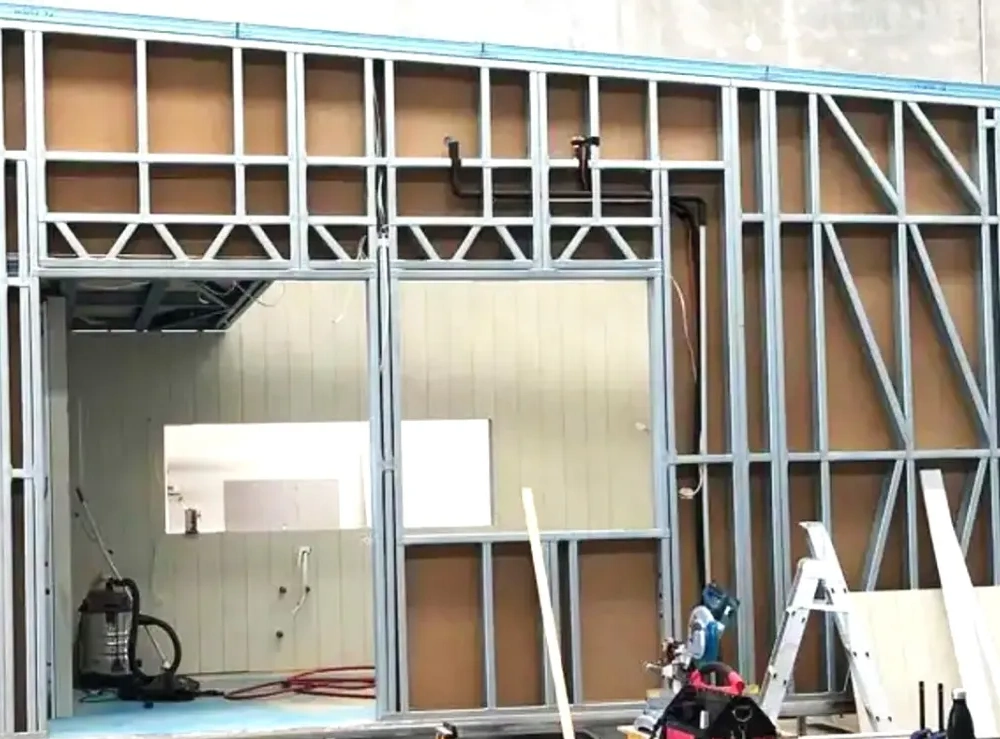
Structural problems put your safety at risk. They also fail inspections immediately.
Seismic Zone Requirements
The 2025 code strengthens requirements for buildings in seismic zones. If you live in an earthquake area, your tiny home needs extra bracing and reinforcement.
Inspectors check for proper shear walls and hold-down anchors in seismic zones.
Framing Mistakes
Improper notching or boring weakens your walls. Cut too much out of a stud and it can’t carry the load.
Building codes specify maximum notch depths and hole sizes. Exceed these limits and your framing fails the structural code.
Road Vibration Reinforcement
Tiny homes on trailers face forces that regular houses don’t. You’ll hit 60 MPH winds on the highway. Road vibrations shake your entire structure.
Your tiny home needs extra reinforcement:
- Hurricane straps connecting rafters to walls
- Earthquake straps connecting walls to the trailer frame
- Proper blocking between studs
Skip these, and your home falls apart during the first highway trip.
Trailer Frame Quality
Trailer frame gauge matters. Most quality tiny home trailers use 16-gauge (1/8 inch) channel steel for the outer frame.
Thinner steel flexes too much. Thicker steel adds unnecessary weight. 16 gauge hits the sweet spot.
Connecting to the Trailer
Wall and roof connections to your trailer must be secure. Use lag bolts, not nails. Space them correctly according to your engineer’s plans.
These connection points take all the stress when you’re towing. Weak connections mean your house separates from your trailer.
Fix It Now
Hire a structural engineer to review your framing plans. The $500-1,000 you spend prevents catastrophic failure.
Install hurricane and earthquake straps at every rafter and wall connection. Use the proper fasteners at proper spacing.
Check your trailer frame gauge before buying. Quality manufacturers list this spec. If they won’t tell you, buy elsewhere.
9. Unpermitted or Incorrect Work

Skipping permits seems like an easy shortcut. But unpermitted work creates problems that follow you for years.
Beyond the Fine
Unpermitted work affects more than just inspection day. It impacts:
- Financing – Banks won’t lend on homes with code violations
- Insurance – Companies deny claims for unpermitted work
- Future renovations – You can’t get permits for additions until you fix old violations
Small fixes today prevent big bills during future remodels. That unpermitted electrical work blocks your kitchen renovation five years later.
Real Consequences

Building code violations can result in condemnation or demolition. Inspectors have legal authority to:
- Post “Do Not Occupy” orders on your door
- Deny utility connections
- Fine you daily until violations are fixed
- Demolish your home in extreme cases
You have no legal recourse if your work doesn’t meet code.
The “No Building Code” Myth
11 states lack statewide building codes. People assume this means no permits are needed.
They are wrong. Local jurisdictions in these states still require building permits. Counties and cities create their own rules. Check your local jurisdiction before assuming no permits are needed.
Tiny Home Classification Confusion
Tiny homes on wheels fall into a gray area. They might be classified as:
- RV standards (ANSI A119.5) – Recreational vehicle requirements
- Building codes (IRC) – International Residential Code
- Park models – A third category with different rules
Your classification determines which codes apply. Some states allow tiny homes under 400 square feet to follow different rules than full-size houses.
Which Rules Apply to You?

Call your local building department before you start. Ask:
- Do I need a permit for a tiny home on wheels?
- Which code standards apply – RV or residential?
- What inspections are required?
Get answers in writing. Building departments change policies. Written confirmation protects you.
Fix It Now
Already built without permits? Get a post-construction permit. Yes, this means inspections now. But it’s cheaper than dealing with unpermitted work when you sell.
Pay the permit fees. Schedule the inspections. Fix what fails. Legal tiny homes have options. Illegal ones get condemned.
Conclusion
Most of these problems cost 3-5 times more to fix after inspection. Do it right the first time.
Hire a licensed electrician and plumber for those systems. The few hundred dollars you spend now save thousands later. Get a third-party inspection before the official one. Follow manufacturer guidelines for your trailer and insulation.
Check your local building codes before you start building. Get permits. Schedule inspections at each phase. Don’t let inspection failures destroy your tiny home dream. Fix these 9 problems now, and you’ll pass inspection the first time.
Your dream home is worth doing right.
