
By night 12, I woke up gasping for air. Not because something was wrong. Because my teardrop trailer felt like a coffin with wheels. You’re thinking about buying a teardrop trailer. Or maybe you own one and wonder if you can handle more than weekend trips. You’ve seen the cute Instagram posts. Couples smiling next to their tiny campers. Perfect sunsets. Coffee in the woods.
However, no one discusses sleeping in a 40-square-foot space for a month straight. I spent 30 nights in a teardrop trailer. Some nights were amazing. Others made me question every life choice that led me there. The claustrophobia is real. The discomfort is real. But so are the solutions.
Here’s the honest reality of extended camping in a teardrop. What works. What doesn’t? How to Prevent Problems Before They Ruin Your Trip. And whether your body and sanity can actually handle 30 consecutive nights in a space smaller than most closets.
What You Need to Know Before Night One?
The Market Boom Nobody Expected
The teardrop trailer market is worth $2.38 billion in 2025. It’s growing 6.4% every year. Why? Because people want simple camping without the hassle of massive RVs. Sales hit 505,000 units in 2021. That’s an 18% jump from the year before. North America buys nearly 60% of all teardrops sold globally. Everyone wants one. But most people don’t know what they’re getting into.
Your New Home Is Tiny

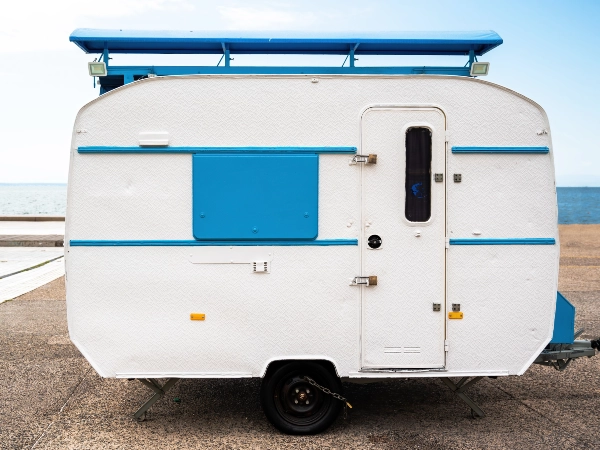
Most teardrops measure 4-6 feet wide by 8-10 feet long. That’s the size of a parking space. Standard models sleep two adults comfortably. Larger versions fit up to four people. But “comfortably” is debatable after night three. Average teardrop weight: 950-2,000 pounds, depending on the model. Any car with a hitch can tow one.
The Mattress Problem Starts Immediately
Stock mattresses in teardrops are uncomfortable. They’re made from cheap materials that break down fast. This isn’t weekend camping. This is 30 nights of your life. Your back will remind you of every dollar you saved on that mattress.
The First Week: When Reality Hits

Days 1-3: The Honeymoon Phase Ends
Night one feels like an adventure. Night four feels like punishment. Your body needs 3-5 days to adjust to tight quarters. After nearly 20 days in a teardrop, travelers report initially struggling with the confined space. The excitement dies by day three. You can’t find your shoes. Your partner’s elbow jabs your ribs. You haven’t stood up straight in 72 hours.
The Weather Wake-Up Call

The weather becomes your biggest enemy or best friend during the first week. Jordan, who lives full-time in a 5×10 teardrop, found that El Niño weather made the first three months challenging with outdoor cooking and no heat. Rain trapped her inside, with nowhere to go. Cold made every meal a battle. Your forecast app becomes your bible. Check it obsessively.
Your Body Fights Back
First-week challenges hit hard. Finding storage systems that work takes days of trial and error. Adjusting sleep positions becomes a nightly puzzle. Condensation drips on your face at 3 AM. Your body rebels. Your neck hurts. Your knees ache from crawling. You wonder what you’ve done.
The Space Problem (And It’s Worse Than You Think)

The Claustrophobia Nobody Warns You About
Teardrops can feel closed in. Those with claustrophobia should carefully consider this before purchasing. You’re living in less than 40 square feet. That’s smaller than a prison cell.
Typical interior dimensions: 5×8 feet to 6×10 feet. Average ceiling height: 4-6 feet. You can’t stand up. You can’t stretch. You definitely can’t escape your travel partner when they’re annoying you at mile 437.
You’re Basically Camping in a Shoebox

You can’t change clothes easily. There’s no privacy. Every movement requires coordination. One person shifts. The other person wakes up. By week two, you know every sound your partner makes while sleeping. You can’t avoid it. You can’t ignore it. You just accept this is life now.
The Fixes That Actually Help
Windows help with claustrophobia. Many models feature large windows and doors. Adding large windows and lots of lighting eliminates the closed-in feeling. Set up a canopy or privacy tent outside for changing clothes. Use every available moment outdoors to reduce cabin time. Your teardrop becomes a bedroom only. Everything else happens outside.
Your Mattress Will Make or Break Your Trip

The Stock Mattress Trap
Stock teardrop mattresses are uncomfortable and don’t last long. They’re thin. They’re cheap. They turn into concrete blocks after a week. Poor sleep quality ruins camping trips. You wake up tired and sore. Your back screams. Your shoulders ache. You spend $20,000 on a trailer and sleep on a $200 mattress. That’s backwards.
Custom Is Not Optional After Week Two

Custom mattresses are essential for trips over two weeks. Mattress thickness matters in tight spaces. Too thick and you can’t sit up. Too thin and you feel every bump. Memory foam mattresses like the East Hampton (4.5″ high) work well with a 10-year warranty. That’s the sweet spot for height and comfort.
Get the Measurements Right
Measure your teardrop bed space exactly before ordering. Teardrop beds aren’t standard sizes. Off by an inch? Your mattress won’t fit. Consider your height and weight when selecting firmness. Add a mattress pad for waterproofing and extra comfort. This investment pays off every single night.
The Kitchen Situation (Good News and Bad)

Your Kitchen Lives Outside
Most teardrops have outdoor kitchens covered by a rear hatch. It’s a smart design. Cooking smells stay outside. But this creates new problems. Cooking outside in 20-30 degree weather or rain is miserable. Your hands freeze. Your food gets wet. Simple meals become survival tasks.
When Weather Attacks Your Dinner

Bad weather forces you into very small quarters with limited options. Rain makes cooking impossible. The wind blows out your stove. Snow buries your supplies. You can’t just order pizza. You’re 40 miles from civilization.
The Hacks That Save Meals
Thermos containers keep water hot from morning until evening. Make coffee once. Drink it all day. Coleman butane stoves allow indoor heating of water and food when needed. Set up awnings or canopies for weather protection. Droplet trailers feature canopies that provide great coverage for cooking areas. Invest in good weather protection. Your meals depend on it.
Where Everything Goes (Storage Secrets)

The Stuff Multiplies Overnight
The slow creep of items taking over both the trailer and the car is a real challenge. Day one: everything has a place. Day seven: chaos everywhere. Travelers only use about 60% of the clothing brought on extended trips. You packed too much. Everyone does. That third pair of jeans? Never worn.
Strategic Storage or Bust

Under-bed storage is crucial. External storage solutions are necessary. Your car becomes your closet whether you like it or not. Collapsible items only. Multi-use gear saves space. Partitioned shelving in galley kitchens helps organization.
The Brutal Truth About Packing
Pack half what you think you need. Then remove three more items. You’ll still have too much. Every item needs two purposes. The bowl becomes a cutting board. Towel becomes a pillow. Space costs more than money here.
The Bathroom Question Everyone Asks

The Toilet Reality Check
Most teardrops don’t have indoor bathrooms or toilets. This shocks people. You’re sleeping in a fancy camper but peeing in the woods. At 3 AM in the rain, even close toilets feel too far away. You’re warm in your sleeping bag. Rain pounds the roof. The campground bathroom is 200 feet away. This is misery.
Your Basic Options

Campgrounds typically have pit toilets at a minimum. Some have full bathrooms with showers. Plan your route around good facilities. Portable camping toilets with chemical treatments work. Privacy tents for outdoor facilities help. But it’s still outdoor plumbing.
The Luxury Upgrade
Larger models like the TAB 400 include wet baths with toilet and shower. This costs $45,000-$56,000. But you get a real bathroom. Worth it? After 30 nights of midnight bathroom runs in the rain, yes.
Weather: Your New Boss

When Mother Nature Traps You
Bad weather can deter trips or keep you trapped in less than 40 square feet. Rain means no cooking. Wind rocks your trailer. Extreme heat turns it into an oven. Quality insulation keeps trailers warm until temperatures reach mid-30s. Below that? You need serious heating solutions.
Power and Heat Reality

12V batteries typically last 3-5 days on a single charge. Run your heater all night? The battery dies faster. 12V portable heaters provide easy heating options with multiple port locations. Heated mattress pads save lives in cold weather. Quality insulation installation pays for itself.
The Only Real Solution
Alde heating systems in premium models work best. But they cost thousands extra. Planning trips during favorable weather beats fighting nature. Check forecasts obsessively. Move locations when storms approach. Weather wins every time.
What Actually Costs Money After 30 Nights?

The Initial Investment Hurts
Base models range from $12,500 to $56,000, depending on features. Polydrop starts around $12,500. Bean Trailers start at $19,999. The NuCamp TAB 400 retails for $45,000 to $56,000. You get what you pay for. Cheap trailers mean fixing problems on the road.
The Nightly Burn Rate

Campground fees vary from $20 to $ 60 per night. Thirty nights at $40 average? That’s $1,200 just for parking. Monthly expenses average around $2,500 for lodging alone when road-tripping. Add food, gas, supplies, and emergency repairs. Budget doubles fast.
Hidden Costs Nobody Mentions
Gas costs increase due to towing. Your fuel economy drops 20-30%. Propane refills every week. Water tank fills. Dump station fees. Boondocking saves money but requires gear investments. Solar panels. Bigger batteries. Water storage systems. Free camping costs $2,000 upfront.
The Stuff No One Talks About

Your Trailer Becomes a Tourist Attraction
People constantly stop to look at your trailer and ask questions – 3-4 tours daily. Every gas station. Every rest stop. Every campground. “How much did it cost?” “Can I look inside?” “Do you really sleep in there?” You give the same tour 87 times. Privacy doesn’t exist.
The Hygiene Spiral

You smell after a week without real showers. Laundry becomes a major event requiring planning and quarters. Baby wipes become your best friend. Condensation problems in humid weather soak everything. Your clothes feel damp. Your sleeping bag smells weird. You stop caring.
Relationship Testing Ground
Living in a small space causes frustrations. Relationship stress in tight quarters breaks couples. One person snores. The other person plots murder. You miss having space to move. Space to think. Space to breathe without touching another human. Privacy concerns at campgrounds mean whispered arguments at 2 AM.
When Teardrops Actually Work Great

The Setup That Beats Everything
Quick getaways with minimal setup – park and nap. No leveling jacks. No slide-outs. No complicated systems. You arrive. You sleep. Done. Most cars and SUVs can tow teardrops with no truck needed. Your daily driver handles it. No special vehicle required.
The Sweet Spot Scenarios

Perfect for those who want a tent camping experience with more comfort. Solo travelers or couples without kids thrive here. Weekend warriors doing 2-3 day trips love them. Accessing tight spots that regular RVs can’t reach. That hidden campsite? Yours. The tight forest road? No problem.
Where They Shine?
Festival camping with a home base works perfectly. Music festivals. Outdoor events. Beach weekends. You have a dry bed and lockable storage. Short trips feel luxurious. Problems appear after week two.
Who Should NOT Try 30 Nights?

Immediate Dealbreakers
People with claustrophobia should reconsider. Thirty nights in a teardrop will break you. The walls close in. The ceiling drops lower. Your panic attacks worsen. Anyone over 6’3″ faces serious discomfort. You can’t stretch out. Your feet hang off the bed. Your back stays permanently bent.
Family Nightmares

Families with young children struggle badly. Where do kids sleep? Where do they play when it rains? How do you handle tantrums in 40 square feet? Answer: You don’t. Get a bigger trailer.
The Comfort Requirement Test
Those needing daily amenities fail fast. Need daily showers? Real bathrooms? Climate control? Space to move? Teardrops aren’t for you. Red flags include a need for personal space, mobility limitations, and being cold-sensitive. Those who can’t compromise on comfort should skip this experience. Save yourself the misery. Know your limits before night one.
Making It Work: 10 Things I Wish I Knew

The Survival Strategies That Actually Matter
i. Pack 40% less. You need far less than you think – pack 40% less clothing. Cut everything in half. Then cut again.
ii. Invest in the mattress first. Skip fancy gadgets. Buy the best mattress you can afford.
iii. Solar shower hack. Black 2-liter bottles heated by the sun provide warm washing water. Free hot water anywhere.

iv. Create outdoor living spaces. Plastic Adirondack chairs become your living room. Tarps. Canopies. Tables. Live outside.
v. Plan campground stops every few days for water, power, and showers. Boondocking sounds romantic. Real showers feel better.
vi. Weather apps are essential tools. Check forecasts three times daily. Move when storms approach.
vii. Set up systems in the first week. Find what works fast.

viii. Accept you’ll spend most time outside. Your teardrop is just a bed.
ix. Bring essential gear only. Multitool. Headlamp. First aid kit. Everything else is optional.
x. Flexibility to move locations improves your experience dramatically. Bad campsite? Leave. Better weather elsewhere? Go.
