
Your dream tiny home could become your biggest nightmare if you ignore these layout mistakes. The small home market is booming, with values reaching over $22 billion in 2025.
But many buyers discover too late that poor layouts make daily life miserable. Some people find their tiny homes too cramped for long-term living. Others deal with low ceilings, which can cause head injuries and inadequate storage.
The five biggest tiny home layout design flaws that turn cozy into cramped. More importantly, you’ll discover how to spot these tiny house design mistakes before you build or buy. Smart small space planning now saves you thousands later.
Low Loft Ceilings That Force You to Crawl
You’ll Hit Your Head Every Single Morning
Picture this: You sit up in bed and THUNK. You just smacked your head on the ceiling. Again. Most people hit their heads when sitting up in lofts with low ceilings. One tiny homeowner couldn’t use their loft because the ceiling was too low to sit up comfortably.
Building Codes Allow Dangerously Low Ceilings

Building codes require a minimum 36-inch ceiling height for lofts. That’s barely enough to crawl. Standard loft heights range from 3-4 feet, making them uncomfortable for anything but sleeping. But you need 6 feet 8 inches to stand comfortably in your tiny home sleeping space.
Common Loft Heights Create Serious Headroom Problems
Loft heights between 40 and 50 inches are common in tiny homes. That’s only 3 to 4 feet. You can’t sit up. You can’t get dressed. You definitely can’t stand. The cramped feeling makes the loft unusable for anything but sleeping.
Tall People and Seniors Suffer Most

Tall people and those with mobility issues struggle most with low-loft access. You climb a ladder into a space where you can’t stand. That’s not aging in place. That’s a recipe for injury.
Test Your Loft Height Before You Build
Request plans showing exact loft ceiling height measurements. Test the space with painter’s tape on your garage floor before building. Walk through your morning routine. Check if you can sit up and get dressed comfortably. Consider ground-floor bedrooms instead of lofts, or choose designs with higher roof pitches. Designers recommend a minimum of 70-80 square feet for loft areas with adequate headroom.
Kitchen Counters Too Small to Actually Cook

Try Making Dinner With Less Space Than a Cutting Board
One cutting board takes up the entire work surface in most tiny home kitchen design layouts. You can’t prep ingredients and cook at the same time. Limited counter space makes meal prep chaotic and stressful.
Your Kitchen Is Smaller Than a Closet

The average kitchen size in new homes is 161 square feet. Tiny home kitchens are often under 30 square feet. That’s smaller than most bathrooms. A tiny home resident described their poorly laid-out kitchen as unusable.
Appliances Steal What Little Counter Space You Have
Kitchen appliances eat up what little kitchen counter space exists. Coffee maker, toaster, microwave. Your work surface disappears fast. Inadequate counter space is one of the most common homeowner complaints.
Poor Layouts Make Cooking Impossible

Poor kitchen layouts are cited as major complaints from tiny home residents. The compact kitchen layout looks cute in photos. But try using it daily. Chaos.
Smart Fixes That Actually Work
Install fold-down counters that store flat against walls. Use cutting boards that fit over the sink. Choose designs with L-shaped or galley kitchens. Add a rolling cart for extra prep space. Place the microwave in a cabinet, not on the counter.
Bathroom Doors That Block Toilets and Sinks

One Bad Door Swing Traps You In
Door placement problems are discovered too late. One person couldn’t escape their bathroom because the door hit the toilet. Someone realized during testing that their door hit the toilet, making the bathroom unusable. That’s a nightmare waiting to happen.
Wrong Door Direction Wastes Precious Space

Bathroom doors swinging the wrong way waste space and create accessibility issues. Poor door swing can block access to sinks or showers. Your tiny home bathroom layout needs every inch. A bad bathroom door placement steals 9 square feet you can’t afford to lose.
Hallways Become Danger Zones
Outward-swinging doors can block hallways in tiny homes. Someone opens the bathroom door. WHAM. They hit someone walking by. In a 200-square-foot space, there’s nowhere to go.
Standard Fixtures Don’t Fit Without Planning

Standard bathroom fixtures don’t fit tiny spaces without careful planning. Minimum clearances of 15-18 inches from the toilet center to the side walls are required. Small bathroom design needs precision, not guesswork.
Test Before You Build
Use pocket doors or barn doors instead of swing doors. They save 9 square feet. Test door swings with cardboard templates. Place bathrooms near plumbing stacks to save space. Consider corner sinks to maximize floor space. Ensure 30 inches of clear space in front of toilets.
No Room to Move Without Bumping Into Everything

Playing Twister Just to Walk Through Your Home
Poor traffic flow creates delays, annoyances, and cramped feelings. One resident described constantly rearranging just to move through their 325-square-foot home. Layouts force people to constantly navigate around furniture and fixtures. Your tiny home traffic flow shouldn’t feel like an obstacle course.
One Mess Destroys Everything

Everything gets cluttered immediately with poor traffic patterns. Real complaint: “One bowl of cereal falls off the counter, and my house is a wreck.” There’s no buffer zone. No recovery space.
Two People Can’t Pass Each Other
Multiple people can’t move through the space at the same time. Someone’s cooking. Someone needs the bathroom. Gridlock. Your small home layout needs movement space for daily life.
Regular Furniture Doesn’t Fit

Oversized furniture clogs pathways and causes accidents. Standard furniture doesn’t fit tiny home traffic patterns. That couch is blocking the kitchen. It’s gotta go.
Plan Your Pathways Before You Build
Keep a 30-36 inch pathway through main living areas. Arrange furniture to define walking paths. Use open floor plans to reduce bottlenecks. Choose furniture scaled to tiny spaces. Map your daily movements before finalizing the layout.
Storage So Bad You Need a Second Home for Your Stuff

The Irony: You Downsized, Now You’re Paying for Storage
You bought a tiny home to downsize. Now you’re paying for a storage unit. Many tiny homeowners end up renting storage units for belongings. That defeats the whole purpose.
Poor Planning Creates Storage Nightmares

Poor storage planning is one of the biggest mistakes in tiny home building. Without built-in storage, clutter takes over quickly. The more cluttered a little home is, the smaller it feels. It’s a vicious cycle.
Your Closet Is a Joke
Limited closet space forces extreme downsizing. Real experience: “I curse my tiny closet constantly.” You can’t keep seasonal clothes. Forget about shoes. Your wardrobe shrinks whether you’re ready or not.
Every Inch Needs Hidden Storage
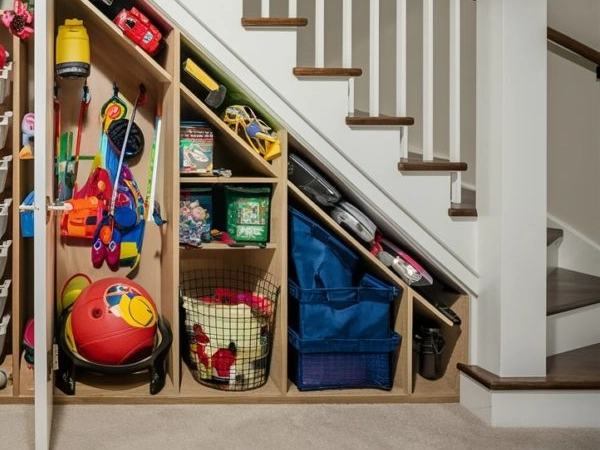
Expert advice: Plan storage into every piece of furniture. Stairs with built-in storage can add 50+ cubic feet of space. Your tiny home storage solutions need to be everywhere.
Build Storage Into Everything
Build storage into stairs, under beds, and in lofts. Use vertical wall space with shelving up to the ceiling. Choose Murphy beds with built-in cabinets. Install storage ottomans and benches. Plan for at least 10% of square footage as dedicated storage for proper small space organization.
