
Your tiny house doesn’t have to feel cramped. Living in 400 square feet or less means every inch counts, and you need smart solutions that work hard without making your space feel cluttered or overcrowded.
The tiny home market grew to $21.9 billion in 2024, and people living in tiny homes have a 45% lower ecological footprint than the average American, according to Today’s Homeowner. Whether you’re new to small living or looking to refresh your space, you’ll discover 21 proven tiny house interior ideas that maximize space, add hidden storage, and keep your home stylish and functional in 2025.
Multi-Functional Furniture That Works Double Duty
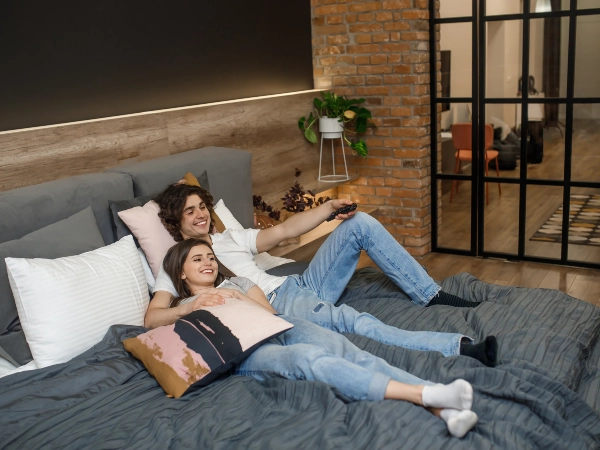
Multi-functional furniture is a key trend in tiny house design for 2025, with pieces like sofas that transform into beds or dining tables that double as workspaces, according to TinyHousePlans. When you’re working with limited square footage, every piece needs to earn its place by serving multiple purposes.
Murphy Beds That Transform Your Space
Murphy beds remain one of the most intelligent space-saving furniture choices for small homes. These wall-mounted beds fold up completely during the day, freeing up valuable floor space for living, working, or entertaining. Modern versions come with built-in shelving and desks that stay accessible even when the bed is down.
Sofa Beds with Hidden Storage

Sofa beds with hidden storage take convertible furniture to the next level. Look for models with pull-out drawers underneath or lift-up seats that reveal storage compartments, perfect for stashing bedding, seasonal clothes, or household items you don’t need on a daily basis.
Convertible Dining Tables
Convertible dining tables adapt to your needs throughout the day. Choose expandable options that seat two for breakfast but extend for dinner parties, or wall-mounted drop-leaf tables that fold flat when not in use.
Ottoman Storage Seats

Ottoman storage seats provide comfortable seating while hiding away books, blankets, or electronics inside. Place them in your living area or at the foot of your bed for maximum versatility.
Wall-Mounted Fold-Down Desks
Wall-mounted fold-down desks create a dedicated workspace without permanently sacrificing floor space. When work is done, simply fold the desk up against the wall and reclaim your living area. This type of multi-functional furniture lets you maintain distinct zones in your tiny house without building permanent walls.
Go Vertical with Wall-Mounted Storage

Vertical storage solutions like shelving and wall-mounted units maximize storage capacity while maintaining uncluttered spaces. When floor space is limited, utilize your walls—often underused real estate in tiny house design.
Floor-to-Ceiling Shelving Units
Floor-to-ceiling shelving units make use of every available inch from bottom to top. These tall storage solutions draw the eye upward, creating the illusion of higher ceilings while providing ample space for books, decorative items, and everyday essentials. Choose open shelving to keep your space feeling airy.
Floating Shelves for Display and Storage

Floating shelves offer a minimalist approach to wall-mounted storage without the visual bulk of traditional brackets. Install them in the kitchen for spices and dishes, in the bathroom for toiletries, or in the living area for plants and photos. Stagger them at different heights for visual interest.
Wall-Mounted Cabinets
Wall-mounted cabinets provide concealed storage that keeps clutter out of sight. Install them above countertops in the kitchen, over the toilet in the bathroom, or along empty wall space in your bedroom to store items you don’t need to access constantly.
Overhead Storage Above Doorways
Overhead storage above doorways captures dead space that’s typically wasted. Add shallow shelves or small cabinets above door frames to store seasonal items, extra linens, or items you rarely use.
Pegboards for Flexible Organization

Pegboards offer customizable vertical storage for kitchen utensils, tools, or craft supplies. Rearrange hooks and baskets as your needs change, making pegboards perfect for workshop areas where flexibility matters most.
Use the Space Under Your Stairs
The space beneath stairs can be turned into additional storage compartments or shelving units, providing a practical approach to enhance functionality, according to Janebarnesinteriors. This often-overlooked area is prime real estate for stair storage solutions that keep your tiny house organized.
Built-in drawers in stair risers

Built-in drawers in stair risers transform each step into hidden storage. These pull-out compartments are perfect for shoes, tools, or seasonal items you want tucked away but still accessible. Each riser becomes a functional storage unit without adding visual clutter.
Pull-out storage compartments
Pull-out storage compartments installed beneath the entire staircase can house larger items like luggage, camping gear, or cleaning supplies. Add wheels or slides for easy access to items stored in the back.
Pet nooks under stairs
Pet nooks under stairs create a cozy den for your furry friends. Add a cushion and a small door to give pets their own designated space that doesn’t compete with your living area.
Pantry Space
Pantry space works perfectly in the triangular area under the stairs near the kitchen. Install narrow shelving for canned goods, spices, and dry goods, maximizing under-stair solutions practically.
Coat Closets
Coat closets fit naturally beneath stairs near your entryway. Add hooks, a shoe rack, and a shelf for hats and bags to create an organized drop zone for daily essentials.
Smart Bedroom Solutions for Better Sleep

Murphy beds, nesting tables, and convertible sofas are essentials for maximizing living room space in 2025, according to Golden State ADUs. The same smart thinking applies to tiny house bedroom design, where bed storage and sleeping arrangements can make or break your comfort and functionality.
Loft Bedrooms to Free Floor Space
Loft bedrooms are a signature feature of tiny house design, elevating your sleeping area to free up valuable floor space below. Position your loft bedroom above the bathroom, kitchen, or living area to create distinct zones without walls. This vertical approach doubles your usable square footage.
Beds with Built-In Drawer Storage

Beds with built-in drawer storage eliminate the need for separate dressers. Look for frames with deep drawers on both sides to store clothes, linens, and personal items. This bed storage solution keeps everything within arm’s reach while maintaining a clean, organized bedroom.
Platform Beds with Lift-Up Mattresses
Platform beds with lift-up mattresses reveal cavernous storage underneath—perfect for bulky items like luggage, seasonal clothing, or extra bedding. Hydraulic lifts make accessing this hidden space effortless, even when your bed is fully made.
Wall-Mounted Nightstands

Wall-mounted nightstands save precious floor space while keeping essentials close. Choose floating shelves or small cabinets that attach directly to the wall beside your bed, creating surface space without reducing your walking area.
Headboards with Hidden Compartments
Headboards with hidden compartments add storage behind or above your pillow. Built-in shelving, cubbies, or fold-down panels provide space for books, phones, and glasses without requiring additional furniture in your tiny house bedroom.
Kitchen Organization That Actually Works

In 2025, there’s growing demand for kitchenette layouts with full counter space and modern appliances, according to Golden State ADUs. A well-organized tiny house kitchen maximizes every inch while keeping cooking tools and ingredients easily accessible through smart kitchen storage solutions.
Pull-Out Pantry Systems
Pull-out pantry systems fit into narrow gaps between appliances or cabinets, transforming unused space into organized food storage. These vertical units slide out smoothly, giving you full visibility of spices, canned goods, and dry ingredients without digging through crowded shelves.
Magnetic Knife Strips

Magnetic knife strips mounted on walls or backsplashes keep your blades sharp, safe, and within reach. This simple solution frees up counter and drawer space while adding a professional chef aesthetic to your small kitchen ideas.
Hanging Pot Racks
Hanging pot racks suspended from the ceiling or mounted on walls turns cookware into decorative storage. Install them above your stove or island to keep frequently used pots and pans accessible while clearing out precious cabinet space.
Corner Cabinet Solutions

Corner cabinet solutions like lazy Susans or pull-out shelving systems make awkward corner spaces functional. These rotating or sliding mechanisms ensure nothing gets lost in the back of deep cabinets, maximizing storage in traditionally wasted areas.
Rolling Kitchen Carts
Rolling kitchen carts provide mobile counter space and storage that moves wherever you need it. Use them as a prep station, bar cart, or extra pantry storage, then roll them out of the way when you need more floor space in your tiny house kitchen.
Bring in Natural Light to Open Up Space

Large windows, skylights, and glass doors connect interior spaces with the outdoors, making tiny homes feel more open and spacious. Maximizing natural light is one of the most effective ways to create an inviting atmosphere.
Large Windows and Skylights
Large windows and skylights flood your interior with sunlight, eliminating the cave-like feeling that can plague small spaces. Position tiny house windows strategically to capture morning light in the bedroom and evening sun in the living area. Skylights above lofts or kitchens bring light to areas where wall windows aren’t practical.
Glass Doors

Glass doors, whether sliding patio doors or French doors, create seamless transitions between indoor and outdoor spaces. They visually expand your square footage by borrowing views from outside while maximizing natural light throughout the day.
Mirrors to Reflect Light
Mirrors strategically placed opposite windows bounce natural light deeper into your space. Large mirrors create the illusion of additional windows, making rooms feel twice as spacious. Position them across from your brightest windows in your tiny house for maximum impact.
Light-Colored Walls

Light-colored walls in whites, creams, or pale grays reflect natural light rather than absorbing it. These bright surfaces amplify the sunlight coming through your windows, making your entire space feel airy and open.
Clerestory Windows
Clerestory windows positioned high on walls bring in natural light without sacrificing privacy or wall space. These elevated skylights work perfectly in bathrooms or bedrooms where you want brightness without exposing your interior.
Hidden Storage Compartments

Hidden storage compartments revolutionize tiny houses by maximizing space without cluttering the interior, according to Janebarnesinteriors. These clever storage solutions keep your belongings organized and out of sight while maintaining a clean, minimalist aesthetic.
Storage Ottomans
Storage ottomans serve triple duty as seating, footrests, and secret compartments for blankets, games, or electronics. Place them in your living area to hide everyday items without adding visible clutter.
Lift-Up Coffee Tables

Lift-up coffee tables feature tops that raise to reveal hidden storage underneath. Store remote controls, magazines, or laptop accessories inside while keeping your surface clear and functional.
Hidden Wall Compartments
Hidden wall compartments disguised as regular panels create secret storage for valuables, important documents, or emergency supplies. These recessed spaces blend seamlessly into your walls without taking up floor space.
Under-Bed Storage Bins

Under-bed storage bins on wheels slide easily beneath your bed frame, providing accessible space for seasonal clothing, shoes, or extra linens. Choose shallow bins that maximize this often-wasted area.
False-Bottom Drawers
False-bottom drawers add a secret layer beneath regular drawer contents. Lift the false bottom to access hidden storage for jewelry, cash, or items you want extra security for. The ultimate clever storage solution.
Color Choices That Make Rooms Feel Bigger

In 2025, tiny homes are embracing rich, moody color palettes that evoke warmth and intimacy, with deep hues like forest green, burnt sienna, and midnight blue, according to Wolf Valley. Strategic tiny house colors can transform how spacious or cozy your home feels.
Light Neutral Palettes
Light neutral palettes in whites, beiges, and soft grays reflect light throughout your space, making walls visually recede. These paint colors create an airy, open atmosphere that’s perfect for main living areas.
Moody Accent Walls

Moody accent walls in one rich color add depth and personality without overwhelming your space. Choose a single wall to paint in a dramatic shade while keeping other walls light.
Deep Colors for Intimacy
Deep colors like navy, charcoal, or forest green create cozy, intimate spaces in bedrooms or reading nooks. These color schemes make small areas feel intentionally snug rather than cramped.
White Ceilings to Add Height

White ceilings draw the eye upward, creating the illusion of taller walls and more vertical space. This classic trick works with any wall color you choose.
Monochromatic Schemes
Monochromatic schemes using various shades of one color create visual continuity that makes spaces flow seamlessly. This approach eliminates jarring transitions between rooms in your tiny house.
Built-In Seating with Storage Below

Built-in seating creates comfortable gathering spaces while hiding valuable storage underneath. This dual-purpose approach maximizes every square inch by combining furniture and bench storage in one cohesive design.
Window Seat Benches
Window seat benches transform sunny spots into cozy reading nooks with lift-up seats that reveal storage for books, blankets, or seasonal items. Add cushions and pillows to create an inviting space that doesn’t require additional furniture.
Dining Banquettes

Dining banquettes fit snugly along walls, providing comfortable seating for meals while incorporating drawers or lift-up compartments below. This banquette style eliminates the need for bulky dining chairs and creates a café-like atmosphere.
Built-In Sofas with Drawers
Built-in sofas with drawers underneath offer living room seating without sacrificing storage space. Pull-out drawers hold everything from board games to extra linens, keeping your main living area clutter-free.
Corner Bench Seats

Corner bench seats maximize awkward angles by creating L-shaped built-in seating with storage access from multiple sides. These work perfectly in breakfast nooks or small living areas.
Entry Hall Benches
Entry hall benches near your door provide a spot to sit while putting on shoes, with hidden compartments below for storing footwear, bags, or outdoor gear you need to grab quickly.
Sliding Doors to Save Floor Space

Sliding doors create a more open and flexible layout, optimizing the functionality of bathrooms while maintaining a stylish interior, according to Janebarnesinteriors. These space-saving doors eliminate the floor space required for traditional swing doors, making them essential in tiny house design.
Barn-Style Sliding Doors
Barn-style sliding doors mounted on exterior tracks add rustic charm while separating bedrooms or bathrooms. These barn doors slide parallel to the wall, requiring zero floor clearance and creating a striking design statement.
Pocket Doors

Pocket doors disappear completely into wall cavities when open, making them the ultimate space-saving doors. Install them between your bedroom and bathroom or to close off your kitchen from the living area when needed.
Sliding Bathroom Doors
Sliding bathroom doors work perfectly in tight quarters where a swinging door would block walkways or hit fixtures. Mount them on the outside of the wall to maintain privacy without sacrificing precious square footage.
Room Dividers on Tracks

Room dividers on tracks create flexible spaces that adapt to your needs. Slide them closed for privacy or open them completely to maintain an open floor plan.
Closet Sliding Doors
Closet sliding doors, whether mirrored or solid, provide full access to your wardrobe without the swing radius that traditional doors demand in narrow spaces.
Add Personality with Vertical Gardens

Indoor gardens and living walls bring nature indoors to improve air quality and create a calming environment, according to Resident. Biophilic design, which incorporates natural elements into interiors, enhances the occupants’ well-being, notes Kubbio. Vertical gardens let you enjoy indoor plants without sacrificing valuable floor or counter space.
Living Wall Planters
Living wall planters create stunning focal points while purifying your air. Mount modular planting systems on empty walls to grow herbs, succulents, or trailing vines that add life and color to your interior.
Hanging Plant Systems

Hanging plant systems suspended from ceilings or mounted on brackets bring greenery to eye level without using surface space. Macramé hangers or modern metal holders work beautifully in corners or near windows.
Window Herb Gardens
Window herb gardens provide fresh ingredients for cooking while maximizing natural light. Install small pots or tiered shelving in kitchen windows to grow basil, mint, and cilantro within easy reach.
Shelf Gardens

Shelf gardens arrange multiple plants at varying heights on floating shelves or bookcases. This approach incorporates biophilic design throughout your space without dedicated planting areas.
Air Plants on Walls
Air plants on walls require no soil and minimal maintenance. Mount them in geometric holders, glass terrariums, or directly on driftwood for an effortless vertical garden display.
Modular Furniture You Can Rearrange

Modular furniture adapts to your changing needs, providing the flexibility tiny house living demands. These reconfigurable pieces let you transform your space for different activities without committing to a permanent layout.
Modular Sofas
Modular sofas consist of individual sections that snap together in various configurations. Rearrange them into an L-shape for movie nights, separate them into individual seats for guests, or push them together for lounging.
Stackable Storage Cubes

Stackable storage cubes create custom shelving systems that grow with your needs. Stack them vertically for a bookshelf, arrange them horizontally as a TV stand, or scatter them as side tables throughout your space.
Nesting Tables
Nesting tables tuck neatly inside each other when not in use, then pull out to provide multiple surfaces when entertaining. This flexible furniture solution gives you extra table space without a permanent commitment.
Movable Shelving Units

Movable shelving units on wheels roll wherever you need them. Use them as room dividers, kitchen pantry storage, or bedside tables that relocate based on your daily activities.
Reconfigurable Room Dividers
Reconfigurable room dividers featuring hinged panels or sliding screens create privacy on demand. Fold them away for an open floor plan or position them to separate sleeping and living areas as needed.
Use Sustainable Materials

In 2025, tiny house design emphasizes sustainable materials, including reclaimed wood, bamboo, recycled metal, and low-VOC finishes. These eco-friendly choices reduce environmental impact while creating healthier living spaces.
Reclaimed Wood
Reclaimed wood from old barns, factories, or demolished buildings adds character and history to your tiny house. Use it for accent walls, shelving, or countertops to create unique features while keeping materials out of landfills.
Bamboo Flooring

Bamboo flooring offers durability comparable to hardwood while being rapidly renewable. This sustainable material resists moisture better than traditional wood, making it ideal for tiny house bathrooms and kitchens.
Low-VOC Paints
Low-VOC paints release fewer harmful chemicals into your limited air space, improving indoor air quality. Choose zero-VOC options for bedrooms and living areas where you spend the most time.
Recycled Metal Fixtures

Recycled metal fixtures for lighting, hardware, and appliances reduce mining impacts while adding industrial style. Look for reclaimed copper, steel, or aluminum elements throughout your design.
Cork Surfaces
Cork surfaces work beautifully as flooring, wall coverings, or bulletin boards. This renewable, antimicrobial material provides natural insulation and sound dampening in your compact space.
Smart Home Technology Integration

Smart home systems in 2025 will control tiny houses, control lighting, temperature, security, and appliances via smartphone apps. Home automation makes small spaces more comfortable and efficient while reducing energy consumption.
Voice-Activated Lighting
Voice-activated lighting lets you control brightness and ambiance without reaching for switches. Command your lights on or off, dim them for movie nights, or schedule automated routines that match your daily rhythm in your smart tiny house.
Smart Thermostats

Smart thermostats learn your temperature preferences and adjust heating or cooling automatically. Monitor and control your climate remotely through smartphone apps, ensuring your tiny house is comfortable when you arrive while minimizing energy waste.
Automated Window Shades
Automated window shades open at sunrise to welcome natural light or close during hot afternoons to reduce cooling costs. Program them to adjust throughout the day for optimal temperature control and privacy.
App-Controlled Appliances

App-controlled appliances let you preheat your oven, start your coffee maker, or monitor your refrigerator from anywhere. This smart home convenience is especially valuable in compact kitchens where timing matters.
Security Systems
Security systems with cameras, motion sensors, and smartphone alerts keep your tiny house protected whether you’re home or away, providing peace of mind in a connected package.
Bathroom Storage Solutions

Built-in shelves are essential for keeping bathroom essentials organized and easily accessible, while medicine cabinets offer a stylish way to store toiletries, according to Janebarnesinteriors. Smart bathroom storage transforms your tiny house bathroom into a functional, clutter-free retreat without sacrificing style.
Over-Toilet Shelving
Over-toilet shelving captures vertical space that typically goes unused in small bathroom designs. Install floating shelves or a freestanding unit above your toilet to store towels, toiletries, and decorative items within easy reach.
Recessed Medicine Cabinets

Recessed medicine cabinets built into wall cavities provide hidden storage without protruding into your limited floor space. These built-in solutions keep medications, cosmetics, and grooming supplies organized behind mirrored doors.
Floating Vanities
Floating vanities mounted to walls create the illusion of more floor space while providing storage underneath. The open area below makes your bathroom feel larger and offers spots for baskets or cleaning supplies.
Wall-Mounted Dispensers

Wall-mounted dispensers for soap, shampoo, and lotion eliminate countertop clutter while keeping essentials accessible. These streamlined fixtures attach directly to shower walls or above sinks in your tiny house bathroom.
Corner Shower Caddies
Corner shower caddies maximize awkward angles inside showers by providing tiered bathroom storage for products. Choose tension-pole models or permanent fixtures that make the most of every inch.
Create Zones in Open Spaces

Homeowners are incorporating subtle room dividers, multifunctional furniture, and strategic lighting to create distinct spaces within open homes, according to Pratt Homes. Defining separate zones within your open floor plan helps tiny houses feel organized and purposeful rather than chaotic.
Use Rugs to Define Areas
Use rugs to visually separate living, dining, and sleeping spaces without building walls. Place a large rug under your sofa to anchor the living zone, then position a smaller rug beneath your dining table to distinguish the eating area.
Room Dividers and Screens

Room dividers and screens create flexible privacy when needed. Choose folding screens, curtains on ceiling tracks, or open shelving units that separate spaces while maintaining airflow and light in your zone living arrangement.
Furniture Placement
Furniture placement naturally defines boundaries between zones. Position your sofa with its back to the kitchen to create a psychological barrier, or angle a bookshelf perpendicular to the wall to separate your workspace from your bedroom.
Different Lighting Zones

Different lighting zones help distinguish areas by function. Use pendant lights over dining tables, floor lamps in reading corners, and recessed lighting in kitchens to create distinct atmospheres throughout your open floor plan.
Color Blocking
Color blocking with paint or wallpaper defines zones without the need for physical barriers. Paint your sleeping area a calming blue, while keeping the living spaces neutral, to create visual separation in your tiny house.
Energy-Efficient Lighting Design

Energy-efficient lighting is essential for tiny house living. LED lighting offers significant energy savings while providing excellent illumination. Strategic placement of various lighting types creates a layered approach that enhances both functionality and ambiance in compact spaces.
LED Strip Lighting
LED strip lighting works beautifully along ceiling edges, under stairs, or in toe-kick spaces, adding subtle accent lighting that makes rooms feel larger while consuming minimal energy.
Under-Cabinet Lights

Under-cabinet lights are particularly valuable in tiny house kitchens, illuminating work surfaces without occupying precious counter space and providing focused task lighting where you need it most.
Wall Sconces
Wall sconces serve double duty by providing ambient lighting while freeing up floor and surface areas that would otherwise accommodate lamps, making them ideal for space-conscious designs.
Pendant Lights

Pendant lights above dining areas or kitchen islands add visual interest and focused task lighting, creating distinct zones within your compact living space.
Task Lighting Solutions
Adjustable task lighting near reading nooks or workspaces ensures proper illumination. Modern LED technology allows dimming and color temperature adjustments to customize atmosphere throughout the day. These energy-efficient solutions create well-lit, inviting spaces with minimal power consumption.
Personalize with Minimalist Decor

Creating a personalized tiny house means being intentional about every piece you display. Minimalist decor embraces quality over quantity, showcasing items that matter while maintaining clutter-free spaces. Select pieces that serve both aesthetic and practical purposes, reflecting your style without overwhelming limited space.
Curated Artwork
Choose a few meaningful art pieces that resonate with you rather than filling every wall. A single large statement piece or small gallery wall can add personality without creating visual chaos in your tiny house decor.
Personal Textiles

Incorporate throw pillows, blankets, and rugs in your favorite colors and textures. These elements add warmth and comfort while being easy to swap out seasonally.
Meaningful Heirlooms
Display cherished family heirlooms or sentimental objects that tell your story. Select only your most treasured pieces to honor their significance without cluttering surfaces.
Statement Pieces

One bold statement piece—whether a unique chair, striking lamp, or sculptural object—can anchor a room and express your personal style more effectively than multiple small items.
Functional Decor
Choose decorative items that also serve a purpose, such as beautiful storage baskets, elegant hooks, or artistic shelving. This approach to minimalist decor ensures every item earns its place in your space.
Outdoor Living Extensions

Expanding your living space beyond four walls is essential for comfortable tiny house living. Outdoor living extensions effectively double your usable square footage while connecting you with nature and providing areas for relaxation and entertainment. These additions transform your tiny house porch and surrounding areas into functional rooms that enhance your overall quality of life.
Fold-Out Decks
Fold-out decks maximize your deck space when needed and tuck away when not in use. These innovative platforms create instant outdoor dining or lounging areas without permanently increasing your footprint.
Window Boxes

Window boxes add charm and functionality by bringing greenery to your exterior walls. They provide space for herbs, flowers, or small vegetables without requiring ground-level garden space.
Porch Seating
Built-in porch seating creates comfortable gathering spots while incorporating hidden storage underneath. Benches with lift-up seats offer practical solutions for cushions, gardening tools, or outdoor supplies.
Outdoor Storage

Dedicated outdoor storage sheds or weatherproof deck boxes keep seasonal items, tools, and recreational equipment organized without cluttering your interior living space.
Awnings and Canopies
Retractable awnings and canopies extend your outdoor living season by providing shade and weather protection. These additions create comfortable covered areas for year-round enjoyment of your outdoor space.
Custom Built-Ins for Perfect Fit

Custom built-ins are the secret to maximizing every inch of your tiny house while maintaining a seamless, polished aesthetic. Unlike standard furniture that leaves awkward gaps and wasted space, built-in storage and custom cabinetry are designed to fit your exact dimensions and specific needs. This tailored design approach ensures that no space goes unused while creating a cohesive, intentional look throughout your home.
Custom Closets
Custom closets utilize vertical space efficiently with specialized hanging rods, adjustable shelving, and integrated drawer systems designed precisely for your wardrobe and storage requirements.
Built-In Bookshelves

Built-in bookshelves transform empty walls into functional storage, accommodating books, decorative items, and personal belongings while adding architectural interest to your interior.
Tailored Cabinetry
Tailored cabinetry fits seamlessly into unique spaces like sloped ceilings, awkward corners, or narrow hallways, turning challenging areas into valuable storage solutions.
Window Seats

Window seats with lift-up lids provide cozy reading nooks while concealing built-in storage for linens, seasonal items, or rarely used belongings beneath cushioned seating.
Corner Units
Corner units capitalize on often-wasted angular spaces with custom shelving, rotating carousels, or pull-out drawers that make these tricky areas fully accessible and functional.
