
You bought that beautiful mirror to make your tiny home feel bigger. But your space feels even more cramped than before. You followed the advice. “Mirrors create an illusion of space,” they said. “Hang mirrors everywhere,” the blogs promised. So you did. You measured.
You hammered. You hung that gorgeous mirror exactly where you thought it should go. And nothing changed. Your apartment still feels like a shoebox. Maybe it even feels worse now.
Nobody told you that wrong mirror placement actually shrinks spaces. Is that mirror hanging too high? It’s reflecting your ceiling, not your room. The one facing your cluttered corner? You just doubled your mess. Those three small mirrors on different walls? They’re creating chaos, not openness.
#1. Hanging Mirrors Too High (And Why It Backfires)
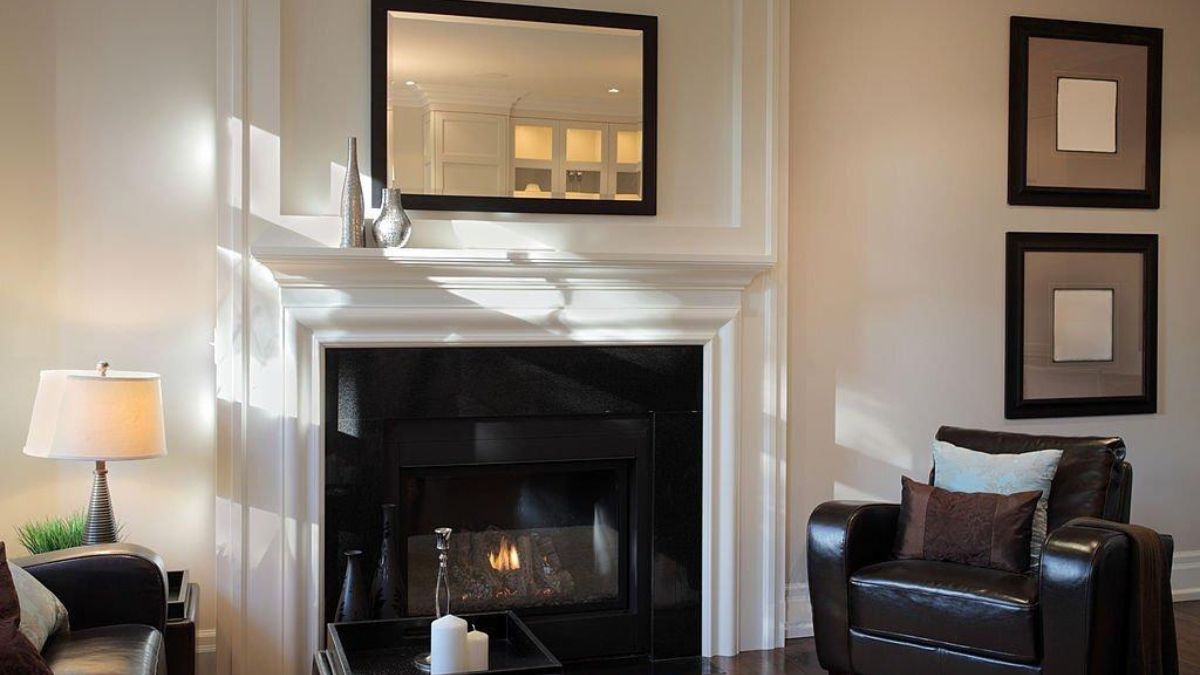
Your mirror hangs above your dresser. You can see the top of your head. Maybe your ceiling. But not your outfit. That’s the problem.
Most people hang mirrors way too high. They eyeball it, consider “that looks centered,” and grab the hammer. But that mirror now reflects your ceiling. Not your room. Not the light from your windows. Just blank ceiling space.
Right Height Matters
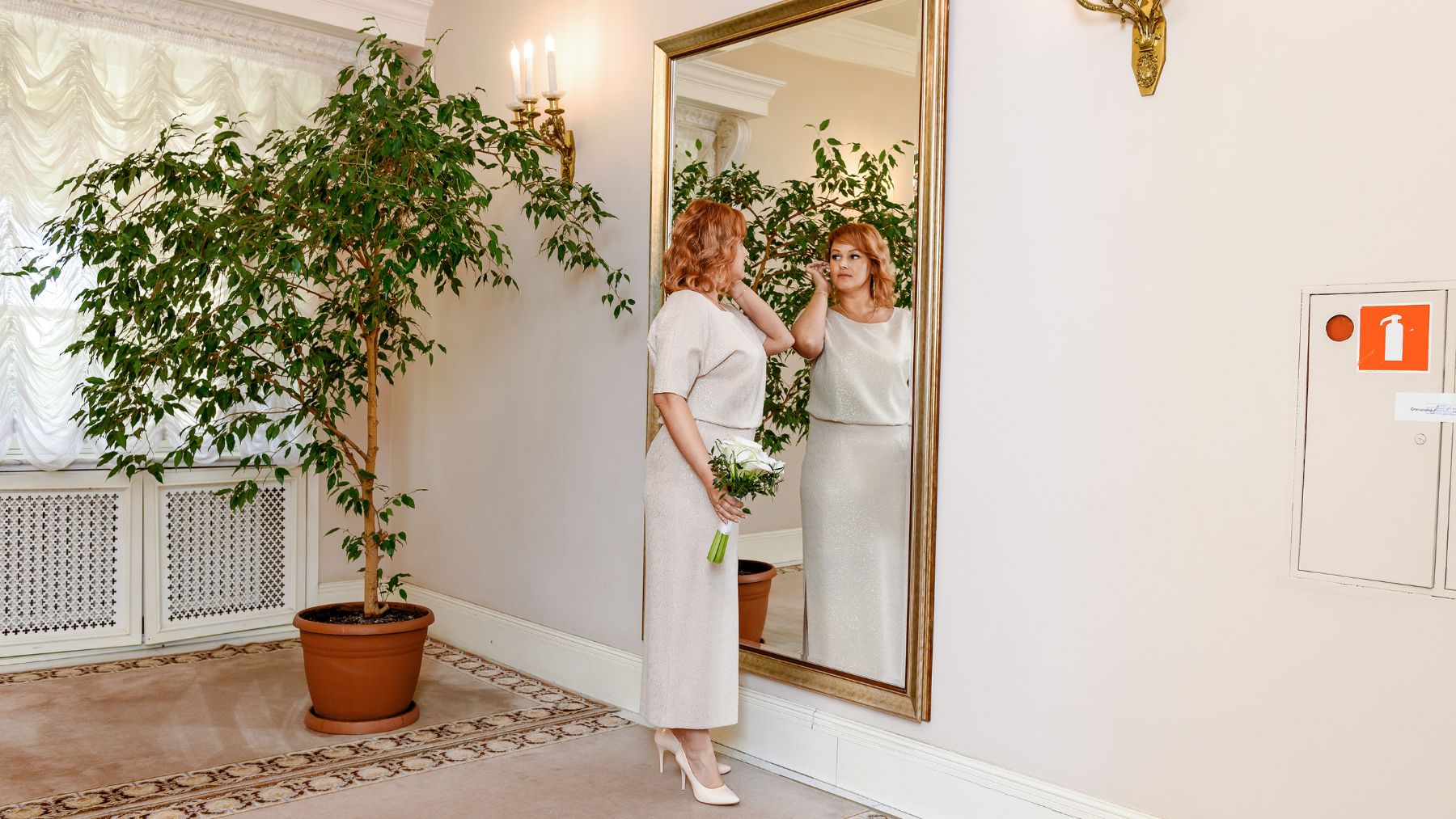
Mirrors work best at 57 to 65 inches from the floor to the center. That’s eye level for most people. At this height, your mirror actually reflects the room. It catches light. It shows space. It does its job.
When you hang mirrors too high, you create this weird gap between your furniture and the mirror’s bottom edge. It looks disconnected. Your dresser sits there. Your mirror floats above it. They don’t relate to each other at all.
#2. What Your Mirror Reflects Matters More Than Size

Most people obsess over mirror size. They compare prices. They worry about frames. But they forget the most important thing, what the mirror actually reflects, the mirror facing your unmade bed. It shows chaos twice.
What happens when you ignore reflections? The mirror pointed at your blank wall? It reflects nothing useful. The one catching direct sunlight? It creates glare that hurts your eyes and can actually damage the mirror over time. These aren’t small problems. They’re actively making your small space feel worse.
Reflect Windows And Natural Light

When your mirror faces a window, something magical happens. Natural light hits the glass and bounces back into your room. Your space suddenly feels twice as bright. You’re not adding electricity. You’re just using what you already have more smartly. Place your mirror directly across from a window and watch your dark corner disappear.
Reflect Artwork, Plants, or Interesting Decor

A mirror showing your favorite painting gives that art double the attention. Your eye catches it twice. Same with plants. One fiddle leaf fig becomes two in the reflection. This adds visual interest without adding more stuff to your already tight space. The room feels fuller but not crowded.
Reflect Open Doorways And Hallways

The mirror behind your lamp amplifies that glow. One lamp now lights like two. This matters in small spaces where you can’t fit multiple light sources. A pendant light reflected in your mirror? Double the ambiance. You get more brightness without more clutter or higher electric bills.
Just position your mirrors to reflect light, beauty, and openness instead of mess and blank space. That’s how you actually use mirrors to make small spaces work. The mirror isn’t the problem. Where it’s pointing is.
#3. Too Small (Or Way Too Big) Ruins Everything

Too small and it gets lost. Too big and it overwhelms everything. You need the Goldilocks zone, and most people miss it completely. Walk into a room with a 12-inch mirror on an 8-foot wall.
Your eye barely notices it. It doesn’t create any illusion of space. It just hangs there looking decorative and useless. Small mirrors or even groupings of small mirrors can’t trick your brain into thinking the room is bigger. They’re just small mirrors.
What Actually Works In 2025

Oversized mirrors and full-length mirrors dominate small space design right now, but they’re used smartly. A large rectangular mirror mounted across from your window, that enhances brightness and adds depth without the confusion. It’s big enough to matter, but not so big that it consumes the wall.
Measure your wall width. Your mirror should take up about one-third to two-thirds of that space. An 8-foot wall needs a mirror that’s roughly 32 to 64 inches wide. Not the entire 96 inches.
#4. When More Mirrors Make Your Space Feel Worse

More mirrors mean more space, right? Wrong.
Adding mirrors everywhere would make your tiny apartment feel huge. But your space starts feeling unstable. Your eye doesn’t know where to land. Reflections bounce off other reflections. The room feels busy instead of open.
Five small mirrors scattered across different walls don’t create spaciousness. They create visual noise. Your brain tries to process all those reflections at once and gets overwhelmed.
Full wall mirrors create this problem, too. That entire mirrored wall in your 10×10 bedroom looks dramatic in the store. But at home? It’s confusing. You walk in and can’t tell which side is real.

The constant reflection feels unsettling instead of spacious. Too many mirrors also mean too many things to keep clean. Fingerprints everywhere. Smudges multiplied. Dust is showing on every surface.
Strategic Placement Beats Quantity Every Single Time
One large mirror placed across from your window does more than three random mirrors on three walls. In narrow hallways, mirrors on opposite walls can actually work. The multiple reflections make the tight space feel wider.
But this is the exception, not the rule. And it only works in walkways where you’re moving through, not living in the space. One statement mirror placed with purpose looks like a design.
#5. Shape and Frame Mistakes That Shrink Your Space

Look at that thick, ornate gold baroque frame taking up 4 inches all around your mirror. In a 100 square foot studio, that heavy frame makes everything feel packed. The frame itself becomes furniture.
It demands attention. It weighs down your wall. Your eye sees the frame first, the mirror second, and suddenly your small space feels even smaller. Heavy frames in tiny spaces create visual weight.
That carved wood frame with all the details. It’s gorgeous in a mansion. In your apartment, it’s suffocating. Your brain registers all that bulk and complexity as “more stuff.” More stuff in a small room always feels like less space.

Frameless wall mirrors integrate seamlessly into modern interiors with a clean look. No visual interruption. No extra bulk. Just reflection is doing its job. The mirror becomes part of the wall instead of an object on the wall. Your space breathes.
Or go with a large mirror that has a small, minimalist frame. Thin metal in black or brass. Simple wood trim no thicker than an inch. The frame defines the mirror without overwhelming it. You get the polish of a finished edge without the weight.
#6. Where to Actually Put Mirrors in Tiny Spaces
Not every room needs the same mirror strategy. A Few ways, where mirrors work and where they backfire.
Living Rooms: Behind Your Furniture

Put a large mirror on the wall behind your sofa or accent chair. This creates the illusion of space behind your furniture. Your couch doesn’t look like it’s pushed against a wall anymore. Best mirror, 48 to 60 inches wide, horizontal orientation.
Common mistake, hanging a tiny mirror centered above a 7-foot sofa. It looks lost. Go bigger or skip it. But mirror opposite your window to catch natural light. Or position one to reflect your best decor, like a bookshelf or plant corner.
Bedrooms: Not Facing Your Bed

This matters more than you consider. A mirror directly facing your bed can disrupt your sleep. Some people find it unsettling. Others say it bounces too much energy around when you’re trying to rest. Best mirror, full-length mirror on a closet door or side wall, 24 to 36 inches wide.
What many people get wrong, mirrored closet doors directly across from the bed. If you’re stuck with these, angle them or use curtains at night. A better way, mirror on the wall perpendicular to your bed. You get function without the sleep disruption. Or put a standing mirror in the corner for outfit checks.
Bathrooms: Wall-Mounted Above the Sink

Wall-mounted mirrors save space in small bathrooms. No cabinet bulk. No frame eating up visual real estate. Just clean reflection where you need it. Match your vanity width or go 2 to 4 inches narrower, mounted directly above sink.
Common mistake, medicine cabinet mirror that’s too small for the vanity. It looks cheap and doesn’t provide enough reflection. Bonus, add a small tilted mirror on the counter for detail work. But keep your main mirror simple and properly sized.
Entryways: Not Directly Facing the Door

Skip the mirror directly across from your front door. Some feng shui practitioners say it pushes energy right back out. Practical reason, guests walk in and immediately see themselves, which feels awkward. Also, you’re likely reflecting the outside or a boring door view.
Best mirror, on the wall perpendicular to your door, 30 to 40 inches wide. Common mistake, huge mirror facing the door creating that “funhouse entry” feeling. Purpose, use entry mirrors for last-minute appearance checks before leaving, not as a focal point when entering.
