
You started composting to reduce waste and create black gold for your garden. But right now, your pile is either a smelly, slimy mess or a dry mound of untouched twigs. The biological engine of your compost pile has stalled. It might be attracting pests. It might just be doing nothing at all.
This leaves you feeling like you lack a green thumb. Food and compostable materials make up about 20% of waste in landfills, based on the 2026 EPA. To identify the exact culprit behind your failing pile. Sensory clues like smell, touch, and temperature.
Cover common composting mistakes and give you rapid fixes based on current agronomy standards. Read on for easy compost pile troubleshooting and discover the main reasons compost fails.
CORE
1. Messing Up the Greens and Browns (C: N) Ratio
Result: Slimy, smelly rot and rapid ammonia loss.
Microbes have enough energy to fuel reproduction.
Result:
If your pile is a slimy, smelly mess, you have a problem. Or maybe it is a dry pile that refuses to break down. You probably messed up your carbon-to-nitrogen ratio. Think of it simply. Browns are the carbohydrates that give microbes energy. Greens are the proteins that help them multiply.
Too many greens make it smell bad. Too many browns make it stop working entirely. Washington State University and the EPA recommend an elemental ratio of 30 to 1. If you add high-nitrogen grass clippings, you must offset them. Grass is about 15 to 1.
You need high-carbon dry leaves at 50 to 1 or cardboard at 600 to 1 to balance it out. As a result, getting the compost ratio right is crucial. Paying attention to greens and browns in compost prevents these major composting mistakes.
The Fix: Aim for the EPA-recommended sweet spot of roughly 3 parts brown by volume to 1 part green.
2. Suffocating the Microbes (Poor Aeration)

If your pile smells like a dumpster on a hot July afternoon or rotten eggs, you lack air. Composting is strictly an aerobic process. This means it needs oxygen. Without oxygen, bad anaerobic bacteria take over. As a result, they produce hydrogen sulfide.
That is where the rotten egg smell comes from. Aerobic bacteria require oxygen levels above 5% to survive. Learning how to fix smelly compost always involves turning the compost and aerating the compost pile regularly.
The Fix: Turn the pile at least once a week with a pitchfork or a Landzie Compost Aerator to create a chimney effect for passive air flow.
3. Drowning or Dehydrating the Pile
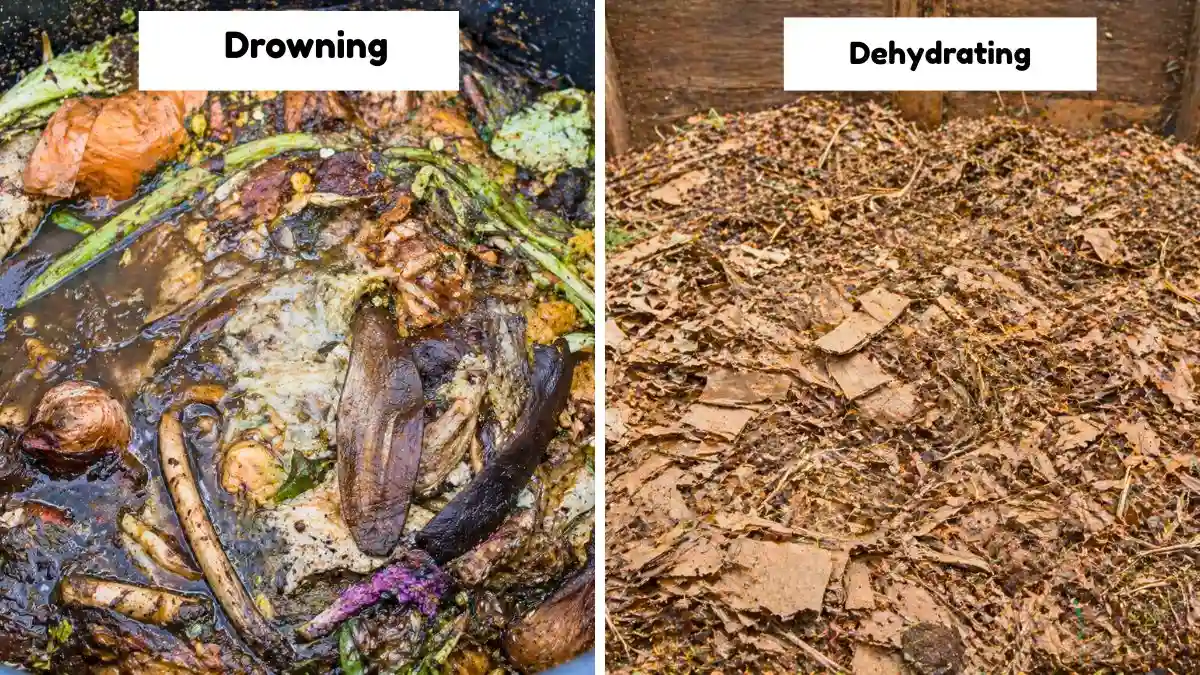
If your pile feels like dust or looks like a muddy puddle, your microbes are dying. Microbes live in the thin water films on the surface of organic matter. Too much heat makes the compost pile dry out. This causes a complete biological shutdown.
Too much water displaces oxygen. That leads to gross rot. Cornell University waste management data shows that the ideal compost moisture level is exactly 50% to 60% by weight. Getting this wrong is one of the biggest reasons compost fails.
The Fix: Do the wrung-out sponge test by squeezing a handful of compost. It should yield only one or two drops of water.
4. Tossing in the Wrong Kitchen Scraps
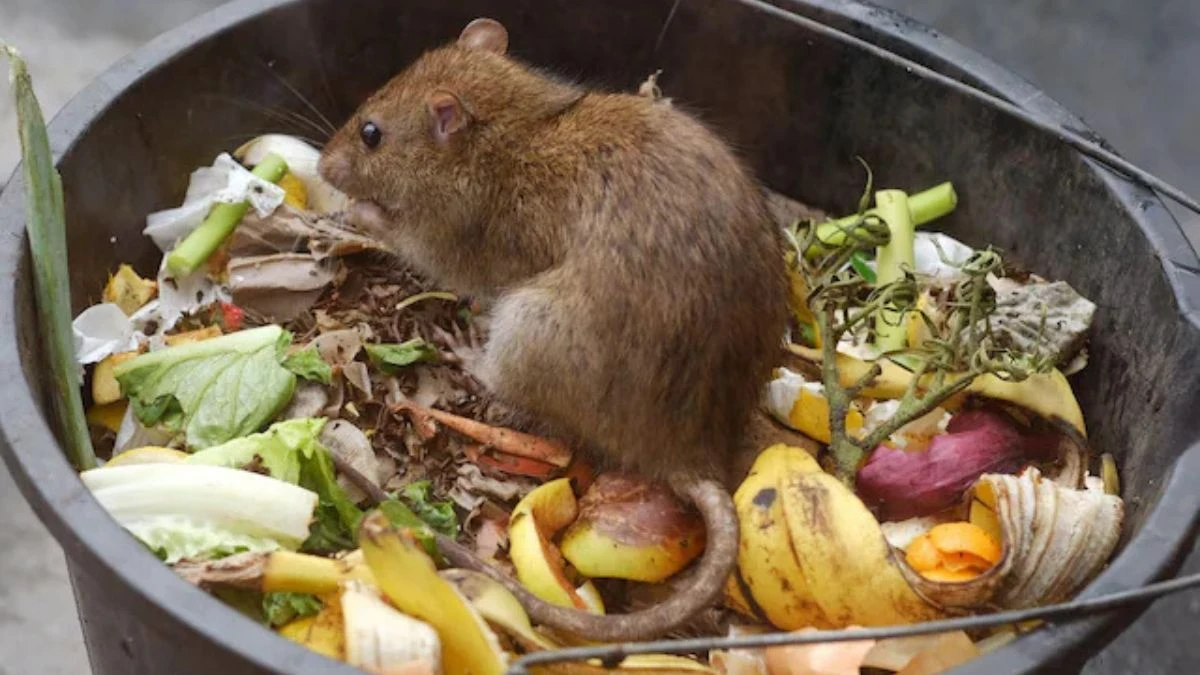
If you see raccoons, rodents, or maggots swarming your bin, look at what you threw inside. Not everything biodegradable belongs in a home bin. Meat, dairy, grease, and bones are massive attractants for pests.
Commercial facilities reach 150°F consistently to break down meats and bioplastics. But wait, there is a catch. USDA data shows small home bins rarely sustain the 131°F minimum required for three consecutive days to render these pathogens safe.
The Fix: Stick to plant-based kitchen scraps, eggshells, and coffee grounds to keep pests away.
5. Leaving Materials Too Large (Not Chopping)

If you can still recognize a whole pumpkin or un-torn cardboard from six months ago, your pieces are too big. Throwing thick branches into a bin guarantees they will take years to break down. Smaller particles increase the surface area for microbes to attack.
As a result, smaller particles dramatically accelerate the transition into the hot thermophilic stage. Shredding compost materials cuts decomposition time by months. If you want to speed up compost, you must stop doing this.
The Fix: Run over leaves with a lawnmower and chop kitchen scraps to 1 or 2 inches to help the microbes work faster.
6. Building a Pile That is Too Small

If your compost never gets warm in the center, your pile is probably too tiny. Size dictates heat retention. A pile that is too small dissipates heat into the air. This keeps the compost cold and slow. The golden rule of volume is 1 cubic meter. That is roughly a 3-foot-by-3-foot square.
This is the minimum mass required to achieve critical internal temperatures of 130°F to 160°F. Those hot temperatures kill weed seeds. Getting the ideal compost bin size makes hot composting possible and prevents constant compost pile troubleshooting.
The Fix: Build your pile to exactly 3 feet wide and 3 feet tall to trap the heat inside.
7. Adding Diseased Plants or Seedy Weeds
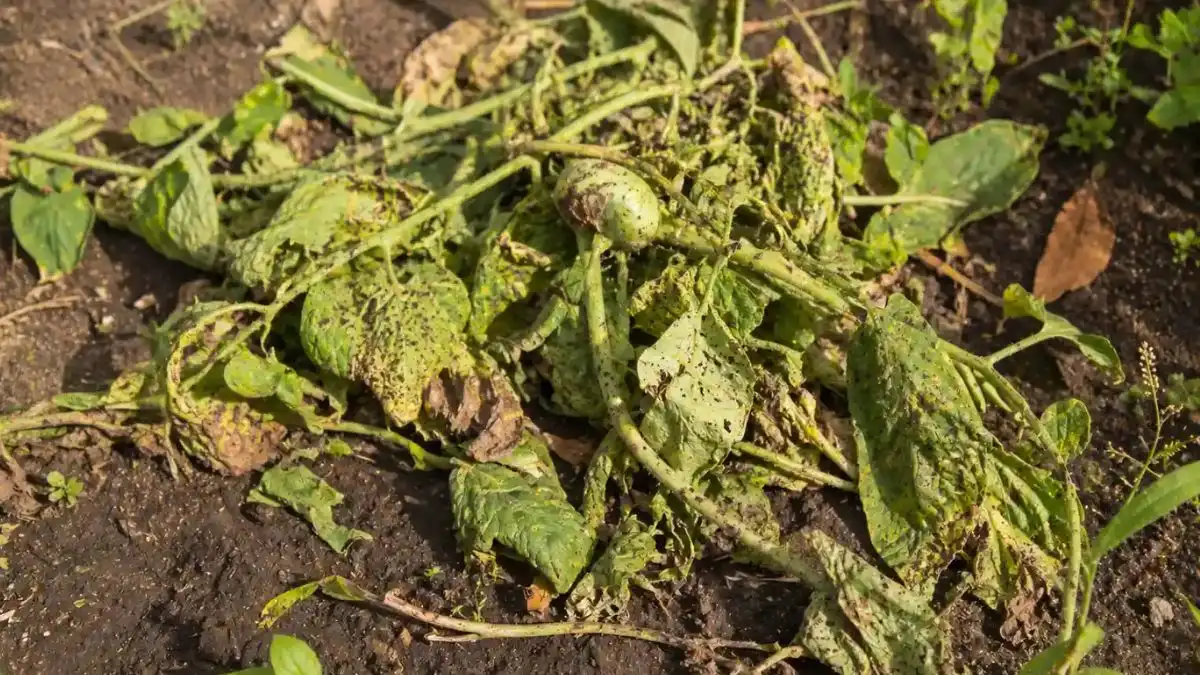
If weeds sprout directly from your garden beds after spreading fresh soil, you added unwanted plants to your bin. Gardeners often mistakenly throw blight-infected tomato leaves into their bins. They also toss in weeds that have gone to seed. Pathogens and seeds die off only if the pile reaches 145°F.
Beginner piles usually peak much lower. Because of this, those bad seeds survive. They will resprout when you apply the dirt later. Composting weeds and putting diseased plants in compost are terrible composting mistakes.
The Fix: Burn or bag diseased plants and mature weeds instead of putting them in your compost bin.
8. Picking the Wrong Location

If your bin dries out every two days or floods during rainstorms, it is sitting in the wrong spot. Location impacts evaporation rates. A pile in the baking summer sun will drop below the necessary 40% minimum moisture threshold within days.
This halts all decomposition. Placing the bin in a low-lying spot causes flooding. Where to put the compost bin matters deeply for your compost location. Picking a bad spot leads to endless compost pile troubleshooting.
The Fix: Choose a level, well-draining spot with partial shade to protect the microbes from extreme weather.
9. Harvesting the Compost Too Soon

If your plants turn yellow and die after you add fresh compost, you used it too early. Using unfinished compost actively harms plants. Unfinished compost is still decomposing. To counteract this, it will rob the surrounding soil of nitrogen to finish the job. This starves your garden.
The EPA recommends allowing the pile to cure for at least four weeks after active heating stops. Applying compost that is even 5°F to 10°F above ambient temperature hurts delicate plant roots. Knowing when compost is ready is important. Impatience is one of the worst reasons compost fails.
The Fix: Let the pile cure until it smells like a forest floor, looks like dark soil, and cools down completely.
