
Most gardeners know compost is good for their vegetables. But knowing that isn’t enough. You need to know how much to add, when to add it, and which method works for your situation. Without those answers, your compost sits unused or gets applied incorrectly.
Too little and your plants won’t notice it. Too much and you can actually damage your soil. And if you use compost that isn’t fully ready, you’ll make things worse, not better. How to use compost in your vegetable garden.
Brand-new beds to containers to mid-season feeding. Every step here is backed by university extension research, not just gardening folklore.
What Compost Actually Does For Your Vegetable Garden Soil?
Here’s something most gardeners don’t know: compost does two completely different jobs at the same time. Most people think of it as just fertilizer. But it’s also a soil fixer—both matter.
1. It Feeds Your Plants
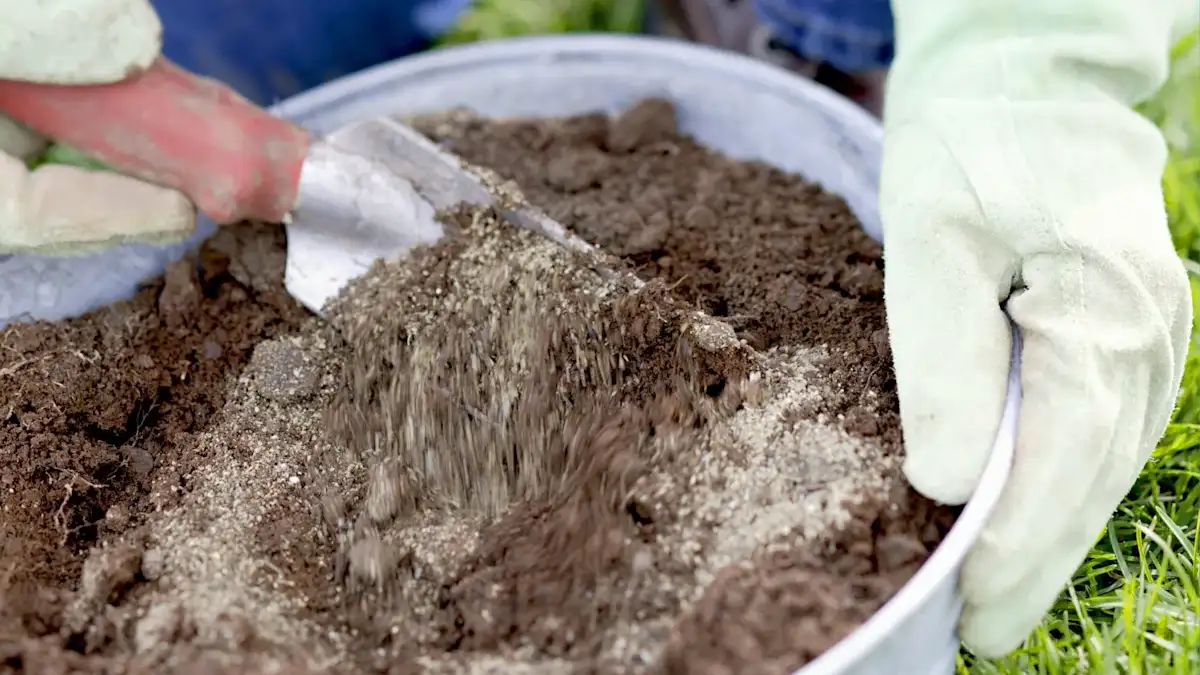
Compost releases nitrogen, phosphorus, and potassium slowly over time. This is a good thing. It means your plants get a steady supply of food, rather than a single big burst that fades quickly.
Chemical fertilizers give you that spike and then drop off. Compost keeps feeding your soil week after week.
2: It Fixes Broken Soil
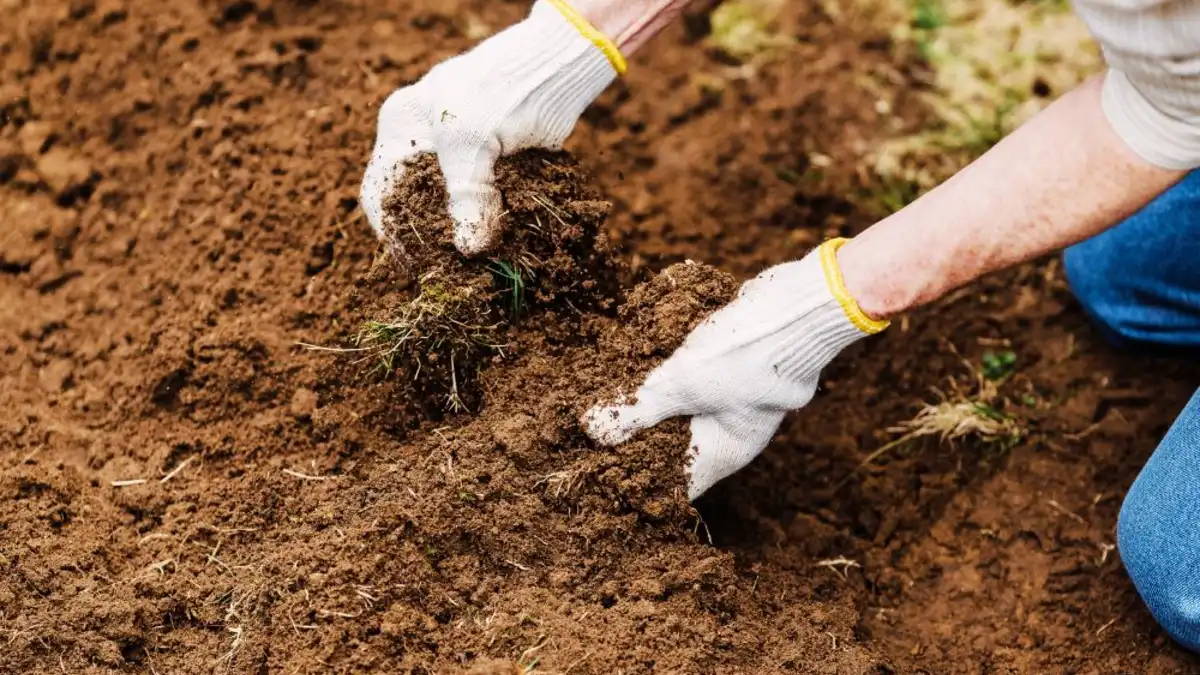
Do you have heavy clay soil that puddles after rain? Compost opens it up and helps water drain. Do you have sandy soil that dries out in a day?
Compost holds moisture, so your roots don’t dry out. It works on both problems because it improves soil structure, not just nutrients.
How To Know If Your Compost Is Ready To Use?
This step trips up a lot of people. Unfinished compost can actually hurt your garden. When compost isn’t done breaking down, the microbes inside it are still working. To do that work, they steal nitrogen from your soil. Less nitrogen means slower plant growth, not more.
So before you dig anything in, check these five things:
Color: It should be dark brown, almost black. If you still see orange peels or food chunks, it’s not ready.
Texture: Crumbly and loose. It should break apart easily in your hand, not clump into a wet ball.
Smell: Earthy, like forest soil. If it smells sour, rotten, or like ammonia, it needs more time.
Particle Size: Oregon State University Extension recommends compost that passes through a ⅜-inch screen for vegetable beds. Chunky compost is fine for landscaping, not vegetables.
pH Level: Good finished compost sits between 6.0 and 7.0. Most vegetables grow best in that range.
How Much Compost Does Your Vegetable Garden Actually Need?
This is where most gardeners get it wrong. They assume more compost is always better. It’s not. Too much compost causes phosphorus to build up in your soil. And when phosphorus gets too high, it blocks plants from absorbing other nutrients.
Here’s the exact amount to use, depending on your situation:
For New Garden Beds
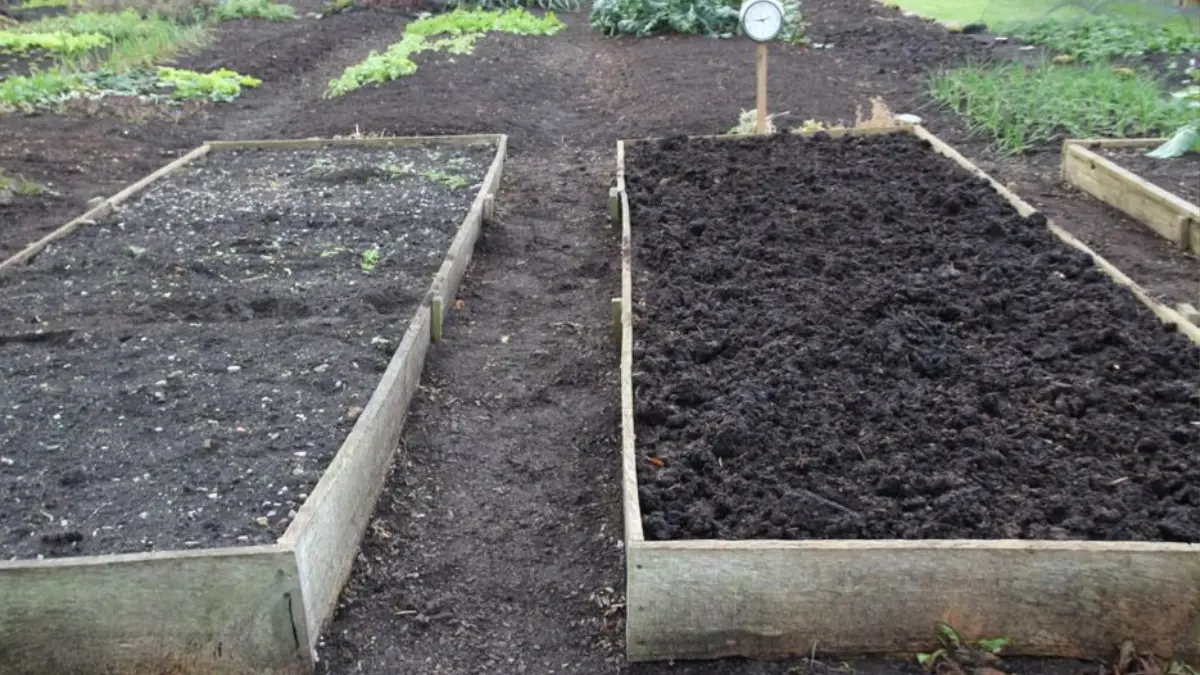
Spread a 3- to 4-inch layer of compost over the surface of bare soil. Then work it into the top 8 to 12 inches using a digging fork or spade. Do this 1 to 2 weeks before you plant so it has time to settle.
For Existing Beds, You Already Plant Every Year
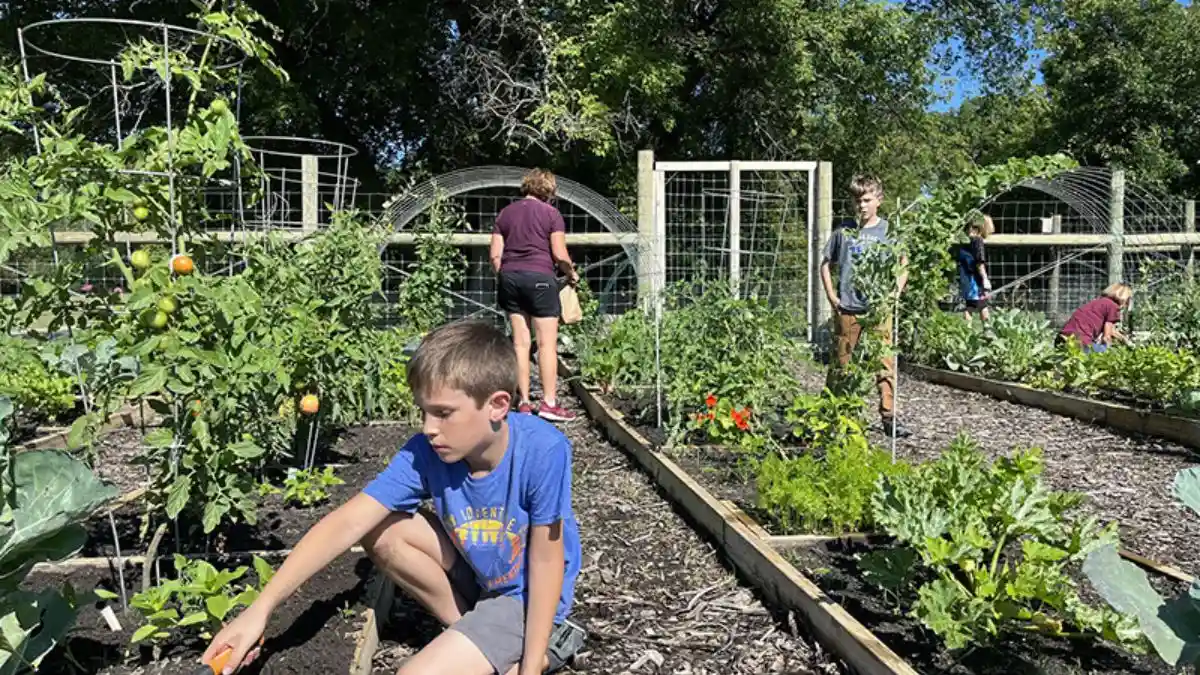
Add just ¼ to 1 inch per year. The University of Minnesota Extension says staying at or under 1 inch annually keeps nutrients balanced without causing buildup. That’s much less than most people think.
UMN Extension researchers found vegetable garden soil with phosphorus readings above 25 ppm, and almost none of those gardeners had added chemical fertilizer.
The culprit was too much compost applied over too many years. If your soil tests high in phosphorus, stop adding compost for a few seasons.
5 Ways To Use Compost In Your Vegetable Garden
There isn’t one single right method. The best one depends on your timing, what you’re growing, and what you’re trying to fix. Here are all five, with exact steps for each.
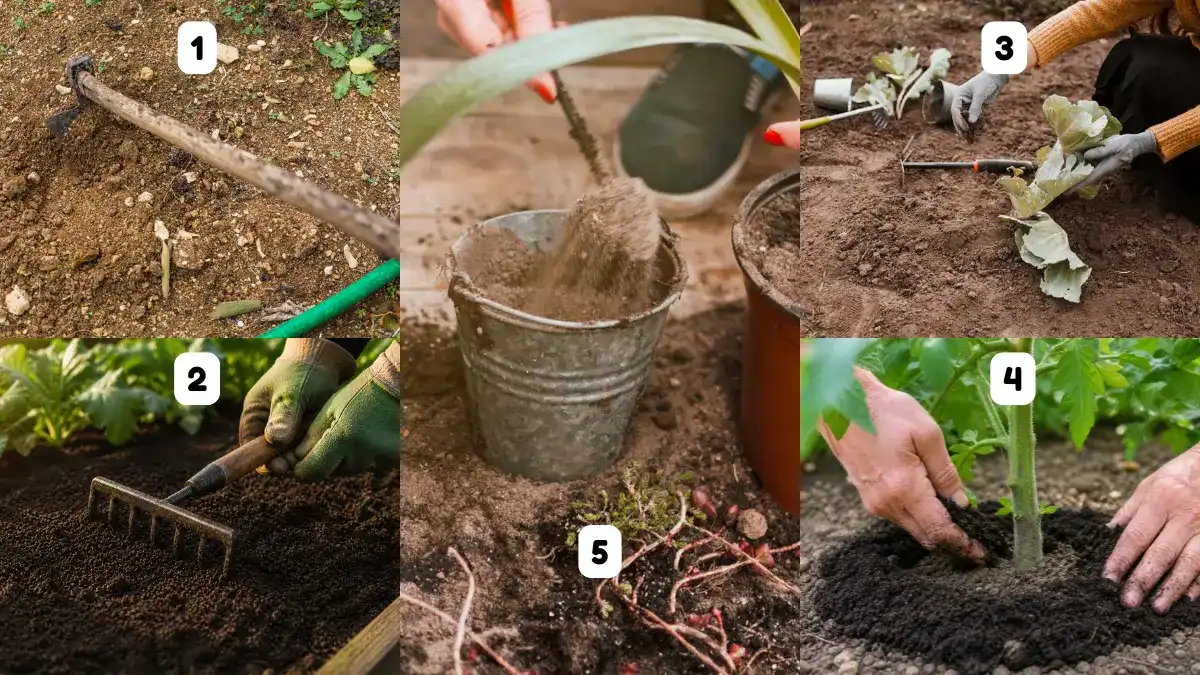
- Preparing a New Bed: This is the biggest single dose of compost you’ll ever give your garden. Spread a 3- to 4-inch layer over bare soil. Use a digging fork or spade to work it into the top 8 to 12 inches of soil. Add any other amendments your soil test recommends, like lime for pH correction. Wait 1 to 2 weeks before planting. That gives the compost time to finish settling and lets the soil microbes wake up.
- Top-Dressing an Existing Bed: This is the method most home gardeners use. Once a year, spread a 1-inch layer of finished compost over the surface of your bed. Lightly rake it in. You don’t need to dig it deep. You can do this in spring before planting, or in fall after the growing season ends. Fall is actually better, keep reading to find out why.
- Adding it to Planting Hole: When you transplant a seedling, dig your hole, mix in a few handfuls of compost, and then place the plant. This gives roots something to grow into right away. It’s especially good for tomatoes, peppers, and squash. Use mature compost for this. Fresh or unfinished compost this close to roots can burn young plants.
- Side-Dressing During the Growing Season: Your heaviest feeders, tomatoes, corn, squash, and cucumbers often need more food mid-season. Spread a 1-inch ring of compost around the base of each plant. Keep it 2 to 3 inches away from the stem. Pressing compost against a stem holds moisture against it and causes rot. This works as a slow fertilizer and also acts as mulch. It holds soil moisture and reduces weeds at the same time.
- Mixing It Into Potting Soil for Containers: Container vegetable gardening puts more pressure on your soil because nutrients run out fast. Mix compost with potting soil at roughly a 1:4 ratio, one part compost to four parts potting mix. This improves moisture retention and adds slow-release nutrients. Don’t use straight compost in containers. It can compact over time and reduce airflow to roots.
The Best Time To Add Compost To Your Vegetable Garden
Here’s something most gardening blogs skip: fall is a better time to apply compost than spring. That sounds backwards. But soil scientists have a good reason for saying it. When you add compost in the fall, winter rain and snow slowly push nutrients down into the root zone.
By the time spring arrives, those nutrients are right where your plants need them. And fall soil is easier to work with. It’s less compacted and less saturated than spring soil.
Fall
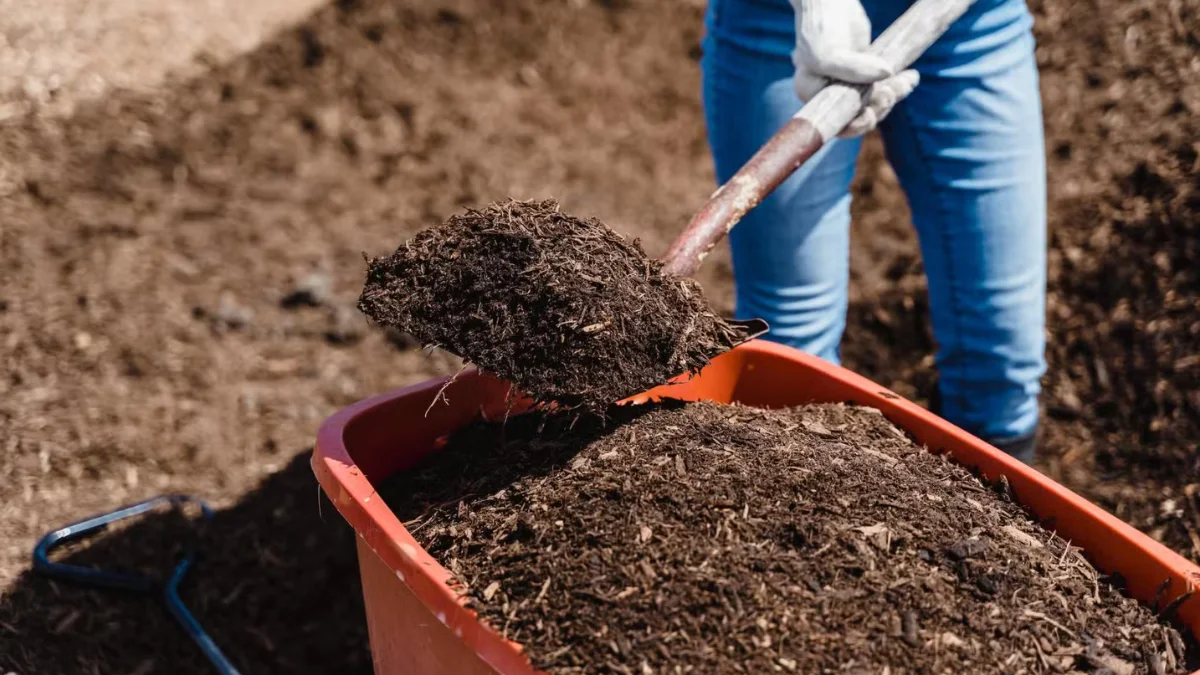
Apply 1 to 2 inches after harvest. Nutrients filter down over winter. Soil is easier to dig. Gives compost time to fully integrate before spring planting.
Early Spring
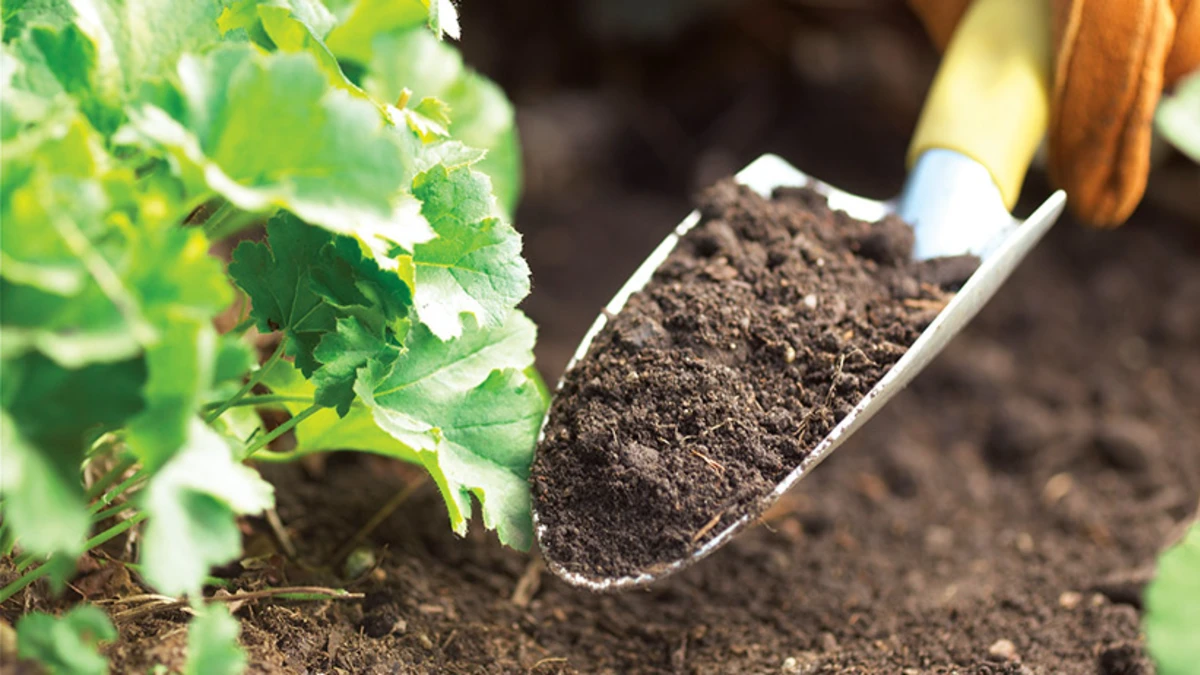
Apply 1 to 2 inches of bagged compost, lightly rake in, and wait 1 to 2 weeks before planting. Works well if you missed the fall window.
Summer
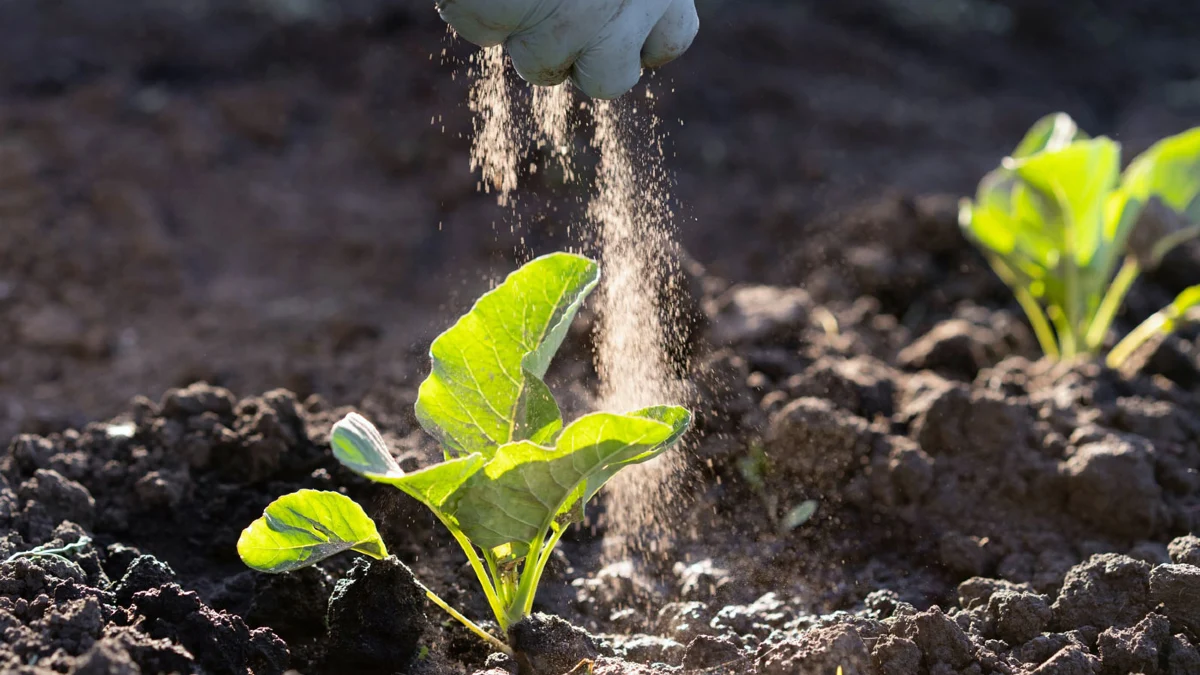
Use the side-dressing method only. For heavy feeders like tomatoes, squash, and corn that need a boost during the growing season.
If you use homemade backyard compost, add it in the fall. It likely still has some breaking down to do. That’s fine, winter gives it time to finish. If you use bagged compost, early spring works well since it’s already fully processed.
5 Compost Mistakes That Waste Your Time and Money
Even gardeners who’ve been doing this for years make these mistakes. Each one is easy to fix once you know about it.
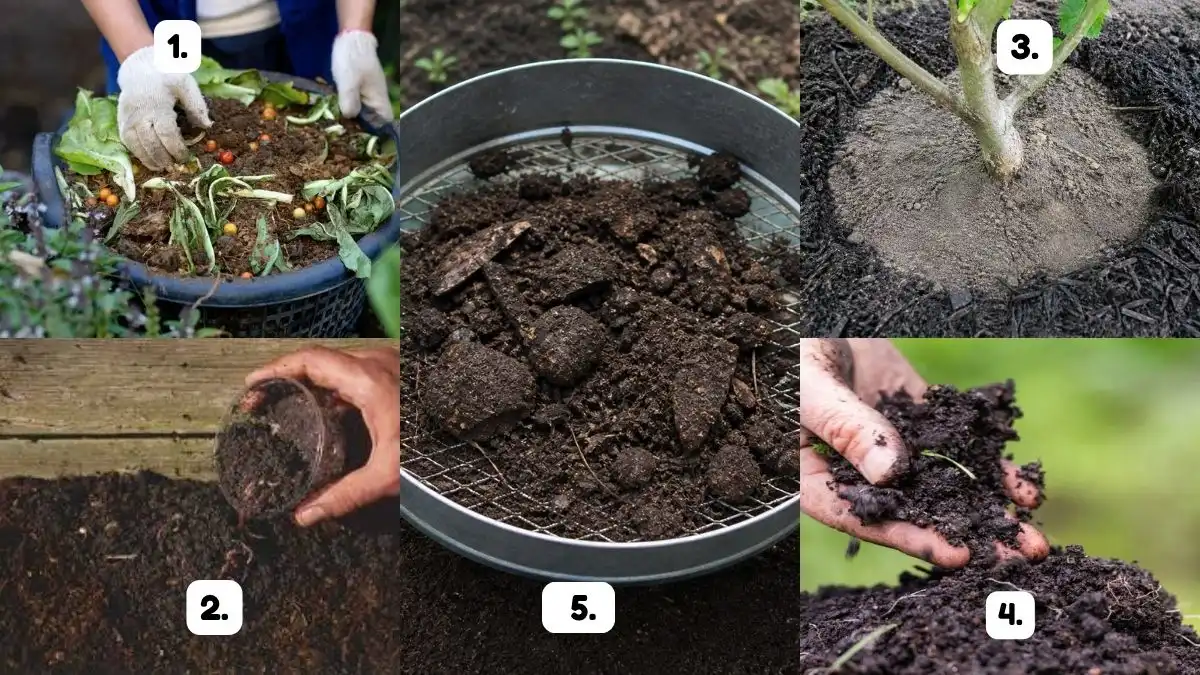
- Using unfinished compost: If it smells sour or like ammonia, it’s still breaking down. Microbes inside it will steal nitrogen from your soil to finish the job. Your plants grow slower, not faster. Wait until it smells earthy and looks dark and crumbly.
- Adding too much: More compost is not always better. More than 1 inch per year on an existing bed builds up phosphorus in your soil over time. High phosphorus blocks plants from taking in other nutrients. Get a soil test first. If phosphorus is already high, skip compost for a season or two.
- Piling compost against plant stems: It traps moisture against the stem. That leads to rot and disease. Always leave a 2 to 3 inch gap between the compost and the stem of any plant.
- Skipping the soil test: You might not need compost at all. Applying it without knowing your starting point wastes money and can push your soil out of balance. A $15 to $25 soil test tells you exactly what your soil is missing.
- Using chunky compost in vegetable beds: OSU Extension says compost for vegetable gardens should pass through a ⅜-inch screen. Large chunks are fine for flower beds and trees.
