
You’re tired of the huge mortgage, the endless cleaning, and the constant stress of owning a massive house. You want financial freedom and a simpler life, but there’s a problem: you think downsizing means giving up the beautiful home and modern comforts you enjoy.
Stop worrying right now. We’re here to prove that going small doesn’t mean downgrading; it’s actually the new form of luxury living.
You 12 incredible, high-end tiny homes from off-grid eco-retreats to modern mobile mansions that completely redefine expectations. Today’s top builders are masters of tiny house design. Choosing a tiny home isn’t settling; it’s an upgrade in lifestyle, freedom, and personal style. Ready to ditch the big bills and embrace your dream luxury tiny home.
1. Unlock Massive Savings and Financial Freedom

The numbers don’t lie. By choosing a tiny home, you’re not just saving on the initial purchase; you’re drastically lowering your long-term bills. Tiny homes use around 80% less energy than a standard U.S. house, meaning your utility savings are massive every single month. Less space also means less to maintain and ensure.
The real game-changer is eliminating your mortgage. Imagine having little to no housing payment. That’s the kind of power that comes with downsizing. You gain genuine financial freedom because every dollar you were spending on an oversized payment is now yours to save, invest, or use to pursue your passions. Fewer possessions, less stuff, also translates to fewer bills and less debt, creating a positive financial ripple effect. You can live a bigger, richer life with a smaller footprint.
2. Modern Mobile Mansions: Tiny Homes on Wheels

These four designs prove that mobile living can be just as sophisticated as a permanent foundation home. They use clever engineering to bring the outdoors in and expand your living space, giving you the freedom to move without sacrificing comfort.

The Wanderer by Escape Traveler: This design is a masterclass in using natural light. The key feature? Huge panoramic windows that run almost floor-to-ceiling. It connects you directly to the outdoors, making the space feel expansive and bringing in the calming effects of biophilic design.

The Alpha by New Frontier Tiny Homes: Ready for a wow moment? The Alpha features a fold-down deck and a garage-door style glass wall. You can literally open up one side of your home, instantly and dramatically increasing your living and entertaining area. It’s the ultimate in space-saving design for a true luxury tiny home.
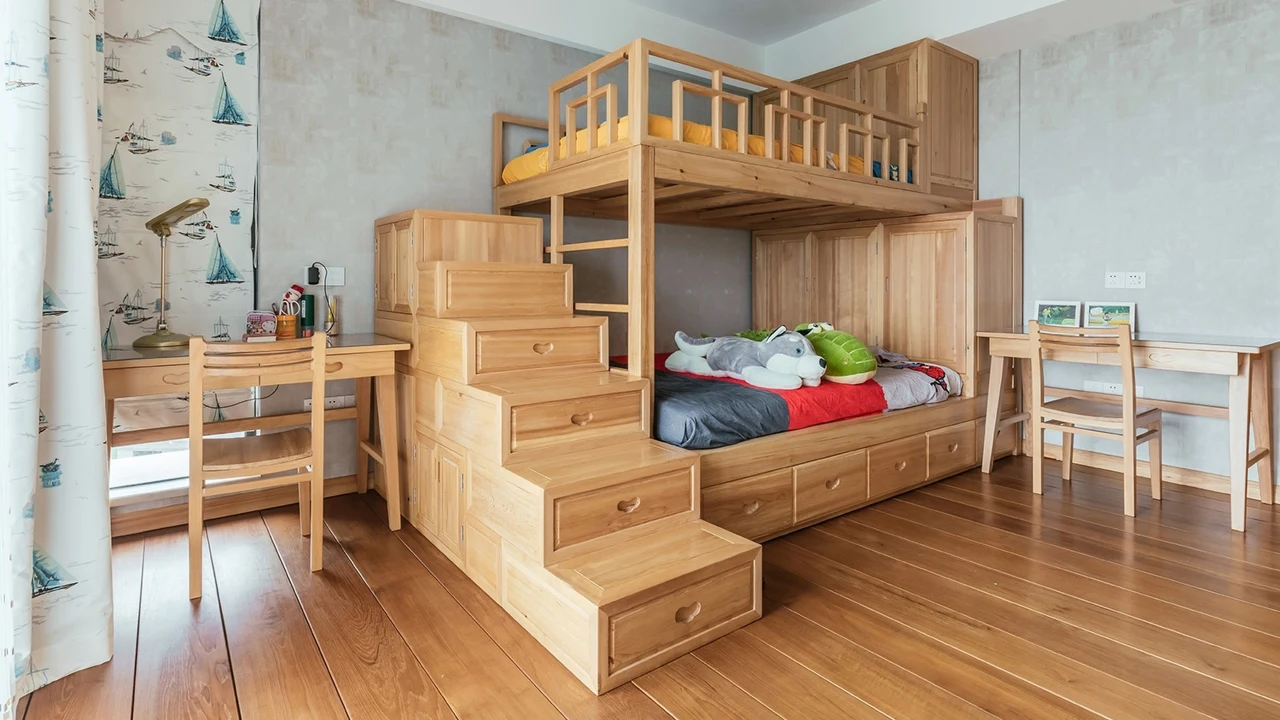
The Mint Tiny House Company’s Aura: Say goodbye to wobbly ladders. The Aura’s key feature is a proper staircase with built-in drawers. This eliminates the hazard of a loft ladder, also providing a fantastic amount of hidden storage solutions, a must-have for any functional tiny home.
The Wedge by Wheelhaus: The unique shed-roof design on The Wedge is a simple but brilliant example of thoughtful tiny house design. By creating one high wall, it offers maximum vertical space, which instantly gives the interior a more luxurious and open feeling than a standard flat or gabled roof.
3. Off-Grid and Sustainable: Eco-Friendly Tiny House Design

These homes focus on sustainability and self-sufficiency, giving you an eco-friendly life powered by nature and smart tiny house design.

The Zenn-V from Tiny House Talk: The key to this home’s appeal is its complete autonomy. It features integrated solar panels and rainwater harvesting, making it a truly self-sufficient choice for off-grid and sustainable living.

The Noyer by Minimaliste: Designed for the harsh realities of Northern winters, the Noyer utilizes advanced, high-performance insulation (like SIPs). This superior thermal envelope makes it incredibly energy-efficient, keeping you warm with minimal heating cost.

The Element by Mustard Seed Tiny Homes: This house is a testament to mindful building. Its distinctive feature is the widespread use of reclaimed wood and sustainable, non-toxic materials throughout the build, making it a genuinely eco-friendly choice from the ground up.

The Cube Series by Nestron: Stepping into the future, The Cube is a futuristic, prefab design that arrives mostly complete. Its standout feature is a smart home system built in, controlling lighting, climate, and security with advanced smart technology.
4. Permanent and Practical: ADUs and Foundation Tiny Homes

These last four examples show that a permanent floor plan and a foundation allow for truly custom, residential-grade living. These homes are perfect for folks who are committed to downsizing but still want all the high-end amenities and design features of a traditional house.

An ADU from Abodu: These Accessory Dwelling Units completely crush the myth that tiny homes lack functionality. Abodu’s units come standard with full-sized, designer kitchen appliances and a dedicated laundry area. You don’t have to give up your favorite comforts; you just get them in a smarter, smaller space. This is true luxury tiny homes living, made easy.

The Timbercraft Denali XL: This model is all about making the bathroom a spa-like retreat. Its key comfort feature is a large, standalone soaker tub. Imagine coming home to a luxurious bath without the cost and maintenance of a huge house. It proves you can pack high-end comfort into a modest footprint.

The MitchCraft Custom: If you need a fully functional workspace, look no further. This builder is famous for its custom design features, like hidden pull-out drawers in the stairs and a dedicated home office nook cleverly integrated into the structure. This is true space optimization; every inch is maximized for your specific life.

The Wolf Valley Homes Retreat: The biggest benefit of this home is the focus on connecting your indoor space to the outside. It features a large covered porch or extended deck area designed for seamless indoor-outdoor living. This simple addition effectively doubles your usable square footage, making your downsizing feel like an expansion.
5. 3 Tiny House Design Trends to Maximize Your Space in 2025

If you want your tiny home to feel spacious and functional, you need to use smart tiny house design. The secret is tricking your eye and making every inch count. Here are the three non-negotiable trends that maximize your space and boost your happiness in 2025.
The Magic of Multi-Functional Furniture

This is the golden rule of space-saving design. You need pieces that do more than one job. Think about it: why have a bulky desk that’s only used for an hour? You should look for multi-functional furniture like a sofa that folds into a bed or a dining table that tucks away neatly into the wall. Your home transforms throughout the day. Remember, the biggest lesson in tiny house design is that every square inch has to earn its place; it forces you to own less, but love what you own more.
Vertical Thinking: Up is the New Out

Since you can’t build out, you have to build up. Embrace the vertical space with lofts for sleeping or storage, which frees up your main living area. You’ll want floor-to-ceiling shelving, perhaps even a charming library ladder to access it all. Plus, when installing your climate control, skip the bulky central air. An Actionable Tip: Use a mini-split HVAC system, which is far more energy-efficient and doesn’t steal valuable floor space.
Bringing the Outside In (Biophilic Design)

Want your tiny home to feel enormous? Use glass. This is where the rise of biophilic design comes in, using natural materials and light to boost your mood and make spaces feel larger. Install large windows, skylights, and glass doors to create an open feel.
You’re effectively borrowing the vastness of the outdoors and pulling it into your living space. This strategic use of natural light instantly expands your visual footprint and supports a true sense of minimalism.
6. Your 3-Step Action Plan to Start Tiny Living

Ready to jump into tiny living and claim that financial freedom? It’s closer than you think. Forget the overwhelm; just focus on these three simple, but essential, steps to transition into your new tiny home.
Step 1: Get Your Financing Right

The first big hurdle is funding. Since traditional mortgages are rare for tiny homes (especially those on wheels), you need to get creative. You can secure a personal loan, or if your home is on a trailer, an RV loan is often your best bet. Actionable Tip: Because the cost of downsizing is often so low often under $100,000, many people can avoid debt altogether by saving up or using a small home equity line of credit (HELOC) on their current place. The goal is to eliminate that huge monthly housing payment!
Step 2: Know the Rules (Zoning is King)

You absolutely must research local zoning laws. This is often the biggest bottleneck for new tiny homeowners. Don’t assume you can just park a tiny home anywhere. A great entry point for downsizing is checking the zoning for Accessory Dwelling Units (ADUs) in your local city. Many areas are easing restrictions to allow ADUs in backyards, giving you a legal and easy way to start tiny living. Knowing the rules protects your investment.
Step 3: Find the Right Builder and Test the Lifestyle. Don’t settle for a cheap build; focus on quality and code compliance. Look for reputable companies like those mentioned earlier that specialize in durable, high-end construction.
Before you commit, test the lifestyle. Book a short-term rental. An Actionable Tip is to start with a 72-hour trial stay in a tiny home rental (like on Airbnb). This gives you a true, unfiltered taste of the space, allowing you to confirm that tiny living is the perfect path for you.
