
I spent $35,000 testing five different tiny living options over the course of 18 months. Van life, RVs, container homes, small houses on wheels, and micro-apartments. Each one promised freedom and savings. Most delivered headaches and hidden costs.
The Instagram photos lie. Nobody posts about $4,500 in surprise RV repairs or six months waiting for container home permits. They don’t show you searching for legal parking at midnight or paying $200 in tickets because you slept in the wrong spot.
Here’s what you’ll learn: the real costs of each option, the problems nobody mentions, and which one actually works for normal people who just want affordable housing without drama.
Why I Spent 18 Months Testing Tiny Living Options

My rent hit $1,850 a month for a one-bedroom apartment 45 minutes from work. I did the math. Over three years, I’d spent $47,000 just on rent. No equity. No ownership. Just receipts.
The housing affordability crisis wasn’t just a headline anymore. It was my bank account bleeding out every month.
I Started Researching Alternatives

YouTube showed van life adventures. Instagram displayed perfect tiny houses. Reddit warned me about zoning nightmares. Everyone had different advice. Nobody agreed on anything.
Here’s what I knew: The tiny home market hit $21.9 billion in 2024. Top 35 Tiny Home Statistics and Facts of 2025. Clearly, people were choosing this path. 73% of Americans said they’d consider living in a tiny home. Tiny Home Statistics: America’s Changing Perspectives on Traditional Homeownership – IPX1031 I wasn’t alone in looking for options.
But Which Option Actually Worked?

I made a decision. Instead of guessing, I’d test them. I gave myself 18 months and a $35,000 budget to try five different types of tiny living. Some options I’d rent. Others I’d buy and resell. Each one would get 2-4 months of real living—not a weekend Airbnb test.
I wanted to know the truth. Real costs. Daily frustrations. What actually works when Instagram filters come off.
The tiny living movement promises freedom and savings. Tiny homes create a 45% smaller ecological footprint than average American homes. Top 35 Tiny Home Statistics and Facts of 2025. But does that matter if you’re miserable or broke?
#1. Van Life: Beautiful on Instagram, Brutal in Reality

I bought my Sprinter van on a Tuesday. By Friday, I was questioning everything.
The numbers looked good on paper. $15,000 for a used 2012 Sprinter with 140,000 miles. Another $3,000 for basic conversion—insulation, a bed platform, and some solar panels. Total investment: $18,000.
The Real Van Life Costs

Monthly expenses hit $800 to $1,200. Every month. Here’s where it went:
Gas costs $300-400 monthly. I moved constantly, looking for free parking. I averaged about 15 MPG in the city, Van Dwelling Vs. Tiny House Living. Which is the better investment? And gas wasn’t cheap.
Gym membership costs $80. Not for fitness. For showers and bathrooms. Vans just aren’t designed to handle cold temperatures well, and they lack basic amenities like proper bathrooms. Tiny Home, Van, or RV? – Go Outside – Blue Ridge Outdoors Magazine
Campground fees ran $500 to $1,500 monthly RV VS. Tiny Home: The Brutal Cost Comparison They Don’t Want You to See, when I couldn’t find free spots. And free spots? They came with risks.
I got $200 in parking tickets in one month. Apparently, sleeping in your van on residential streets violates city ordinances. Who knew? (Everyone except me, apparently.)
Winter Changed Everything

November hit. Temperatures dropped to 28 degrees.
My propane heater burned through $120 in fuel that month. The van still felt like a freezer. Metal walls don’t insulate well. I wore three layers to bed.
Working from the van became impossible. Coffee shops kicked me out after two hours. My hotspot burned data. Client calls echoed in the metal box.
I needed WiFi. I needed warmth. I needed a bathroom at 3 AM that wasn’t a Planet Fitness parking lot.
Who Van Life Actually Works For

Van life shines for true nomads. People who climb in Yosemite one week and surf in San Diego the next. If you’re constantly moving and adventures matter more than comfort, it works.
For everyone else, trying mobile tiny living? It’s expensive and exhausting.
The Instagram posts don’t show you searching for bathrooms in January. They don’t mention the tickets or the campground fees or the fact that “stealth parking” means constantly looking over your shoulder.
Van life costs added up to $14,400 over my four-month test. I sold the van for $13,000.
Total loss: $4,400, plus my sanity.
The Hidden Costs Nobody Mentions

RVs seemed smarter than van life. More space. Actual bathroom. Kitchen appliances that worked.
I bought a 2015 30-foot travel trailer for $25,000. Clean title. Recent inspection. The dealer called it “move-in ready.”
He lied.
The Monthly Drain
RV living expenses hit $900 to $1,400 every month.
RV park lot rent costs $650-900 monthly. That included water and electric hookups. Sewer too. Sounds reasonable until you add everything else.
Propane for heating and cooking ran $60-80 monthly. Insurance costs $85. An internet hotspot added another $75 because the park’s WiFi was useless.
Then came maintenance. Oh, the maintenance.
Repairs That Destroyed My Budget
Month two: Water heater died. $800 to replace.
Month three: Tire inspection revealed dry rot. Four new RV tires cost $1,200. The guy at the shop laughed when I asked why they cost more than car tires. “Welcome to RV ownership,” he said.
Month four: Roof leak. $1,500 for repairs. Apparently, water damage spreads fast in RVs.
Total unexpected repairs in four months: $4,500.
RV living comes with plummeting resale value and relentless maintenance costs RV VS. Tiny Home: The Brutal Cost Comparison They Don’t Want You to See that nobody warns you about. Every RV forum I checked had the same advice: “Budget 10% of purchase price annually for repairs.”
The Rules Nobody Mentions

Finding parking proved harder than expected. Many RV parks have rules against long-term or full-time living, forcing you to move regularly. RV VS. Tiny Home: The Brutal Cost Comparison They Don’t Want You to See
My park limited stays to 180 days. Then I had to leave for 30 days minimum. Where exactly was I supposed to go?
Some parks require RVs newer than 10 years. Others banned travel trailers entirely—fifth wheels only. One place wanted three references and a credit check just to park.
Storage became another issue. The RV had space, but not enough. I paid $120 monthly for a storage unit for everything that didn’t fit.
Why It Failed
I bought the RV for $25,000. Four months later, similar models sold for $19,000-21,000. RVs depreciate like cars, but faster.
Travel trailer costs weren’t just high—they were unpredictable. Every month brought new surprise expenses.
When I finally sold it for $20,500, I’d spent $30,400 total, including repairs, lot rent, and utilities.
RVs work for retired people who winter in Arizona and have mechanical skills. For everyone else? It’s a money pit on wheels.
#2. Container Homes: Cool Concept, Serious Problems

Shipping containers looked perfect. Industrial chic. Eco-friendly recycling. Plus, architects on Instagram made them look amazing.
I found land outside the city for rent—$400 monthly. Bought a 40-foot container for $3,500. Basic shipping container home costs run $10,000 to $35,000. Shipping Container Homes – Pros, Cons & Costs, so my budget looked solid.
The Temperature Nightmare
Metal boxes and weather don’t mix.
Summer days hit 95 degrees. Inside the container? Try 115. The metal absorbed heat like an oven. Opening windows didn’t help—it just let in hot air.
Metal poses serious insulation challenges, and maintaining comfortable temperatures requires significant investment. Pros and Cons of Living in a Movable Container House – STEELMARK
Winter was worse. Twenty-degree nights meant waking up to frost on the inside walls. The metal radiated cold.
Proper insulation costs $5,000—spray foam for walls, ceiling, and floor. That doubled my container budget instantly.
Then came HVAC. A mini-split system for heating and cooling ran another $3,200 installed. The electrical work to support it added $800.
My “cheap” container home now costs $12,500, and I haven’t added plumbing yet.
Legal Hell
Permits took six months. Six. Months.
First, the city said containers weren’t approved structures. I needed engineering stamps proving structural integrity—$1,500.
Then zoning said my lot wasn’t zoned for permanent dwellings. I needed a variance. That required three public hearings and a lawyer. Add $2,800.
Around 40% of urban municipalities impose zoning or regulatory restrictions on tiny home construction. Tiny Homes Market Share and Size to hit USD 33.18 Bn- 2035, and my city was one of them.
The county finally approved my container, but with conditions: maximum 320 square feet, must look like a “traditional dwelling” from the street, and required $50,000 liability insurance.
The Problems Keep Coming
Container homes can be loud. What are the pros and cons of living in a container home? Rain sounded like bullets on the metal roof. Every sound echoed. I couldn’t take phone calls during storms.
Insurance companies hated it. Three were denied coverage entirely. The fourth charged $1,800 annually—triple what friends paid for actual houses.
Some contractors can build a shipping container home in under a month. Shipping Container Homes: Understanding the Pros and Cons – 2025 – MasterClass, but mine took four months. Contractors who’d work on containers were rare and expensive.
Resale? Container homes are difficult to sell because they’re uncommon, so there aren’t many potential buyers. What are the pros and cons of living in a container home?
After seven months and $19,300 invested, I gave up. Sold the container for $2,000 and walked away.
Shipping container home costs and container home problems aren’t Instagram-friendly. But they’re real.
Containers work if you own land, have construction skills, and want permanent off-grid living. For everyone else? Pick something else.
#3. Tiny Houses on Wheels: Freedom With a Price Tag

Tiny houses felt like the real answer. Actual walls. Real insulation. A home that looked like a home.
I bought a used 20′ x 8.5′ tiny house on wheels for $42,000. Beautiful cedar siding. Loft bedroom. Full kitchen. It was everything the Instagram dream promised.
The average tiny house on wheels costs between $30,000 and $60,000 Top 35 Tiny Home Statistics and Facts of 2025, so my price was typical. Over 10,000 tiny homes existed in the US in 2024, Top 35 Tiny Home Statistics and Facts of 2025, and I understood why. It felt like freedom.
#4. Tiny Houses on Wheels: The Parking Problem

I called 47 RV parks. Thirty-two said no immediately—they only accepted RVs, not tiny houses on trailers. Eight more had length restrictions. My 20-footer was too long.
The remaining seven parks charged $600-850 monthly for a lot. Utilities cost extra—electric, water, and sewer hookups added $150-200.
Monthly costs hit $750-1,050 just for a parking spot and utilities. Plus internet. Plus propane for heat.
Finding private land was harder. Most landlords wanted $400-600 monthly rent, but no utility hookups existed. Running electric and water to my spot? Estimates started at $3,500.
Portland legalized tiny homes on wheels as permanent housing, with owners charging around $1,200 monthly, including utilities. A cross between tiny homes and van life could help solve America’s shortage of affordable starter homes, but I didn’t live in Portland. My city treated THOWs like illegal structures.
The Towing Problem
Moving the tiny house required a serious truck. My Honda Civic wasn’t cutting it.
A proper tow vehicle costs $20,000-35,000 minimum. I needed a three-quarter-ton truck with towing capacity for 10,000+ pounds. Insurance, gas, and maintenance for that truck added $400 monthly.
I hired someone to tow it when I moved spots. $350 per move. After three moves in four months, that was $1,050 in towing fees.
Why It Almost Worked
Here’s the thing: 68% of tiny home dwellers are mortgage-free. 23 Tiny House Statistics, Facts, and Trends for 2025. No debt feels incredible. The tiny house itself was comfortable. Well-built. Efficient heating and cooling.
The problem wasn’t the house. It was everything around the house.
Legal THOW parking barely exists. Towing is expensive and stressful. Finding utility hookups is a constant struggle. Zoning laws treat you like a criminal.
A tiny house on wheels isn’t just the purchase price. It’s the endless search for legal parking and the complications of moving house.
#5. Micro-Apartments: The Only Option That Actually Worked
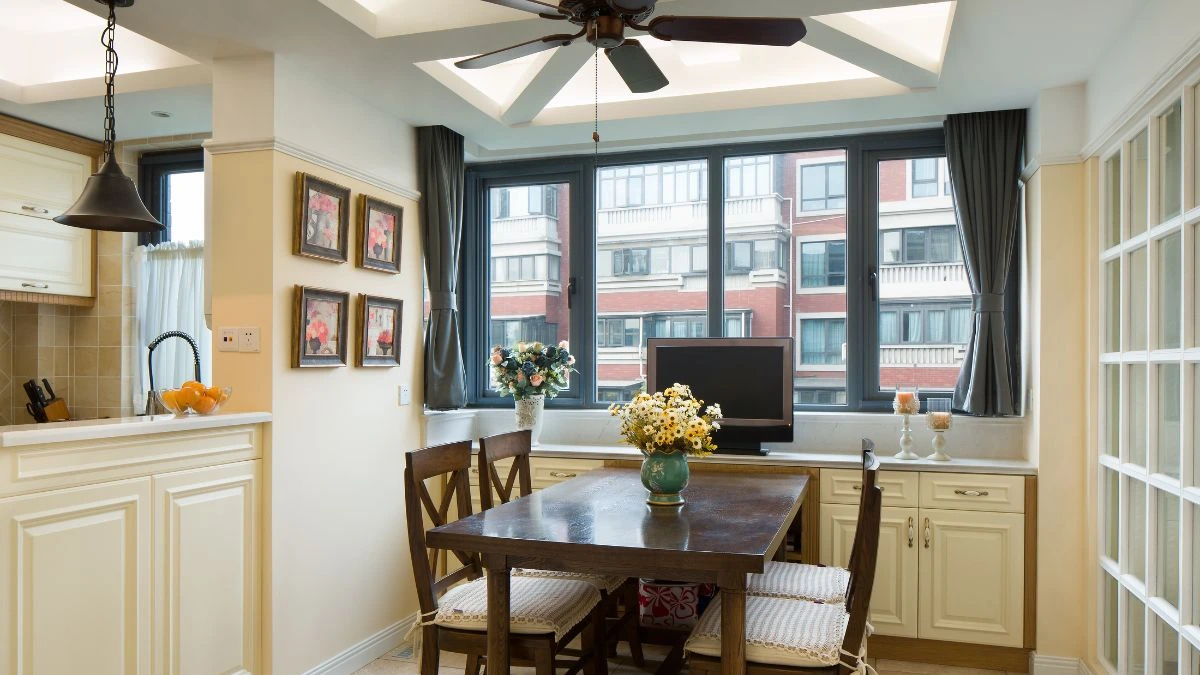
Photo Credit: Freepik
Walking into a 280 square foot apartment felt like defeat. It wasn’t. It was freedom.
I found a micro-apartment for $1,750 monthly in a downtown building. Micro-apartments will become a cost-effective solution for renters — eventually—with utilities, WiFi, and a gym included. After months of van breakdowns, RV repairs, container permit battles, and tiny house parking struggles, “boring” sounded perfect.
I signed a month-to-month lease. I will move in next week. No permits. No insurance nightmares. No wondering if I’d get a parking ticket at 2 AM.
Why Micro Apartment Living Actually Works

The apartment had everything. And I mean everything worked.
Bathroom? Check. Hot water on demand? Check. Heat controlled by a thermostat, not a propane tank? Check. Laundry in the building? Check. Dishwasher? Check.
Amenities included a fitness center, high-speed internet, and regular community events. Why Nest Micro Apartments Are the Perfect Choice. The gym membership alone saved me $80 monthly compared to my van life days.
No maintenance calls. Ever. Toilet leaked? Called maintenance. Fixed in two hours. Heating issue? Fixed same day. Zero dollars out of pocket.
That’s the secret nobody tells you about urban tiny living: predictability matters more than Instagram views.
The Location Changed Everything

Photo Credit: Freepik
The downtown location saved me $300 monthly on transportation. I walked to work—12 minutes. Coffee shops everywhere. Grocery store across the street. The doctor’s office is three blocks away.
Cities like San Francisco, Seattle, and Honolulu lead in micro-housing. The West Leads In Micro-Housing, Spearheaded By San Francisco, because they understand something crucial: location beats square footage.
Working from home became easy. Strong WiFi. Quiet building. Professional setting for video calls. Nobody is asking why I’m taking a meeting from a van in a Walmart parking lot.
The Space Was Enough

280 square feet sounds tiny. It is tiny. But micro-apartments require less cleaning time, reduce your carbon footprint, and provide significant financial savings. Discovering Simplicity: The Advantages of Micro Apartment Living
My Murphy bed folds into the wall. The kitchen had full-size appliances. The bathroom felt like a hotel. Clever storage made everything fit.
I owned less stuff. Needed less stuff. Micro-apartment rent often costs less than half of conventional apartments. The Future for Renters: Micro-Apartments and More | ApartmentRatings© in the same neighborhood.
Five reasons micro-apartments beat everything else:
1. Predictable costs. $1,750 every month. No surprise repairs. No parking tickets. No tow trucks.
2. Legal everywhere. No zoning battles. No permit applications. Regular apartment lease.
3. Professional amenities. Gym, laundry, package room, and WiFi that actually works. Community events, if you want them.
4. Easy exit. Month-to-month lease meant no trap. Don’t like it? Leave next month.
5. Location benefits. Downtown living without downtown house prices. Walk to everything.
Small apartment costs were higher monthly than parking a THOW or container. But total costs? Lower. Way lower.
No insurance drama. No contractor bills. No legal fees. No tow truck expenses. No parking lot rent. No gym membership. No car payment or gas.
What Each Option Actually Cost Me (Real Numbers)

Here’s the brutal truth about the tiny living costs comparison. I tracked every dollar spent across 18 months of testing five affordable housing options.
What These Numbers Actually Mean
Van life looked cheap upfront, but bled money through tickets, gas, and gym memberships. Four months cost $4,400 net after resale.
RV depreciation killed me. Lost $4,500 on the purchase price alone, plus $4,500 in repairs. Total damage: $13,600 in four months.
The container home was a disaster. Permits, insulation, and HVAC ate my budget alive. Seven months, $20,100 gone.
THOW came closest to working. Good resale value helped—only lost $3,000 on the house itself. But parking fees and towing added $5,600. Total: $8,600 loss.
Micro-apartment? Just rent. $1,750 × 6 months = $10,500 spent. But here’s the difference: I got six months of actual living. No resale stress. No repair surprises. No legal battles.
The Hidden Cost Nobody Talks About

Time is money. I spent 40+ hours dealing with van repairs, RV maintenance, container permits, and THOW parking searches. The micro-apartment? Zero hours on any of that.
When you factor in stress, time, and unpredictability, the tiny living costs comparison gets clearer: predictable rent beats “cheap” ownership with surprise expenses.
Which Tiny Living Type Fits Your Life?

Choosing the best tiny living option isn’t about what looks coolest on Instagram. It’s about matching your actual lifestyle to what each option demands.
Choose Van Life If
You’re a true nomad. You climb, surf, or travel for work. You move every few days and love it. You own almost nothing. Public bathrooms don’t bother you. You have the mechanical skills to fix breakdowns yourself.
Van life works for digital nomads who prioritize adventure over comfort. If you dream of parking, not living somewhere, pick the van.
Choose RV Living If
You’re retired or semi-retired. You want seasonal travel—summers in Colorado, winters in Arizona. You have mechanical knowledge or money for constant repairs. You don’t mind moving every 6 months due to park rules.
RVs work for people, treating them like mobile vacation homes, not permanent residences.
Choose Container Homes If
You own land outright. You have construction experience or a big budget for contractors. You want permanent, off-grid living. Permits and zoning battles don’t scare you. You’re building a forever home, not testing an option.
Containers work for DIY builders with time and land. Not for renters or city dwellers.
Choose Tiny House on Wheels If
You want mobility occasionally—maybe once or twice a year. You found legal parking through family, friends, or a rare THOW-friendly community. You value custom design and craftsmanship. You own or can afford a proper tow vehicle.
THOWs work in the few cities with supportive laws or on private land with understanding landlords.
Choose Micro-Apartments If:
Location matters more than space. You want downtown living without downtown prices. Maintenance headaches sound terrible. You work remotely and need reliable WiFi. Community appeals to you. Legal complications stress you out.
Micro-apartments work for professionals, young adults, and anyone choosing choosing tiny home type based on convenience over adventure.
5 Expensive Mistakes I Made (So You Don’t Have To)

Tiny home planning involves more than watching YouTube videos. I learned that the expensive way. Here are the tiny living mistakes that cost me thousands.
Mistake 1: Ignoring Zoning Laws ($3,000 Wasted)
I bought the shipping container before checking if it was legal. Turns out, my city didn’t allow containers as permanent dwellings.
I needed engineering reports, variance applications, and a lawyer. That’s $3,000 I’ll never see again.
Check zoning laws before spending a dollar. Call the city planning department. Ask specifically about your tiny living type. Get it in writing.
Mistake 2: Underestimating Utility Hookups ($4,200 Surprise)
“Just hook up to water and electricity” sounds simple. It’s not.
Running utilities to my container location costs $3,500. HVAC installation for the metal box added $3,200. Nobody mentioned these costs in the “build a container home for $10,000!” videos.
Get actual quotes for utilities before committing. Not estimates. Real quotes from licensed contractors.
Mistake 3: Ignoring Insurance Drama ($1,800 Extra Annually)
Three insurance companies refused to cover my container home. The fourth charged triple normal rates.
My RV insurance cost more than expected because I lived in it full-time, not recreationally.
Call insurance companies before you buy. Ask specific questions about your exact situation. Full-time living gets different rates than vacation use.
Mistake 4: Believing Instagram ($5,000 Reality Check)
Instagram shows sunrises and freedom. Not bathroom searches in January. Not $200 parking tickets. Not repair bills.
I spent $5,000 chasing the Instagram dream before accepting reality: pretty photos hide ugly truths.
Test before you invest. Rent an Airbnb tiny house for a month. Actually live the lifestyle before buying into it.
Mistake 5: No Exit Strategy ($8,500 in Bad Resales)
I bought a van and an RV without researching resale values. Both depreciated fast. Selling took months. I accepted lowball offers because I needed out.
Always know your exit plan. Research resale markets before buying. Understand depreciation rates. Know how long similar items take to sell.
These mistakes cost me $22,500 combined. Learn from my failures. Your bank account will thank you.
