
“You’ll lose money on a tiny home.” That’s what most people say. But is it true?
You’re thinking about buying a tiny home. The idea grabs you, simple living, lower costs, freedom from a massive mortgage. It sounds perfect. But one question keeps you up at night. What happens when you want to sell? Will you get your money back? Or will you watch thousands of dollars vanish?
Your friend says tiny homes are smart investments. YouTube videos show people living their best lives in 200 square feet. But your gut tells you something’s off about the tiny home resale value numbers. You need facts, not fantasies. This article gives you real market data from 2024-2025. No fluff. No sales pitches. Just honest numbers about depreciation and what actually happens when people sell.
You’ll understand how fast these homes lose value.What factors crush your resale price versus what protects it. And most importantly whether this decision makes financial sense for your situation. By the end what you’re getting into. No surprises. No regrets.
#1. The Hard Truth About Tiny Home Values
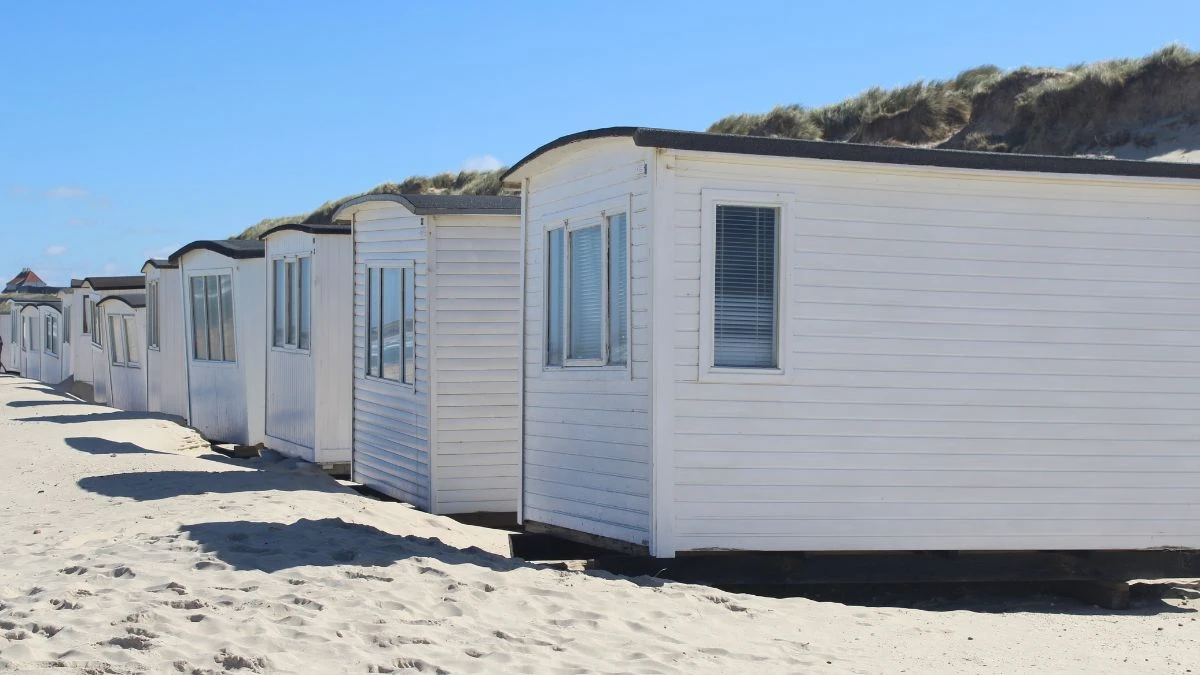
What you really want to know. Will your tiny home hold its value? No. It won’t.
Tiny homes built on wheels depreciate at the same rate as an RV or a truck. That means your investment loses value every single year. Not slowly. Fast. Assume like buying a car. Drive it off the lot, lose money. Park your tiny home on land, same thing happens.
Unlike traditional homes, tiny homes often depreciate rather than appreciate. Regular houses usually gain value over time. Your neighbor’s house might be worth more next year. Your tiny home? It’ll be worth less. The average tiny home costs between $30,000 and $60,000. The median price of a full-size home is just over $392,450. You’re spending less upfront. That’s true. But that full-size home will probably make money. Your tiny home won’t.
Most tiny houses start at around $28,000 and can go upward of $150,000 or more. And yes, even the expensive ones lose value. The market makes this worse. Way fewer people want to buy used tiny homes than regular houses. Finding a buyer takes months, sometimes years. The average tiny home size is around 225 square feet, but can go up to 600 square feet. That limited space means limited buyers. Most families can’t make it work. Singles and couples? Maybe. But that’s still a tiny market.

And those custom features you paid extra for? The multipurpose spaces you thought were perfect for your lifestyle may not work for someone else’s lifestyle. Your handbell collection closet means nothing to the next buyer. Your fold-down desk? They wanted a bigger kitchen instead. Custom doesn’t add value. It removes buyers. This is the baseline truth. Tiny homes depreciate. Your resale value will be lower than what you paid. The investment return is negative.But the type of tiny home you choose matters.
#2. How the Tiny Home Market Works in 2025

The tiny home market is growing. Fast. The market was valued at $21.9 billion in 2024 and is expected to grow to $29.9 billion by 2033. That’s billions with a B. More people are choosing small living spaces than ever before.
Nearly 40% of builders constructed smaller homes in 2023. Builders see the demand. They’re responding. New communities are popping up across the country. But the catch. Growing doesn’t mean mainstream. There were estimated to be over 10,000 tiny homes in the U.S. in 2024. Sounds like a lot, right? Compare that to 144 million total housing units nationwide. Tiny homes represent a fraction of one percent.
This matters when you try to sell. Your buyer pool is microscopic compared to traditional real estate. Where are people buying tiny homes? Four states lead the pack: California, Colorado, Florida, and Texas. Warm weather helps. So do flexible zoning laws. These states make it easier to park or build your small space legally.

What’s driving demand? Three big factors.
First, housing costs are crushing people. Traditional homes feel impossible. A $40,000 tiny home looks like the only way to own something.
Second, younger buyers want different lifestyles. They value experiences over square footage. Remote work made location less important. Why pay for 2,000 square feet when you’re never home?
Third, environmental concerns push people toward smaller footprints. Less space means less energy. Less waste. Less stuff.
The market is expanding, but it’s still a niche. Consider specialty, not standard. You’re not buying into a proven resale market like condos or single-family homes. You’re gambling that demand keeps growing. Right now, sellers face long waits. Buyers are picky. They want specific locations, specific features, specific price points. Miss any of those, and your home sits unsold.

The growth numbers look encouraging. But actual market conditions? Still tough for resellers. More builders entering the space means more competition for used homes. New always beats used when prices are close. This growing market might help you eventually.
#3. Wheels vs. Foundation: What Loses Value Faster
Not all tiny homes lose value at the same speed. Mobile tiny homes get hit hardest. That’s brutal for your wallet. RVs lose about 20% of their value in the first year. Another 10-15% the second year. By year five, you’ve lost half your money. Your wheeled tiny home follows this exact pattern.

The market treats mobile tiny homes like vehicles, not real estate. Banks won’t give you a mortgage. They’ll offer an RV loan instead, with higher interest rates and shorter terms. This scares away buyers. Plus, wheels mean wear and tear. Axles rust. Tires need replacing. The trailer frame deteriorates. Even if you never move it, buyers see a vehicle that’s aging.
Foundation tiny homes do better. But “better” is relative. Smaller homes may appreciate at a slower rate than traditional houses due to limited square footage and niche appeal. You might break even. You might gain a little.
But don’t expect the returns regular homeowners see. The foundation itself costs money. Adding a foundation runs $5,000 to $8,000. You’re betting that extra investment pays off at resale. Sometimes it does. Often it doesn’t.

What really matters: land ownership. Own the land under your tiny home? Your tiny home depreciation matters less. The land holds value. It might even appreciate. When you sell, buyers pay for dirt more than dwelling. Rent a lot or park in someone else’s community? You own something that’s losing value with nowhere permanent to keep it.
A $50,000 mobile tiny home might be worth $30,000 after five years. A $60,000 foundation tiny home on owned land might sell for $55,000, with $20,000 of that being land value. The foundation slows the bleeding.
Land ownership stops it. But wheels? They accelerate tiny home depreciation until there’s almost nothing left. Your choice determines whether you lose money slowly or quickly. Neither option makes you money.
#4. What Actually Affects Your Tiny Home’s Resale Price
Five things control how much money you’ll lose.
Location crushes everything else

Zoning laws determine if your buyer can even keep the home where it sits. Strict zones? Your resale price drops instantly. Buyers need to move it, which costs thousands. Florida and Texas have friendly laws. California has pockets of acceptance. Popular areas command better prices. A tiny home near Austin sells faster than one in rural Kansas. Proximity to cities matters. Access to jobs matters. Your location sets your ceiling.
Build quality separates winners from disasters

Tiny homes can cost $300-$400 per square foot versus traditional homes at $150 per square foot. Buyers know this. They inspect everything twice as hard. Cheap materials? They’ll spot them immediately.
Professional builds hold tiny house value better than DIY projects. Certified builders provide warranties. They follow codes. Self-built homes raise red flags, even if you did great work. Material choices show up at resale. Real wood outlasts vinyl. Metal roofing beats shingles. Quality plumbing prevents disasters. Skimping now costs you later.
Customization kills deals

Highly customized tiny homes may have limited resale appeal. Your perfect layout is someone else’s nightmare. That climbing wall? Most buyers see wasted space. Your purple bathroom tiles? They’re planning renovation costs before they buy. Neutral designs sell faster. Standard layouts attract more viewers. Keep it simple, lose less money.
Times change everything

Economic downturns hurt tiny homes harder than regular houses. When money gets tight, alternative housing becomes risky housing. Buyers disappear. Your resale price drops with demand. Sell during housing booms? You’ll do better. More people explore alternatives when traditional homes feel unaffordable.
Condition determines final offers

Maintenance records matter enormously. Documented repairs show responsible ownership. Missing records make buyers nervous. They’ll lowball you to cover potential problems. Visible wear destroys negotiations. Water damage, roof issues, or mechanical problems? Buyers will walk away or demand huge discounts.
These factors stack up. Perfect location plus poor condition? You’ll struggle. Great build in a bad zone? Same problem. Control what you can. Accept what you can’t. But understand every selling factor before you buy.
#5. Real Numbers: What Sellers Actually Get

What happens when people try to sell. Expect to list your tiny home for six months minimum. Some sit for over a year. The resale market moves like molasses compared to traditional housing. Regular homes in decent markets sell in 30-60 days. Tiny homes? Triple that timeline on a good day.
Finding buyers is genuinely hard. You’re hunting for someone who wants exactly what you built. They need to accept your location or pay to move it. They must qualify for alternative financing. And they have to love tiny living enough to commit. That’s a narrow slice of humanity. Price drops tell the real story. Sellers typically start 10-20% below what they paid. Drop another 15%. Desperate sellers cut 40-50% off their original investment just to escape.A $60,000 tiny home might finally sell for $35,000 after months of waiting. That’s not depreciation. That’s desperation.

The multipurpose spaces you thought were perfect for your lifestyle may not work for someone else’s lifestyle. Your genius murphy bed blocking the bathroom door? Buyers see poor planning. Your compact kitchen setup? They wanted more counter space. Custom features actively hurt you. Every unique element removes potential buyers from your pool. Most buyers want traditional plumbing. Your loft accessed by ladder? Families with kids or older buyers immediately pass.
Who actually buys used tiny homes? Young couples without kids. Remote workers seeking adventure. Retirees downsizing aggressively. People escaping high rent temporarily. Notice who’s missing? Families. Middle-aged professionals. Anyone planning long-term stability.

Buyer demand exists but remains microscopic. For every hundred people browsing tiny home listings, maybe two will actually purchase. The rest are dreamers, researchers, or tire kickers. Selling a tiny house means accepting harsh realities. You’ll wait longer than expected. You’ll get less than hoped. You’ll field countless questions from people who never make offers.
The resale market isn’t broken. It’s just brutally small. Sellers compete for a handful of serious buyers when dozens of other tiny homes sit listed alongside yours. Plan on losing money. Plan on waiting months. Anything better than that? Consider yourself lucky.
#6. Hidden Costs That Kill Your Return

The price tag isn’t the full story. Building permits average $1,380 nationally. But that’s just the average. California charges $3,000 or more. Rural Texas might only hit $500. Check your specific county before budgeting. Want a permanent foundation? That adds $5,000 to $8,000 to your total investment. Concrete costs money. Professional installation costs more. This expense hits before you even move in.
Moving a tiny home destroys budgets. Professional transport runs $1-$5 per mile depending on size and route. Moving across the country? You’re looking at $5,000-$15,000 easily. Plus permits for oversized loads. Plus escort vehicles in some states.
Insurance premiums shock new owners. RV insurance for mobile homes costs $800-$1,500 yearly. Specialty tiny home insurance? Expect $1,000-$2,000 annually. Traditional homeowners insurance won’t cover you. Maintenance never stops. Roof repairs. Plumbing fixes. Electrical updates. Budget $1,000-$2,000 yearly minimum. Mobile homes need more because road vibration loosens everything.

Storage or lot rental adds up fast. RV parks charge $400-$800 monthly. Tiny home communities want $300-$600. That’s $3,600-$9,600 every single year going straight into someone else’s pocket. Utility connections cost too. Hooking up to water, sewer, and electric runs $3,000-$10,000 depending on distance from existing lines. Add it all up. A $50,000 tiny home actually costs $65,000-$80,000 once you factor in these hidden costs. And if you’re renting land? Add another $40,000-$50,000 over five years. That’s your real investment. Not the sticker price. These tiny home expenses massacre any hope of breaking even at resale.
#7. When a Tiny Home Makes Financial Sense

Good news is, when does this work? Forget profit. This isn’t a tiny home investment that grows wealth. Accept that upfront. But it can still make sense financially in specific situations.
You’re currently throwing away rent money
Pay $1,500 monthly for an apartment? That’s $18,000 yearly disappearing forever. Buy a $50,000 tiny home instead. Even if it loses value, you’re living somewhere you own. After three years of avoided rent, you’ve saved $54,000. Your tiny home would need to lose more than that to put you behind.
You want environmental benefits alongside savings

Individuals living in a tiny home have approximately 45% smaller ecological footprint than the average American. Lower utility bills follow lower consumption. Expect $50-$100 monthly for electricity versus $150-$200 in traditional homes. Those savings add up over years.
You’re building an ADU or guest house
Place a tiny home on property you already own. Rent it out for $800-$1,200 monthly depending on location. That’s $9,600-$14,400 yearly income. Your tiny home pays for itself in 4-6 years. After that? Pure profit.
You need temporary alternative housing

Renovating your main house? Living in a tiny home beats hotel costs. Working a remote job for 2-3 years? A tiny home provides flexibility without lease commitments.
The financial benefits exist when you’re solving immediate housing problems, not chasing future gains. Use it as a tool, not an asset. If all these fit you, a tiny home might work despite losing money at resale. Just go in with eyes open.
#8. How to Protect Your Investment
You can’t stop depreciation. But you can slow it down.
Buy land first, tiny home second

This is the single best move for smart buying. Land holds value. Land appreciates in most markets. Your structure sits on an asset instead of someone else’s property. When you sell, buyers pay for both. This strategy cuts your losses dramatically.
Keep everything neutral
White walls beat bold colors. Standard layouts attract more buyers than creative floor plans. Basic fixtures sell faster than quirky choices. Boring protects your investment better than personality ever will. Consider resale before you customize anything. Every unique feature removes potential buyers.
Choose quality over savings

Metal roofing lasts 40+ years versus asphalt shingles at 20. Real wood siding outlasts vinyl. Quality plumbing prevents expensive failures. These resale value tips sound expensive now but pay off later. Buyers inspect tiny homes ruthlessly. Cheap materials get noticed immediately and tank your price.
Document absolutely everything
Keep every receipt. Photograph every stage of construction or renovation. Maintain detailed maintenance logs. Show buyers you cared for this home properly. Create a maintenance schedule and stick to it. Inspect the roof twice yearly. Check for leaks monthly. Service appliances annually. Documented upkeep reassures nervous buyers.
Research zoning laws before you spend a dollar

Call the county planning office. Ask specifically about tiny homes. Get answers in writing. Legal placement makes or breaks resale potential. Illegal placements force buyers to move the home, killing deals instantly. Additional protection strategies: Join a recognized tiny home community. Stay under 400 square feet to qualify for more financing options. Choose designs that convert easily to offices or studios.
These steps won’t make you money. They’ll just help you lose less. That’s the best outcome available with tiny homes. Protect what you can, accept what you can’t, and never expect returns traditional homeowners see.
