
I’ll be honest, this used to be the hardest question. Five years ago, tiny home zoning was a total nightmare. But this is the part of the conversation that has gotten so much easier. Why? Because cities are desperate for affordable housing, and they finally see tiny homes as a solution.
This is no longer a gray area. You can inform them about the International Residential Code (IRC), specifically Appendix Q. Although it may sound boring, it is the most important part. It’s literally the rulebook that makes tiny homes on foundations legal, safe, and insurable.
States like California, Oregon, Maine, and Colorado are all passing their own ADU laws in 2025, making it easier than ever to place a tiny home in a backyard. California’s new laws are an example. You don’t have to take my word for it.
Tell them to check the American Tiny House Association website. They track all the new laws. As for me? I keep it simple. My home is certified as an RV, so I’m legally parked in a beautiful, long-term RV community. It’s no different than any other ‘real’ home here.
1. First, I Show Them the Money. (This Is the Part They Understand)

When my family starts in on the bad investment talk, I don’t get defensive anymore. I just smile and pull out the numbers. Money is the one language everyone understands. You have to show them this isn’t a last resort; it’s a financial strategy. My goal isn’t just to be small. It’s financial freedom.
The math for 2025. The average traditional home is now over $400,000. The average mortgage is over $2,200 a month. My tiny home cost $60,000. Total. Paid in full.

This is the part that usually quiets the room. I tell them, The biggest of all the tiny home benefits is this: More than 65% of tiny home owners have zero mortgage. My mortgage is $0.
That one fact usually ends the financial risk part of the conversation. But I keep going. The monthly cost of living is where my life truly changed. I tell my dad, My total housing cost is $450 a month. That includes my lot rent, insurance, and all utilities. My old apartment’s electric bill alone was $200. My heating bill for my tiny space was $35 last January.

I’m saving over $2,000 every single month.
I just look them in the eye and ask, What could you do with an extra $24,000 a year?
That saved money is the entire point. It’s paying off my student debt five years early. It’s my travel fund for the trip to Japan I’m planning. It’s the seed money for the business I’m building. I’m not house-poor. I’m building a life, not just paying for a box.
2. Myth #1: But You Must Be So Uncomfortable

This is one of the most common tiny home myths. When my aunt first heard, she pictured me in a tent or a drafty shed. But honey, where do you shower? She whispered. People hear tiny and think cheap or camping.

You need to show them that this isn’t about less, it’s about better. My tiny house design is intentional. I don’t have a formal dining room that I never use, but I have high-end quartz countertops. I have one great, custom-built sofa, not three cheap ones.

And I’m definitely not roughing it. I have a full-size tiled shower, a washer/dryer combo, and a smart TV.

My aunt worried I’d be cold. So, I showed her my spray-foam insulation and my tiny, efficient mini-split. My heating bill was $35 in January. She stopped worrying.

But the real comfort? It’s not the stuff. It’s the time and mental space. I can deep-clean my entire house in 30 minutes. Think about that. The mental comfort of minimalism is real. Less stuff means less stress and fewer decisions. That feels a lot more comfortable to me than a 3,000-square-foot house I’d have to spend my whole weekend cleaning.
3. Myth #2: You’re Ruining Your Future. What About Kids or Resale Value?

This is one of the most serious common tiny home myths, and it usually comes from a place of genuine concern. My family worries I’m sacrificing a normal future. The question is really about two things: kids and money.
On the kids’ question, I just point out how many tiny home families are thriving. I ask them, Do you think kids will remember the extra 500 square feet, or the 3-month trip to the National Parks we took because we could afford it? Living tiny encourages close bonds, outdoor time, and teaches kids that experiences are more valuable than stuff.
On the resale value question, I’m just honest. You’re right to ask, but let’s look at the real risk.

My tiny home is on wheels, so it’s a personal property asset, like a high-end RV. It will depreciate. But my entire home cost $60,000. A 20% down payment on a ‘real’ house in my area is $80,000. I have zero debt. My total financial risk is less than what most people hand over just to get a mortgage.

And if your tiny home is on a foundation as a legal ADU (Accessory Dwelling Unit)? It’s not a risk at all. It actively increases the main property’s value. My future isn’t ruined; it’s just not built on debt.
4. The Is That Even Legal? Question (And Why It’s the Past)

I’ll be honest, this used to be the hardest question. Five years ago, tiny home zoning was a total nightmare. But this is the part of the conversation that has gotten so much easier.
Why? Because cities are desperate for affordable housing, and they finally see tiny homes as a solution.

This isn’t a gray area anymore. You can tell them about the International Residential Code (IRC), Appendix Q. It sounds boring, but it’s the most important part. It’s literally the “rulebook” that makes tiny homes on foundations legal, safe, and insurable.
States like California, Oregon, Maine, and Colorado are all passing their own ADU laws in 2025, making it easier than ever to place a tiny home in a backyard. California’s new laws are a perfect example.
You don’t have to take my word for it. Tell them to check the American Tiny House Association website. They track all the new laws.

As for me? I keep it simple. My home is certified as an RV, so I’m legally parked in a beautiful, long-term RV community. It’s no different than any other ‘real’ home here.
5. My Monthly Bills vs. Your Mortgage Payment

After the asset talk, I show them my monthly budget. This is what really makes their jaws drop. My family was used to thinking of housing as a $2,000+ per month black hole. My total monthly housing cost, including my lot rent, insurance, and utilities, is under $500. My electric bill last winter was $40. Theirs was $350. When I show them the side-by-side numbers, the crazy argument starts to look pretty weak. I’m not poor; I’m just not making myself poor on purpose.
My utilities: $60-$90 (High-efficiency mini-split, less space to heat/cool).
Average U.S. utilities: $250-$400 (Sources: 2025 energy reports).

My insurance: $80 a month (Often covered by RV or homeowner’s insurance).
Average home insurance: $150+ a month.
Total monthly savings: I save over $2,000 every month compared to my old apartment.
6. What Financial Freedom Actually Looks Like

My uncle asked, What’s the point of all that saving if you live in a box? I told him the box is the tool to unlock my life. All that money I save isn’t just sitting there. It’s my freedom fund. It’s the reason I could afford to take three months off to visit the National Parks. It’s my seed money for the business I’m starting. It’s my ability to max out my retirement accounts before I’m 35. I ask them, What would you do with an extra $24,000 a year? That’s what financial freedom looks like.

Paying off all student loans in two years instead of ten.
Building a 6-month emergency fund (and keeping it).
Traveling internationally twice a year without going into debt.
Working a job I like instead of one I need just to pay the mortgage.
Saving for retirement aggressively in my 20s and 30s.
7. It’s Not Camping, It’s Smart Design

My aunt kept calling it my little trailer, picturing a flimsy 1970s camper. I finally just gave her the tour. I showed her my quartz countertops, my high-end mini-dishwasher, and my full-size tiled shower with a rainfall head. This isn’t about roughing it. It’s one of the biggest tiny home benefits: quality over quantity. I don’t have 2,000 square feet of cheap carpet and hollow doors. I have 300 square feet of custom-built, high-quality materials. It’s a tiny luxury apartment, not a tent.
Many tiny homes use spray foam insulation, making them more efficient than larger houses.

Appliances are smaller but are often high-end, smart-tech models.
Custom-built furniture (like sofas with hidden storage) makes the space multi-functional.
I have a washer/dryer combo unit, a real oven, and a smart TV.
You can see amazing, high-end designs on channels like Living Big in a Tiny House.
8. But Don’t You Feel Cramped?

People who live in big houses often use only three or four rooms. The formal dining room and guest room sit empty, collecting dust. They feel cramped mentally by their clutter and their bills. I don’t feel cramped at all. My home is designed for my life, so every inch has a purpose. More importantly, my living room is the 10,000 acres of national forest my home is parked near. The tiny home pushes you outside. My life feels bigger now because I’m not confined to indoor spaces.
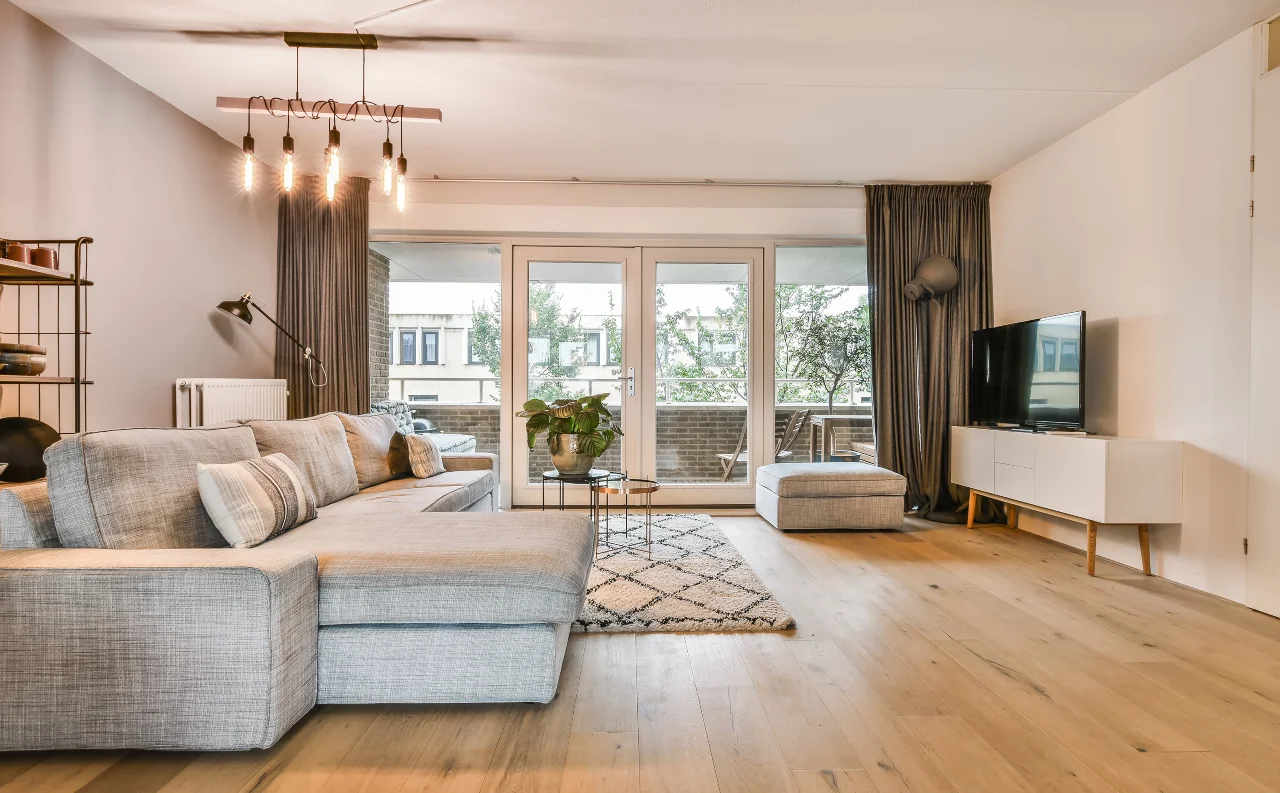
Good design with big windows and natural light makes a small space feel open.
Living with less stuff reduces anxiety and mental clutter.
The lifestyle encourages you to spend more time outdoors.
My home is a home base, not a container I stay in all day.
I have fewer, better things, so the space feels curated, not cramped.
