
Plastic is everywhere in your kitchen, bathroom, and probably right in front of you, it’s not going away on its own. Most people feel stuck. Plastic waste seems too massive for one person to fix. Also, you already own tons of it. Do you throw it out? Buy expensive replacements? Check every label?
None of that. This guide gives you 12 plastic-free swaps. Some start today. Others take more effort. You don’t do all twelve. You pick one and see what happens. Right now, 72 percent of people globally want sustainable stuff. That’s normal now. Your coworkers are doing it, and your family, too.
In this article, you get swaps that work, and you get what most guides skip: what to do with the plastic you already own. We show you how to do this without spending crazy money. Start with one swap this week. Try it for seven days. Then grab another when you’re ready. That’s how actual change happens.
#1. Why Your Plastic-Free Swaps Actually Matter
Researchers found microplastics in human bloodstreams. Not in small amounts either. They found them everywhere in the organs of people who’ve never thought twice about plastic. You breathe it in. You eat it. Your kids eat it. This isn’t fear-mongering. This is what doctors are actually discovering in labs right now.
You already know plastic pollution is bad. Eleven million tonnes of plastic enter the ocean every single year. That number is so big it stops making sense. But notice about it differently: that’s roughly the weight of 150,000 blue whales. Every year. In the water.

Single-use plastic is everywhere. 95 percent of plastic packaging gets used once and then thrown away. For something that lasts five minutes in your hand. Something that lasts 500 years in the ground.
Seventy-two percent of people globally are willing to pay more for sustainable products. That’s not a small group of activists. That’s most people, your friends, your coworkers, your neighbors. People are waking up to the fact that switching to sustainable alternatives isn’t extreme; it’s normal now.
People who make these changes feel better. Not just about the planet. About themselves. About the choices they’re making. Studies show that buying sustainable products makes people feel more in control and happier overall. It’s not just good for Earth. It’s good for your brain.

Small actions add up so fast you’ll be shocked. One person switching to a reusable water bottle prevents 500 plastic bottles a year. One person is that much change. Now multiply that by your family. Your neighborhood. Your city.
#2. The 5 Easiest Plastic-Free Swaps
These five changes are so easy you can do them all this week. Actually, you don’t have to do all of them. Pick one. Start there.
Swap 1: Reusable Water Bottle

Americans buy 167 plastic bottles per person every year. That’s probably more than you thought. For the price of 10 plastic bottles, you get one stainless steel or glass bottle that lasts for years. A basic reusable bottle costs $15 to $40. One time. You’d spend that much on plastic bottles in just a few weeks.
A reusable bottle keeps your drink hot or cold and doesn’t leak all over your backpack. This swap prevents dozens of bottles from hitting the trash every single year. Just from you. And it pays for itself so fast you won’t even notice the cost.
Swap 2: Reusable Shopping Bags

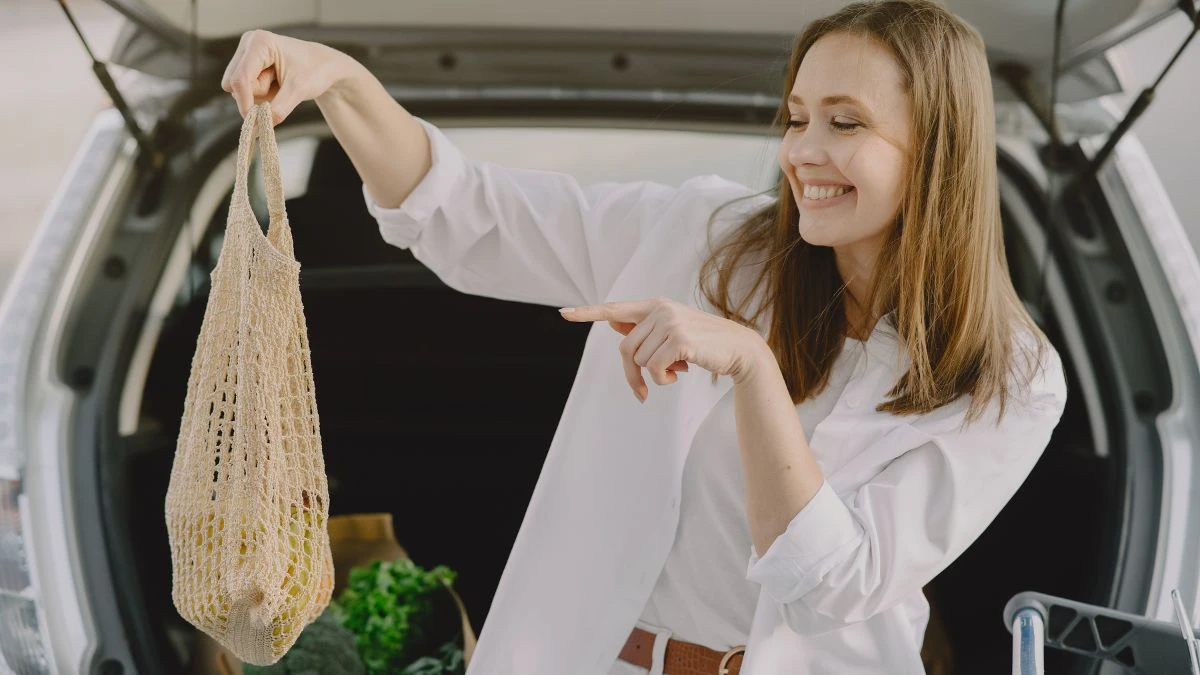
Keep a set in your car, purse, or backpack. Seriously. That’s the whole swap. One set of cloth or canvas bags prevents 500 or more single-use bags from ending up in landfills every year.
You probably already have a few bags lying around. If not, cloth and canvas bags cost $5 to $15 for a good set. Buy one set of quality bags and they’ll last for years. You’ll actually end up saving money because you won’t grab cheap plastic bags at the checkout anymore. This one stops millions of plastic bags from reaching landfills.
Swap 3: Bamboo Toothbrush

Plastic toothbrushes take 500 years to decompose. Five hundred years. A bamboo toothbrush takes three to four months. That’s the difference between your great-great-great-grandkids’ world, still having your old toothbrush, and it being gone before you finish this article.
A bamboo toothbrush works exactly like a plastic one. You brush your teeth. No difference. No weird feel. No sacrifice. They cost three to eight dollars each. You replace your toothbrush every three months anyway, so you’re not spending extra money. You’re just spending it differently.
Swap 4: Stainless Steel Straws

Straws make up four percent of all ocean plastic trash. That sounds small until you realize how many straws that actually is. Billions. Reusable straws last for years and go everywhere with you.
Bring your own to coffee shops and restaurants. People do this. It takes five seconds to pull them out of your bag. Most servers think it’s cool. Some places even give you small discounts for bringing your own. A set of stainless steel straws costs eight to fifteen dollars. You’ll eliminate thousands of single-use straws over your lifetime.
Swap 5: Silicone Food Storage Bags

Silicone bags replace plastic Ziploc bags. They’re washable and reusable. You can use them hundreds of times. Hundreds. A pack costs twenty to forty dollars for a quality set, and they last for years.
These bags replace hundreds of single-use plastic bags every year. Just in your kitchen. You stop buying boxes of Ziploc bags. You wash these. You reuse them. Done.

You’re Done
Finished with these five? Good. You’ve already cut your plastic waste in half. You spent maybe one hundred dollars total. One time. And now you’re preventing thousands of pieces of single-use plastic from entering the waste stream every single year.
#3. The 5 Medium-Challenge Swaps
These swaps take a bit more effort, but the payoff is huge. These aren’t one-time purchases you forget about. These are habits you have to actually build. But that’s the point. Real change happens when you build new habits.
Swap 6: Bar Soap Instead of Liquid

Bar soap is just as effective as liquid soap. That’s not marketing. That’s chemistry. It cleans your hands the same way. But it doesn’t come wrapped in plastic. And it lasts way longer.
One bar of soap costs three to eight dollars. One bottle of liquid soap costs five to ten dollars and lasts about a month. One bar lasts two to three months. You’re spending less money and creating less waste.
Bar soap takes about a week to get used to if you’ve always used liquid. Your brain wants the foam. But after that week, you stop noticing. Most people love bar soap once they’ve used it for a bit.

This swap eliminates plastic soap bottles from your trash. That might sound small, but imagine your household doing this. That’s twelve bottles prevented from the trash every single year. Just from soap.
Swap 7: Beeswax Wraps Instead of Plastic Wrap

Beeswax wraps cover food without plastic leeching chemicals into your meals. They’re washable and reusable for about a year. Then they biodegrade naturally. A good set costs fifteen to twenty-five dollars. You’ll replace plastic wrap hundreds of times with these.
Beeswax wraps take getting used to. They don’t stick quite like plastic wrap at first. You have to warm them with your hands to make them conform to bowls and containers. It feels awkward. But most people love them after two weeks of using them. Two weeks. Then it becomes automatic.
Swap 8: Cloth Napkins and Dish Towels

It takes ten liters of water to make one sheet of paper towel. Paper towels are wasteful in ways people don’t even think about. Making them destroys trees and uses enormous amounts of water. Then you use them once and throw them away.
Reusable cloth napkins and towels cost twenty to forty dollars for a good set. You wash them. You reuse them. That’s it. You’ll save money within a few months by stopping the purchase of paper towels.

You have to remember to use them. You have to throw them in the laundry. It requires slightly more thinking than grabbing a paper towel. But not much more. Just a little shift in habit. The impact is huge, though. One household using cloth instead of paper can prevent years’ worth of paper towel waste. This is one of the biggest waste reducers you can do.
Swap 9: Reusable Coffee Cup

Fifty million paper cups get thrown out every single year in the US alone. That’s just paper cups. That doesn’t count plastic-lined cups. Bring your own reusable cup to coffee shops. A good stainless steel or glass cup costs fifteen to thirty dollars. Many coffee shops give small discounts (usually fifty cents) when you bring your own cup.
You have to remember to bring your cup. You have to wash it. You have to carry it around. This one requires actual behavior change, not just swapping one product for another. But once you build the habit, it’s automatic. This swap stops disposable cup waste from your life completely.
Swap 10: Stainless Steel Razor with Replaceable Blades

Two hundred billion razors and razor blades get thrown away every year. Most of them are disposable razors that go straight into the landfill after a few uses.
Buy one quality stainless steel razor for twenty-five to fifty dollars. Then you only replace the blades, which cost two to five dollars each. The razor lasts for years. Maybe decades. It works better than disposable razors anyway.
There’s a slight learning curve. Disposable razors are kind of forgiving. A safety razor takes maybe three shaves to figure out the right angle. Then you’re good forever. Impact is that you eliminate almost all razor waste from your life. Two hundred billion razors yearly is garbage. You’re not part of that anymore.
#4. The 2 Biggest Impact Swaps
These last two swaps create the biggest ripple effect. Not because they’re the hardest. Because they change how you think about shopping and eating entirely. The difference between these and the earlier swaps is that they require you to change how you shop and eat. They’re not just product swaps. They’re system changes.
Swap 11: Switch Your Food Shopping Method

Most of us buy food with packaging. Lots of packaging. The package protects the food. Then we throw the package away. Repeat, repeat, repeat. But there’s another way. Buy package-free foods at bulk stores. Shop at farmers markets. Bring your own containers from home.
At bulk stores, you bring containers and fill them with exactly what you need. Flour. Rice. Nuts. Granola. You decide the amount. You pay by weight. No packaging. No waste. Just food and containers you already own.
Farmers’ markets work the same way. You bring bags or baskets. You buy directly from people who grew the food. Usually, they don’t wrap it in plastic. They hand it to you bare. This one might feel annoying at first. You have to plan. You have to find these stores or markets near you. You have to actually consider what you’re buying instead of just grabbing boxes off shelves.

Your trash shrinks dramatically. Packaging waste was probably your biggest contributor to plastic waste. Now it’s almost gone. You’re also saving money because you’re not paying for packaging. You’re paying for food.
And you’re teaching your kids what sustainability looks like. Not through lectures. Through actions. They see you bringing containers. They help you shop differently. They understand that this is normal.
The impact is massive. One household switching to package-free shopping prevents hundreds of pounds of packaging waste yearly. Not from one item. From everything you eat.
Swap 12: Say No to Plastic Utensils and Bags at Takeout

Forty billion plastic utensils end up in waste every single year. Forty billion. Spoons, forks, knives. Most of them are used for maybe five minutes. Then tossed.
This swap is simple: bring your own utensils from home. Keep a set in your car or bag. When you order takeout, ask the restaurant not to include utensils. Same with plastic bags. Bring your own bag for takeout. Or ask them to skip the bag if your order fits in your hands.

You feel awkward, but you’re doing something different from everyone else in line. Most people respect this. Servers see it as thoughtful. Other customers notice and try it themselves.
Once it becomes a habit, it takes zero effort. The impact is that you prevent thousands of plastic utensils from ending up in landfills over your lifetime. You also keep plastic bags out of the waste stream. It’s not just about you. It’s about showing restaurants that people actually care about this. When enough customers bring their own utensils, restaurants start asking why they even provide plastic ones.
You’ve Completed the Whole List
You’ve now covered 12 plastic swaps ranging from ridiculously easy to genuinely challenging. You’ve gone from reusable water bottles to changing how you shop for food. That’s real change.
#5. What To Actually Do With Your Old Plastic
The most plastic-free thing you can do with your old plastic is keep using it. That’s not laziness. That’s sustainability. The plastic is already made. It already exists. The damage is done. Getting more use out of it is actually better than recycling it.
Option 1: Keep Using It Until It Wears Out

Use old plastic containers for storage. Pet food. Gardening. Use plastic bags as trash liners. Use water bottles as plant pots. This is the most sustainable option because you’re not creating demand for anything new.
You’re just maximizing what you already have. This buys you time when you transition to the new plastic-free stuff. You don’t have to throw everything away tomorrow. You can use it until it actually breaks.
Option 2: Donate It

Churches and community centers often accept donations. Thrift stores like Goodwill take things. Schools and daycares always need storage containers. Animal shelters need food storage. Post items for free on Facebook Marketplace or Nextdoor. Join a Buy Nothing group where people want free stuff, including your old plastic containers. Someone else gets use out of it. Problem solved. No guilt. No waste.
Option 3: Repurpose It Creatively

Old plastic bottles become plant pots or watering cans. Takeout containers become organizers for nails, buttons, and small items. Plastic bags become pet waste bags. Pill bottles work perfectly for travel-size toiletries like shampoo or lotion. Yogurt containers become pet feeders.
People do amazing things with old plastic. A five-minute internet search will show you fifty reuse ideas you never thought of. This keeps plastic out of the waste stream and costs you nothing.
Option 4: Find the Right Recycling Program

Only 8.7 percent of plastic gets recycled in the US. Globally, it’s 14 percent. Many plastics degrade after one or two recycling cycles anyway. So recycling is your last resort, not your first. But when plastic truly can’t be reused or donated, recycle it properly.
Check Earth911.com to find your local recycling program. Call ahead to confirm what’s actually accepted in your area. Different cities have different rules. Clean items first. Wipe with a dry cloth. Don’t include food debris. Contaminated recycling jams machinery and ruins entire batches.
Option 5: Specialized Recycling Services

Plastic bags jam recycling machinery. They tangle around the equipment and cause shutdowns. So never put plastic bags in curbside recycling. Instead, take them to grocery stores. Most major chains have bag drop-off bins.
NexTrex program locations accept plastic film recycling in many US areas. Hefty ReNew offers curbside programs in some communities. Call your local waste management to ask what specialty recycling options exist near you.
#6. The Real Sustainability Move
The plastic is already out there. The most sustainable move is getting as much use out of it as possible before it goes anywhere. That’s not a cop-out. That’s actual environmental responsibility.
You’re not creating new demand. You’re not wasting what already exists. Feel zero guilt about your old plastic. Use it. Share it. Repurpose it. Recycle it correctly. In that order.
