
Retirement can leave more open hours than expected, yet filling them with something enjoyable is not always easy. Without interests, days can start to feel repetitive, social contact may shrink, and staying physically or mentally active takes more effort.
The good news is that a hobby does not need to be expensive, strenuous, or complicated to add structure and purpose to the week. The best hobbies for seniors match your energy, budget, mobility, and personality.
From walking clubs and gardening to photography, music, volunteering, and local exploring, these 17 ideas offer practical ways to stay active, connected, curious, and fulfilled.
How to Choose a Hobby You Will Actually Keep Doing
Start with enjoyment rather than what you think a retired person is supposed to do. Someone who dislikes gyms probably will not suddenly enjoy exercise classes five mornings a week. A person who loves quiet projects may get more satisfaction from photography, gardening, woodworking, or genealogy.
Think about the practical side too. Consider how far you need to travel, whether the activity requires standing for long periods, what equipment you need, and whether you prefer being alone or around other people.
A useful hobby should fit into your real life instead of creating another obligation.
Which Hobby Fits What You Want More Of?
| If You Want More… | Good Hobbies to Try | Easy Place to Start |
|---|---|---|
| Movement | Walking, swimming, tai chi, dancing, gardening | Recreation center or local park |
| Social contact | Walking clubs, dancing, choir, book clubs, volunteering | Library, senior center, community group |
| Creativity | Photography, painting, crafts, music, cooking | Home or beginner class |
| Learning | Classes, genealogy, photography, music | Library or community college |
| Outdoor time | Gardening, birdwatching, walking, local exploring | Yard, park, accessible trail |
| Quiet time | Reading, painting, knitting, genealogy | Home |
| Purpose | Volunteering, mentoring, gardening | Local nonprofit or community program |
CDC guidance for adults 65 and older recommends a combination of aerobic movement, muscle strengthening, and balance activity each week. The recommendation is at least 150 minutes of moderate aerobic activity each week, plus muscle strengthening on at least two days and activities that improve balance.
People who cannot meet the full recommendation should be as active as their abilities allow.
A hobby can help make some of that activity feel less like exercise.
1. Join a Walking Group
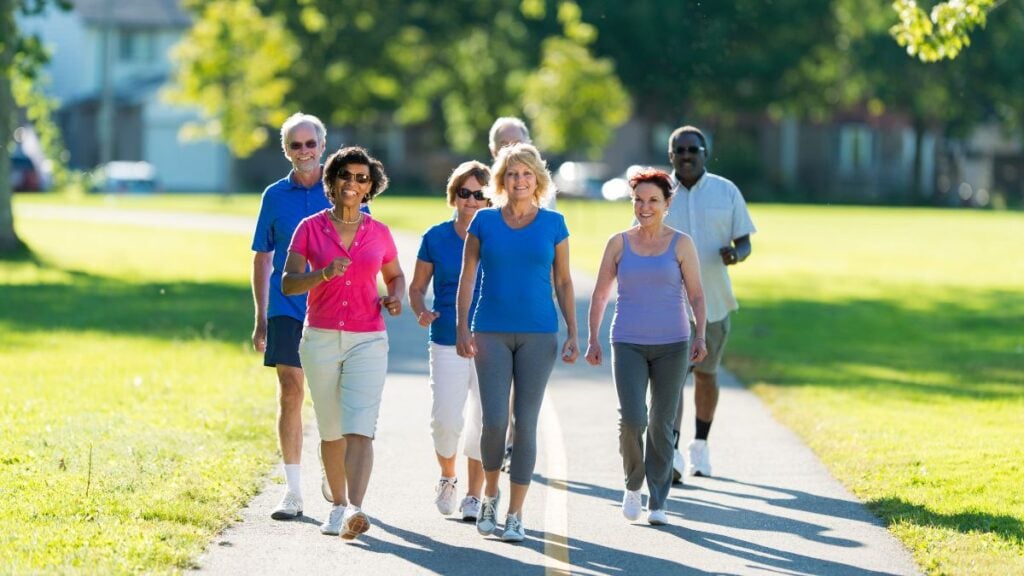
Walking is one of the simplest hobbies to start because you probably already own most of what you need. A neighborhood route, indoor mall, local park, or recreation center can become a regular meeting place.
Adding another person changes the experience. Instead of watching the clock, you may spend the walk catching up, discussing the neighborhood, or planning where the group will meet next.
Start with a distance that feels comfortable. A fifteen minute walk that happens regularly is more useful than an ambitious route that leaves you dreading the next outing.
During very hot, cold, or wet weather, CDC suggests options such as indoor mall walking or home based activity.
2. Try Swimming or Water Aerobics
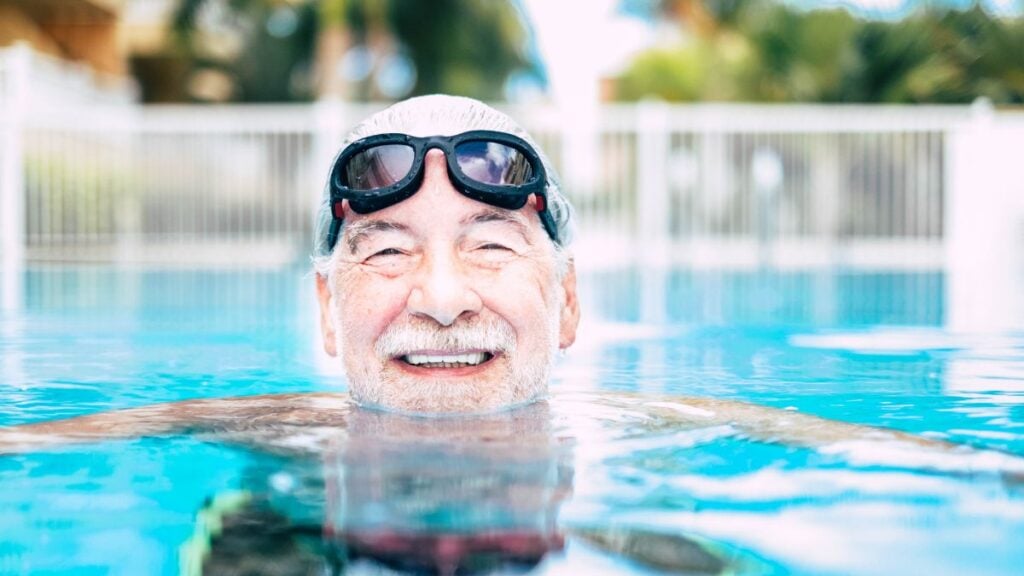
A pool can turn exercise into a hobby, especially if you enjoy being around other people. Swimming laps is one option, but water walking and group water aerobics provide alternatives for people who do not want competitive swimming.
CDC specifically lists water aerobics as an example of aerobic physical activity for older adults. The effort can also be adjusted by slowing down, resting between exercises, or attending a beginner session.
Check local recreation departments, YMCAs, community colleges, and fitness centers. Ask about pool accessibility, water temperature, class pace, and whether an instructor offers modifications.
3. Learn Tai Chi or Gentle Yoga
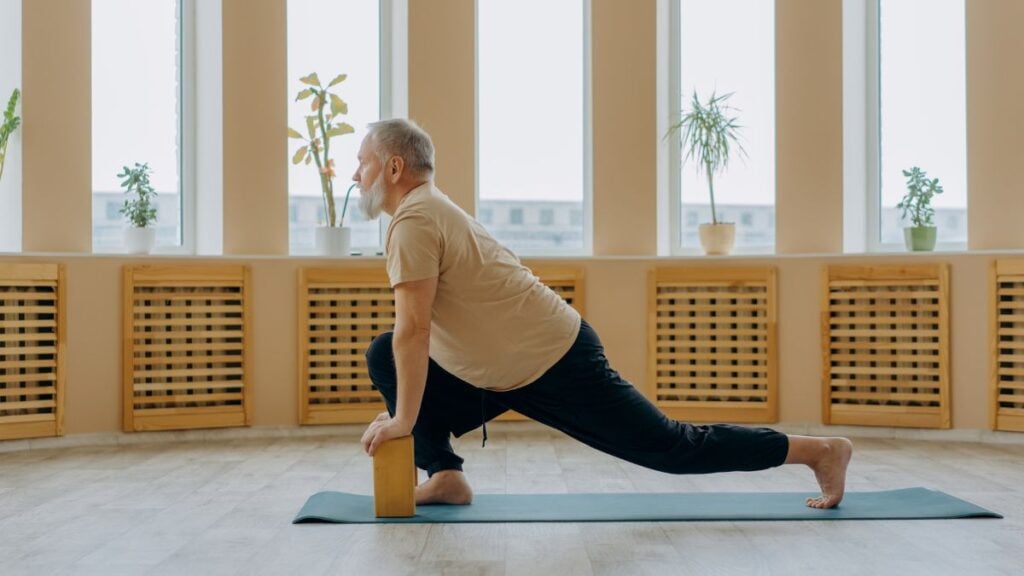
Tai chi is a good fit for someone who wants activity without fast movement. Sessions use slow, controlled motions, changes in body position, and concentration.
CDC identifies tai chi as an activity that can strengthen the legs and improve balance. Yoga, tai chi, gardening, and some sports can also combine several types of physical activity in one session.
Beginners do not need to copy advanced poses or movements. Look for classes specifically marked beginner, gentle, chair based, or older adult friendly when appropriate.
If you have health or mobility concerns that affect exercise, ask your health care professional what type of activity is appropriate before starting a vigorous program.
4. Start Gardening on a Scale That Works for You
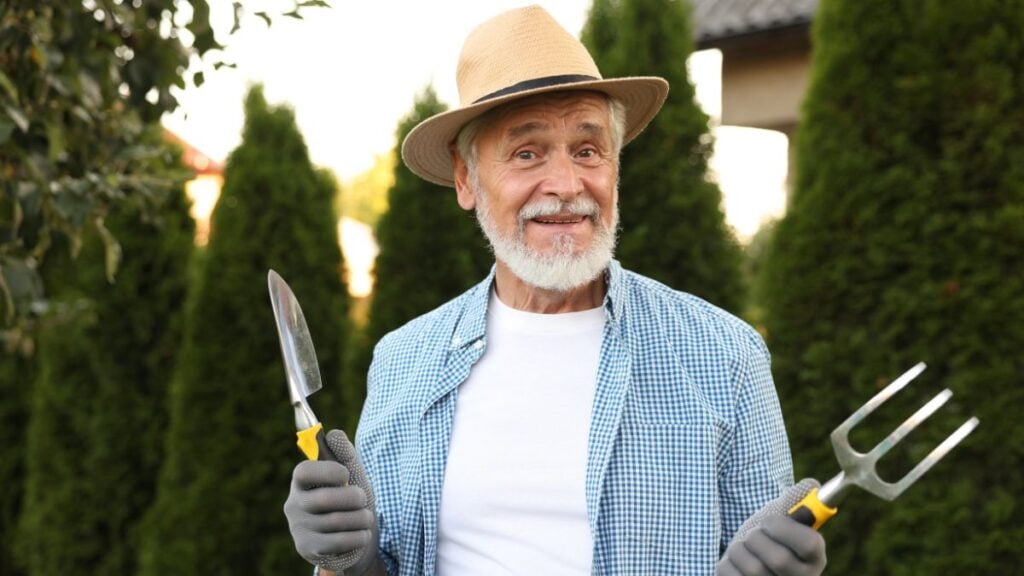
Gardening gives you a project that changes from week to week. You can grow vegetables, herbs, flowers, houseplants, or a few containers rather than maintaining a large yard.
The hobby is easy to resize. Raised beds can reduce how far you need to bend. Containers can fit patios and balconies. Indoor herbs provide an option when outdoor space is limited.
Gardening can also involve useful physical activity. CDC includes digging in a garden as one example of muscle strengthening activity and describes gardening as a form of multicomponent physical activity.
People who want to learn more can look for Cooperative Extension programs. Extension Master Gardener programs operate through land grant universities in 49 states and the District of Columbia.
5. Go Dancing
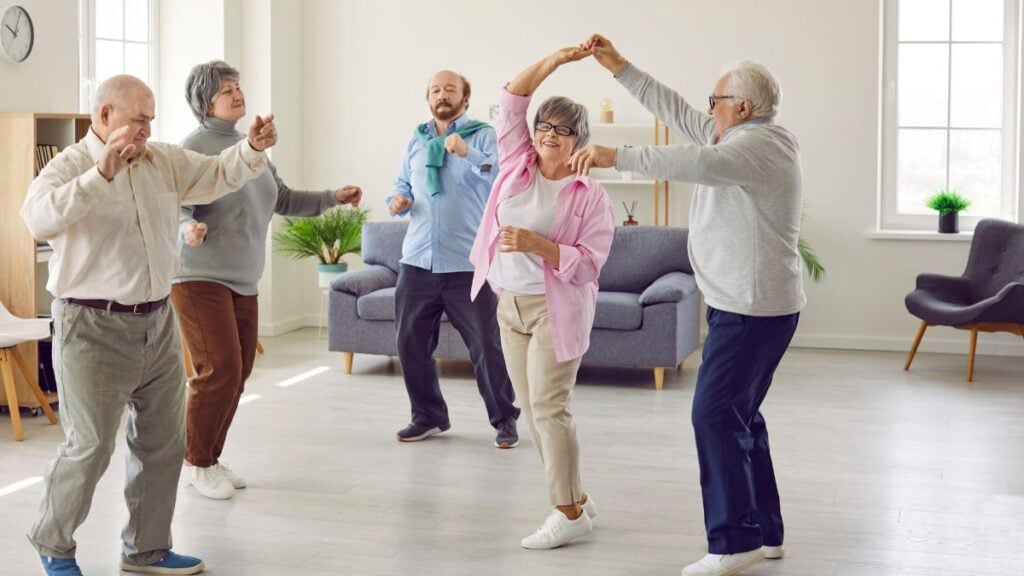
Dancing combines music, movement, memory, and other people in a way that rarely feels like a workout routine.
You might try line dancing, ballroom classes, folk dancing, square dancing, or a beginner social dance group. You do not need a partner for every format, and many community classes teach complete beginners.
The National Institute on Aging includes dancing among the activities older adults can consider when looking for enjoyable ways to remain active.
Comfortable shoes and a beginner pace matter more than complicated steps. The goal is to find a class that makes you want to return.
Comparing the More Active Hobbies
| Hobby | Typical Movement | Social Potential | Where It Works | Beginner Approach |
|---|---|---|---|---|
| Walking | Light to moderate | High with a group | Indoors or outdoors | Short, flat route |
| Swimming | Light to vigorous | Medium to high | Pool | Water walking or beginner class |
| Tai chi | Light to moderate | Medium | Home or class | Beginner movements |
| Gardening | Light to moderate | Low to high | Home or community garden | Containers or raised beds |
| Dancing | Moderate for many styles | High | Class or community center | Slow beginner class |
| Birdwatching | Light, unless combined with hiking | Low to high | Home, park, nature area | Stationary viewing |
6. Take Up Birdwatching
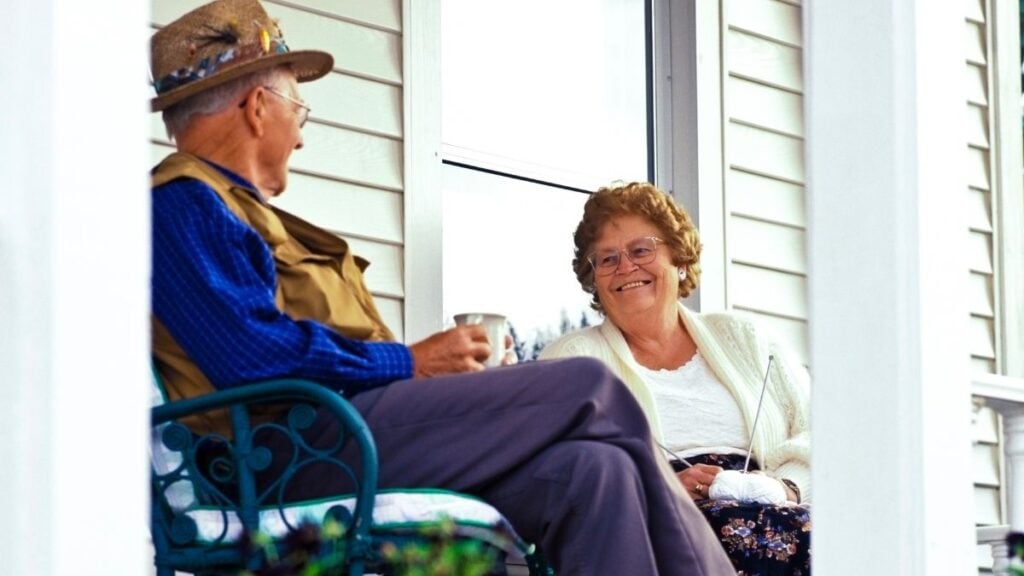
Birdwatching can turn an ordinary walk or morning on the porch into something to look forward to. Once you begin recognizing a few species, seasonal changes become much more noticeable.
You can make the hobby as active as you want. Some people visit parks and trails. Others watch feeders from home or take binoculars to a nearby bench.
A basic pair of binoculars can help, but it is not required on the first day. Start by learning the birds around your home and keeping a simple notebook of what you see.
Local nature centers and birding groups may also host guided walks, which can add a social side to an otherwise quiet hobby.
7. Learn Photography
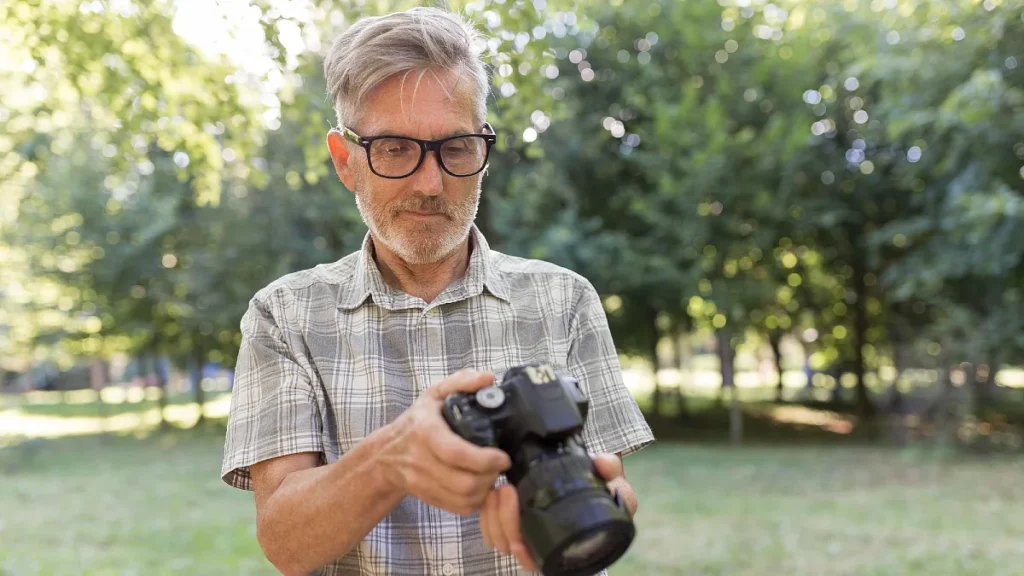
Photography gives you a reason to pay closer attention to places you already visit. Flowers, architecture, grandchildren, wildlife, markets, old buildings, and changing seasons can all become subjects.
You do not need an expensive camera. A smartphone is enough to learn composition, lighting, framing, and basic editing before deciding whether you want more equipment.
Photography also combines well with other retirement hobbies. It can make walking, travel, gardening, birdwatching, and family gatherings more interesting.
NIA notes that research involving activities such as digital photography and other mentally demanding pursuits has produced encouraging results, although the evidence is not strong enough to claim that a particular hobby prevents cognitive decline.
That distinction matters. Choose photography because it interests you, not because someone promises it will protect your brain.
8. Paint, Draw, or Work With Clay
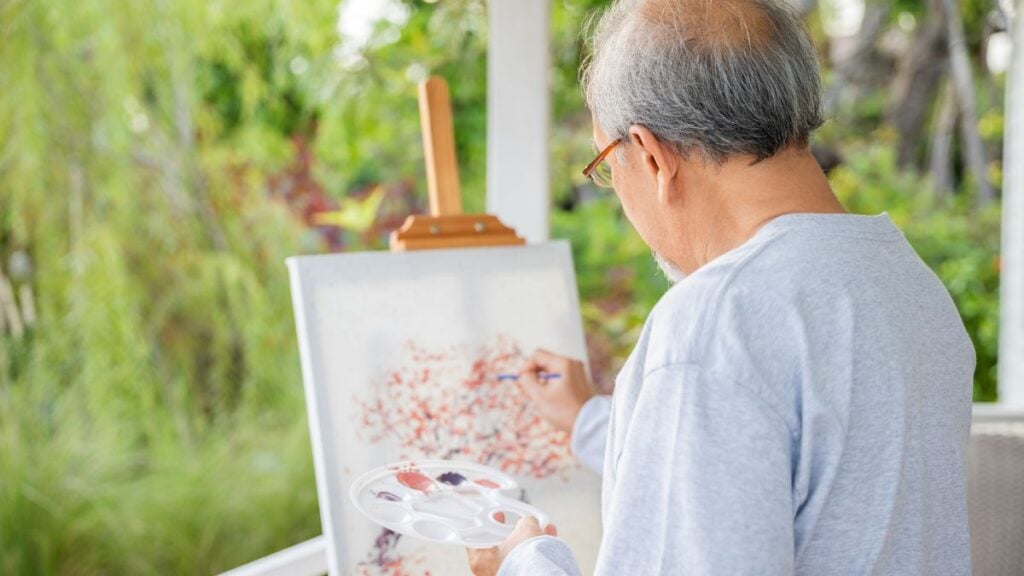
Creative hobbies can be satisfying even when you have no interest in becoming an artist. The finished object is only part of the experience. Choosing colors, solving small problems, and watching an idea take shape can be enjoyable on its own.
Start cheaply. A sketchbook and pencils may be enough. Watercolors require little storage, while clay classes can work well for people who would rather learn in a group.
NIA lists art classes and other creative activities among the meaningful activities older adults might consider. Research into music, theater, dance, creative writing, and similar activities is promising, but NIA cautions that the long term cognitive evidence is not definitive.
Enjoy the process without turning it into another performance test.
9. Knit, Crochet, Sew, or Make Something by Hand
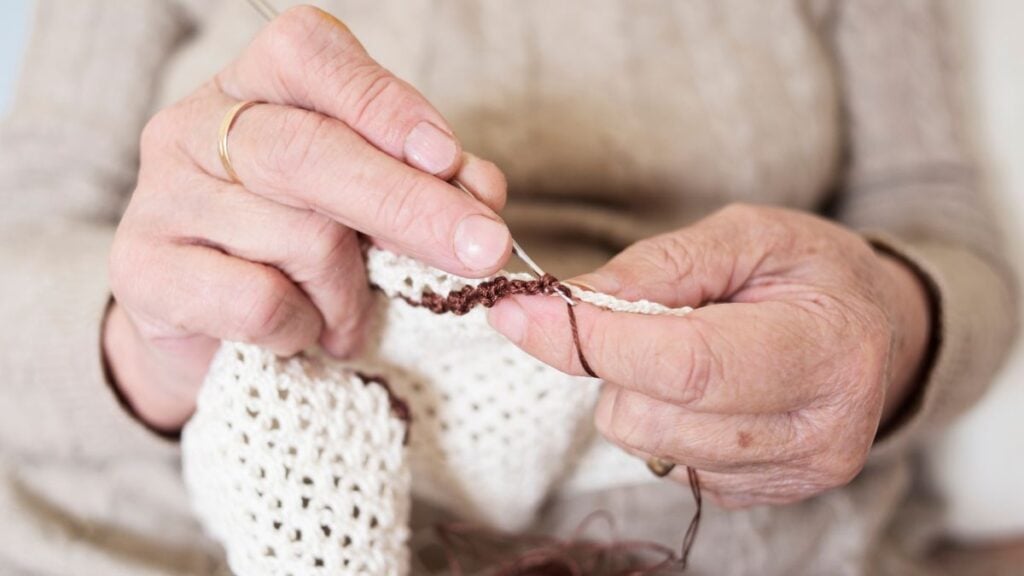
Handcrafts work especially well when you enjoy projects with a clear beginning and end. A scarf, quilt square, repaired chair, model, or handmade card gives you something tangible to show for your time.
The biggest beginner mistake is buying too much. Choose one small project first and purchase only what it requires.
Craft groups can also turn a quiet home hobby into a social one. Libraries, community centers, places of worship, fabric stores, and independent craft shops often provide meeting space or classes.
If hand pain, grip strength, or vision makes one craft uncomfortable, try another rather than assuming creative hobbies are no longer an option.
10. Learn an Instrument or Join a Choir
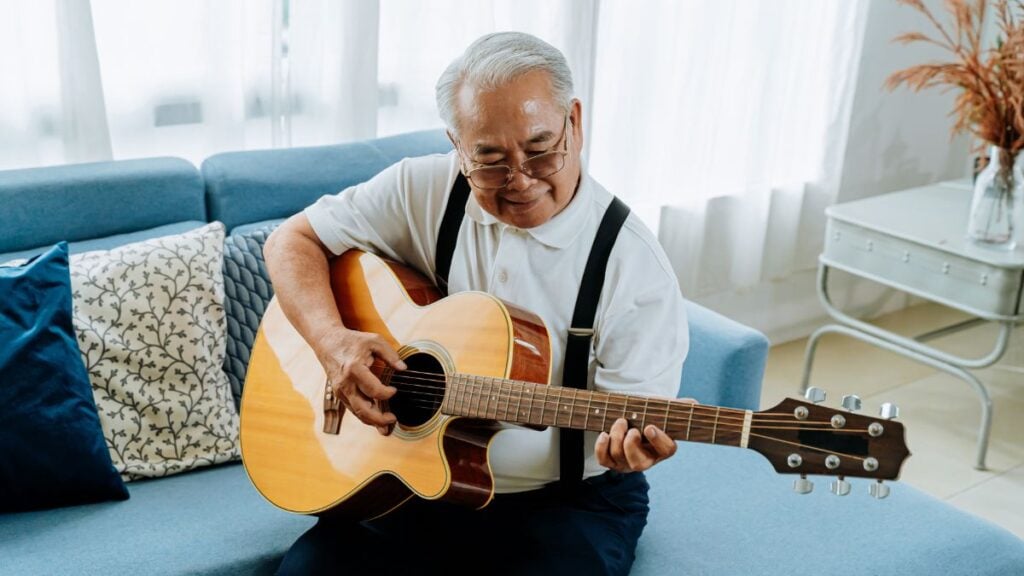
Music is one hobby you can enjoy at almost any level. You can relearn an instrument you played decades ago, start with something new, or join a community choir if you prefer participating with others.
Do not set the bar at performing publicly. Learning three songs on a keyboard or guitar may be enough to make practice enjoyable.
Choirs have another advantage: the activity arrives with a schedule. Weekly rehearsal can give structure to retirement while creating regular contact with the same people.
NIA includes playing music, joining community musical groups, and other arts activities among options for staying engaged.
11. Make Cooking or Baking a Hobby Again
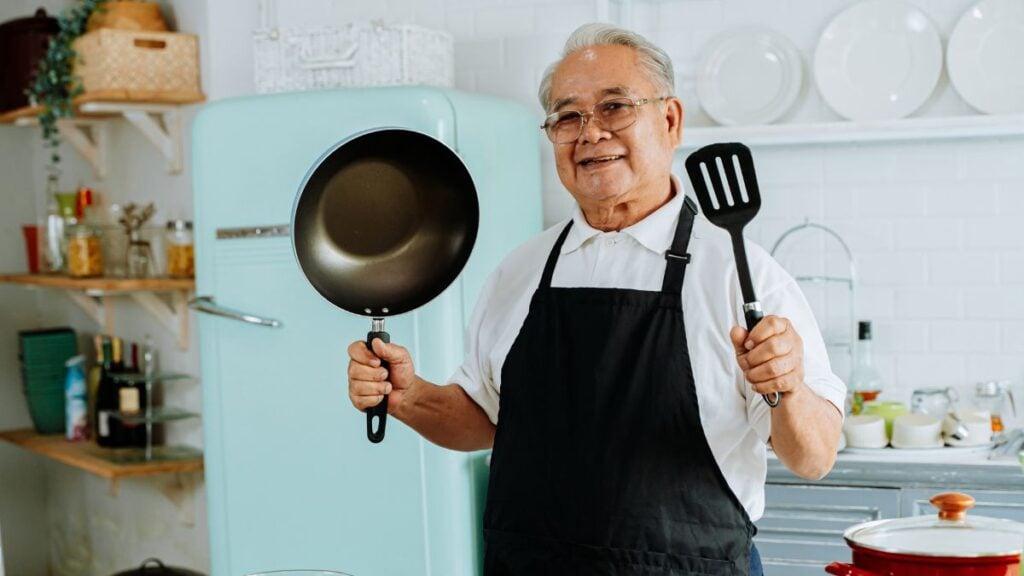
Cooking can become repetitive when it is simply another daily task. Turning it into a hobby changes the goal.
Pick one area you actually want to learn. You could work through family recipes, bake bread, learn regional American dishes, experiment with soups, or explore foods from another culture.
Invite someone occasionally or trade finished dishes with neighbors. That adds a social element without requiring a formal club.
Keep the project manageable. A complicated meal using twelve unfamiliar ingredients may feel like work, while learning one new dish each week gives you something realistic to anticipate.
What Might These Hobbies Cost to Start?
Exact costs vary widely, so it is more useful to think in broad categories.
| Hobby | Starting Cost | Ongoing Cost | Space Needed |
|---|---|---|---|
| Walking | Very low | Very low | None |
| Birdwatching | Low if starting without special gear | Low | None |
| Smartphone photography | Very low if you own a phone | Low | Little |
| Drawing | Low | Low | Little |
| Knitting or crochet | Low to moderate | Moderate | Little |
| Gardening | Low to high | Moderate | Balcony, yard, or indoor space |
| Cooking | Low if using existing kitchen equipment | Moderate | Kitchen |
| Music | Low to high | Low to moderate | Depends on instrument |
| Swimming classes | Moderate | Moderate | No home space needed |
| Local exploring | Low to high | Depends on transportation and admissions | None |
A cheap hobby you enjoy is better than an expensive hobby you feel obligated to continue.
12. Join a Book or Film Club
Reading is often solitary, but discussing a book gives it a second life. A monthly club also provides an easy reason to keep a social date on the calendar.
Public libraries are a good first place to check. Some clubs meet in person, while others use video calls, which can be useful when driving at night or transportation is difficult.
Film clubs can work the same way. Members watch a selected movie and meet later to discuss it.
NIA specifically suggests book or film clubs as ways older adults can continue learning and connect around a shared interest.
13. Take a Class Just Because It Interests You
Retirement can be one of the few times when learning does not need to lead to a promotion, certificate, or exam.
Try history, computers, art, literature, a language, cooking, architecture, music, or another subject you always wanted time to explore. Libraries and community colleges are good places to check for local options.
The Osher Lifelong Learning Institutes provide another route. The Osher Foundation says its network includes institutes on 125 college and university campuses, offering noncredit courses and educational activities developed for adults 50 and older.
Online classes can work well if transportation is difficult. In person courses may be better when meeting people is part of your goal.
Choose the format that solves the problem you actually want your hobby to solve.
14. Research Your Family History
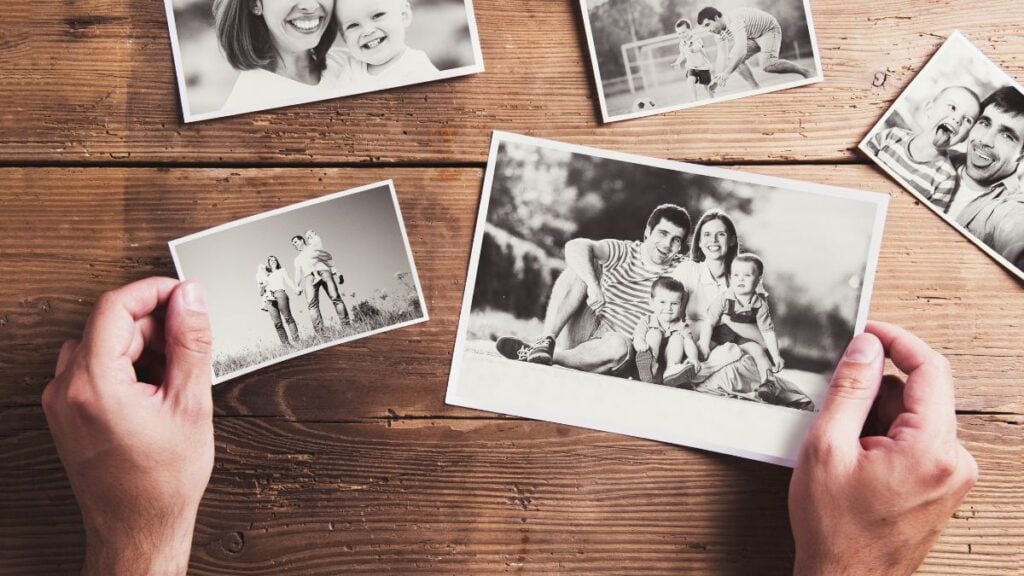
Genealogy can begin with a box of old photographs and turn into a project that lasts years.
Start with information already available in the family. Label photographs, organize documents, record names and dates, and ask relatives about stories that might otherwise disappear.
Then use public records, libraries, archives, cemetery records, newspaper collections, and genealogy databases to confirm what you find. Family stories can contain mistakes, so keep documented facts separate from memories that have not been verified.
You can also create a family photo book or written history. That gives the hobby a practical outcome without requiring you to complete an enormous family tree.
15. Play Cards, Chess, or Board Games Regularly
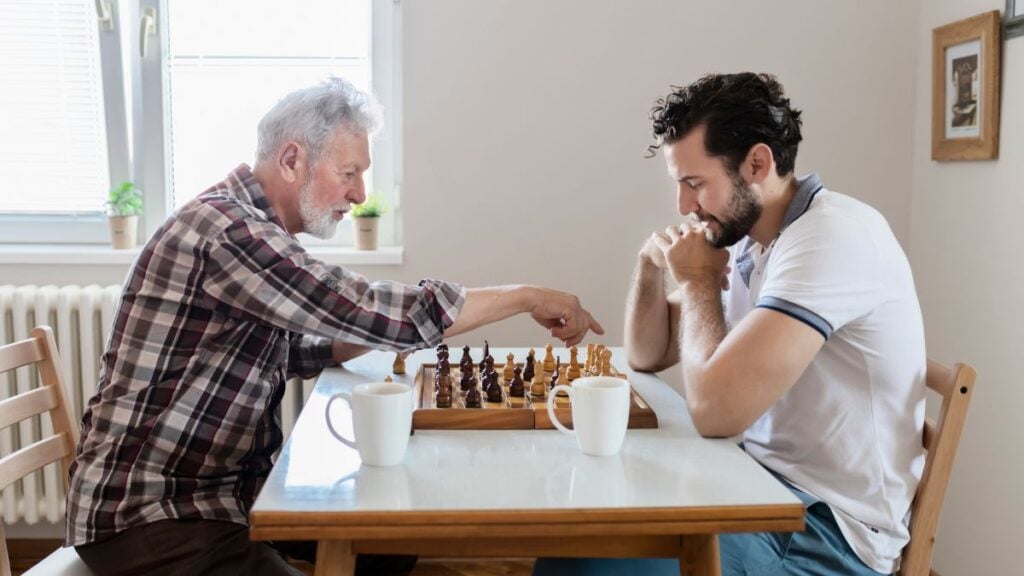
Games work because they give people something to do together. Conversation tends to happen naturally when everyone is also focused on a deck of cards, chessboard, puzzle, or game.
Choose something the group actually enjoys. Bridge may suit one person, while another would rather play dominoes, Scrabble, checkers, mahjong, or a simple card game.
NIA recommends games and social hobbies as possible ways of staying engaged, but be cautious with advertisements claiming that a particular commercial game can prevent memory problems.
NIA says there is not enough evidence to assume commercial brain training products produce the same effects as structured cognitive training used in research.
Fun is enough reason to play.
16. Volunteer or Mentor Someone

Retirement can remove the daily feeling that other people are depending on you. Volunteering can bring some of that purpose back without recreating a full work schedule.
Libraries, museums, schools, food programs, animal shelters, community gardens, hospitals, parks, and local nonprofits may need help. Your previous work skills can be useful, but volunteering does not have to resemble your former career.
AmeriCorps Seniors RSVP connects adults age 55 and older with community organizations. Its volunteer commitments can range from a few hours to as much as 40 hours per week, allowing volunteers to choose opportunities that fit their schedules and interests.
NIA also points to volunteering as one way of building meaningful social connection and purpose.
Start modestly. Two enjoyable hours each week may be more sustainable than immediately accepting several responsibilities.
17. Become a Local Explorer
You do not need a major vacation to make exploring a hobby. Start treating nearby places as destinations.
Visit historic houses, parks, museums, botanical gardens, small towns, farmers markets, public gardens, scenic roads, cultural festivals, or neighborhoods you have never properly explored.
Give the hobby a theme if you like. You might visit every state park within two hours, photograph local architecture, try independent museums, or explore one new walking trail each month.
For Americans who enjoy federal recreation areas, U.S. citizens and permanent residents age 62 and older are currently eligible for the America the Beautiful Senior Pass. As of 2026, the National Park Service lists the annual pass at $20 and the lifetime pass at $80.
Check the current rules before purchasing because fees and access requirements can change.
What If Mobility, Transportation, or Money Is Limited?
A hobby should be adapted before it is abandoned. Birdwatching can happen from a window. Gardening can move into containers. Exercise can include chair based options. Book groups and classes can meet online.
Transportation can matter just as much as physical ability. Ask senior centers, libraries, community programs, recreation departments, or local aging organizations whether transportation or virtual participation is available.
The Administration for Community Living funds senior centers and community services that may include education, exercise programs, transportation, and other activities, although offerings vary by location.
The federal Eldercare Locator can also connect older adults and families with local aging services. It is available online and by phone at 1-800-677-1116.
Cost does not have to be a barrier either. Libraries, parks, walking groups, photography with a phone, drawing, card groups, volunteering, and family history projects can all be started with little new equipment.
A Simple Four Week Hobby Test
Give a new hobby one month before buying lots of equipment or making a big commitment. Each week helps you decide whether it truly fits your retirement lifestyle.
1
Try the hobby once with minimal equipment.
Was it actually enjoyable?
2
Try it again at a realistic time and pace.
Does it fit your normal week?
3
Add a class, friend, group, or small goal if useful.
Would a social or structured version be better?
4
Decide whether to continue, change it, or try something else.
Is it worth your time, money, and energy?
Put It on the Calendar
A Tuesday walking group or Thursday art class is easier to maintain than hoping you will find free time later.
Start With Just One or Two
Retirement does not need to become a productivity contest. Choose activities that add enjoyment without filling every hour.
