Cheap housing can make affordable places to retire look like an easy financial win, but the purchase price tells only part of the story.
Property taxes, homeowners insurance, summer cooling, winter heating, car costs, HOA fees, and state tax rules can quietly shrink a monthly budget. A city that looks cheaper on a real estate screen may cost more once those bills arrive.
The eight places below all offer housing below the national typical home value, yet each carries a different budget trap. Comparing hidden costs first can show which locations still fit after the headline savings are stripped away.
What Does “Affordable” Really Mean in Retirement?

A low home price gives a retiree a head start, especially when moving from an expensive metro area. But the better number is the home’s annual carrying cost, which continues whether the mortgage is large, small, or already paid off.
Zillow’s August 2026 data put the U.S. typical home value near $368,700. Every city on this list came in below that level, although Tucson and Albuquerque were much closer to the national figure than Tulsa or Pittsburgh. Zillow
That does not automatically make one city cheaper than another. A retiree buying a $250,000 house with costly insurance and two cars may spend more each year than someone living in a $300,000 home with lower recurring expenses.
| Place | Typical home value, Aug. 2026 | Cost that deserves extra attention |
|---|---|---|
| Tulsa, OK | $220,221 Zillow | Homeowners insurance |
| Pittsburgh, PA | $239,865 Zillow | Property tax and older-home repairs |
| Springfield, MO | $245,882 Zillow | Vehicle personal property tax |
| San Antonio, TX | $247,453 Zillow | Property tax and home insurance |
| Fort Wayne, IN | $248,442 Zillow | Driving and winter costs |
| Ocala, FL | $265,333 Zillow | Home and flood insurance |
| Tucson, AZ | $321,918 Zillow | Summer electricity |
| Albuquerque, NM | $345,503 Zillow | State tax and utility details |
These are city-level Zillow Home Value Index figures, not estimates of what a particular house will cost. Insurance, property tax, HOA fees, and maintenance must be priced for the actual address.
1. Pittsburgh, Pennsylvania: Low Home Prices Can Hide Property Costs

Pittsburgh stands out because its typical home value was about $239,865 in August 2026. Pennsylvania also gives retirees an important tax advantage because qualifying retirement income, including Social Security and many retirement-plan distributions received after meeting retirement requirements, is generally excluded from Pennsylvania personal income tax.
Housing costs need a closer look, however. Pittsburgh’s 2026 city, county, and school property-tax rates together produced $2,655.70 in taxes on $100,000 of assessed value, according to Allegheny County.
Assessed value and market price are different numbers, so buyers should check the specific parcel rather than multiplying that figure by a home’s listing price.
The city’s older housing is another issue. Pittsburgh planning documents specifically note its older housing stock and the renovation and restoration costs that can come with it.
A low-priced house that soon needs a roof, electrical work, sewer repairs, windows, or major efficiency improvements can quickly lose its price advantage.
Before buying: Pull the parcel’s actual tax bill, get a thorough home inspection, and ask separately about sewer lines, roof age, electrical service, foundation condition, and heating equipment.
2. Fort Wayne, Indiana: Housing Is Cheap, but Can You Give Up a Car?
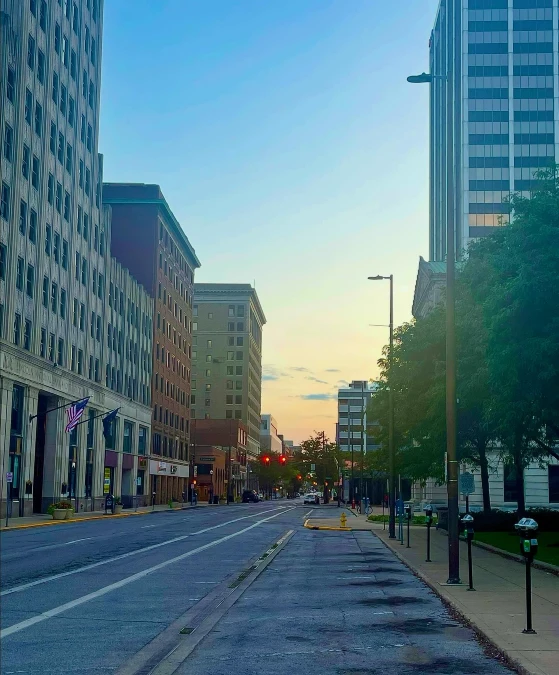
Fort Wayne had a typical home value of about $248,442 in August 2026, putting it well below Zillow’s national figure. Indiana also limits property taxes on homesteads to 1% of gross assessed value under its circuit-breaker system, although voter-approved referendum charges can sit outside the basic cap.
Transportation is the less obvious expense. Fort Wayne has Citilink bus service, and riders age 60 and older qualify for reduced fares. Yet its March 2026 system information says regular service runs Monday through Saturday, with no Sunday service.
Walk Score gives Fort Wayne an average city Walk Score of 32, meaning the usefulness of living without a car varies sharply by neighborhood. A cheaper house farther from groceries, doctors, and daily services may therefore require keeping a vehicle longer than planned.
Winter needs a budget line too. The National Weather Service reports normal annual snowfall of about 33.6 inches in Fort Wayne. Snow removal, heating, tires, and winter home maintenance should be part of the comparison.
3. Springfield, Missouri: Do Not Forget the Annual Tax on Your Car

At roughly $245,882 for a typical home and about $1,200 for average rent in August 2026, Springfield remains inexpensive compared with many larger U.S. retirement markets.
The surprise for newcomers can arrive outside the housing budget. Missouri taxes certain personal property, including motor vehicles. The State Tax Commission says cars and similar personal property are generally assessed at one-third of market value before local tax levies are applied.
The commission gives a simple illustration: a vehicle with a $10,000 market value would have an assessed value of about $3,333, with the local levy then applied to that amount. The final tax varies by location, so that example should not be treated as a Springfield quote.
That matters for a household with two newer vehicles. Someone moving from a state without an annual vehicle property tax could otherwise leave this expense out of a retirement budget entirely.
4. Tulsa, Oklahoma: The Cheap House Needs an Insurance Quote

Tulsa has one of the lowest housing figures in this group. Zillow reported a typical home value of $220,221 and average rent of $1,287 in August 2026.
Homeowners insurance deserves far more attention than the listing price suggests. A 2026 Government Accountability Office analysis found that homeowners premiums as a share of median household income were among the highest in Florida, Louisiana, and Oklahoma, with disaster-prone areas experiencing stronger premium increases.
Oklahoma’s Insurance Department maintains a home-rate comparison tool and updated its sample rates in August 2026. The agency stresses that premiums vary with location, replacement cost, home age, claims history, deductibles, and other factors.
For a retiree, the safest comparison is simple: get real quotes for the property before making an offer. A $220,000 house should not be called affordable until the insurance premium and deductible are known.
What Cheap-Home Lists Often Leave Out
| Expense | Why it matters in retirement | Best way to check |
|---|---|---|
| Home insurance | Premiums can change the monthly housing cost substantially | Quote the exact address |
| Property tax | Continues after the mortgage disappears | County tax record |
| Vehicle tax | Exists in some states even after the car is paid off | State or county assessor |
| Utilities | Heating and cooling needs vary sharply | Ask for 12 months of bills |
| Transportation | A car can erase savings from cheaper suburban housing | Test regular errands |
| HOA or community fee | Can rise and may cover different services | Read current budget and reserve documents |
| Major maintenance | Roof, HVAC, plumbing, sewer, and accessibility work can be costly | Inspection plus repair estimates |
| Insurance deductible | A low premium may come with more out-of-pocket risk | Read the policy quote |
5. Albuquerque, New Mexico: Check Which Retirement Income Is Taxable

Albuquerque is the most expensive housing market in this group after Tucson, with Zillow reporting a typical home value of about $345,503 in August 2026. It is still below Zillow’s national figure, but the gap is much smaller than in Tulsa or Pittsburgh.
New Mexico’s retirement tax rules deserve attention because they are more detailed than a simple “taxes Social Security” or “doesn’t tax Social Security” label.
The state provides a Social Security exemption for single filers below $100,000 of income and married couples filing jointly below $150,000, with separate thresholds for other filing statuses.
People age 65 and older may also qualify for an exemption of up to $8,000 of taxable income, depending on income. Higher-income retirees should therefore run their actual pension, IRA withdrawal, Social Security, and investment-income figures through New Mexico’s rules rather than assuming everything is exempt.
Utilities deserve room in the budget as well. EIA data put New Mexico’s average residential electricity price at 16.09 cents per kilowatt-hour in July 2026.
6. Ocala, Florida: Affordable Florida Housing Still Comes With Insurance

Ocala can look attractive to someone who wants Florida without South Florida home prices. Zillow put its typical home value at about $265,333 in August 2026, well under the national figure.
Insurance is the line item that should be priced before falling in love with a house. Florida’s Office of Insurance Regulation maintains the CHOICES tool specifically because homeowners rates can vary greatly with location, construction, insured value, mitigation features, and deductibles.
OIR-based July 2026 data put the Marion County average homeowners premium with wind coverage at about $2,191 a year. That is a countywide average rather than a quote, and flood coverage is separate. An older roof, different construction, higher rebuild cost, or different deductible can produce a very different bill.
Planned communities add another question. Before buying, request the current HOA fee, what it includes, recent increases, reserve information, and any planned assessments. A house price alone cannot answer whether the community fits the budget.
7. Tucson, Arizona: The Cooling Season Belongs in the Housing Budget

Tucson’s August 2026 typical home value was about $321,918. That keeps it below Zillow’s national figure while offering a Southwest climate that appeals to retirees who prefer mild winters.
The cost tradeoff appears in summer. National Weather Service climate normals show Tucson averages about 68 days a year at 100°F or above. By September 10, Tucson had already recorded 77 such days in 2026.
Arizona’s July 2026 average residential electricity price was 15.38 cents per kilowatt-hour, according to the U.S. Energy Information Administration. Your Tucson bill will depend on the utility, home size, insulation, thermostat setting, solar setup, and HVAC efficiency, but air conditioning cannot reasonably be treated as a minor expense.
Arizona does exclude Social Security retirement benefits from state taxable income. Other pension and retirement income can be taxable depending on its source, so the tax side still needs an individual calculation.
8. San Antonio, Texas: Low Home Prices Do Not Mean Low Housing Costs

San Antonio may deliver the biggest lesson in separating purchase price from carrying cost. Its typical home value was roughly $247,453 in August 2026, more than $120,000 below Zillow’s national figure.
Texas property tax is locally assessed rather than collected as a state property tax. The state now requires school districts to provide a $140,000 general homestead exemption, plus an additional $60,000 exemption for qualifying homeowners age 65 or older or disabled. Other local exemptions may also apply.
Insurance remains another major cost. The Texas Department of Insurance reports a 2025 statewide average homeowners premium of $3,489, although San Antonio households can pay substantially more or less depending on the individual property and coverage.
That means a retiree should compare the net property tax after exemptions plus a real insurance quote. Using a state’s lack of individual income tax as the entire affordability argument misses too much of the housing bill.
What Should You Verify in Each City?
| Place | Check this before signing | Useful source or document |
|---|---|---|
| Pittsburgh | Actual parcel tax and older-home systems | Allegheny County tax record + inspection |
| Fort Wayne | Whether daily errands work without two cars | Citilink route map + test drive |
| Springfield | Annual vehicle personal property tax | County assessor |
| Tulsa | Insurance premium and storm deductible | Oklahoma DOI + insurer quotes |
| Albuquerque | Tax on your specific retirement income | New Mexico PIT rules |
| Ocala | Home, wind, flood, and HOA costs | Florida OIR + HOA documents |
| Tucson | Summer electric bills and HVAC condition | Seller utility history + inspection |
| San Antonio | Net tax after exemptions and home insurance | Appraisal district + insurer quotes |
Which Hidden Costs Should You Subtract Before Moving?

Start with expenses that will follow you every year. A one-time moving bill matters, but a recurring $200 monthly difference lasts for as long as you stay in the new location.
Do the comparison using the same housing type in every city. Comparing a 1,400-square-foot condo in one state with a 2,400-square-foot detached home somewhere else gives a false result.
Ask for real numbers whenever possible:
- Get homeowners, auto, flood, and wind quotes for the actual address.
- Look up the previous property-tax bill and ask how a sale could affect assessed value.
- Request 12 months of electric, gas, water, sewer, and trash bills.
- Add HOA, condo, amenity, or community fees separately.
- Estimate how many vehicles the household will actually need.
- Price snow removal, lawn care, pest service, pool care, or other local needs.
- Check roof, HVAC, plumbing, electrical, foundation, and accessibility needs before closing.
- Review Medicare provider and hospital availability for the exact ZIP code rather than assuming coverage will match your current county.
Healthcare deserves special attention because Medicare Advantage and provider networks can vary by county. Medicare’s official Care Compare and plan comparison tools are safer starting points than assuming a favorite insurer, doctor network, or plan will work after a move.
A Better Retirement Housing Budget
| Cost | Current home | New city estimate |
|---|---|---|
| Mortgage or rent | $___ | $___ |
| Property tax | $___ | $___ |
| Home or renters insurance | $___ | $___ |
| Flood/wind coverage | $___ | $___ |
| HOA/community fee | $___ | $___ |
| Electricity/gas/water | $___ | $___ |
| Home maintenance reserve | $___ | $___ |
| Auto payments/insurance/fuel | $___ | $___ |
| Vehicle/property taxes | $___ | $___ |
| Lawn, snow, or exterior care | $___ | $___ |
| Total monthly housing/lifestyle cost | $___ | $___ |
Do this calculation before deciding how much cheaper a retirement location really is. For annual bills, divide the expected yearly amount by 12 so insurance and taxes cannot disappear from the monthly comparison.
How to Test an Affordable Retirement City Before You Buy

Spending a few weeks in a city can reveal costs that spreadsheets miss. Stay in the neighborhood you could actually afford rather than a downtown hotel or vacation area that bears little resemblance to everyday life.
Drive to the grocery store, pharmacy, medical offices, parks, airport, and places you would use regularly. Test those trips at normal times and check whether walking or public transportation could realistically replace some driving.
Then look at several homes without buying. Collect tax records, HOA documents, insurance quotes, utility histories, and inspection information from properties in the price range you expect to use.
Renting for several months can make even more sense after a long-distance move. It gives you time to learn which neighborhoods reduce driving, which communities have fees you consider worthwhile, and how weather affects everyday expenses.
Most important, leave room for the budget to change. Insurance premiums, property taxes, utility rates, association fees, and home maintenance rarely remain frozen for a 20-year retirement.
Which of These Affordable Places to Retire Still Makes Financial Sense?

All eight cities can qualify as affordable places to retire when housing price is the starting point. The better question is whether the whole budget still works after the expenses hidden behind that price are included.
Tulsa, Springfield, Pittsburgh, and Fort Wayne begin with particularly low housing costs, but insurance, vehicle taxes, older houses, transportation, or winter expenses require attention.
Ocala offers relatively affordable Florida housing, while insurance needs careful checking. Tucson trades mild winters for a long cooling season, Albuquerque needs a closer retirement-tax calculation, and San Antonio pairs inexpensive housing with property-tax and insurance costs.