Early retirement looks simple from the outside: save enough, leave work, and enjoy the freedom.
But once the paycheck stops, small issues such as health insurance, taxes, spending habits, Social Security timing, and long empty weekdays can become much bigger than expected.
Michel’s biggest surprise was not that early retirees worried about money. It was that the hardest adjustments often came from turning savings into income, replacing work routines, protecting relationships, and learning how much flexibility mattered.
First, Early Retirement Has More Than One Clock
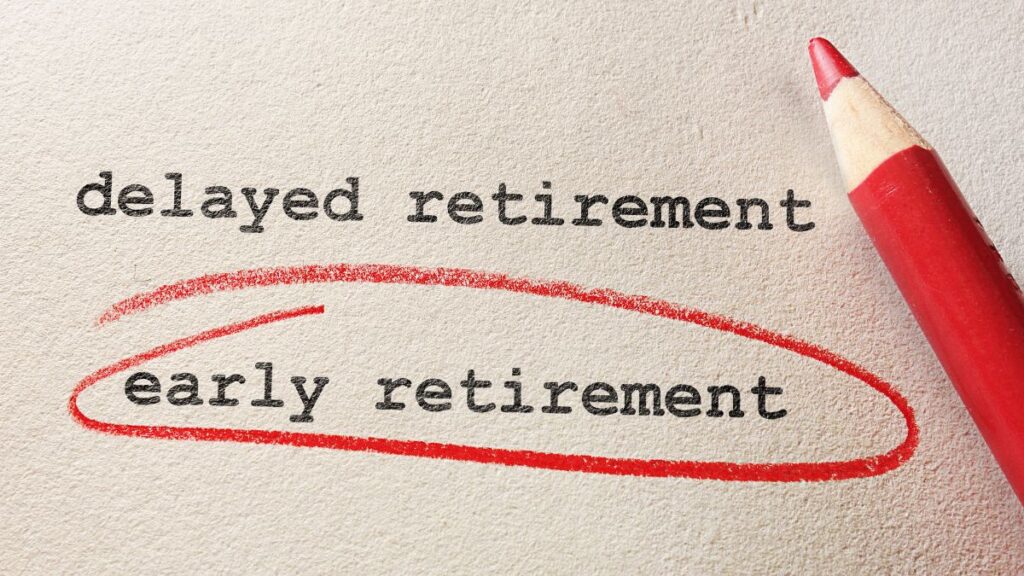
One of the easiest mistakes is thinking of “retirement age” as a single date. In reality, several different ages affect taxes, health coverage, Social Security, and access to retirement accounts.
For someone born in 1960 or later, Social Security full retirement age is 67. Retirement benefits can begin at 62, while Medicare generally begins at 65, and retirement account rules have still other age thresholds.
That creates a surprisingly complicated timeline for a person who hopes to leave a job at 55 or 58.
| Age | What Can Change | Why an Early Retiree Should Care |
|---|---|---|
| 55 | Certain employer plan withdrawals may qualify for an exception to the 10% additional tax after separation from service | Can affect how a retirement income bridge is built |
| 59½ | Many retirement plan withdrawals are no longer subject to the 10% additional early distribution tax | More retirement savings become easier to access |
| 62 | Earliest age for regular Social Security retirement benefits | Claiming this early can permanently reduce the monthly benefit |
| 65 | Medicare eligibility generally begins | Pre 65 retirees need another health coverage plan |
| 67 | Full retirement age for people born in 1960 or later | Important for Social Security benefit calculations |
| 70 | Delayed Social Security retirement credits stop increasing benefits | Waiting beyond 70 does not produce additional delayed retirement credits |
The important point is that quitting work does not automatically trigger any of these other milestones. A person might retire at 56, access one pool of money at 56, another at 59½, claim Social Security years later, and change health insurance again at 65.
That means early retirement needs a timeline, not just a target date.
1. Leaving Work and Claiming Social Security Are Two Different Decisions

An early retiree does not have to claim Social Security simply because employment ends. Those are separate decisions, and automatically combining them can create a permanent financial consequence.
For someone whose full retirement age is 67, claiming retirement benefits at 62 can reduce the worker’s monthly benefit by as much as 30% compared with waiting until full retirement age. Delaying past full retirement age can increase the monthly benefit until age 70.
Consider a simplified example involving a hypothetical $2,500 monthly benefit at full retirement age. A 30% reduction would bring that starting amount to about $1,750 per month if claimed at 62.
Waiting until 70 could produce roughly 124% of the full retirement age amount under current delayed retirement credit rules. In this simplified example, that would be about $3,100 per month.
That does not mean everyone should wait until 70. Health, other income, survivor planning, taxes, cash needs, family circumstances, and personal priorities can change the decision.
The important lesson is that “Michel stopped working” and “Michel should claim Social Security” are not automatically the same decision.
2. Health Insurance Can Decide Whether the Plan Feels Comfortable

Many people planning retirement in their 50s concentrate on investments first. Then they discover that the years between employer coverage and Medicare require their own financial strategy.
Someone who retires before 65 and loses employer health coverage may need Marketplace coverage, coverage through a spouse, COBRA, or another option. The right choice can depend heavily on household income, health needs, location, and available plans.
That makes taxable income more important than some early retirees expect. Large retirement account withdrawals, investment income, Roth conversions, and other income can affect both taxes and, in some cases, eligibility for Marketplace assistance.
Medicare does not make health expenses disappear once age 65 arrives either. The standard Medicare Part B premium in 2026 is $202.90 per month, while the annual Part B deductible is $283.
Higher income households may pay additional Medicare premiums. Prescription drugs, supplemental coverage, dental care, vision care, and other out of pocket expenses can add more.
For early retirees, health coverage belongs near the beginning of the retirement calculation. It should never be something added after the rest of the plan has already been built.
3. Having Enough Money Is Different From Being Able to Reach It

Someone can look wealthy on paper and still have a cash flow problem at age 53.
A large portion of a person’s savings may sit inside retirement accounts. Yet many retirement plan distributions taken before age 59½ can face an additional 10% federal tax unless an exception applies.
That does not mean the money is completely inaccessible. It means early retirees need to understand exactly which accounts will pay the bills during each stage of retirement.
One important exception can apply to certain employer sponsored retirement plans when a worker separates from service during or after the calendar year in which the worker turns 55. However, the rules do not work identically across every type of retirement account.
That makes account location almost as important as total net worth.
| Retirement Period | Main Question | Planning Issue |
|---|---|---|
| Before 59½ | How will living expenses be funded? | Account access rules and possible taxes |
| 59½ to 61 | Which accounts should provide income? | Withdrawal order and tax management |
| 62 to 64 | Should Social Security begin? | Permanent claiming decision |
| Around 65 | How will health coverage change? | Medicare enrollment and premiums |
| 67 to 70 | Should Social Security be delayed further? | Larger benefit versus using other assets |
A retirement plan therefore needs more than a statement showing total assets.
It needs an annual cash flow map showing where real spending money will come from before Social Security, after Social Security, before Medicare, after Medicare, and later in retirement.
4. The First Retirement Budget Is Usually Only a Draft

Many people assume spending will fall sharply once commuting, workplace meals, professional clothing, and other job related expenses disappear. Some costs do decline, but retirement spending rarely moves in one straight line.
Research from the Employee Benefit Research Institute has found that unexpected spending remains common among retirees. In its 2024 Spending in Retirement Survey, 36% of retirees surveyed reported unexpected spending needs since retiring.
The same research found that 31% said their spending was somewhat or much higher than they could afford. That is an important reminder that a retirement budget can change once real life begins.
Recent J.P. Morgan retirement research has also highlighted significant spending volatility during the first few years of retirement. That period can include more travel, home projects, vehicle replacements, healthcare expenses, and family support than expected.
The first retirement budget should therefore be treated as a working plan rather than a permanent prediction.
| Budget Area | What May Fall | What May Rise |
|---|---|---|
| Transportation | Commuting and parking | Leisure travel and vehicle use |
| Food | Workplace lunches | Dining out and social meals |
| Health care | Employer payroll deductions disappear | Premiums and out of pocket costs |
| Leisure | Work related costs disappear | Travel, hobbies and entertainment |
| Housing | Downsizing may lower some expenses | Repairs, remodeling and maintenance |
| Family | Work costs decline | Support for children, grandchildren or parents |
The practical lesson is simple. A retirement that works only when every expense lands exactly on the original forecast leaves very little room for reality.
Building margin into the plan can matter more than making the first budget look perfectly efficient.
5. Early Market Losses Feel Different After Paychecks Stop
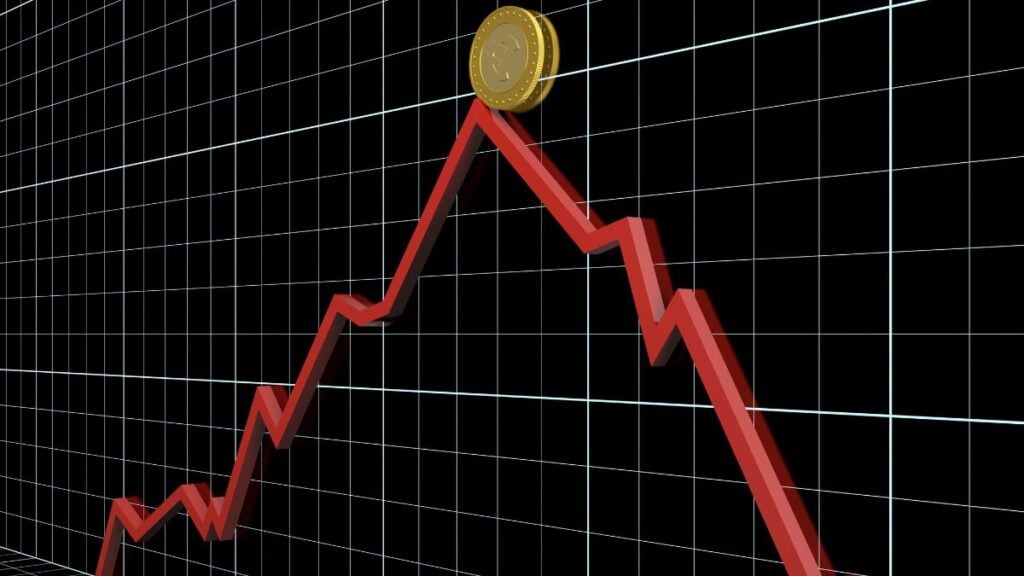
A stock market decline during someone’s working years can be unpleasant. Yet wages may still arrive every two weeks, and retirement plan contributions may continue buying investments at lower prices.
After retirement, the same market decline can feel completely different.
Now the household may be withdrawing money from the portfolio instead of adding to it. Selling investments while markets are down can make early retirement losses more difficult to recover from.
This is commonly called sequence of returns risk. Poor market returns early in retirement can be more damaging when withdrawals are occurring at the same time.
The emotional side can be just as important as the mathematics.
Someone who comfortably held stocks through a downturn at 48 may react differently at 58 when the paycheck is gone and a declining portfolio is paying the mortgage, groceries, travel expenses, and insurance premiums.
That does not mean retirees should react to every market decline. It means their investment and spending plans should be built for the reality of withdrawing money during both good and bad markets.
A flexible spending plan, adequate cash reserves, and a diversified portfolio can give retirees more room when markets become uncomfortable.
6. Some Retirees Become Too Afraid to Spend
Early retirees often spend decades training themselves to save. Turning that habit off can be harder than expected.
Someone may spend 25 years feeling good every time money moves into a 401(k), IRA, or investment account. Retirement suddenly reverses the direction.
Now money is supposed to come out.
Even when the portfolio was built specifically to fund retirement, every withdrawal can feel like something is being lost. That emotional reaction can cause some retirees to delay affordable trips, hobbies, home improvements, or experiences they had saved for.
Employee Benefit Research Institute research has found that a strong saving mindset remains common among retirees. In its 2024 spending research, about 38% of respondents placed themselves toward the saving end of the saving versus spending scale.
Only about 11% placed themselves toward the spending end.
This creates an interesting retirement problem. Overspending can threaten long term financial security, but extreme underspending can also prevent someone from using retirement savings for the life those savings were designed to support.
A useful system separates essential expenses from discretionary spending.
Essential spending needs stronger protection. Flexible spending can then rise or fall depending on markets, taxes, health expenses, and portfolio performance.
That creates permission to spend without pretending financial risks have disappeared.
7. Freedom Feels Better When the Week Still Has Structure

Monday morning can feel wonderful when there is no alarm clock.
But after several months, seven completely open days can begin to feel surprisingly similar.
Work quietly provides structure. It determines when people wake up, shower, leave home, eat lunch, interact with others, solve problems, and feel that something has been completed.
When work disappears, all of those small anchors may disappear at once.
That does not mean retirees need to replace a 40 hour workweek with a 40 hour hobby schedule. Retirement should create space that employment often did not allow.
But completely unstructured time does not automatically create satisfaction.
Some retirees thrive when their weeks include a few dependable anchors such as morning walks, exercise classes, volunteer work, golf, church activities, family dinners, community groups, gardening, or scheduled time with friends.
Others prefer projects such as restoring a car, learning an instrument, improving a home, writing, woodworking, or caring for grandchildren.
The activity itself matters less than having reasons for certain days to feel different from other days.
Michel’s broader lesson would be simple: freedom becomes more enjoyable when there is still something worth getting out of bed for.
8. Work Was Providing More Social Contact Than Many Realized

Coworkers do not have to be close friends to provide meaningful social contact.
Meetings, lunch conversations, short jokes, hallway conversations, phone calls, customer interactions, and familiar faces all create regular contact with other people.
Retirement can remove much of that contact overnight.
National Institute on Aging guidance identifies retirement and other major life changes as situations that can increase the risk of social isolation for some older adults.
Meaningful activities and regular social connection may help people maintain stronger relationships and engagement.
That makes a social plan almost as important as a financial plan.
Before leaving work, someone can look at what an ordinary future week will actually contain.
| Area | Stronger Position | Possible Warning Sign |
|---|---|---|
| Routine | Several regular weekly activities | Most days have no planned structure |
| Friends | Relationships exist outside work | Nearly all social contact comes from coworkers |
| Purpose | Hobbies, projects, volunteering or caregiving | Retirement goal is mainly to stop working |
| Activity | Walking, exercise or active hobbies | Most retirement plans involve sitting at home |
| Community | Clubs, neighbors, classes or local groups | Very little connection outside the household |
No retiree needs every category filled.
The point is to recognize how many invisible benefits work may have been providing before the job disappears.
Replacing a salary is one task. Replacing social connection can be another.
9. Retirement Can Change a Marriage Even When Money Is Fine

Two people can agree completely about retiring and still disagree about what retirement should look like.
One spouse may picture travel, long lunches, shared errands, and spending most days together. The other may picture golf, reading, woodworking, volunteering, seeing friends, or simply having several quiet hours alone.
Neither expectation is necessarily wrong.
Problems can develop when both people assume their partner’s retirement will look exactly like their own.
Early retirement can make this adjustment especially noticeable because a couple may move from sharing evenings and weekends to sharing the same home nearly every day.
Suddenly, small questions become more important.
Who handles household chores? How much travel is enough? How much money can each person spend without discussing it? How often should adult children visit? How much time should each spouse spend independently?
These are not merely financial questions.
They are lifestyle questions that can shape whether retirement feels freeing or restrictive.
One useful exercise is for each person to describe an ordinary Tuesday after retirement.
The answer can reveal more than asking where the couple wants to take their first vacation, because ordinary Tuesdays will make up far more of retirement than cruises, holidays, and anniversary trips.
10. Part Time Work Does Not Automatically Mean Retirement Failed

The traditional picture of retirement says someone leaves work on Friday afternoon and never earns another paycheck.
Real retirement can be much more flexible.
Some people leave demanding careers and later decide to consult, teach, freelance, work seasonally, run a small business, or take a lower pressure part time job.
Money may be part of the reason.
But work can also restore structure, conversation, intellectual stimulation, and the satisfaction of doing something useful without carrying the pressure of a full career.
Returning to work does not automatically mean the original retirement plan failed.
For some people, optional work is exactly what makes early retirement sustainable.
Social Security rules can matter if someone works while receiving benefits before full retirement age.
In 2026, a person below full retirement age who receives Social Security retirement benefits can earn up to $24,480 before the lower annual retirement earnings test limit begins affecting benefits.
Different rules apply during the year a person reaches full retirement age.
That rule applies only to people receiving Social Security before full retirement age. Someone who retired at 55, worked occasionally at 58, and had not yet claimed Social Security would be in a different situation.
The bigger lesson is that retirement does not have to be a one way door.
Someone can leave a demanding career without promising never to earn another dollar.
11. The Most Valuable Asset May Be Flexibility
Retirement conversations often search for one perfect number.
Someone hears that $1 million is enough, $1.5 million is enough, or that a certain multiple of annual expenses creates financial independence.
The problem is that two households with exactly the same investment balance can have very different levels of security.
One household may own a modest home, have little debt, keep several years of optional spending, and be comfortable working occasionally.
Another household may have high housing costs, expensive travel expectations, large fixed bills, and very little ability to reduce spending.
Their portfolio balances could be identical while their ability to respond to trouble is completely different.
That is where flexibility becomes powerful.
It may come from keeping fixed expenses reasonable, maintaining cash reserves, holding money across different account types, delaying a major purchase, reducing discretionary travel for a year, downsizing later, or earning some income temporarily.
Retirement research from firms such as Fidelity and Vanguard has increasingly emphasized flexible withdrawal approaches rather than assuming one spending rate works perfectly every year for every household.
That does not mean retirees should constantly change plans.
It means the household should have somewhere to bend when markets, inflation, health expenses, taxes, or family circumstances do not cooperate.
A retirement plan with choices can sometimes be more resilient than a larger plan with no room to adjust.
12. Retiring Early Does Not Mean Every Big Dream Must Happen Immediately

There is another trap hidden inside early retirement: urgency.
Someone may spend years saying, “Once I retire, I’ll finally travel.”
Then retirement arrives, and suddenly the person wants three major vacations, a home renovation, a new vehicle, several expensive hobbies, and more financial help for adult children within the first 18 months.
There is nothing wrong with spending money on long awaited experiences.
The danger appears when retirement is treated like a short window that will close immediately.
Consider someone who retires at 55 and uses age 90 as a planning horizon.
That creates a 35 year retirement period.
No one knows exactly how long retirement will last, but the example shows why early retirement is better viewed as a long stage of life rather than one extended vacation.
Those years may contain very different seasons.
Someone may travel heavily at 57, help grandchildren at 64, move at 70, care for a spouse at 74, and spend much more on healthcare later.
The first 12 months do not have to contain every dream.
Leaving some experiences for later can protect both finances and anticipation.
What Someone Considering Early Retirement Should Test First
Early retirement becomes easier to judge when the dream is turned into a rehearsal.
Instead of asking only whether the portfolio has reached a certain balance, someone can test the actual cash flow and lifestyle before handing in a resignation.
A six month trial can expose weaknesses that a retirement calculator may never show.
For example, someone can live on the expected retirement budget while still working and move the unused salary into savings. That test can reveal whether the proposed lifestyle actually feels comfortable.
The same idea can be used for healthcare, routine, relationships, and discretionary spending.
| Priority | What to Test | Practical Next Step |
|---|---|---|
| Spending | Can the household live comfortably on the planned amount? | Live on the retirement budget for several months |
| Health insurance | What covers the household before Medicare? | Price realistic premiums and out of pocket costs |
| Cash flow | Which account funds each retirement stage? | Build a year by year withdrawal map |
| Social Security | When might benefits begin? | Compare official benefit estimates at several ages |
| Market risk | What happens after a poor first year? | Model lower returns and lower optional spending |
| Routine | What replaces the workweek? | Schedule recurring social, physical and meaningful activities |
| Relationship | Do both partners picture the same retirement? | Compare expectations for time, travel and spending |
| Flexibility | What can change if the original plan fails? | Identify expenses and income options that can adjust |
This test may confirm that someone is ready to leave work.
It may also reveal that working another year, reducing debt, building taxable savings, lowering housing costs, or solving the health insurance gap would make retirement much more comfortable.
Neither answer should be considered failure.
Finding a weakness before leaving work gives someone more choices than finding the same weakness two years after the paycheck has disappeared.

Marvin is an expert in farming equipment with a strong background in agricultural engineering. He graduated from Kansas State College of Agriculture, where he received a degree in Agricultural Engineering and specialized in farm equipment design and maintenance.