
Retirement can give you the freedom you wanted and still leave some afternoons feeling strangely empty. When work disappears, it can also remove routine, conversation, goals, deadlines, and the feeling that somebody expects you to show up.
You do not need to fill every hour. Research on older adults suggests that hobbies, movement, social connection, purposeful roles, learning, creativity, and music can support well-being.
The goal is not endless busyness. It is to build a week with enough structure, challenge, connection, and meaning to keep retirement boredom from taking over.
Why Retirement Boredom Can Sneak Up on You
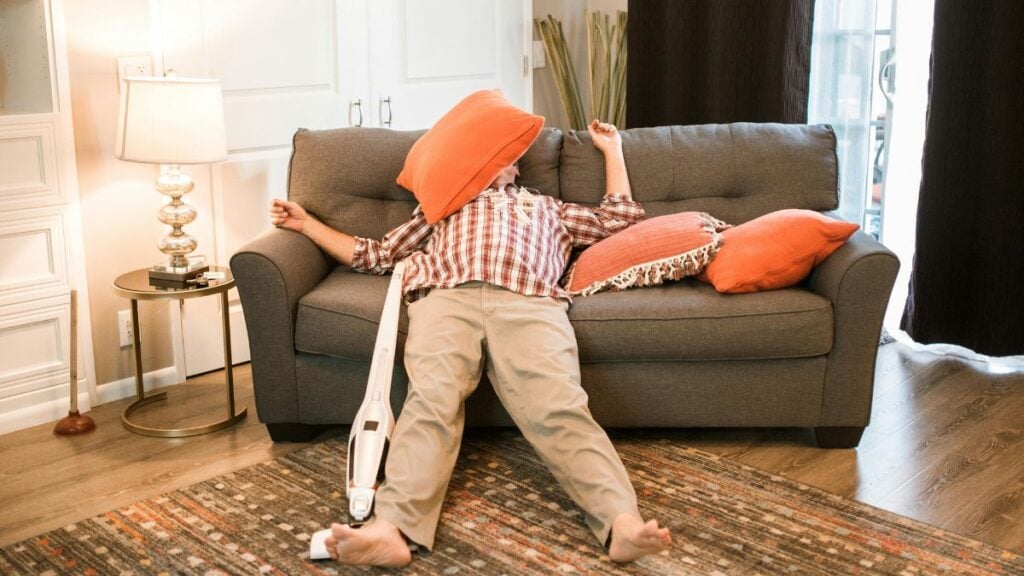
The National Institute on Aging directly recognizes boredom after retirement. It notes that people who were busy during their working years can feel lost about how to spend their time after leaving work, and it points to enjoyable social and productive activities as one possible response.
The interesting part is that boredom is not always a shortage of entertainment. A retiree can have television, books, errands, a comfortable home, and plenty of free time while still missing progress, challenge, social contact, or the feeling of being useful.
Research involving 93,263 adults age 65 and older across 16 countries found that hobby engagement was associated with fewer depressive symptoms and higher levels of happiness, life satisfaction, and self-reported health.
That study was observational, so it cannot prove that hobbies caused those outcomes, but the pattern was remarkably consistent across several countries.
Before adding another activity to your calendar, it helps to ask what your boredom is actually missing. Different problems call for different solutions.
| What Your Day Feels Like | What May Be Missing | A Useful Experiment |
|---|---|---|
| Every day feels the same | Structure | Create three regular daily anchors |
| You have things to do but feel unstimulated | Challenge | Learn a difficult new skill |
| You spend too much time alone | Connection | Join a recurring group |
| You feel restless or sluggish | Movement | Add a daily walk or class |
| Nothing feels important | Purpose | Volunteer, mentor, or help someone |
| You consume plenty but create little | Progress | Start a hands-on project |
The aim is not to diagnose yourself from a table. It is simply to choose a better experiment instead of assuming that every bored retiree needs the same hobby.
1. Rebuild a Simple Daily Rhythm

A completely open calendar can sound wonderful before retirement. After several months, though, Monday morning can begin to feel almost identical to Thursday afternoon.
You do not need to schedule retirement in 30-minute blocks. Try three anchors instead: something you normally do in the morning, something that gets you moving or out of the house, and something you look forward to later.
For example, breakfast and reading at 8:00, a walk around 11:00, and coffee with a neighbor at 3:00 can give a day shape without making it rigid.
NIA recommends meaningful, enjoyable activities as part of an active lifestyle in later life, particularly when someone is spending increasing amounts of time alone.
2. Take a Walk With a Purpose
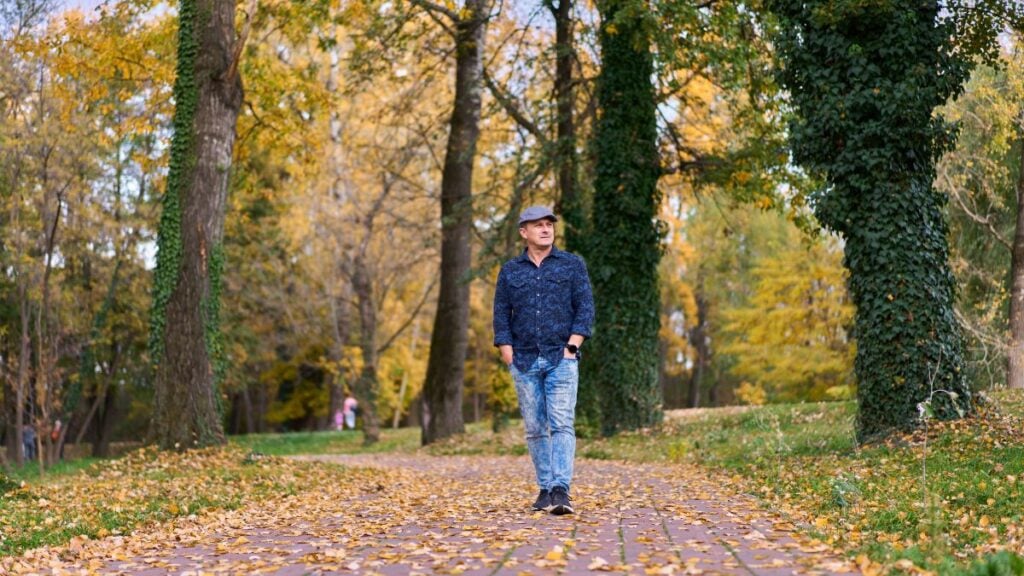
Walking solves more than one retirement problem when you give it a destination. Walk to the library, photograph interesting houses, meet someone for coffee, count birds in the park, or explore one unfamiliar street.
For adults 65 and older, current CDC guidance recommends at least 150 minutes of moderate-intensity aerobic activity each week, along with muscle-strengthening activity on at least two days and balance work. The CDC also stresses that some physical activity is better than none and that activity can be broken into smaller amounts.
That means the anti-boredom version does not have to begin with an ambitious fitness program. A 15-minute walk with a reason to leave the house is a much easier place to start.
3. Join Something That Meets Every Week

A recurring activity has one advantage over occasionally calling friends: it creates an appointment that exists before you wake up wondering what to do. A walking club, library group, choir, faith community, woodworking group, card group, class, or community-center activity can all serve this role.
NIA reports that social engagement, including visiting neighbors and volunteering, has been associated with better cognitive health in later life. It also points to social activities and community programs as ways to reduce isolation and loneliness.
You do not need a huge circle of friends. One reliable weekly gathering can give you conversation, anticipation, and a place where people begin to notice when you are missing.
4. Learn Something That Is Actually Difficult

Easy activities fill time, but difficult ones can give you progress. Try photography, woodworking, piano, painting techniques, a language, genealogy software, sewing, video editing, or a technology skill that currently feels slightly beyond you.
In the Synapse Project, adults ages 60 to 90 spent months learning demanding skills such as digital photography and quilting. The groups doing sustained, cognitively challenging learning showed improvements in episodic memory compared with groups assigned less demanding activities.
That does not mean learning photography prevents cognitive decline. It does suggest that later life is not a reason to stop asking your brain to learn complicated things.
5. Bring Back a Hobby You Once Loved

Starting something new is not your only option. Think about what you enjoyed at 25, 40, or 55 before work, caregiving, or family responsibilities pushed it aside.
It could be fishing, gardening, model building, sewing, baking, photography, playing an instrument, fixing old cars, collecting, or painting. NIA specifically recommends restarting an old hobby or taking a class when trying to strengthen social connection and meaningful activity.
Hobbies also have broader research support. The large 16-country study of adults 65 and older found hobby engagement was associated with better mental well-being across several measures.
6. Volunteer for a Specific Role
“Volunteer more” is vague advice. A role is better because someone knows what you are responsible for and when you are expected to arrive.
You might help at a food pantry every Wednesday, drive for a local organization, assist at a library, help maintain a community garden, tutor students, support an animal shelter, or help a nonprofit with bookkeeping or administration.
The best role often uses skills you already have while giving you contact with people you would not otherwise meet.
Research on volunteering in later life is encouraging, although the quality of evidence varies. Reviews have found possible benefits across social, mental, physical, and cognitive outcomes, while also warning that not every claimed benefit is supported equally strongly.
7. Turn Exercise Into a Social Appointment

Some retirees struggle to maintain either an exercise routine or a social routine. Combining them can solve two problems with one appointment.
Meet a friend for a walk, join water aerobics, take a beginner pickleball class, attend tai chi, or find a small strength-training group. CDC guidance notes that walking, swimming, yoga, tai chi, gardening, and many sports can count toward different types of activity for older adults.
If you have been inactive for a long time or have a medical condition that affects exercise, choose activities that fit your abilities. The CDC advises adults with chronic conditions or disabilities to be as active as they can safely be and to discuss appropriate activity with a health professional when needed.
The 14 ideas below work best when you choose the one that replaces something missing from your own week. You do not need to attempt all 14.
| Simple Strategy | What It Can Restore | Easy First Step |
|---|---|---|
| Daily anchors | Structure | Fix one regular morning activity |
| Purposeful walking | Movement and novelty | Walk somewhere rather than nowhere |
| Weekly group | Connection | Attend one local meeting |
| Difficult new skill | Challenge | Take one beginner lesson |
| Old hobby | Enjoyment | Spend 30 minutes restarting it |
| Volunteering | Purpose | Try one defined role |
| Social exercise | Movement and connection | Invite one walking partner |
| Creative work | Progress | Finish one small piece |
| Outdoor time | Change of setting | Visit a nearby park |
| Music | Mood and stimulation | Make one intentional playlist |
| Cooking or baking | Creation and sharing | Make something for another person |
| Intergenerational activity | Variety and connection | Help, teach, or learn across generations |
| Mentoring | Usefulness | Share one skill you know well |
| 30-day project | Progress and anticipation | Pick one measurable finish line |
8. Make Something Instead of Only Consuming

Television, social media, videos, and reading can all be enjoyable. But if most of your free time involves consuming what other people created, try spending part of the week producing something yourself.
Paint, knit, photograph, sing, write family stories, restore furniture, arrange flowers, build something, garden, or make a scrapbook. You do not have to be talented enough to sell the result because the process itself can provide challenge and progress.
A systematic review of 93 studies examining arts and creativity in later life found promising evidence across physical, psychological, and social outcomes.
The authors found particularly encouraging results around dance, music, singing, and creative arts, while also noting that the strength of evidence differed by activity.
9. Spend More Time Outdoors
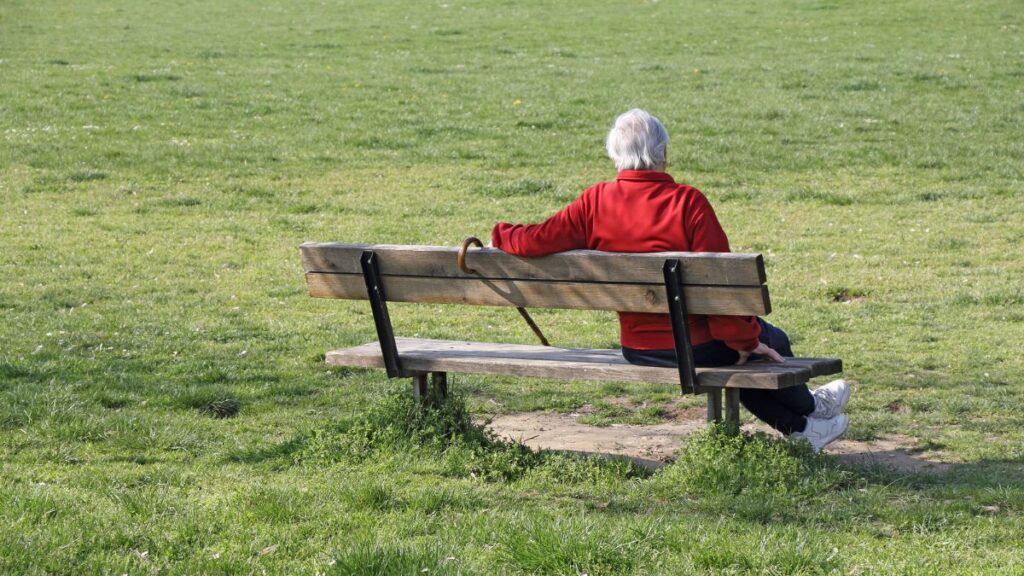
A change of setting can break a repetitive day before you even add another activity. A park bench, community garden, walking trail, botanical garden, waterfront, or shady neighborhood route may be enough.
Research examining green-space exposure in older adults has reported associations with life satisfaction, mental health, and other measures of healthy aging.
Much of this research is observational, which means green space should not be presented as a treatment, but the overall evidence supports spending more time in natural environments when they are accessible.
You can also combine outdoor time with another boredom solution. Walk with a friend, photograph birds, garden, sketch, listen to music, or take a grandchild to a park.
10. Use Music Deliberately

Music can change the feel of an otherwise ordinary afternoon. Instead of leaving television running in the background, create a playlist for cooking, walking, reading, cleaning, or simply sitting with a cup of coffee.
A 2026 systematic review examined 13 studies of music listening involving older adults. The review found music listening was consistently associated with improved mood and emotional regulation, although the authors also called for stronger research to establish the effects more firmly.
Group music may add another layer because it introduces social contact. A choir, community music group, dance class, or regular listening session with friends can turn music from passive entertainment into a reason to get together.
11. Cook or Bake With a Reason

Cooking for yourself every day can eventually feel like another chore. Cooking for a neighbor, family dinner, church event, freezer exchange, or monthly recipe night gives the same activity a finish line and an audience.
U.S. Health and Retirement Study research found that some leisure activities, including hobbies, clubs, and baking or cooking, were associated with lower odds of depression among older adults. The researchers were careful to describe these as associations rather than proof that the activities themselves prevent depression.
Try making one dish you have never cooked rather than preparing an elaborate meal. The combination of planning, learning, using your hands, and sharing the result can make an ordinary afternoon feel very different.
12. Spend Time With a Different Generation
Retirement can gradually shrink your social world to people at the same life stage. Spending time with younger adults or children can introduce different conversations, skills, music, technology, concerns, and viewpoints.
Intergenerational research is promising but not perfectly settled. Systematic reviews have reported possible social, mental-health, cognitive, and well-being benefits, while also finding that many studies are small or methodologically limited.
That makes this a good option to try, not a miracle prescription. Tutor a student, volunteer at a school, help younger relatives with a practical skill, or ask someone younger to teach you something in return.
13. Teach Something You Already Know
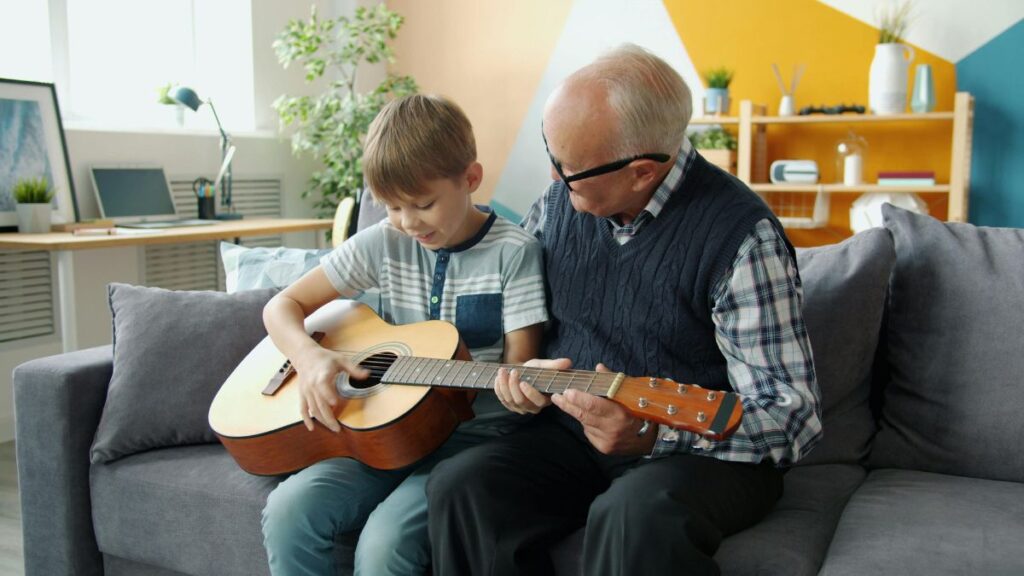
After leaving a career, decades of knowledge can suddenly have nowhere obvious to go. Teaching turns experience into usefulness without requiring you to return to your former job.
A retired accountant might help a nonprofit organize records, a mechanic could show a younger neighbor basic maintenance, a gardener could help a community garden, and a former manager could mentor someone starting a business. The topic matters less than having a real person who benefits from what you know.
Research on purposeful activity in older adults suggests that functional roles, including volunteer and mentor roles, may support well-being. The evidence is not equally strong across every type of activity, but roles that involve genuine contribution appear especially promising.
14. Choose One 30-Day Project

When you are bored, it is tempting to start five things. A better experiment may be choosing one project with a clear finish line.
Scan 100 family photographs, grow three herbs, learn ten songs on an instrument, photograph every local park, build a small piece of furniture, read four books on one subject, or complete a beginner language course. The goal should be challenging enough that you cannot finish it this afternoon.
Research on learning in later life suggests that sustained engagement and increasing difficulty matter. In the Synapse Project, participants spent months acquiring new skills rather than simply sampling an activity once or twice.
Money does not have to decide whether retirement is interesting. Many of the strongest options require little more than time, consistency, and a willingness to try something unfamiliar.
| If You Have… | Low-Cost Choice | More Structured Choice |
|---|---|---|
| Low energy | Music, photography, family history | Online class or book group |
| Moderate energy | Walking, gardening, volunteering | Recreation-center class |
| Limited mobility | Calling group, mentoring, creative work | Virtual class or remote volunteering |
| Very small budget | Library group, park walks, free tutorials | Low-cost community class |
| More room in the budget | Art supplies or hobby equipment | Lessons, club membership, short trips |
| A strong social need | Weekly coffee or walking partner | Volunteer team, choir, or group class |
Start with the easiest experiment that gives you something currently missing. A free weekly walking group may do more for your week than an expensive hobby you feel pressured to enjoy.
Protect Your Sleep Instead of Letting Boredom Move Into the Night
Retirement can make bedtime drift because there is no alarm clock forcing you to get up for work. That can create a cycle of sleeping late, napping, staying up later, and feeling that the next day has no clear beginning.
NIA says older adults generally need about seven to nine hours of sleep each night, similar to other adults. It recommends a regular sleep schedule and cautions against late-afternoon or evening naps when they interfere with nighttime sleep.
You do not need military discipline around bedtime. A reasonably consistent waking time can simply make it easier to create a morning routine and separate daytime activity from nighttime rest.
