Retirement can give couples more time together than they have had in decades, yet extra hours do not automatically turn into satisfying days.
Without work schedules, commutes, and family routines, even loving partners can discover that they have very different ideas about what “fun” should look like.
Shared retirement hobbies can help by adding structure, fresh conversation, and reasons to leave the house or learn something new. The key is not filling every hour together. It is finding a few activities both people enjoy, while leaving room for separate interests too.
The Best Shared Hobby Is One You Both Actually Like
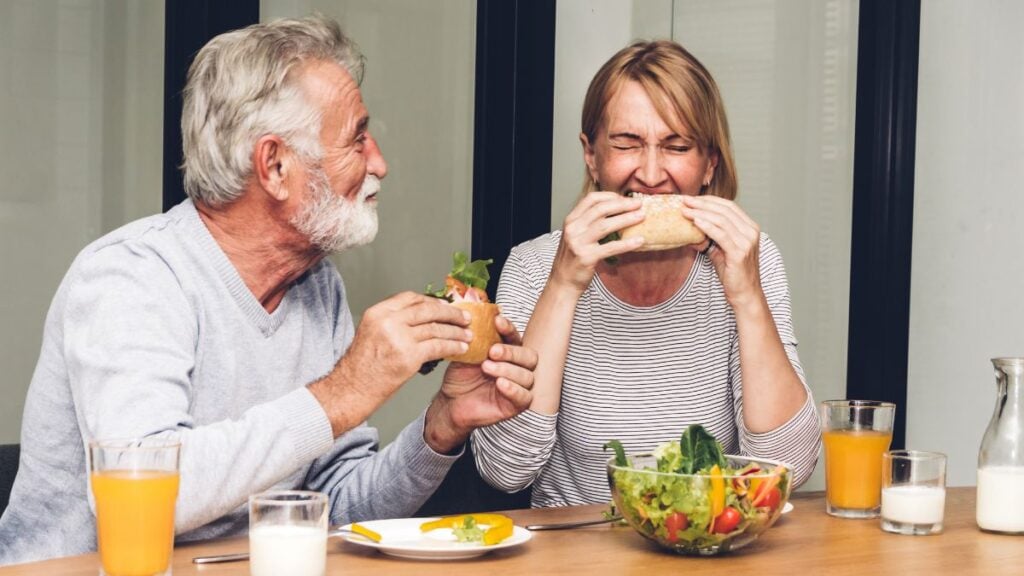
There is an important distinction couples sometimes miss. Spending more leisure time together is not automatically the same thing as enjoying that leisure time.
Research on couple leisure suggests preferences matter. Earlier long-term research found that activities favored by one spouse but disliked by the other could be associated with lower relationship satisfaction, while newer studies also show that the connection between shared leisure and relationship quality is more complicated than simply saying “more is better.”
That means retirement does not require matching hobbies from breakfast until bedtime. A healthier goal is often one or two activities you look forward to together, alongside interests each person can pursue independently.
Before choosing from the 16 ideas below, use this quick starting point. It can keep you from picking something simply because it looks like what retired couples are “supposed” to do.
| If You Both Want… | Good Starting Options | Typical Commitment |
|---|---|---|
| More movement | Walking, dancing, bocce | Low to moderate |
| Quiet time together | Birdwatching, gardening, stargazing | Low |
| More people in your week | Volunteering, clubs, social sports | Moderate |
| Something creative | Cooking, music, pottery | Low to moderate |
| More novelty | Day trips, language learning | Flexible |
There is no correct category to choose. The best starting point is usually the one that sounds enjoyable enough that neither person needs to be persuaded.
1. Walk and Explore Local Trails
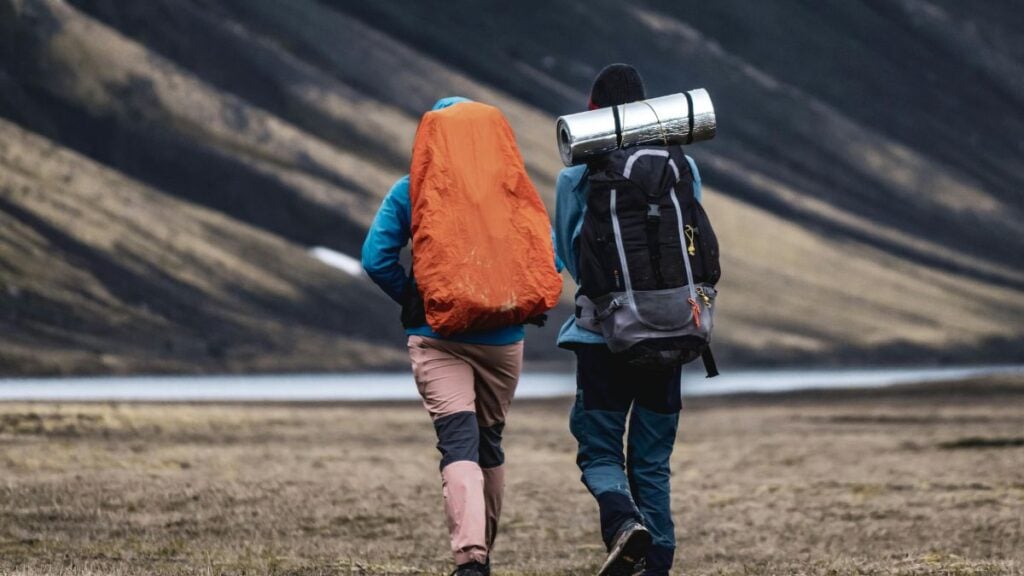
Walking may sound too ordinary to qualify as a hobby, but adding a purpose changes it. Choose a different park, historic district, botanical garden, waterfront, or neighborhood each week instead of following the same route around the block.
You can take photos, identify plants, stop for coffee, or keep a simple list of places you have explored. This gives the walk a small sense of discovery without requiring expensive gear.
Physical activity has well-established benefits for adults 65 and older, including benefits related to sleep, heart health, bone health, balance, and independent living. The right pace and terrain will differ from person to person, so choose routes that suit the less mobile partner rather than treating every outing like a fitness test.
2. Grow a Garden Together
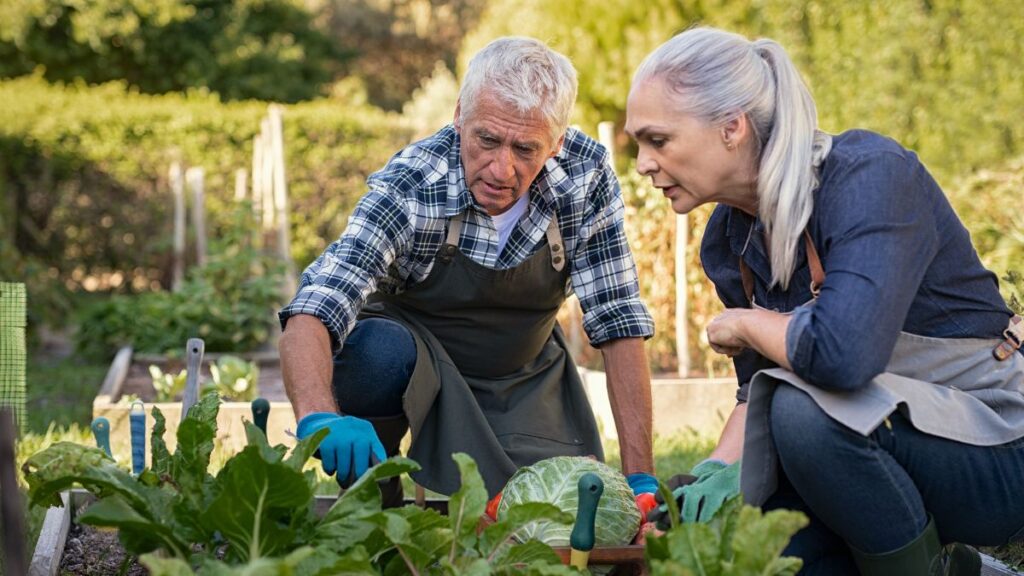
A garden gives couples something that develops over weeks instead of ending after one afternoon. One person can choose plants while the other handles watering, containers, records, harvesting, or meal ideas.
You also do not need a large yard. Herbs on a sunny windowsill, tomatoes in patio containers, flowers on a balcony, or a small raised bed can create the same shared routine on a much smaller scale.
The National Institute on Aging includes gardening and community gardening among activities older adults may consider as part of an active, meaningful lifestyle. The goal is enjoyment rather than turning the yard into another full-time job.
3. Cook Your Way Through New Cuisines
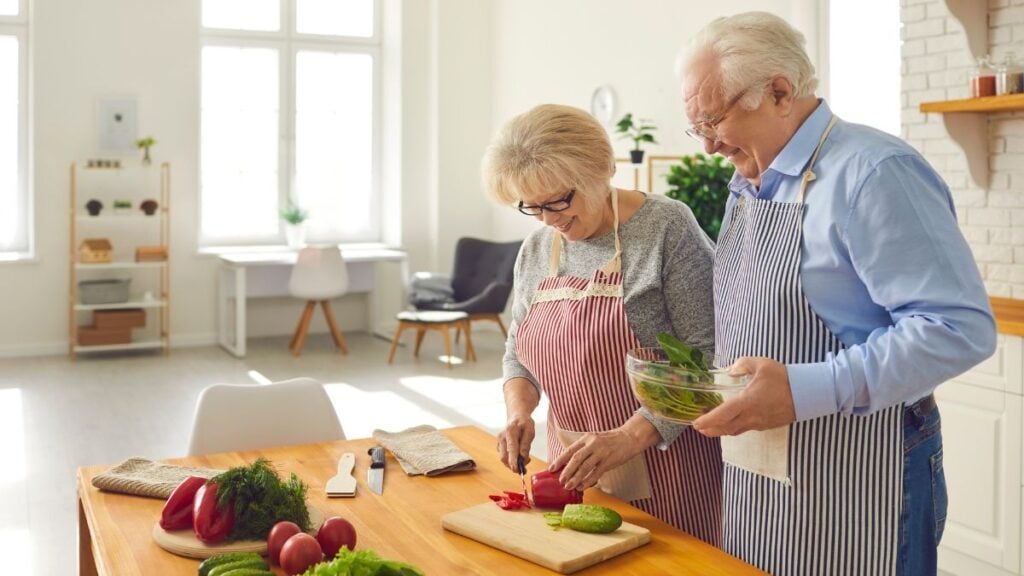
Cooking becomes more interesting when it has a theme. Pick one region each month, borrow a cookbook from the library, and make two or three dishes you have never prepared before.
Couples can divide the work according to preference rather than splitting every task evenly. One spouse might enjoy researching recipes and shopping, while the other prefers chopping, cooking, baking, or setting the table.
Keep the experiments simple at first. A hobby stops feeling relaxing when every recipe requires specialty appliances and a cart full of ingredients you will never use again.
4. Learn to Dance
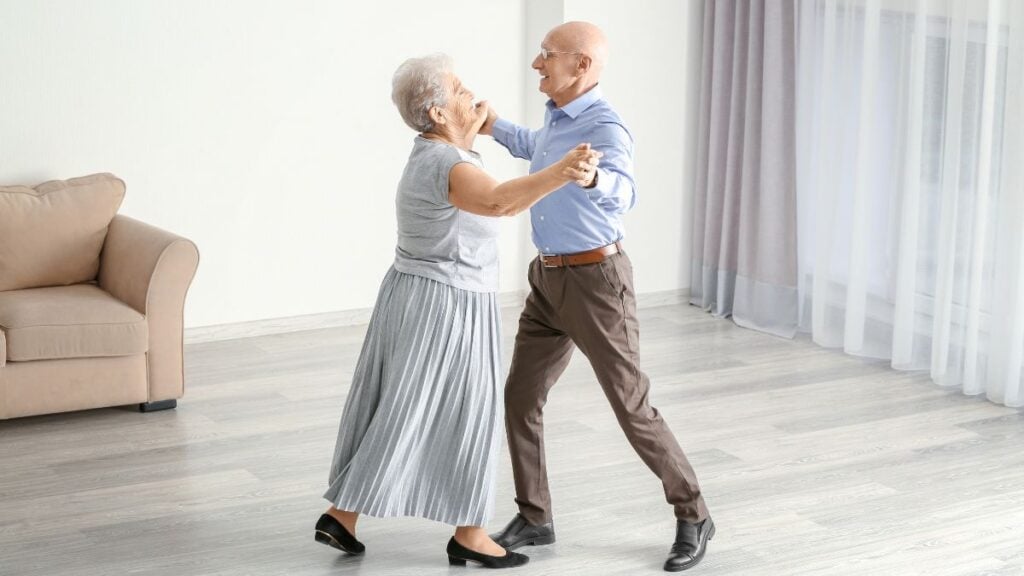
Dancing combines music, movement, learning, and a shared challenge. Ballroom, swing, line dancing, salsa, or beginner social dance classes can all work depending on your interests and physical comfort.
You do not need to become skilled enough for a competition. The value can come from learning a few steps, laughing at mistakes, and having a regular reason to go somewhere together.
NIA specifically includes dance among activities older adults may consider, while CDC notes that regular physical activity offers substantial benefits later in life. Choose a style and class level that works for both partners rather than trying to keep up with a group that is too demanding.
Before buying supplies or memberships for any new hobby, compare the commitment first. Many enjoyable activities can be tested cheaply before they become permanent expenses.
| Hobby | Low Cost Test | Possible Bigger Commitment |
|---|---|---|
| Gardening | A few containers or herbs | Raised beds and tools |
| Cooking | Library cookbook and one recipe | Classes or specialty equipment |
| Dancing | Community beginner class | Regular lessons |
| Walking | Local parks | Travel or hiking equipment |
Testing the smallest version first is especially useful in retirement because enthusiasm can be expensive. Give yourselves permission to quit an activity that looked better in theory than it feels on Tuesday morning.
5. Volunteer as a Team
A hobby does not have to produce something you keep. Sometimes the most satisfying shared activity is helping with something outside your own household.
Couples might assist at a food pantry, animal shelter, museum, school, community garden, library, park program, or neighborhood organization. NIA lists volunteering and community participation among meaningful activities that can help older adults remain engaged and connected.
Try a short project before promising weekly service indefinitely. You may discover that one partner loves public-facing work while the other prefers organizing supplies or working behind the scenes.
6. Take Up Birdwatching
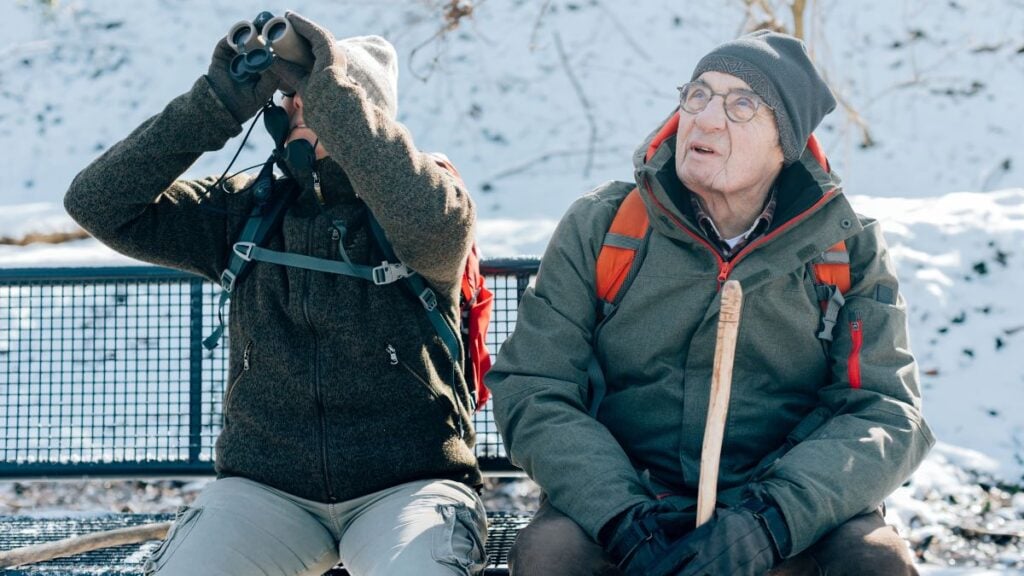
Birdwatching works particularly well for couples who like being outdoors but do not want every hobby to involve strenuous exercise. You can start from your backyard, balcony, neighborhood park, or nearby nature preserve.
A basic field guide or bird identification app is enough for beginners. You can gradually keep a shared sightings list, plan seasonal outings, or turn occasional birding into a reason to visit new parks.
The activity can also work when partners move at different speeds. One person can walk farther while the other settles at a comfortable observation point, yet both are still participating in the same hobby.
7. Become Local Explorers

Travel is frequently recommended to retirees, but shared exploration does not need to involve airports, cruises, or expensive hotels. Start with places within an hour or two of home that you have repeatedly driven past but never actually visited.
Look for small museums, historic districts, farmers markets, gardens, scenic drives, college towns, festivals, public art, local restaurants, and state or county parks. Retirement finally gives many couples the advantage of visiting popular places on weekdays when crowds may be lighter.
Create a jar of possible destinations and pull out one idea twice a month. That adds spontaneity without turning every outing into a major planning exercise.
8. Try a Social Sport
Pickleball receives plenty of attention, but it is not the only option. Depending on ability and interest, couples might try bocce, bowling, golf, table tennis, doubles tennis, shuffleboard, or another recreational league.
The social part may become as important as the game itself. Regular activities give you repeated contact with the same people, which can be especially useful after leaving a workplace that once supplied much of your casual social interaction.
Do not choose a sport because it is fashionable among retirees. The better choice is one you can comfortably repeat without dreading the next session or aggravating physical limitations.
At this point, it helps to ask what your retirement week is actually missing. Different hobbies solve very different problems, so the right question may be less “What sounds fun?” and more “What would make our week feel better?”
| If Retirement Needs More… | Try… | Why It May Fit |
|---|---|---|
| Movement | Walking, dancing, social sports | Creates an active routine |
| Purpose | Volunteering, gardening | Gives you something to contribute or tend |
| Social contact | Clubs, volunteering, games | Adds regular interaction |
| Mental challenge | Language, music, chess | Gives you a skill to practice |
| Novelty | Day trips, cooking, stargazing | Creates new experiences |
A couple can choose hobbies from several rows rather than expecting one activity to provide everything. That mix also reduces the chance that retirement starts revolving around a single routine.
9. Join or Create a Book or Film Club

Reading is usually solitary, but discussing books turns it into a shared social hobby. Couples can read the same book and talk about it over dinner, or join a library or neighborhood group together.
A film version works just as well if one spouse is not an enthusiastic reader. Choose a director, decade, genre, actor, or country and watch one film each week, then compare reactions instead of immediately switching on another show.
NIA specifically suggests book and film clubs as ways older adults can learn and stay engaged. The discussion matters as much as finishing every page.
10. Learn a Language Together
Language learning gives couples a long-term project with small daily wins. Ten or fifteen minutes of practice can fit into a morning routine without taking over the day.
Choose a language connected to upcoming travel, family history, friends, or simple curiosity. Practice restaurant phrases at dinner, label household items, watch beginner videos, or attend an inexpensive community class.
NIA also recommends learning opportunities such as language classes when considering new activities in later life. You do not need fluency for the hobby to be worthwhile.
11. Make Music
If one of you played an instrument years ago, retirement can be a good time to bring it back out. If neither of you has musical experience, beginner keyboard, guitar, ukulele, singing, or percussion can make an easier entry point than you may expect.
You might practice separately and play together once a week, or join a community choir or beginner ensemble. This gives each person independent practice time while still creating a shared project.
NIA includes learning or relearning an instrument and participating in community music among activities older adults can explore. The objective does not need to be performance; making music at home can be enough.
12. Try Painting, Pottery, or Another Creative Hobby
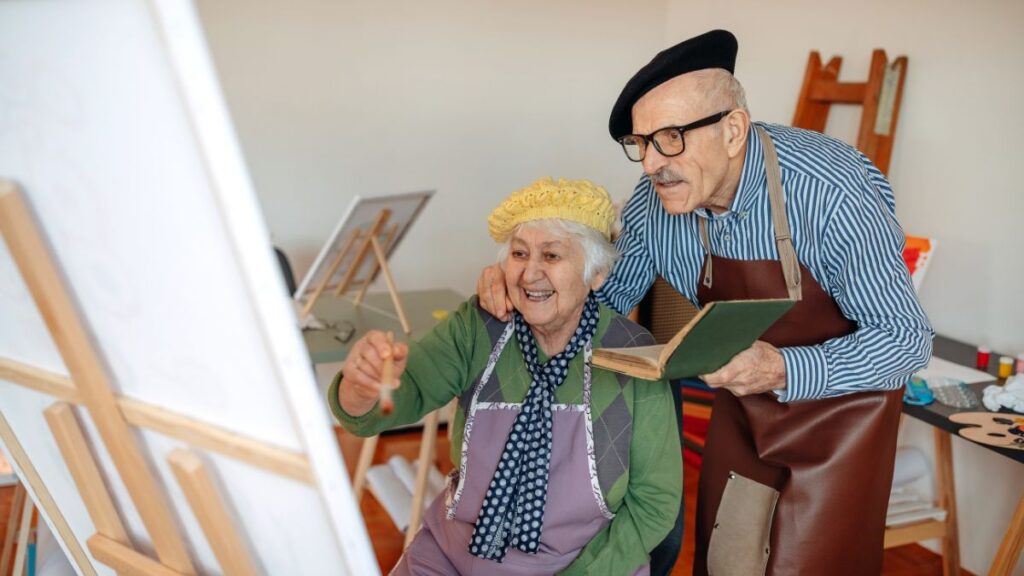
Creative hobbies are useful for couples who want something absorbing without making every free day physically demanding. Watercolor, drawing, pottery, quilting, woodworking, photography, and simple craft classes all give you something tangible to work on.
Taking the same class does not mean creating the same thing. In fact, it can be more enjoyable when each partner develops a different style and has something new to show the other.
Start somewhere that supplies equipment before buying your own. Community centers, libraries, adult education programs, and local studios can let you find out whether you enjoy the process before your spare room fills with supplies.
13. Research Your Family History
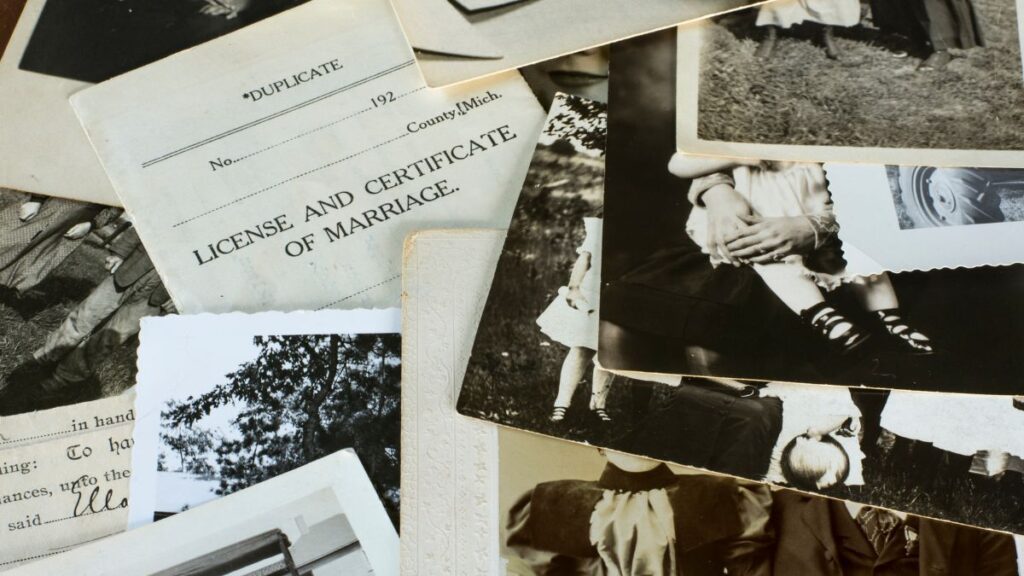
Genealogy can turn names and dates into a long-running retirement project. Couples can interview older relatives, organize family photos, identify people in old albums, research public records, or build a digital family archive.
You do not need to combine both families into one giant project. Each person can research a separate branch and then share discoveries, giving the hobby a mixture of independent work and time together.
A practical goal keeps the project from growing endlessly. For example, create a short family history booklet for children or grandchildren rather than trying to trace every ancestor who ever lived.
14. Rediscover Cards, Chess, and Board Games
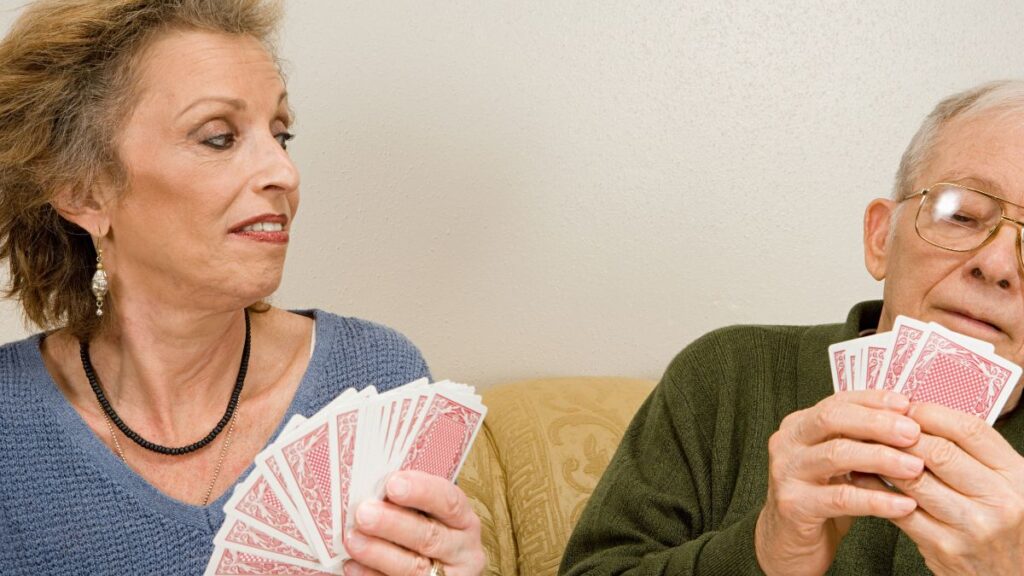
Games are easy to underestimate because they may already feel familiar. Yet a weekly chess match, bridge group, cooperative board game, jigsaw puzzle, or card night can give ordinary evenings a simple structure.
NIA includes cards and other games among ways older adults can connect with other people. Inviting another couple occasionally can turn a quiet home hobby into a broader social routine.
Choose games that leave both players wanting another round. If one person has decades of experience and wins constantly, learning something new together may be much more enjoyable than repeating an old mismatch.
15. Try Stargazing
Stargazing requires very little to begin. A clear night, a comfortable chair, and a basic astronomy app can be enough to identify the moon, bright planets, and major constellations.
If interest grows, visit a local astronomy club, observatory, planetarium, or public viewing event before buying expensive equipment. This is another hobby where curiosity should come before shopping.
It can also give evening hours a different rhythm. Instead of automatically ending every night in front of the television, you occasionally have a reason to step outside and look up.
16. Restore, Build, or Create Something for Your Home
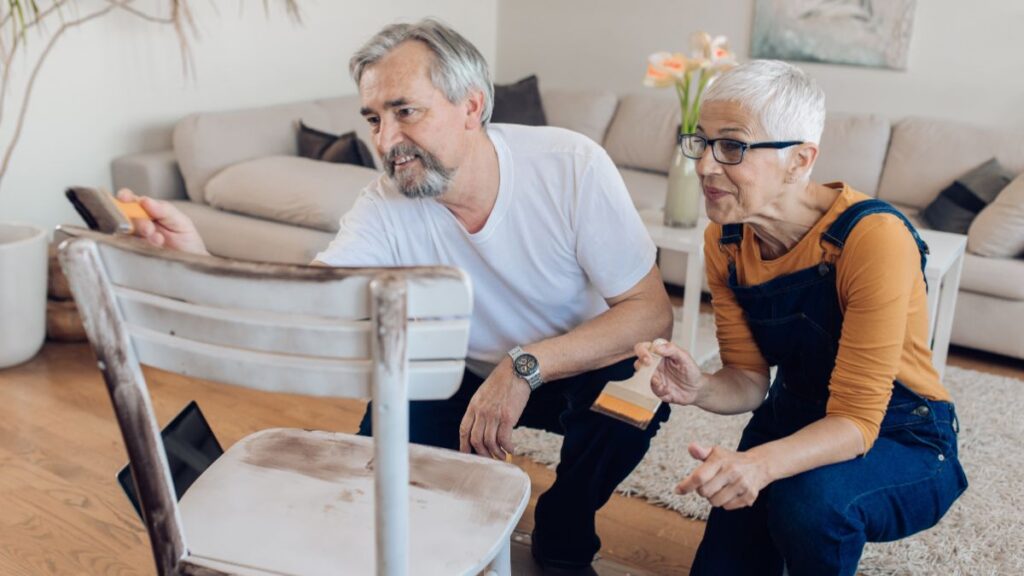
A hands-on project can be satisfying when both partners enjoy seeing steady progress. You might restore a piece of furniture, build birdhouses, refinish picture frames, create shelving, sew cushions, organize old photographs, or turn a neglected corner into a reading area.
Choose projects that fit your skills and physical abilities. Anything involving power tools, ladders, heavy lifting, electrical work, or structural changes should stay within what you can safely handle.
The best part of this hobby is that the finished object is not the whole point. Planning, solving small problems, dividing jobs, and seeing something improve over several weekends can create the shared experience.
How to Choose a Hobby Without Turning It Into Another Obligation
Retirement hobbies should add something to life, not recreate a work calendar. If you constantly need to push your partner to attend, practice, spend money, or “take it seriously,” that hobby may simply be a poor fit.
Research on shared leisure also gives couples a reason to respect individual preferences. More togetherness is not automatically better if one person repeatedly participates in activities he or she dislikes, and retirement experts have also emphasized maintaining both shared and separate space and interests.
One simple approach is to test a new hobby for a month. Do not buy the premium equipment first, and do not demand that the activity become part of your permanent identity.
| Week | What to Do | Question to Ask |
|---|---|---|
| Week 1 | Try the simplest version | Did we both enjoy it? |
| Week 2 | Repeat it once | Did we look forward to doing it again? |
| Week 3 | Try a class, club, or new variation | Do we like the activity or just the novelty? |
| Week 4 | Review cost, effort, and enjoyment | Does this deserve a place in our routine? |
If the answer is no, you have not failed. You have learned something useful about the kind of retirement you actually want rather than the retirement someone else thinks you should want.
The same principle applies if only one spouse falls in love with the hobby. Keep it as an individual interest and try something else together instead of making participation a test of devotion.