Age 65 is supposed to feel like an arrival. Work may finally slow down, Medicare begins for many people, and decades of deadlines can give way to more control over the day.
Yet some adults discover that life between 65 and 75 feels more complicated, not less.
Several changes can arrive almost together: retirement, altered relationships, physical hesitation, loss, financial decisions, and a quieter question about what comes next. Understanding that collision matters because these years do not have to become a decade of retreat.
Why 65 to 75 Can Feel Heavier Than People Expected

There is no scientific rule declaring ages 65–75 the hardest decade of life. Some people feel healthier, freer, and happier during these years than they did at 55, while others face multiple changes in a short period.
What makes the decade unusual is concentration. Medicare generally enters the picture at 65, Social Security claiming decisions remain active through 70, many people leave long-held careers, and health or mobility changes can become harder to ignore.
In 2026, the standard Medicare Part B premium is $202.90 per month, with a $283 annual deductible. Medicare’s Initial Enrollment Period generally lasts seven months around age 65, although people with qualifying employer coverage may face different timing considerations.
Social Security adds another decision window. Someone born in 1960 or later has a full retirement age of 67, and SSA says claiming at 62 can reduce a worker’s retirement benefit by as much as 30% compared with waiting until full retirement age.
Delayed retirement credits can raise the amount after full retirement age, but the increase stops at 70.
That creates a decade filled with decisions that once belonged to separate parts of life.
| Age or Stage | What May Be Changing | Why It Can Feel Heavy |
|---|---|---|
| Around 65 | Medicare, work decisions, retirement timing | Several financial and lifestyle systems change together |
| 66–67 | Full retirement age for many current retirees | Social Security and work decisions may intersect |
| Around 70 | Delayed Social Security credits stop | One major claiming window closes |
| Throughout 65–75 | Relationships, mobility, loss, routine | Changes accumulate gradually rather than all at once |
The transition is not identical for everyone. In fact, 19.1% of Americans age 65 and older were still in the labor force in 2025, according to the Bureau of Labor Statistics, so “turning 65” and “retiring” are clearly not the same event.
That distinction matters because many of the hardest changes are not caused by birthdays. They come from losing structures that used to organize daily life.
1. Your Days Can Become Too Similar Without You Noticing

Routine can feel wonderful after decades of alarms, commuting, meetings, caregiving, and deadlines. The problem begins when comfort slowly turns into a world that gets smaller.
The same breakfast, same chair, same television programs, same grocery store, and same route can make weeks disappear quickly. Nothing is necessarily wrong with any individual day, yet there are fewer events that separate Tuesday from Friday in memory.
That does not mean older adults need constant excitement. It means the brain still benefits from learning, social engagement, and experiences that demand attention.
The National Institute on Aging notes that older adults can continue learning new skills and forming memories. It also says activities such as learning photography, joining a book club, dancing, or forming new social connections may support cognitive health, although no single activity can guarantee protection against cognitive decline.
The practical answer is not skydiving at 73. It might be taking a different walking route, cooking something unfamiliar, visiting a new library, learning to use a camera, joining a class, or changing where you drink your morning coffee.
A useful rule is to create one small point of novelty each week. The goal is not entertainment for its own sake but keeping curiosity present in ordinary life.
2. Your Social World Can Shrink Quietly
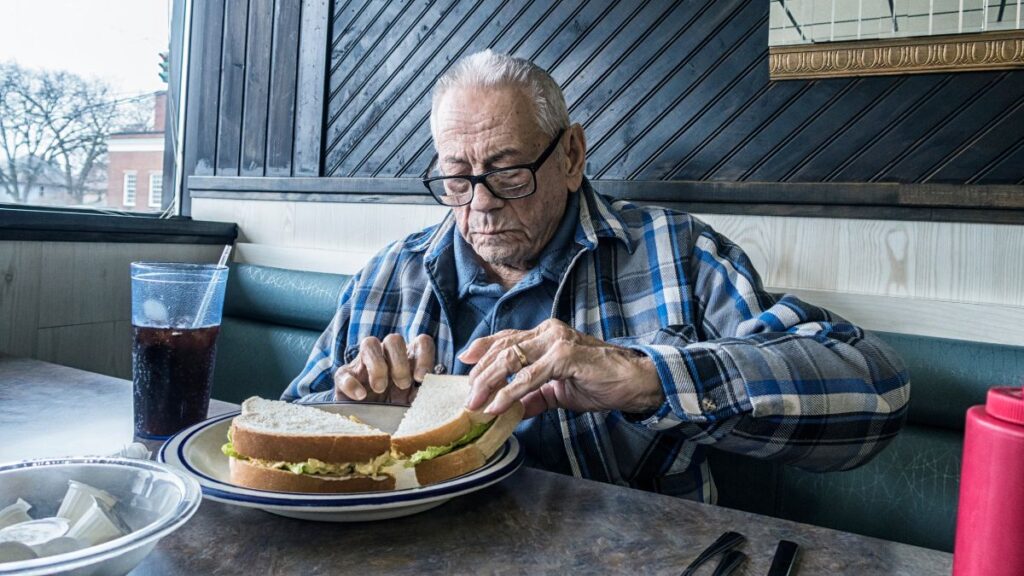
Retirement can remove dozens of tiny interactions that people rarely count as friendships. The receptionist, coworker, customer, lunch companion, security guard, and person at the next desk may all disappear from daily life within weeks.
That loss can be surprisingly large even for someone who never considered work the center of their social life. A person can go from talking with 20 people a day to speaking with two without deliberately choosing isolation.
The National Institute on Aging distinguishes loneliness from social isolation. Someone can live alone without feeling lonely, while another person can have family nearby and still feel deeply disconnected.
NIA also reports that loneliness and social isolation are associated with higher risks of several health problems, including depression, cognitive decline, and heart disease. Retirement, loss of mobility, death of loved ones, and transportation problems can all increase vulnerability.
This is one area where waiting for motivation can work against you. A social life often needs more deliberate maintenance after workplace contact disappears.
The warning signs are usually ordinary rather than dramatic, which makes them easy to overlook.
| What You Notice | What It May Mean | Small Response |
|---|---|---|
| Several days pass without conversation | Regular contact is thinning | Call, visit, attend a familiar place |
| Invitations increasingly feel like work | Staying home is becoming the default | Accept one manageable invitation |
| Most relationships depend on others calling first | Your network may be becoming passive | Initiate one contact each week |
| You enjoy solitude but sometimes feel trapped by it | Solitude and loneliness are starting to overlap | Add one recurring social activity |
A person does not need 30 friends or a packed calendar. Regular contact with a neighbor, sibling, walking group, faith community, volunteer team, barber, club, or coffee-shop regular can still give a week social shape.
The goal is not popularity. It is making sure isolation does not become the automatic setting.
3. Accepting Help Can Feel Harder Than Needing It
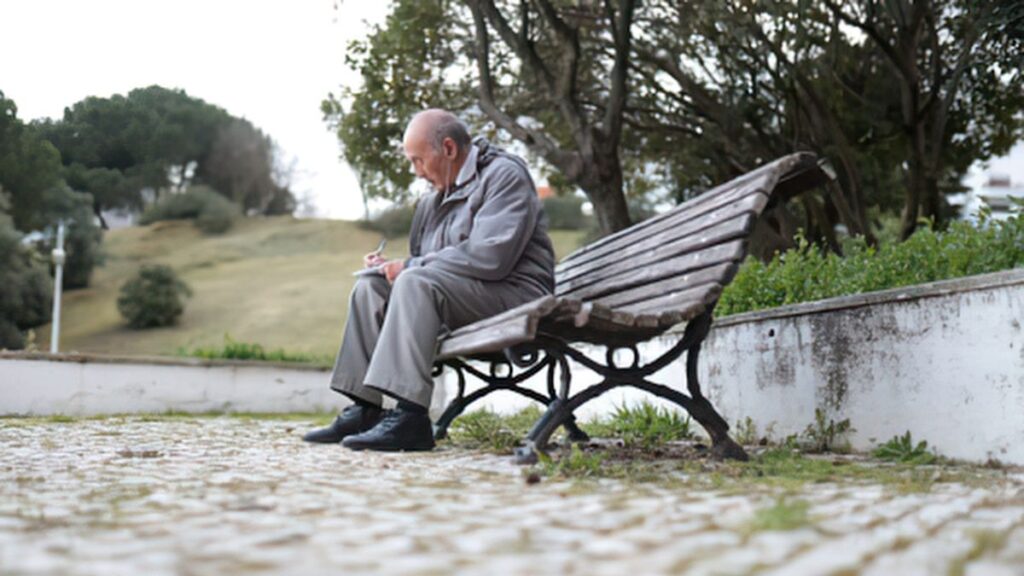
One of the strangest parts of getting older is discovering that independence sometimes requires assistance. That sounds contradictory until you consider what happens when people refuse every small adaptation until a crisis forces a large one.
A grab bar may preserve independent bathing. Grocery delivery during an illness may conserve energy, and accepting a ride may allow someone to keep an appointment without taking an unnecessary driving risk.
Yet asking for help can feel like admitting defeat. Someone who spent 40 years solving problems for a family may struggle when the direction of care begins to reverse.
The supplied context captures this conflict well: the fear is often not the task itself but what accepting assistance appears to say about independence and dignity.
A better question is not, “Can I still do this alone?” Ask, “What arrangement lets me keep doing the most important things safely?”
Those are very different tests. The first measures pride against yesterday’s abilities, while the second protects tomorrow’s choices.
Help also does not have to mean handing control to someone else. Older adults can decide who helps, how often, with what task, and under what conditions.
That distinction matters. Assistance chosen early can expand autonomy, while assistance imposed after an emergency often provides far fewer choices.
4. The Body Starts Asking Questions Before You Move

Physical aging is highly individual. Still, many adults begin noticing a new pause before stairs, ladders, heavy bags, long walks, icy sidewalks, or getting up from the floor.
That pause is not necessarily weakness. Sometimes it is sensible risk awareness, especially after an injury or health change.
The danger comes when caution begins removing movement from daily life without anything replacing it. The CDC recommends that adults 65 and older, when able, get at least 150 minutes of moderate aerobic activity each week, muscle-strengthening activity on at least two days, and balance-focused activity.
People who cannot meet those levels should be as active as their abilities and conditions allow.
Falls deserve particular attention. CDC data updated in September 2026 say more than one in four adults age 65 and older falls each year, and a previous fall increases the chance of another.
That makes preserving movement different from pretending nothing has changed. Smart adaptation can include choosing safer shoes, using a railing, improving lighting, discussing medication side effects with a clinician, building leg strength, or using an appropriate mobility aid.
A simple independence check can reveal where small changes may help before a crisis occurs.
| Area | Reassuring Sign | Reason to Review It |
|---|---|---|
| Walking | You still walk regularly within your ability | Fear is causing you to stop going out |
| Strength | Daily tasks remain manageable | Chairs, stairs, bags, or doors are becoming difficult |
| Balance | You feel steady in normal settings | Near-falls or falls are appearing |
| Home setup | Common tasks feel safe | Rugs, lighting, stairs, or bathrooms create hazards |
The objective is not to perform like a 40-year-old. It is to preserve enough strength, balance, and confidence to continue participating in your own life.
This is also where accepting help and maintaining mobility meet. A cane, handrail, physical-therapy plan, or changed routine can sometimes increase the amount of life available rather than reduce it.
5. Grief Starts Accumulating in Ordinary Places

By the late 60s and early 70s, loss may no longer arrive as a single isolated event. For some people it appears in layers: a spouse, sibling, longtime friend, former coworker, pet, neighborhood, family home, or even a familiar business that disappears.
Some losses involve death, while others involve roles and places. A house gets sold, friends move closer to their children, adult children create lives of their own, and traditions that once organized the year become harder to maintain.
This can make grief feel strangely woven into ordinary life. A song, recipe, street, photograph, or empty chair may briefly reopen something that appeared settled.
That does not mean sadness itself is evidence that a person is aging badly. Nor is depression an inevitable or normal part of aging, a distinction the National Institute on Aging specifically emphasizes. Persistent depression or severe withdrawal deserves attention rather than being dismissed as “just getting old.”
The harder problem is when grief begins shrinking everything around it. Someone declines invitations, abandons hobbies, stops calling friends, and gradually builds a life organized primarily around what has disappeared.
Remembering and continuing to live are not opposites. A person can miss someone deeply while still making plans for Saturday.
That may be one of the quiet skills this decade demands: carrying what was lost without requiring the rest of life to disappear with it.
6. Retirement Can Remove the Answer to “Who Am I?”

For decades, identity often arrives prepackaged. Someone is a nurse, mechanic, manager, teacher, business owner, mother raising children, father supporting a household, caregiver, organizer, or problem-solver.
Then several of those roles can weaken at almost the same time. Work ends, children need less day-to-day help, and the calendar stops providing automatic instructions.
The result can be freedom, but freedom without structure can feel surprisingly empty.
Research does not show that retirement automatically destroys purpose. In fact, a U.S. study using Health and Retirement Study data found that retirement was associated with increased purpose for some people, particularly lower-socioeconomic-status adults leaving dissatisfying jobs.
That is an important correction to simplistic retirement advice. Leaving work can remove purpose for one person while giving another the time and energy to finally build a more meaningful life.
Other research also suggests that activity engagement, social participation, relationships, personal goals, and feeling that one matters to others are closely tied to purpose in later life.
The question therefore becomes less “How do I stay busy?” and more “What is worth getting up for?”
Those answers do not have to look impressive. Caring for a garden, helping a grandchild with homework, volunteering twice a month, learning local history, repairing old furniture, joining a choir, walking a neighbor’s dog, or making Sunday dinner for family can all provide direction.
Purpose does not require another career. It requires something that makes tomorrow feel connected to today.
Why This Decade Is Not Simply About Decline
The headline sounds severe because 65–75 can contain a remarkable number of transitions. Yet calling the decade universally miserable would be as misleading as calling retirement a permanent vacation.
Many adults finally escape difficult jobs during these years. Some rediscover friendships, travel more, begin exercising, spend time with grandchildren, start businesses, volunteer, study, date again, or build daily lives that fit them better than their working years ever did.
Even purpose research shows this complexity. Retirement can reduce structure and work-based identity, but it can also create enough control over time for people to build meaning elsewhere.
The same applies physically. Aging changes bodies, yet NIA cautions against treating major decline, dementia, loneliness, or depression as inevitable consequences of getting older. Older adults remain capable of learning, adapting, strengthening routines, and building new relationships.
Perhaps that is the defining challenge of 65–75. Old systems stop carrying as much of the load, so more parts of life must become intentional.
The Skill That Matters Most Is Adaptation

Earlier in life, structure often arrives from outside. Employers set schedules, schools organize family routines, mortgages encourage work, and children create responsibilities that cannot easily be postponed.
Retirement loosens many of those forces. That sounds completely positive until someone realizes that freedom also means becoming the architect of the day.
People who handled 50-hour workweeks can suddenly struggle with a blank Tuesday. The problem is not laziness but the loss of cues that once determined when to wake, dress, leave home, talk to people, solve problems, and return.
A useful retirement routine should therefore contain more than appointments. It needs recurring anchors for movement, connection, learning, responsibility, and rest.
The final table turns those ideas into a short reset rather than another abstract list of things retirees “should” do.
| Week | Focus | Practical Step | What You Are Protecting |
|---|---|---|---|
| 1 | Routine | Add one new place, activity, or skill | Curiosity |
| 2 | Connection | Schedule two recurring human contacts | Social health |
| 3 | Independence | Review one mobility or home-safety issue | Autonomy |
| 4 | Purpose | Commit to one responsibility that matters to you | Direction |
None of these steps requires reinventing an entire life. The point is to notice which part of life has quietly contracted and restore some room around it.
One person may need more people. Another may need more movement, while someone else may already have both but needs a reason to care about Monday morning again.