
You can feel perfectly capable at 70 and still notice small things becoming harder over the next few years. Maybe you recover more slowly, skip outings you once enjoyed, turn the television louder, or use your arms more often to get out of a chair.
The danger is assuming every change is simply the price of getting older. Many changes after 70 can be treated, improved, or managed, and noticing them early may help protect the routines and independence that matter most.
Age 70 is not a switch that suddenly changes your body. People age at very different rates, and many remain active and independent well into their 80s and 90s.
Still, subtle changes deserve attention. CDC data updated in September 2026 show that more than one in four Americans age 65 and older reports falling each year, yet fewer than half tell their doctor.
1. Your Social World Can Shrink Before You Feel Lonely
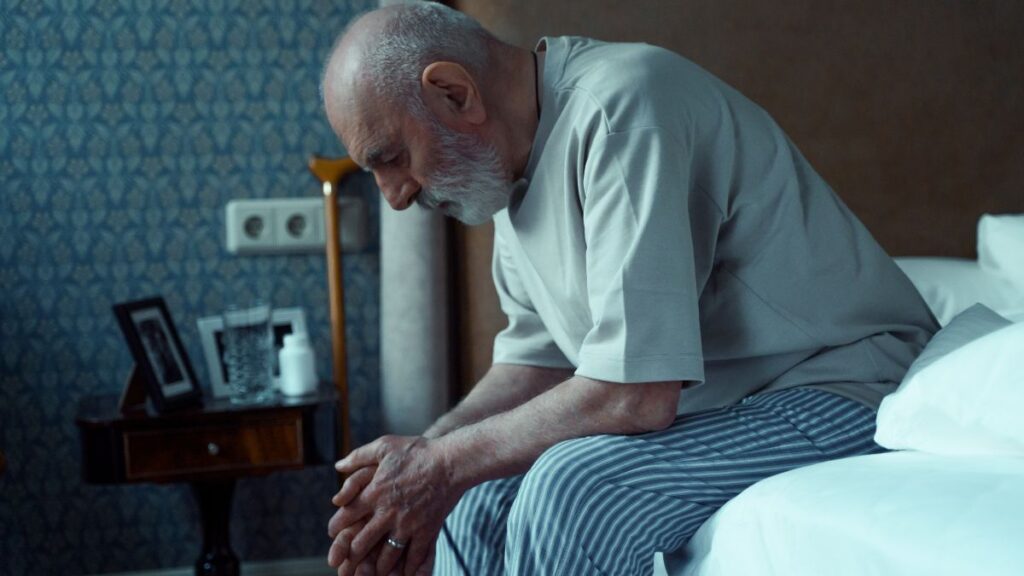
Loneliness does not always begin with feeling obviously lonely. It can start when driving at night becomes uncomfortable, a close friend moves, a spouse dies, hearing problems make restaurants frustrating, or you simply stop initiating plans.
Living alone is not the same as being lonely, either. Some people enjoy solitude, while others can live with family and still feel disconnected.
What matters is whether you still have the level of meaningful connection you want. NIA reports that loneliness and social isolation are associated with depression, heart disease, and cognitive decline.
A large NIA-funded analysis involving more than 600,000 participants across 21 longitudinal cohorts found loneliness was associated with a 31% higher risk of dementia.
That is an association rather than proof that loneliness directly causes dementia, but it shows why social connection deserves to be treated as part of healthy aging.
Regular plans can help because they remove the need to reinvent your social life every week. A standing lunch, weekly phone call, volunteer role, walking group, class, faith community, or neighborhood coffee can create predictable contact.
2. Losing Interest in Life Is Not Just “Getting Older”

Depression is not an unavoidable part of aging. NIA specifically warns against treating persistent depression and loneliness as normal simply because someone is older.
The signs can also be quieter than many people expect. An older adult may not say, “I feel depressed.” Instead, favorite activities may stop feeling worthwhile, calls go unanswered, mornings lose structure, sleep changes, or getting dressed to leave the house feels like too much effort.
Purpose can help provide structure, but it does not need to be grand. Helping grandchildren, caring for a pet, volunteering, gardening, attending a weekly group, learning something new, or regularly helping a neighbor can all create reasons to plan and participate.
The important distinction is duration and direction. A few quiet days are normal, but an ongoing loss of pleasure, persistent hopelessness, withdrawal, or major changes in sleep and appetite deserve professional attention.
This quick check helps separate an ordinary quieter week from a pattern worth discussing.
| What Changes | Less Concerning Pattern | Worth Discussing |
|---|---|---|
| Social life | Enjoying more time alone by choice | Wanting company but repeatedly withdrawing |
| Hobbies | Interests naturally changing | Losing pleasure in nearly everything |
| Energy | Occasional tired days | Ongoing fatigue affecting daily life |
| Mood | Temporary sadness | Persistent hopelessness or low mood |
| Routine | Slower pace | Stopping basic activities that once mattered |
These patterns are not a diagnosis. They are useful clues that can help a person describe what has actually changed.
3. Chronic Pain Can Quietly Rewrite Your Entire Day

Pain often changes behavior before people realize how much life they have surrendered to it. A sore knee becomes fewer walks, fewer walks become fewer errands, and eventually dinner across town feels like more trouble than it is worth.
CDC’s National Health Interview Survey found that 36% of U.S. adults age 65 and older reported chronic pain in 2023. About 13.5% reported high-impact chronic pain that frequently limited life or work activities.
That is a much better-supported number than assuming nearly everyone over 75 lives with chronic pain. More important, common does not mean harmless.
NIA notes that ongoing pain can interfere with normal activities, sleep, eating, work, mood, and time with friends and family. It also advises older adults not to assume pain is simply something they must tolerate.
Instead of reporting only a pain score, explain what the pain has changed. Saying, “My hip keeps me from walking around the grocery store now,” often tells a clinician more about functional impact than saying the pain is a six out of ten.
4. Muscle Strength Can Decline Before You See a Big Physical Change

You may not look dramatically different in the mirror while strength is changing. The clues often appear in ordinary movements first.
Perhaps you use both hands to push out of a chair. Grocery bags feel heavier, stairs require a railing, or you avoid getting down on the floor because standing back up has become difficult.
Muscle strengthening matters because independence depends on usable strength, not simply body weight. CDC recommends that adults 65 and older combine aerobic activity with muscle-strengthening activity on at least two days each week, plus activities that improve balance.
Research also shows that older adults with sarcopenia can gain strength and function from resistance exercise. A 2026 systematic review found resistance training to be effective for improving muscle strength, physical performance, and muscle mass in older adults with sarcopenia.
That does not mean every 75-year-old should start lifting heavy weights. Resistance bands, appropriate body-weight movements, machines, or light weights can all be useful, and people with significant medical, joint, neurological, or balance issues may benefit from professional guidance.
5. Balance Problems Can Arrive Before the First Fall

The first warning sign is not always a fall. It may be reaching for furniture in the dark, avoiding uneven sidewalks, feeling less confident turning quickly, or deciding stairs are not worth the risk.
Falls deserve special attention because the consequences can affect independence. CDC reports more than one in four adults 65 and older falls each year, and a previous fall doubles the chance of falling again.
CDC also reported that falls led to roughly 4.5 million emergency department visits among older adults, and more than 43,000 Americans age 65 and older died from falls in 2024.
The encouraging part is that falls are not inevitable. Strength and balance exercises, medication reviews, vision care, safer home environments, and evaluation of individual fall risks can all play a role.
Use daily function as your early warning system.
| Everyday Task | Quiet Warning Sign | Sensible Next Step |
|---|---|---|
| Getting from a chair | Needing both arms every time | Discuss strength and safe resistance exercise |
| Walking | Shorter stride or furniture walking | Ask about gait and balance |
| Stairs | New fear or frequent grabbing | Review strength, vision, footwear, and balance |
| Carrying groceries | Bags suddenly feel much heavier | Review strength and nutrition |
| Turning or dressing | Frequent wobbling | Mention near-falls, not just actual falls |
A near-fall still counts as useful information. You do not need to wait until you hit the floor before bringing up balance.
6. Nutrition Can Slip Even When You Still Eat Every Day

Nutrition problems do not always look like an empty refrigerator. Someone can eat three meals a day while getting less protein, fewer nutrient-dense foods, or fewer calories than the body needs.
NIA notes that unintentional weight loss in older adults can be related to reduced appetite, trouble shopping, chewing or swallowing problems, or simply forgetting to eat.
Vitamin B12 deserves particular attention because some older adults have trouble absorbing the B12 naturally present in foods. NIH’s Office of Dietary Supplements says older adults are among the groups more likely to experience B12 inadequacy.
Vitamin D and calcium are also important for bone health, but supplements should not become an automatic response to turning 70. NIA recommends looking first at diet and discussing supplements with a doctor or dietitian because excessive amounts of some vitamins and minerals can be harmful.
This is why a targeted nutrition conversation makes more sense than ordering the same list of tests for every senior.
7. Hearing and Vision Changes Can Affect More Than Your Senses

Hearing loss can creep up so slowly that everyone else notices first. The television gets louder, crowded restaurants become frustrating, and family members seem to “mumble.”
NIA reports that almost half of people older than 75 have disabling hearing loss. Hearing loss has also been associated with social withdrawal, falls, and cognitive decline, which makes hearing care about far more than volume.
Vision problems can create similar secondary effects. Poor contrast, difficulty seeing in low light, or untreated eye disease may affect driving, medication management, stairs, reading, and willingness to leave the house.
This creates an important chain reaction. A sensory problem can become a social problem, which can become an activity problem, which may eventually affect mood and independence.
8. Sleep Often Becomes Lighter and More Fragmented
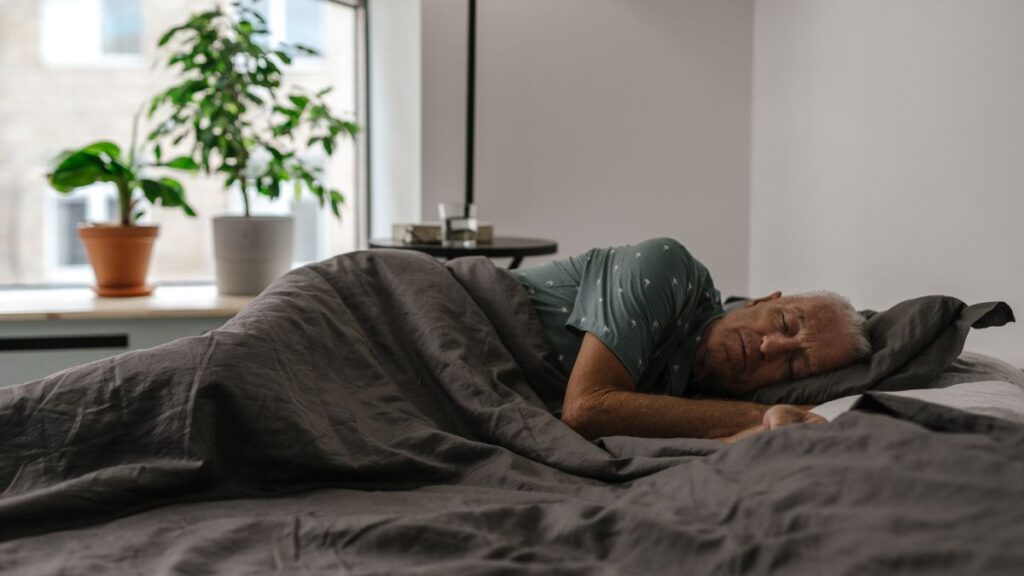
Sleep patterns commonly change with age. Older adults often go to bed and wake earlier, sleep more lightly, and wake more often during the night.
However, constantly feeling exhausted should not automatically be accepted. Pain, medicines, depression, insomnia, sleep apnea, restless legs syndrome, and other conditions can all disturb sleep.
Pay attention to what happens during the day. If poor sleep leaves you too tired to exercise, think clearly, drive safely, socialize, or finish ordinary tasks, the problem is affecting more than bedtime.
A sleep diary can sometimes make the pattern easier to explain. Record bedtime, waking, naps, nighttime awakenings, and how you function the following day before discussing persistent problems with a health professional.
9. Medicines Can Affect You Differently Than They Used To
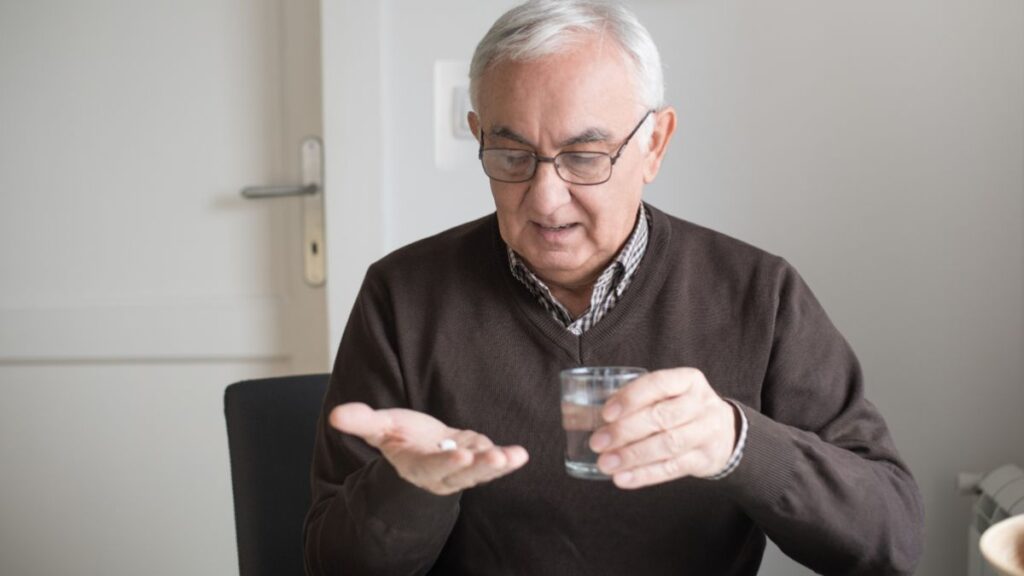
One of the quieter changes in later life can appear in the medicine cabinet. A medication you have taken for years may no longer feel exactly the same, while adding another prescription or over-the-counter product can create new interactions.
NIA notes that body changes with age can alter how medicines work. Older adults also tend to take more medications, increasing the opportunity for side effects and drug interactions.
Watch for a new symptom that appeared after a medication was started, stopped, or changed. Dizziness, unusual sleepiness, confusion, stomach problems, or changes in balance deserve attention rather than simply being blamed on age.
Never stop a prescribed medicine on your own because of an article. Instead, keep an updated list of prescriptions, over-the-counter medicines, vitamins, and supplements and periodically review the full list with a clinician or pharmacist.
Here is a simple review covering several of the quiet changes discussed so far.
| Area | Something to Notice | What to Review |
|---|---|---|
| Nutrition | Weight loss or poor appetite | Meals, chewing, swallowing, medicines, nutrient intake |
| Hearing | Missing conversations | Hearing evaluation |
| Vision | Trouble driving or reading | Eye examination |
| Sleep | Frequent waking plus daytime fatigue | Sleep habits, pain, medicines, possible sleep disorder |
| Medicines | New dizziness or confusion | Full medication and supplement list |
Many problems overlap. That is exactly why looking at the whole pattern is often more useful than addressing each symptom in isolation.
10. Your Thinking May Slow, but Serious Memory Problems Are Not Normal Aging
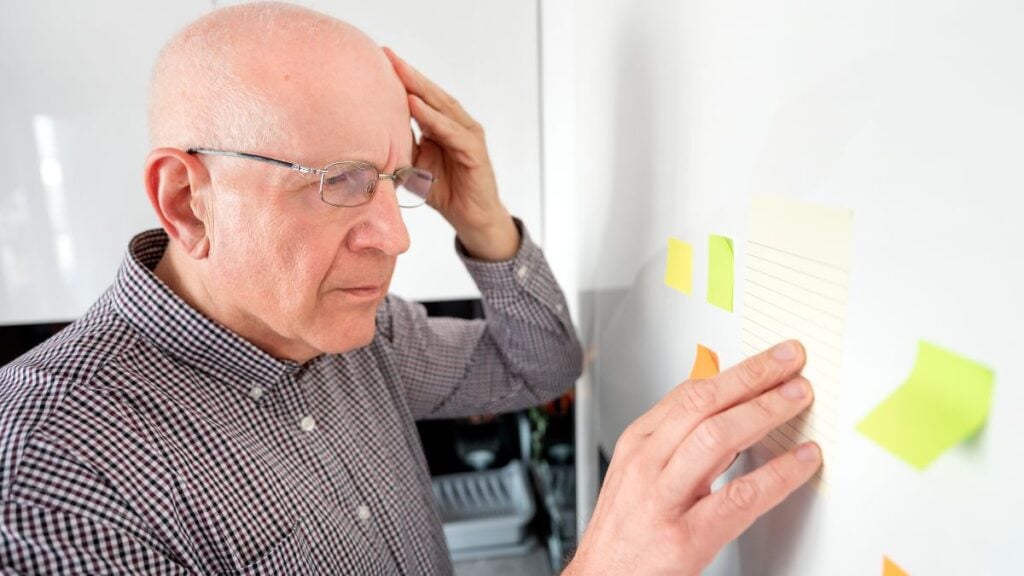
You may take longer to remember a name or need more time to learn a new device than you did at 40. NIA says slower recall, occasional misplaced items, and mild decreases in attention can occur with normal aging.
Dementia is different. It interferes with daily functioning, and it is not an inevitable part of getting older.
Pay attention when memory problems start changing independence. Repeatedly getting lost in familiar places, having major trouble managing bills, asking the same questions repeatedly, becoming confused about time and place, or struggling to follow familiar instructions deserve evaluation.
There is another reason not to assume the worst. Medication side effects, depression, sleep problems, thyroid or other medical problems, poor nutrition, and vitamin B12 deficiency can sometimes affect memory as well. Finding the cause matters.
The Most Useful Question After 70 Is “What Has Changed in My Daily Life?”
A vague symptom can be hard to investigate. A specific change gives a health professional much more useful information.
Instead of dismissing something with “I’m getting older,” describe what is different now compared with six months or a year ago.
| Instead of Saying | Say Something More Specific |
|---|---|
| “I’m getting weak.” | “I now need both hands to stand from my chair.” |
| “My balance isn’t good.” | “I nearly fell twice while getting dressed this month.” |
| “I’m tired all the time.” | “I wake four times most nights and nap every afternoon.” |
| “My hearing is going.” | “I can’t follow conversation when several people are talking.” |
| “My knee hurts.” | “I stopped my usual walks because my knee hurts.” |
| “I’m getting forgetful.” | “I’ve missed three bills even though I used to manage them easily.” |
| “I’m eating less.” | “I’ve lost weight without trying and dinner no longer appeals to me.” |
This approach also makes gradual change easier to spot. What feels minor on one day can look very different when compared with how you were functioning several months earlier.
