
At 94, Linda Marry’s biggest lesson is surprisingly simple. A better later life may depend as much on what a person stops doing as on all the healthy habits they keep trying to add.
That does not mean Linda’s routines explain why she reached 94, and no list can guarantee longevity. But several themes in her story match what healthy-aging research says about movement, sleep, connection, stress, preventive care, and protecting independence.
The numbers make some of those priorities clear. Older adults generally need seven to nine hours of sleep, while healthy-aging guidance encourages regular aerobic activity plus strength and balance work.
| Healthy-Aging Area | Useful Number or Fact | Why It Matters |
|---|---|---|
| Sleep | About 7 to 9 hours nightly | Poor sleep can affect memory, mood, safety, and daytime function |
| Aerobic activity | About 150 minutes of moderate activity weekly | Supports physical function and healthy aging |
| Strength | At least 2 days weekly | Helps preserve muscle and everyday ability |
| Falls | Nearly 3 million older-adult ER visits were recorded in 2021 | Falls can threaten independence, but many are preventable |
CDC reported more than 38,000 fall-related deaths among adults 65 and older in 2021. Those numbers do not mean aging has to become frightening, but they show why everyday habits matter long before a crisis occurs.
Editorial note: The supplied Linda narrative contained seven original habits. The final four sections below are evidence-based additions so that the article reaches 11 without inventing four more personal stories for her.
1. Stop Making Late-Night Eating an Automatic Habit

Linda’s rule was strict. She finished eating around 6 p.m., sometimes a little later during summer, and had only water or tea afterward.
Science does not show that everybody needs a 6 p.m. cutoff. What it does suggest is that meal timing matters, and regularly eating very late may work against the body’s normal circadian rhythms. Recent American Heart Association guidance says later meal timing tends to be associated with poorer cardiometabolic outcomes.
The National Institute on Aging gives simpler advice for older adults trying to sleep better. It recommends avoiding large meals within roughly two to three hours of bedtime.
That makes Linda’s lesson more useful when it is stripped of the rigid clock. Someone who goes to sleep at 10 p.m. may benefit from finishing a heavy dinner well before bedtime, but that does not mean a small evening snack is automatically harmful.
The bigger issue is mindless eating. Ice cream during television, crackers because the kitchen is nearby, or another full meal late at night can add calories without much hunger driving the decision.
2. Stop Arguing With People Who Do Not Want a Real Conversation
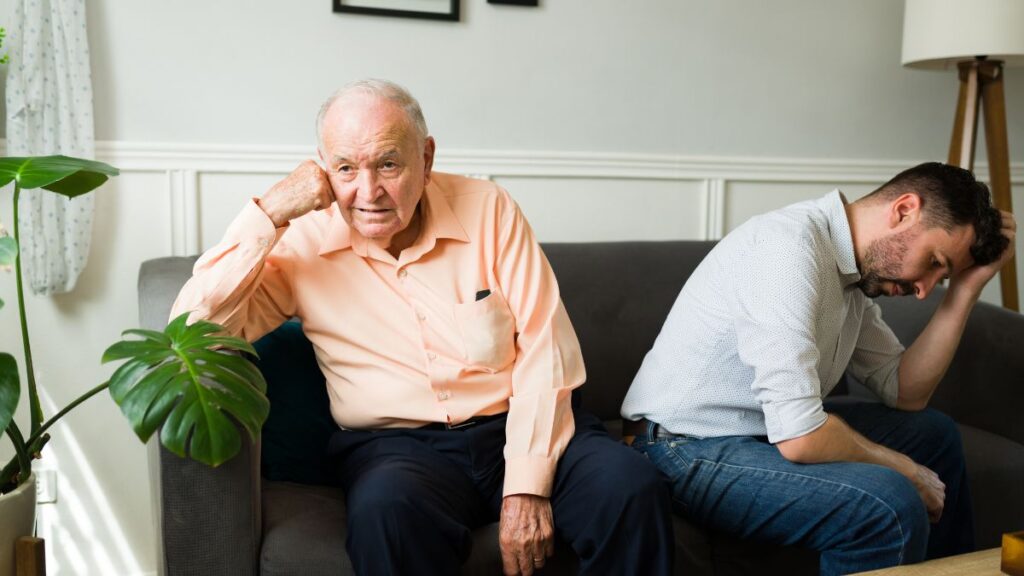
Linda describes spending years feeling compelled to correct people. If someone said something she considered ignorant or wrong, she wanted to prove her point.
Eventually, she noticed the cost. The argument often ended while the frustration stayed with her for hours.
There is no scientific basis for saying that skipping one argument literally adds years to someone’s life. The more reasonable lesson is that people can become selective about where they spend emotional energy.
Some disagreements matter. A medical decision, a financial concern, mistreatment, or an important family boundary may deserve a difficult conversation.
Other arguments simply repeat themselves. If neither person is listening, walking away can be a better use of a retirement afternoon than spending it trying to win.
Linda’s version of the habit became simple. She stopped treating every disagreement as a problem she had to solve.
3. Stop Sitting Through Most of the Day
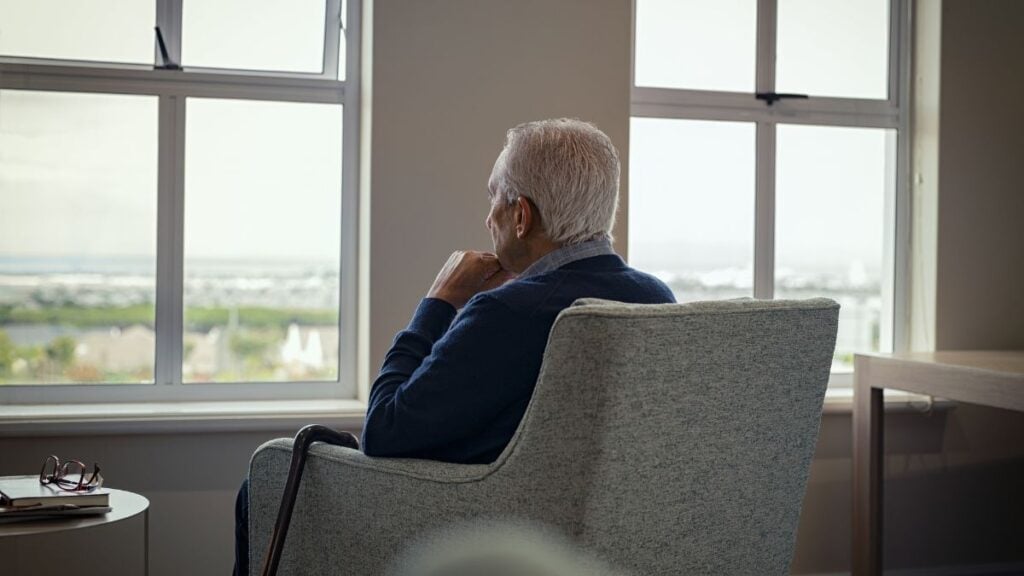
Linda never describes herself as a gym person. Her movement came from ordinary tasks such as walking to the mailbox, moving around the garden, standing while talking, and doing work around the house.
That distinction matters because people often hear “exercise” and picture treadmills, weights, or fitness classes. Healthy aging can include those things, but regular daily movement matters too.
The National Institute on Aging says physical activity can improve physical function and help people continue doing everyday tasks independently. Older adults can benefit from aerobic exercise, muscle strengthening, and balance activities.
For someone who has been inactive, that does not mean going from the recliner to an exhausting workout tomorrow. It may begin with shorter walks, standing more often, gardening, light household tasks, or an appropriate exercise program.
The strongest version of Linda’s lesson is not “never sit.” Rest is necessary. The problem is allowing sitting to become the default setting for nearly the entire day.
4. Stop Carrying Old Grudges Everywhere

One of the most personal parts of Linda’s supplied story involves her younger sister. After a serious disagreement, Linda reportedly stopped speaking to her for about 15 years.
The striking part was not what happened between them. It was Linda’s realization that carrying the anger did not undo the original hurt.
Mayo Clinic notes that forgiveness does not require forgetting, excusing harmful behavior, or rebuilding a relationship with someone who remains unsafe. It describes forgiveness more as an intentional attempt to release resentment and says it may be associated with less stress, anxiety, hostility, and depression.
That distinction is important. Older adults should not feel pressured to reconnect with abusive or dangerous people simply because someone tells them forgiveness is healthy.
Linda’s useful lesson is narrower. A person can decide that a painful event will no longer receive free space in every new day.
Before moving to the next habits, Linda’s first four ideas can be translated into practical changes without turning them into rigid longevity rules.
| Habit to Leave Behind | More Practical Replacement | What It May Protect |
|---|---|---|
| Heavy late-night eating | Finish larger meals earlier when practical | Sleep and eating routine |
| Endless arguments | Choose which conversations deserve energy | Peace and relationships |
| Hours of uninterrupted sitting | Add movement throughout the day | Mobility and independence |
| Replaying old resentment | Work toward acceptance or healthy distance | Emotional well-being |
None of these replacements needs to happen perfectly. The useful question is whether the new pattern makes daily life easier to sustain.
5. Stop Filling the Final Hour of the Day With Bad News

Linda eventually stopped ending each day with television news. In her story, murder reports, disasters, political conflict, and constant anger followed her mentally into bed.
Her personal solution was to turn the television off earlier. She replaced it with reading, quiet time, prayer, or sitting outside.
Older adults do not have to stop following current events. But the National Institute on Aging recommends a relaxing bedtime routine, a regular sleep schedule, and avoiding television, phones, tablets, and computers in the bedroom when sleep is difficult.
The real question is what happens after the screen shuts off. If someone spends an hour becoming angry or frightened and then immediately expects the brain to settle into sleep, the transition may be difficult.
A better evening does not have to be silent or boring. Music, reading, talking with a spouse, stretching, a warm bath, or another calm routine can create a clearer dividing line between daytime stimulation and bedtime.
6. Stop Saying Yes When the Real Answer Is No

Linda describes much of her younger life as being spent saying yes. Family needed something, a neighbor wanted hours of conversation, or an organization needed another volunteer, and she felt responsible for helping.
Generosity was not the problem. The problem was reaching the point where helping everyone else left almost no time or energy for her own life.
Retirement can make this especially complicated. Once work disappears from the calendar, relatives sometimes assume a retired parent or grandparent is permanently available.
That can turn freedom into another schedule controlled by other people. Babysitting, errands, money requests, appointments, favors, and social obligations can gradually fill the week.
Linda’s eventual answer was a respectful no when necessary. She did not stop caring about people, but she stopped treating every request as an obligation.
Healthy boundaries do not require an argument. They can sound as simple as, “That day doesn’t work,” or, “She can help for two hours, but not the whole afternoon.”
7. Stop Saving Life for Someday

This may be the hardest part of Linda’s story.
The supplied narrative says Linda and her husband talked for decades about taking a trip to California. He died only months before the trip was supposed to happen.
She also remembered plans with a close friend that never happened because her friend did not live long enough to enjoy them. Those losses changed how Linda thought about postponement.
Retirement planning often teaches people to think about the future, and that is necessary. But planning can turn into permanent delay when every pleasure is reserved for some later year.
This does not mean booking a trip someone cannot afford or spending money recklessly. It means questioning the habit of automatically postponing meaningful things that are already financially and physically possible.
The same idea applies to much smaller decisions. Wear the clothes being saved for an occasion, invite the friend over, visit the sibling, use the good dishes, or take the local weekend trip that has been discussed for five years.
Linda’s lesson is not that tomorrow never arrives. It is that nobody knows how many healthy tomorrows will arrive in exactly the form they expect.
These middle habits are less about medical rules and more about how a person protects time and attention.
| Situation | Old Pattern | Better Question |
|---|---|---|
| Evening news | Keep watching until bedtime | Will this help or disturb tonight’s sleep? |
| Family request | Say yes automatically | Is there enough time and energy for this? |
| Disagreement | Keep explaining | Is either person still listening? |
| Delayed plan | Wait for the perfect time | Is there a reasonable way to do some version now? |
This is where Linda’s story becomes more than a longevity article. Living longer has limited value if every extra year is filled with obligations, arguments, and plans that remain permanently postponed.
8. Stop Smoking Just Because It Feels “Too Late” to Quit

Linda’s supplied seven lessons did not discuss smoking. But any modern list about healthy aging would be incomplete without addressing it.
Some older smokers assume that stopping after decades will not make much difference. The National Institute on Aging says otherwise and notes that quitting even at age 60 or older can improve health.
The benefits include lower risks related to heart attack, stroke, lung disease, and cancer, along with better circulation and an improved ability to exercise.
That does not make quitting easy. Nicotine dependence is real, and some people benefit from professional support or approved treatments.
The important point is age. A person does not become “too old” for quitting to matter.
9. Stop Letting Your Social World Get Smaller Without Noticing

Retirement can quietly remove social contact.
Coworkers disappear from the daily routine. Friends move away. A spouse may die. Driving may become harder, and health problems can make getting out of the house more complicated.
Living alone is not automatically unhealthy, and being surrounded by people does not guarantee that someone feels connected. The National Institute on Aging makes an important distinction between loneliness, which is a feeling, and social isolation, which means having few regular social contacts.
Research increasingly suggests that both deserve attention. A large NIA-supported analysis involving more than 600,000 participants found loneliness was associated with a 31% higher risk of dementia, although an association does not prove that loneliness directly caused dementia.
The practical response does not require becoming highly social. One dependable friend, a weekly family call, a walking group, religious community, hobby club, volunteer role, or regular neighbor contact may be more meaningful than dozens of casual acquaintances.
The mistake is allowing months of isolation to become normal simply because it happened gradually.
10. Stop Waiting for Symptoms Before Paying Attention to Health

Many health problems become harder to manage once they have already begun interfering with daily life.
That is why healthy aging cannot depend entirely on going to the doctor only when something hurts. The National Institute on Aging recommends regular medical visits and notes that screenings may identify conditions before obvious symptoms appear.
The exact tests someone needs depend on age, sex, medical history, medications, previous test results, and personal risk. A 94-year-old may not need the same screening plan as someone who is 65.
Vaccinations deserve the same individualized review. NIA advises older adults to discuss recommended vaccines with a doctor or pharmacist, including protection against illnesses such as flu, COVID-19, pneumonia, shingles, tetanus, diphtheria, and pertussis when appropriate.
The goal is not to turn retirement into a series of medical appointments. It is to avoid discovering preventable problems only after they begin taking away independence.
11. Stop Treating Falls, Weakness, and Poor Balance as “Just Aging”

A fall can change retirement faster than many financial problems.
CDC says falls are the leading cause of injury death among Americans age 65 and older, but it also emphasizes that falls can be prevented.
That makes declining balance something to address rather than quietly accept. CDC recommends discussing fall risk with a healthcare professional, reviewing medicines that might cause dizziness or sleepiness, checking vision, improving home safety, and doing strength and balance exercises when appropriate.
Simple home changes matter too. Poor lighting, loose rugs, cluttered walking paths, missing stair rails, and slippery bathrooms can become bigger risks when reaction time or balance changes.
Strength deserves attention for the same reason. NIA says physical activity helps maintain function and may help protect against age-related loss of muscle, strength, and mobility.
The point is not to become afraid of falling. It is to stop assuming nothing can be done about the risk.
A useful starting plan is deliberately small. Readers do not need to change all 11 habits by Monday morning.
| Priority | What to Review This Week | Practical Next Step |
|---|---|---|
| Movement | Hours spent sitting | Add short walks or standing breaks that fit current ability |
| Sleep | Final hour before bed | Build a calmer, regular evening routine |
| Connection | Days without meaningful contact | Schedule one recurring social connection |
| Safety | Balance, medicines, vision, home hazards | Raise concerns with the appropriate healthcare professional |
Small actions are easier to repeat than dramatic lifestyle overhauls. Consistency matters more than turning healthy aging into another project that creates stress.
The Bigger Lesson Linda Learned by 94
The most useful part of Linda’s perspective is not the number 94.
No one can know whether finishing dinner earlier, ending arguments, or forgiving her sister caused her to live longer. Genetics, healthcare, environment, income, disease, chance, and many other factors influence lifespan.
What Linda’s story does capture is something retirement can make easy to forget. Time becomes more valuable as it becomes more visible.
At 40, postponing something five years can feel harmless. At 75 or 85, five healthy years can represent a large piece of the time someone still has to travel comfortably, live independently, drive, walk easily, or enjoy a spouse and friends.
That is why the best “stop doing” habits are not about chasing immortality. They are about protecting the life that is already here.
