Retirement can look peaceful from the outside. At 77, though, a retired man may be carrying thoughts that younger people rarely see, from changing health to shrinking social circles and the uncomfortable realization that time no longer feels unlimited.
That does not mean life at 77 is miserable. Far from it. But ignoring the harder parts of aging does not make them disappear, and facing them can actually make the good years feel more meaningful.
Here are 15 harsh realities that can become much harder to ignore at 77.
1. Time Suddenly Feels Far More Limited

At 40 or 50, another ten years can sound like a huge stretch of life. At 77, ten years feels completely different because nobody knows how many healthy years, travel years, or independent years remain.
That awareness changes ordinary experiences. A holiday, family gathering, cruise, long drive, or visit with an old friend can quietly raise the thought, “Will I ever get to do this again?”
The uncomfortable part is knowing there may be more “last times” ahead than first times. The useful part is that wasting an entire year becomes harder to justify.
A retired man may begin caring less about someday and more about making Tuesday afternoon worthwhile. Time becomes something to use rather than something to assume will always be there.
2. Health Starts Controlling More of the Calendar

At 77, health is no longer one small category beside work, money, travel, and hobbies. It can influence almost every other part of life.
Doctor appointments, blood tests, prescriptions, physical therapy, eye exams, dental work, and follow-up visits can take up far more mental space than they once did.
Even a routine test can create worry. Seeing a result marked outside the normal range may cause several anxious days before a doctor explains whether it actually matters.
There is also a change in what “wealth” starts to mean. A man may have plenty of savings, but if he cannot comfortably walk, sleep, hear, see, or leave his house, money alone cannot restore the retirement he pictured.
| Area | What May Change at 77 | Why It Matters |
|---|---|---|
| Sleep | More waking during the night | Energy can suffer during the day |
| Vision | More dependence on glasses or treatment | Driving and reading may become harder |
| Hearing | Background noise becomes difficult | Social situations can become tiring |
| Mobility | Stiffness or weakness may increase | Independence can shrink |
| Medical care | More appointments and testing | Health takes more time and attention |
The harsh reality is simple. Good health can no longer be treated as background scenery because it increasingly determines what kind of day is possible.
3. Independence Begins to Feel Fragile
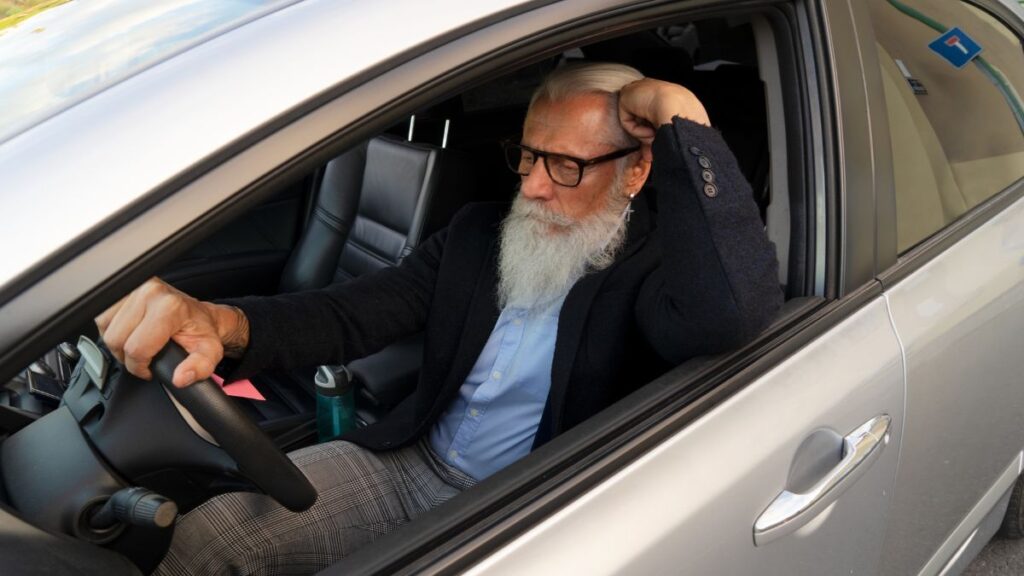
A 77-year-old man may still drive, travel, shop, cook, exercise, and manage his own finances. Yet he also becomes more aware that independence can change surprisingly fast.
One fall can cause an injury. One serious illness can make stairs difficult. One vision problem can change whether driving at night still feels sensible.
That knowledge can make a man more cautious than he was at 50. He may stop climbing tall ladders, walking on slippery ground, carrying very heavy objects, or doing repairs that once seemed routine.
Younger relatives may call it being overly careful. At 77, protecting independence can feel much more valuable than proving that nothing has changed.
The goal is not to become afraid of normal life. It is to recognize that unnecessary risks can carry a much higher price than they once did.
4. Ordinary Memory Slips Can Feel Terrifying

Everyone forgets names, loses their keys, or walks into a room and forgets why they went there. At 77, those moments can carry an entirely different emotional weight.
A forgotten name may immediately trigger a frightening question: “Is this normal aging, or is something happening to my memory?”
That fear becomes stronger when friends have developed dementia or required memory care. Suddenly forgetting a familiar name for two days does not feel like a harmless joke.
Many older adults compensate with lists, calendars, phone reminders, pill organizers, and routines. Those systems are not signs of failure. They can simply make daily life easier.
Still, there is a psychological difference between forgetting something at 37 and forgetting it at 77. The second experience can shake a person’s confidence far more deeply.
5. Friends Start Disappearing From the Story
By 77, death is no longer an occasional event involving distant relatives or somebody else’s parents. It may begin appearing regularly among neighbors, friends, former coworkers, siblings, and longtime acquaintances.
A retirement community can change dramatically in less than a decade. The people who once attended dinners, neighborhood gatherings, or morning walks may gradually disappear.
Each loss carries its own sadness. But there is also a cumulative effect that can be difficult to explain to younger people.
The social world itself starts becoming smaller.
| Earlier Retirement | Later Retirement |
|---|---|
| Many friends are active | Some friends face serious illness |
| Couples socialize together | One spouse may die |
| Travel plans are common | Health can limit travel |
| Neighborhood feels stable | Familiar neighbors may disappear |
| Reunions feel routine | Each reunion can feel more precious |
Grief at 77 is therefore not always one dramatic event. Sometimes it is the slow realization that the cast of characters from earlier life keeps getting smaller.
6. Losing a Spouse Becomes a Real Fear
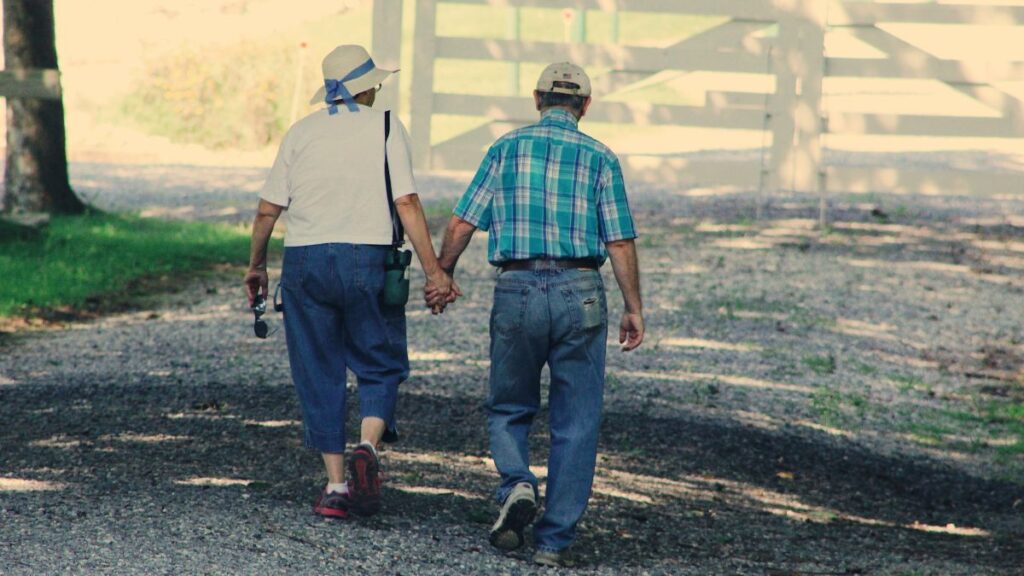
A couple married for 40 or 50 years may have shared almost every major chapter of adult life. They have routines, private jokes, memories, arguments, habits, and thousands of ordinary moments nobody else fully understands.
At 77, one difficult truth becomes impossible to ignore. Unless both people die at the same time, one will eventually have to live without the other.
That thought can be more frightening than aging itself.
It also changes how couples see everyday time together. A quiet breakfast, grocery run, evening television show, or drive to an appointment can begin feeling more valuable.
Long marriages are rarely perfect. Yet after half a century together, companionship can become so woven into daily life that imagining its absence feels almost impossible.
That is one reason relationships often matter more in later retirement than possessions, status, or accomplishments.
7. Relationships Need More Effort Than They Used To
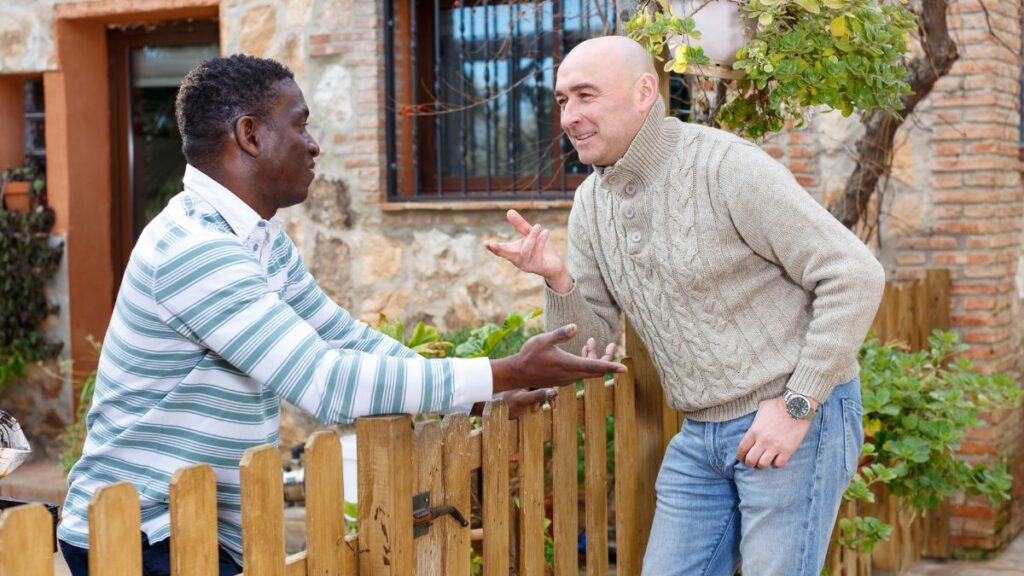
Work creates automatic relationships. You see coworkers, clients, neighbors, customers, and other people simply because life puts you in the same place.
Retirement removes much of that structure.
By 77, a man may realize that friendships do not maintain themselves. Somebody has to make the call, arrange lunch, send the message, schedule the visit, or admit that too much time has passed.
Old family relationships may deserve attention too. Brothers who slowly drifted apart over several decades may suddenly realize that waiting another ten years to reconnect makes little sense.
Not every damaged relationship needs to be repaired. Some distance exists for good reasons.
But when pride is the only thing keeping two people apart, age can make that pride feel less impressive.
8. Possessions Begin Feeling More Like Responsibility

Many people spend the first half of adulthood accumulating. They buy furniture, tools, clothing, collectibles, decorations, electronics, vehicles, and objects attached to old interests.
Later life can reverse that instinct.
At 77, a man may look around his house and wonder who will eventually deal with all of it. What once felt like a collection can begin to look like a job somebody else will inherit.
That does not mean throwing everything away. Meaningful possessions still matter.
The change is that acquiring more becomes less exciting while simplifying starts feeling strangely satisfying.
| Earlier Question | Later Question |
|---|---|
| Can I afford to buy this? | Do I really want to own this? |
| Where can I display it? | Who will deal with it later? |
| What should I add? | What could I remove? |
| Will this impress people? | Does this make life easier? |
| Is bigger better? | Is simpler better? |
A strange form of freedom can appear when owning fewer things starts feeling better than collecting more.
9. Money Matters Most When There Is Not Enough of It

Retirement planning often makes people obsess over impressive savings numbers. At 77, the practical question is usually much simpler: Does the money available support the life that still needs to be lived?
Someone with comfortable savings may think less about money than someone living close to the edge each month.
Housing costs, medical bills, home repairs, insurance, transportation, groceries, and help around the house can become more significant when income is fixed.
A retired man may also realize that rebuilding savings is much harder than it was during his working years. There may be no salary increase, promotion, overtime, or extra decade of employment available to repair a large mistake.
That makes financial stability more valuable than financial appearance.
The goal becomes less about looking wealthy and more about avoiding the kind of money problems that take away choices.
10. Travel Slowly Becomes More Complicated
Retirement advertisements often show older couples endlessly traveling. Real life can become less simple.
Long flights are harder on the body. Airports involve more walking. Sleep schedules are disrupted. Medical needs have to be considered, and driving unfamiliar roads may become tiring.
A man who once crossed the country without much thought may begin wondering whether he really wants another twelve-hour travel day.
That can create another uncomfortable “last time” question. Was the recent overseas trip the final one? Was that the last cruise? Was that the final long road trip?
Nobody can know.
The better response is not necessarily rushing to travel everywhere. It is recognizing that physically demanding plans may become harder, so meaningful experiences should not always be postponed.
11. Driving Freedom Cannot Be Taken for Granted

For many American retirees, driving represents far more than transportation. It means grocery shopping without asking for help, visiting friends, keeping appointments, going out for lunch, and leaving home whenever they choose.
At 77, changes in eyesight, reaction time, hearing, confidence, or night vision can make driving feel different.
Some older drivers become more selective. They avoid night driving, heavy rain, complicated highways, unfamiliar areas, or rush hour traffic.
That can feel frustrating because every restriction represents a small loss of spontaneity.
Yet changing driving habits does not automatically mean losing independence. Sometimes adapting early preserves freedom longer.
| Adjustment | What It Can Protect |
|---|---|
| Avoiding night driving | Confidence and visibility |
| Skipping bad weather | Lower fall and crash risk |
| Planning familiar routes | Less stress |
| Sharing long drives | Energy and concentration |
| Using rides when needed | Continued social activity |
The hardest part may be accepting that safe independence sometimes requires doing things differently.
12. The Body Punishes Small Mistakes More Severely
A bad decision at 30 might leave somebody sore for two days. At 77, that same mistake can have much larger consequences.
A fall can mean surgery. Overdoing yard work can cause several painful weeks. Dehydration, missed medication, poor sleep, or an infection can hit harder than expected.
This changes the way risk feels.
A man may stop climbing onto roofs or high ladders even though he knows exactly how to do the job. Experience tells him how to complete the task, but age tells him the consequences of getting it wrong have changed.
That conflict can be frustrating.
Being careful sometimes feels like admitting weakness. In reality, protecting the ability to walk, drive, live at home, and take care of yourself can be one of the smartest forms of independence.
13. End-of-Life Decisions Can No Longer Stay on the Someday List

Few people enjoy discussing wills, medical wishes, funerals, burial, cremation, or who should make decisions during a medical emergency.
At 77, avoiding those conversations can create a larger problem for the family later.
A retired man may need to ask uncomfortable questions. Is the will current? Does the family know where important documents are? Who should make medical decisions if he cannot speak for himself?
He may also need to communicate what kind of medical treatment he would or would not want under serious circumstances.
These discussions can feel dark. But planning for death is not the same as expecting death tomorrow.
It can actually be an act of kindness because it prevents relatives from having to guess during one of the hardest moments of their lives.
14. It Becomes Easier to Turn Into the Grumpy Old Man

Seventy-seven years of experience creates strong opinions. A man has seen mistakes repeated, watched trends come and go, survived bad decisions, and learned lessons younger people have not learned yet.
That can create a dangerous temptation to correct everybody.
A younger man tells a story and the older man immediately has a better story. Someone expresses an opinion and he explains why they are wrong. Advice appears even when nobody asked for it.
Age does not automatically create wisdom. Sometimes it simply creates more confidence in old opinions.
There is also the frustration of hearing problems, aches, technology changes, slower movement, and a world that often feels designed for younger people.
That frustration can slowly become a personality if it is never checked.
The challenge is learning when experience can genuinely help and when the wiser choice is simply listening.
15. Winning No Longer Feels as Important
Earlier adulthood can feel like one long competition.
Who earns more? Who has the better house? Who received the promotion? Who owns the newer car? Who looks successful? Who was right during the argument?
At 77, much of that starts losing its power.
The corporate ladder no longer matters after retirement. Impressing strangers feels less useful. Buying something simply because another person owns it can seem almost silly.
Relationships, peace, gratitude, comfort, health, and enjoyable time begin moving higher on the list.
| What Often Matters Less | What Can Matter More |
|---|---|
| Status | Peace |
| Winning arguments | Protecting relationships |
| More possessions | Easier living |
| Impressing strangers | Time with loved ones |
| Being right | Being content |
| Competition | Gratitude |
There is something harsh about realizing how many decades were spent worrying about things that eventually stopped mattering.
There is also something freeing about finally recognizing it.
The Hardest Part of Being 77 May Also Be the Most Valuable Lesson

Life at 77 is not simply a collection of losses. A man can still laugh, love, exercise, travel, make friends, learn new things, help family, enjoy hobbies, and wake up excited about the day.
But the illusions become harder to maintain. Time is limited. Health can change. Independence needs protecting. People disappear, and no amount of money can purchase another decade with somebody who is gone.
Those realities can make later life painful, but they can also clear away a great deal of noise.
A 77-year-old retired man may no longer need to win every argument, own the biggest house, impress people he barely knows, or keep postponing the things that matter.
He may simply need enough health to participate, enough money to feel secure, people he loves nearby, and enough time left to appreciate all three.
Perhaps that is one of aging’s strangest lessons. The closer a person gets to the end of life, the easier it can become to see what was worth caring about all along.

Marvin is an expert in farming equipment with a strong background in agricultural engineering. He graduated from Kansas State College of Agriculture, where he received a degree in Agricultural Engineering and specialized in farm equipment design and maintenance.