David thought retirement would finally give him the freedom to live anywhere he wanted. After decades of working, he imagined warm mornings, beautiful surroundings, friendly neighbors, and a home where every day felt like a vacation.
But five moves later, something was still missing. Each destination offered something attractive, yet none provided the everyday comfort and connection he was looking for.
His 6 destination was different. It wasn’t the fanciest, warmest, or most famous retirement spot. It was a small Virginia city that offered something more meaningful: the possibility of building a life he would actually want to stay in.
Editor’s note: David is an illustrative character, not a verified interview subject. His six relocations are used to explore common retirement decisions. The locations and supporting community information are real.
Why David Kept Moving After Retirement
For David, retirement initially seemed like an opportunity to start fresh. His working years had been shaped by schedules, responsibilities, and the need to live near employment.
With those obligations behind him, choosing a new hometown seemed simple. He needed pleasant weather, affordable housing, and enough activities to fill his free time.
Yet those priorities didn’t tell the whole story. He gradually recognized that a retirement destination could satisfy every item on a vacation wish list while still feeling lonely on an ordinary Tuesday.
The problem wasn’t necessarily the cities he considered. It was that he had been choosing places based on how enjoyable they appeared rather than how well they supported everyday living.
Research suggests that many older Americans face similar questions. AARP’s 2024 Home and Community Preferences Survey found that 75% of adults age 50 and older wanted to remain in their homes as they aged, but 44% expected they might eventually need to relocate.
David’s imagined experience illustrates what can happen when retirement housing decisions focus on the next few years without enough thought about the decades that could follow.
1. Phoenix, Arizona: When Sunshine Became Too Much

Phoenix offered nearly everything David originally associated with retirement. There was abundant sunshine, access to golf courses, plenty of restaurants, and opportunities for outdoor recreation.
For someone tired of gray winters, the appeal was easy to understand. The city promised an active lifestyle with relatively mild winters and a large retirement community.
But living somewhere full time is different from spending a pleasant February there. Phoenix experiences extremely hot summers, and outdoor activities may require careful scheduling during the hottest months.
David’s first lesson was that good vacation weather does not always mean comfortable year-round living.
A community built around outdoor activities might not suit a retiree who dislikes spending much of the summer indoors. Neighborhood design and driving distances also matter, especially for someone hoping to reduce car dependence.
Phoenix could be an excellent choice for retirees who enjoy desert living. For David’s developing list of priorities, however, it represented an important mismatch.
2. Sarasota, Florida: Paradise Had an Unexpected Price

Sarasota offered a different kind of retirement dream. Its Gulf Coast setting, beaches, cultural attractions, and warm climate made it appealing to people seeking a relaxed lifestyle.
For David, the attraction wasn’t difficult to imagine. A morning near the water followed by lunch outdoors seemed like a pleasant alternative to his former work schedule.
But coastal living brings financial questions that are easy to overlook during a short visit. Homeowners may need to consider hurricane exposure, flood risk, insurance premiums, and property maintenance.
Florida also has humid summers, and seasonal population changes can affect the experience of living in popular coastal communities.
These issues do not make Sarasota a poor retirement destination. They simply mean the real cost of living cannot be measured by the home’s purchase price alone.
David’s second lesson was to examine the entire housing budget. A house that appears affordable during a property search may become much more expensive once insurance, maintenance, and other ownership costs are included.
3. Asheville, North Carolina: Beautiful Scenery Wasn’t Enough

Asheville offered mountains, arts, restaurants, and opportunities to enjoy nature. Its scenery and cultural attractions made it easy to understand why many people find the area appealing.
David’s changing priorities suggested that he wanted something more balanced than a busy metropolitan area or a heavily vacation-oriented coastal destination.
But scenery does not solve every retirement concern. Housing affordability, property accessibility, transportation, and proximity to medical care still deserve close attention.
Mountain communities can also present physical challenges. Steep driveways, stairs, and uneven walking routes may be manageable at 65 but less appealing as mobility changes.
Asheville’s appeal could remain strong while still raising questions about the particular neighborhood and home that would support David’s later years.
The third lesson was about planning ahead. A retirement home should work for an ordinary day at 80, not only a beautiful weekend at 65.
4. Knoxville, Tennessee: Affordability Could Not Replace Connection

Knoxville introduced another retirement consideration: financial breathing room. Tennessee’s lack of a state individual income tax can appeal to retirees comparing their after-tax income across states.
The city also offers access to outdoor recreation, cultural activities, and a range of neighborhoods.
For David, however, the question had become more personal. Could a location that worked financially also provide the social life he wanted?
Retirement often removes the automatic relationships created by employment. Former coworkers no longer appear every morning, and making new friends can require deliberate effort.
The National Institute on Aging identifies retirement and separation from familiar people as circumstances that may increase the risk of loneliness or social isolation.
David’s fourth lesson was that financial advantages cannot create friendships on their own.
A comfortable budget provides choices, but a satisfying retirement also requires meaningful relationships, familiar routines, and reasons to participate in the community.
5. Lancaster, Pennsylvania: Practical Living Still Needed the Right Fit
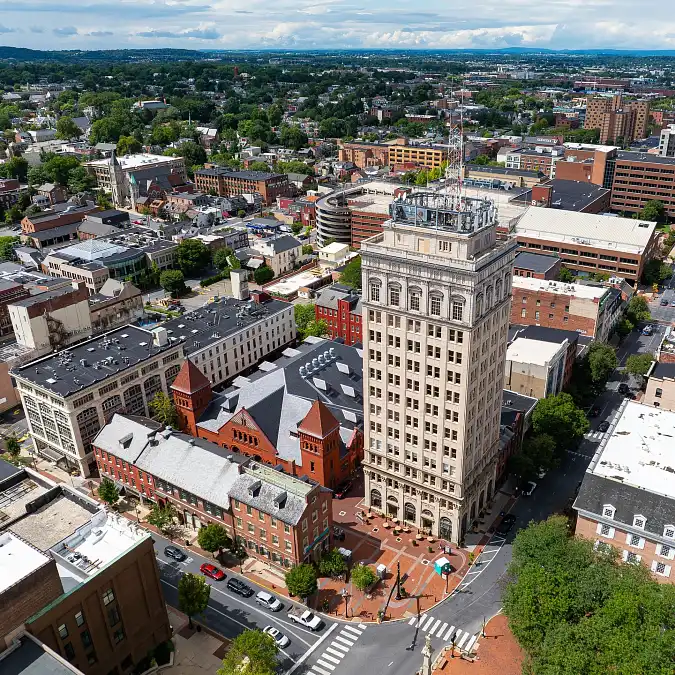
Lancaster offered another version of retirement living. Its historic setting, established neighborhoods, markets, and cultural activities made it worth considering.
By this stage, David’s priorities were clearer. He no longer needed a destination that felt exciting every morning. He wanted everyday conveniences and opportunities to become part of local life.
Lancaster could potentially provide much of that. Still, its colder winters, housing choices, and neighborhood differences would need to match his personal preferences.
A city may have a walkable downtown without every residential neighborhood being walkable. Similarly, access to hospitals does not guarantee that every specialist will be nearby or accepting new patients.
David’s fifth lesson was that a promising community is only one part of the decision. The exact home, street, transportation options, and daily routine can matter just as much.
At this point, his search was no longer about finding the most impressive retirement destination. It was about finding a place he could imagine calling home for many years.
6. Staunton, Virginia: The Place That Finally Made Sense

Staunton, in Virginia’s Shenandoah Valley, offered a different combination of features. It was a small city with a historic downtown, independent businesses, community activities, and access to the surrounding mountains.
Unlike the bigger retirement destinations David had considered, Staunton offered a smaller setting without being completely removed from everyday services.
According to the U.S. Census Bureau, Staunton had an estimated population of 26,801 in 2025, with approximately 21.3% of residents age 65 or older.
Those figures don’t guarantee a welcoming community, but they show that Staunton has both a small-city scale and an established older population.
It also has a recognizable downtown along Beverley Street, with restaurants, local shops, and cultural attractions. The city runs seasonal downtown events that create opportunities for residents to spend time in shared public spaces.
For David, those features represented a different kind of retirement appeal. Instead of relying on major attractions or an endless entertainment schedule, he could focus on building a familiar weekly routine.
The attraction was not that Staunton offered everything. It was that it offered a manageable combination of the things David had learned to value.
What Made Staunton Different From His Previous Five Choices?
David’s retirement search can be summarized through the changes in his priorities.
| Relocation | Initial Attraction | Important Consideration |
|---|---|---|
| Phoenix, Arizona | Sunshine and outdoor living | Extreme summer heat |
| Sarasota, Florida | Beaches and coastal lifestyle | Storm exposure and insurance costs |
| Asheville, North Carolina | Mountains and cultural attractions | Housing costs and accessibility |
| Knoxville, Tennessee | Financial advantages and amenities | Building meaningful social ties |
| Lancaster, Pennsylvania | Established community and conveniences | Winter weather and neighborhood fit |
| Staunton, Virginia | Small-city lifestyle and everyday amenities | Balancing cost, healthcare, mobility, and community |
The comparison doesn’t establish Staunton as objectively better than the other five destinations. Each offers benefits that might suit another retiree perfectly.
David’s changing preferences explain why the sixth choice could feel more appropriate.
A Downtown Where Ordinary Outings Could Be Enjoyable
Staunton’s historic downtown includes cafes, shops, restaurants, and cultural attractions within a relatively compact district.
That matters because retirement activities do not always need to be elaborate. A short walk, a library visit, or lunch at a familiar restaurant can make an ordinary afternoon more enjoyable.
However, Staunton’s hills and uneven terrain mean that walkability varies by location and physical ability. A retiree considering the city would still need to examine particular streets and homes.
Medical Services Within the Surrounding Region
Access to medical care becomes increasingly important as people move through retirement.
Staunton residents are served by medical providers in the surrounding area, including Augusta Health’s hospital campus in nearby Fishersville. Regional BRITE bus routes also connect Staunton with Waynesboro and Augusta County, including routes serving Augusta Health.
That does not remove the need to check specialists, insurance networks, appointment availability, or transportation schedules.
It does give prospective residents concrete services to investigate before making a commitment.
Housing Costs That Deserve a Closer Look
Staunton’s housing figures help explain why it may deserve consideration among smaller retirement destinations.
| Staunton Housing Measure | Census Figure |
|---|---|
| Median owner-occupied home value | $259,200 |
| Median monthly owner costs with a mortgage | $1,413 |
| Median monthly owner costs without a mortgage | $517 |
| Median gross monthly rent | $1,024 |
| Owner-occupied housing rate | 60.9% |
Figures come from the U.S. Census Bureau’s 2020–2024 American Community Survey estimates. They describe the existing housing stock, not current asking prices or guaranteed housing availability.
These numbers provide useful context, but they are not a complete retirement budget.
Property taxes, insurance, utilities, maintenance, accessibility improvements, and transportation must still be considered.
Virginia also does not tax Social Security benefits at the state level. However, pensions, traditional IRA distributions, and other retirement income may be taxable, subject to applicable deductions and exemptions.
David’s financial lesson was that the best retirement destination isn’t necessarily the one with the cheapest advertised homes. It is the one where the full cost of living remains manageable.
The One Thing David Had Overlooked During His First Five Moves

The greatest change in David’s approach had little to do with real estate.
He had started by asking what a place could offer him. He eventually needed to ask what kind of everyday life he could build there.
Retirement can create an unexpected social gap. Work once provided daily conversation, shared responsibilities, and familiar faces without much additional planning.
After leaving employment, retirees may need to replace that structure themselves.
The National Institute on Aging notes that loneliness and social isolation are different experiences. A person can live alone and feel connected, or live among many people and still feel lonely.
For David, a community’s social opportunities became just as important as its scenery.
A location with clubs, volunteer opportunities, classes, libraries, and neighborhood activities could provide practical ways to meet people. But participating regularly would remain his responsibility.
Belonging is rarely something that comes automatically with a new address.
Why Moving Six Times Could Have Been Financially Risky
Repeated retirement moves can create costs that are easy to underestimate.
Each relocation may involve moving services, travel expenses, housing deposits, transaction fees, repairs, furnishings, and the cost of establishing a new household.
Selling property repeatedly can be especially expensive. Even renters may face lease penalties, application fees, temporary storage, and higher housing costs.
AARP has also warned that changes in taxes, insurance, utilities, healthcare networks, and other expenses may reduce the savings expected from relocating.
The financial lesson is that a successful move must improve more than one line of a budget.
| Expense | What Retirees Should Review |
|---|---|
| Selling a home | Agent fees, repairs, closing costs, possible taxes |
| Buying another property | Closing fees, inspections, moving costs, renovations |
| Renting | Deposits, application fees, lease conditions |
| Healthcare | Medicare networks, specialists, prescription costs |
| Insurance | Home, flood, wind, auto, and other coverage |
| Transportation | Car ownership, fuel, insurance, public transportation |
| Daily living | Groceries, utilities, taxes, memberships, activities |
The amount spent on six moves would depend on the properties, travel distances, and arrangements involved. Without actual records, assigning David a specific total would be misleading.
What matters is the broader warning: repeatedly searching for a better lifestyle can consume money that was originally intended to support retirement.

Jake is a chainsaws expert with a wealth of knowledge and experience in the field. He is a licensed professional by the National Chainsaw Program, which attests to his skills and expertise in the safe and efficient use of chainsaws.