At 62, Joe Kuhn has started looking at retirement mistakes very differently from the mistakes he made during his working years.
A bad decision at 35 might leave decades to recover, but a similar mistake at 65 could permanently affect someone’s savings, independence, and quality of life. That difference has changed how he thinks about financial risk.
During a recent exercise walk, Joe reflected on his career and realized something important. In business, making the right decision 70% or 80% of the time could still produce excellent results. Retirement, however, offers much less room for expensive experiments.
Joe identified seven financial mistakes he wants to avoid, from market timing to poor Social Security decisions. Four additional retirement risks deserve the same attention because they can undermine even a carefully prepared financial plan.
1. Trying to Time the Stock Market With Retirement Savings

Joe has seen people try to predict when the stock market will rise or fall. They study stock valuations, economic indicators, government debt, and historical market patterns, hoping to identify the perfect moment to buy or sell.
Sometimes their predictions work, but Joe worries about what happens when they are wrong. An investor who sells stocks during a market decline might miss the recovery, while someone waiting for a better buying opportunity could remain on the sidelines as prices continue rising.
During a working career, market timing mistakes can be easier to overcome. Someone in their 30s or 40s may have decades of future earnings and contributions to rebuild lost wealth.
Retirees face a different situation because they may already be withdrawing money from their portfolios. They cannot necessarily replace investment losses with another decade of savings, especially when living expenses continue regardless of market conditions.
Joe believes retirees should consider the consequences of being wrong before attempting to predict market movements. A strategy that produced excellent results during someone’s working years may expose their retirement savings to risks they can no longer afford.
The alternative is to develop an investment allocation that matches long-term income needs and personal risk tolerance. Regular rebalancing and a clear withdrawal strategy can reduce the temptation to make dramatic changes whenever markets become unsettled.
A retirement portfolio does not need to outperform every market cycle. It needs to support the household through both favorable and unfavorable periods without requiring perfect predictions.
2. Ignoring Inflation Until Retirement Savings Lose Their Purchasing Power

Inflation is one of Joe’s greatest financial concerns about retirement. While stock market declines receive constant attention, rising prices can slowly weaken a household’s financial position without creating an obvious crisis.
A market decline may eventually reverse, although recovery is never guaranteed. Inflation behaves differently because a lower inflation rate does not usually mean that prices return to their old levels.
Someone retiring with $4,000 in monthly expenses might assume that amount will remain sufficient for many years. Unfortunately, groceries, utilities, home repairs, insurance, and healthcare costs can become significantly more expensive over time.
Even modest inflation becomes a serious concern when compounded over a retirement lasting 25 or 30 years.
| Years Into Retirement | Monthly Spending at 3% Inflation | Annual Spending |
|---|---|---|
| Starting year | $4,000 | $48,000 |
| 5 years | $4,637 | $55,645 |
| 10 years | $5,376 | $64,505 |
| 15 years | $6,232 | $74,783 |
| 20 years | $7,224 | $86,694 |
Figures are rounded illustrations assuming a constant 3% annual increase in expenses, not a prediction.
After 20 years, the same household could need approximately $86,700 annually to maintain the purchasing power of $48,000 today. That is an increase of nearly $39,000 without necessarily improving its lifestyle.
Joe believes retirees need an inflation strategy before leaving work. Social Security benefits generally receive annual cost-of-living adjustments, but those increases may not perfectly match an individual’s spending patterns.
Pensions without inflation adjustments can become less valuable over time. Meanwhile, keeping too much retirement savings in low-yield cash accounts may provide short-term stability at the expense of long-term purchasing power.
A thoughtful retirement plan balances stable income with investments that offer some potential for long-term growth. The goal is to ensure that savings can support tomorrow’s prices rather than only today’s bills.
3. Becoming Too Conservative or Too Aggressive With Investments

Joe believes retirees can make serious financial mistakes at both ends of the investment risk spectrum. Some continue investing as aggressively as they did during their careers, while others become so cautious that their savings struggle to keep pace with inflation.
Keeping nearly everything in stocks might work during a strong market, but a major decline could create problems for someone withdrawing money regularly. Concentrating a large portion of retirement savings in one company increases the risk even further.
Joe questions whether holding half of a portfolio in a single stock is sensible when there may be limited time to recover from a large loss. A decision that worked repeatedly during someone’s career can still be inappropriate after retirement.
The opposite extreme also deserves attention. Moving every dollar into cash may make account balances appear stable, but inflation can gradually reduce what those balances can purchase.
Retirees therefore need to consider both the risk of losing money and the risk of failing to grow their savings enough to support a long retirement.
| Investment Approach | Main Risk | What Retirees Should Consider |
|---|---|---|
| Nearly all stocks | Large short-term market losses | Ability to tolerate declines while making withdrawals |
| Mostly cash | Inflation reduces purchasing power | Whether savings can support rising expenses |
| Heavy investment in one company | Concentrated losses | Diversification across businesses and assets |
| Balanced stock and bond portfolio | Still exposed to market and interest-rate risks | Matching investments to spending needs |
| Diversified portfolio with cash reserves | Lower growth on reserve assets | Maintaining money for near-term expenses |
Joe does not believe there is one correct investment allocation for every retiree. Someone with substantial pension income may be comfortable taking more investment risk than someone whose entire retirement depends on portfolio withdrawals.
Health, household spending, Social Security benefits, personal preferences, and expected retirement length all influence the right decision. Two households with identical savings balances can reasonably choose different investment strategies.
Rather than copying someone else’s portfolio, Joe believes retirees should evaluate how much money they could lose during a downturn and whether their spending plan would remain workable afterward.
The objective is not maximum investment growth at any cost. It is finding an appropriate balance between growth, stability, and the ability to sleep comfortably at night.
4. Entering Retirement Without a Clear Spending Plan

Many Americans spend decades learning how to save for retirement but surprisingly little time preparing to spend those savings. Joe believes that can become a costly mistake because retirement requires a completely different approach to managing money.
During a working career, paychecks arrive regularly and retirement contributions happen in the background. Once employment ends, people must determine how to turn accumulated savings into reliable income.
Joe questions the idea that retirees should automatically follow the traditional 4% withdrawal rule without considering their actual circumstances. Although the guideline comes from historical retirement research, it is not a guaranteed spending formula for every household.
Some retirees may follow a rigid withdrawal limit and finish retirement with far more money than they intended to leave behind. Others may spend too aggressively because they fail to account for taxes, inflation, and market declines.
Joe believes a spending plan should explain how much money can reasonably be withdrawn and when adjustments might become necessary. It should also distinguish regular living expenses from occasional large purchases.
| Spending Category | Common Examples | Planning Priority |
|---|---|---|
| Essential expenses | Housing, food, utilities, insurance | Maintain dependable coverage |
| Flexible expenses | Restaurants, hobbies, entertainment | Adjust when necessary |
| Healthcare costs | Premiums, prescriptions, dental care | Prepare for unpredictable expenses |
| Large purchases | Vehicles, home improvements, appliances | Save separately when possible |
| Retirement experiences | Vacations, family visits, special events | Plan spending around financial capacity |
| Emergency expenses | Unexpected repairs or family needs | Maintain accessible reserves |
A spending plan should also consider which accounts will provide the money. Withdrawals from traditional retirement accounts may increase taxable income, while Roth withdrawals that meet the rules can have different tax consequences.
Joe wants retirees to recognize that spending flexibility is an important financial advantage. Someone who can temporarily reduce travel or entertainment expenses during a difficult market may have more options than someone whose entire budget consists of unavoidable bills.
However, being excessively cautious has consequences too. A retiree who refuses to spend money on meaningful experiences may discover that physical ability or personal circumstances have changed before those experiences happen.
The purpose of retirement savings is to support retirement. A good spending plan should protect financial security while allowing people to enjoy the money they worked hard to accumulate.
5. Working Too Long and Sacrificing the Healthiest Retirement Years

Joe considers working longer than necessary one of the most overlooked retirement mistakes. Many people assume that delaying retirement is always financially responsible because another year of employment means additional income and potentially greater savings.
Although that reasoning makes sense financially, Joe believes it overlooks another limited resource: time. Every additional year spent working is a year that cannot be spent enjoying retirement in the same way.
At 62, Joe has noticed that his body does not recover from physical strain as quickly as it did in his 50s. Injuries can take longer to heal, and activities that once felt easy may require more effort.
He has become increasingly aware that the difference between 54 and 62 feels significant. That personal observation has affected how he evaluates the decision to continue working.
Retirement is sometimes divided into three broad lifestyle stages. These are informal descriptions rather than fixed medical or financial categories, but they highlight how priorities can change.
| Retirement Stage | Common Characteristics | Financial Planning Considerations |
|---|---|---|
| Go-go years | More travel, hobbies, outdoor activities, and active experiences | Higher discretionary spending may be desirable |
| Slow-go years | More selective travel, quieter routines, and changing physical abilities | Spending priorities may shift |
| No-go years | Greater possibility of mobility limitations or additional care needs | Healthcare and support expenses may increase |
These stages do not begin at particular ages, and some retirees remain highly active into their 80s or 90s. Others experience physical limitations much earlier, which makes retirement timing deeply personal.
Joe believes someone who is financially prepared should carefully consider what additional working years will accomplish. Earning another $50,000 or $100,000 may strengthen financial security, but the value of that money depends on what is being sacrificed to earn it.
A person who enjoys working may reasonably decide to continue, especially if employment provides friendships, purpose, and satisfaction. Someone whose job causes significant stress may evaluate the trade-off differently.
Working longer is not inherently a mistake. Joe’s concern is continuing to work automatically without considering whether the additional income is worth the retirement time being surrendered.
The goal is to retire when financial readiness and personal priorities support the decision, rather than assuming that a larger account balance will always create a better retirement.
6. Claiming Social Security Without Understanding the Long-Term Consequences
Joe believes Social Security claiming decisions deserve considerably more attention than many retirees give them. Some people choose to begin benefits at 62 simply because they have become eligible, without fully examining how that decision affects future income.
For someone born in 1960 or later, full retirement age is 67. Claiming at 62 generally reduces the retirement benefit by 30% compared with claiming at full retirement age.
Waiting until age 70 can increase the monthly benefit through delayed retirement credits. The difference can be substantial, particularly over a long retirement.
Consider someone entitled to $2,500 per month at their full retirement age.
| Social Security Claiming Age | Percentage of Full Benefit | Monthly Benefit |
|---|---|---|
| 62 | 70% | $1,750 |
| 65 | 86.7% | $2,167 |
| 67 | 100% | $2,500 |
| 68 | 108% | $2,700 |
| 70 | 124% | $3,100 |
Illustrative benefits for someone born in 1960 or later. Figures are rounded where appropriate and exclude future cost-of-living adjustments.
The difference between claiming at 62 and 70 in this example is $1,350 per month. That is $16,200 annually before considering future cost-of-living adjustments.
However, Joe does not suggest everyone should wait until 70. Claiming early may be reasonable when someone has health concerns, limited savings, an immediate income need, or other circumstances that favor earlier payments.
His concern is that retirees sometimes focus entirely on collecting benefits as soon as possible. That approach can overlook how claiming age affects lifetime income and household security.
For married couples, survivor benefits deserve particular attention. The higher earner’s decision may influence the income available to a surviving spouse after one partner dies.
Taxes can complicate the decision further. Depending on other household income, some Social Security benefits may become taxable, which affects the actual amount retirees keep.
Someone who continues working while collecting benefits before full retirement age may also be affected by the Social Security earnings test. These rules should be understood before making a claiming decision.
Joe believes retirees should compare several possible claiming ages rather than assuming the earliest or latest option must be best. A good decision reflects health, household needs, other income sources, taxes, and survivor protection.
Because Social Security often represents a major portion of retirement income, the claiming decision deserves careful analysis before the application is submitted.
7. Waiting Until Retirement to Start Tax Planning

Joe believes tax planning becomes much more important when someone moves from earning a paycheck to withdrawing retirement savings. During employment, many taxes are handled through paycheck withholding, making the process feel relatively automatic.
Retirement changes that arrangement because people often gain more control over when they recognize taxable income. Traditional IRA withdrawals, Roth conversions, investment sales, pensions, and Social Security benefits can interact in complicated ways.
A retiree who withdraws a large amount from a traditional IRA to purchase a vehicle or renovate a home might unexpectedly increase their tax bill. That decision could also affect other income-related costs.
Joe understands that retirees need to think about the combined effect of their financial decisions rather than treating each withdrawal separately. A strategy that looks beneficial in one area could create additional costs elsewhere.
For example, retirees may have several years between leaving employment and beginning Social Security or required minimum distributions. Depending on their financial situation, those years could provide opportunities for carefully planned Roth conversions or other tax strategies.
But converting too much money in one year may push additional income into a higher tax bracket. That could reduce or eliminate the potential advantage of the conversion.
Required minimum distributions create another planning concern. Under current rules, many retirement account owners must begin these distributions at age 73, while people born in 1960 or later generally have a starting age of 75.
Those future withdrawals can affect taxable income even when a retiree does not need all the money for living expenses. Planning years earlier may provide more flexibility than waiting until mandatory distributions begin.
Joe believes retirees should examine their expected taxes over several years rather than focusing only on reducing the current year’s bill. That includes coordinating Social Security, investment withdrawals, and other income sources.
Tax planning is particularly important for married couples because the surviving spouse may eventually face different tax brackets and filing rules. A strategy designed only around today’s household income may not work as well after one spouse dies.
The objective is not to avoid every tax. It is to reduce preventable tax costs while keeping retirement income dependable and financial decisions manageable.
8. Retiring Before Medicare Without Planning for Healthcare Costs
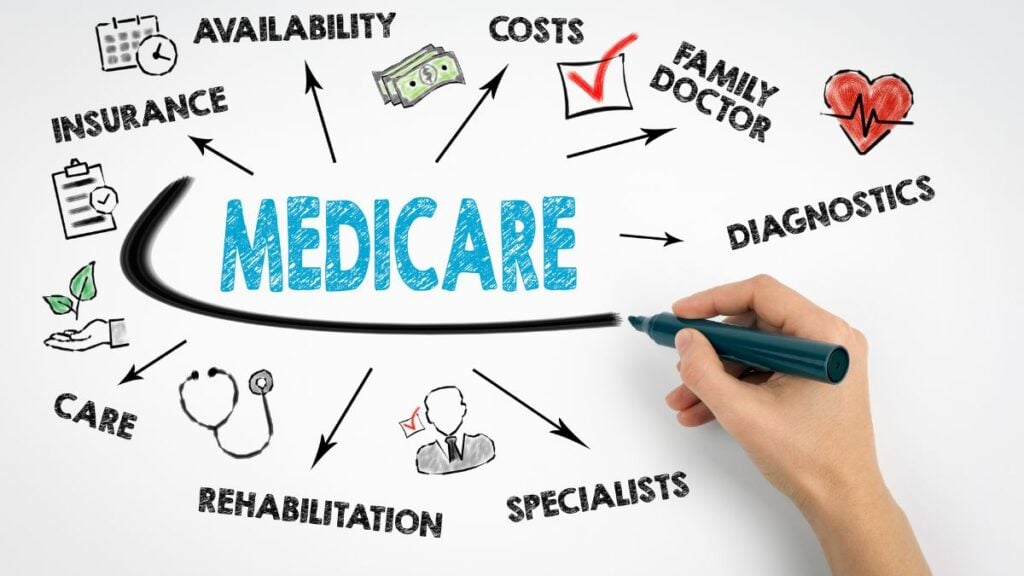
Retiring at 62 creates an additional challenge for many Americans because Medicare eligibility generally begins at 65. Someone leaving a job with employer-sponsored health coverage may need to arrange approximately three years of alternative insurance.
That gap can become expensive if healthcare costs are not included in the retirement budget. Insurance premiums represent only part of the expense because deductibles, prescriptions, and out-of-pocket medical bills can also affect household finances.
Some early retirees can obtain coverage through a working spouse. Others may qualify for COBRA continuation coverage or purchase insurance through the Affordable Care Act Marketplace.
Each option has different costs and eligibility requirements, so coverage should be investigated before leaving employment. Assuming an inexpensive plan will be available can create an unpleasant surprise after the final paycheck arrives.
Joe’s broader concern about avoiding expensive retirement mistakes applies directly to healthcare. A person may have enough savings for housing, food, and travel but discover that insurance costs require substantial reductions elsewhere.
Healthcare planning also needs to extend beyond age 65. Medicare does not cover every medical expense, and retirees may still face premiums, deductibles, prescription costs, dental expenses, and services requiring additional coverage.
Higher-income retirees may also pay income-related adjustments to certain Medicare premiums. This creates another connection between healthcare spending and the tax decisions made during retirement.
Someone planning to retire early should estimate healthcare expenses before and after Medicare eligibility. That estimate should include insurance, expected medical needs, and a reasonable allowance for unpredictable costs.
The goal is to ensure that an otherwise affordable retirement does not become financially stressful because healthcare expenses were overlooked.
9. Ignoring the Risk of a Market Crash Early in Retirement
Investment losses can become particularly damaging when they occur during the first several years of retirement. Financial planners often call this sequence-of-returns risk because the timing of investment gains and losses can affect how long retirement savings last.
During a working career, investors are often adding money to their accounts. A market decline may allow them to purchase investments at lower prices while continuing to build their portfolios.
Retirees usually face the opposite situation. They may need to sell investments regularly to pay living expenses, even when market values have fallen.
Imagine someone retiring with $800,000 in investments and planning to withdraw $40,000 during the first year. If the portfolio experiences a 30% market decline before that withdrawal, its value would fall to approximately $560,000.
Taking the planned $40,000 withdrawal would reduce the remaining balance to about $520,000, ignoring investment movements after the decline and any taxes or fees. The retiree would then need significant future gains to rebuild the portfolio.
This example shows why identical average investment returns do not necessarily produce identical retirement outcomes. Experiencing losses early, while making withdrawals, can weaken a portfolio more than experiencing similar losses later.
Joe’s concerns about aggressive investing and market timing connect directly with this risk. Retirees need strategies that reduce the possibility of being forced into damaging investment sales during difficult market conditions.
Some households maintain cash or short-term reserves for near-term spending. Others use flexible withdrawal strategies that reduce discretionary spending after significant market declines.
There is no approach that completely eliminates the risk, and holding excessive reserves can create inflation problems of its own. The important consideration is whether a retirement plan can continue functioning when investment returns arrive in an unfavorable order.
Preparing for a difficult first five years may provide more realistic insight than assuming the portfolio will earn the same average return every year.
10. Having Enough Money to Retire but No Plan for Life After Work
Financial preparation is only one part of a successful retirement. Someone can save enough money to stop working and still struggle with the sudden loss of routine, purpose, and daily social interaction.
For decades, employment often determines when people wake up, where they go, whom they see, and which responsibilities require attention. Retirement can remove that structure almost immediately.
Joe’s reflection about working too long highlights another important concern. If someone delays retirement to accumulate more savings, they should also consider what they want those savings to support.
Travel, hobbies, exercise, friendships, volunteering, and family activities can create meaningful retirement experiences. However, these interests may require planning and effort rather than developing automatically after employment ends.
Social relationships are particularly important because work often provides regular contact with other people. Former colleagues may gradually lose touch once the shared workplace disappears.
A retiree who has relied heavily on professional relationships may need to develop new friendships and routines. Community groups, volunteering, part-time work, and regular social activities can provide opportunities to stay connected.
Physical health also affects retirement freedom. Someone who wants to travel, garden, or pursue active hobbies may benefit from maintaining strength, mobility, and everyday fitness within their abilities.
Retirement planning should therefore include questions that have little to do with money. How will ordinary weekdays be spent, which relationships will remain important, and what activities will provide a sense of accomplishment?
The answers do not need to involve expensive experiences. Reading, walking, mentoring younger people, spending time with grandchildren, or participating in community activities can all provide meaningful structure.
Joe’s concern about protecting the healthiest retirement years makes these choices particularly relevant. A retirement plan should identify not only when work can stop but also what makes life outside work worth looking forward to.
11. Failing to Stress-Test a Retirement Plan Before Making Major Decisions

Joe’s professional background taught him that good decisions require more than confidence. During his career, he worked on improving operations, solving problems, and replacing inefficient practices with better systems.
He understood that some changes would fail, but the organization could often learn from those failures and adjust its approach. Retirement, however, creates situations where mistakes may be much more difficult to correct.
That is why Joe places considerable value on testing assumptions before making financial decisions. A retirement plan may look excellent when markets perform well, inflation remains low, and expenses follow expectations.
The real test comes when those assumptions change. A plan should be able to show how finances might respond to unexpected events rather than relying exclusively on favorable projections.
Joe uses retirement planning software, including Boldin, to examine different financial scenarios. He also discusses decisions with his financial planner, Neil, and a retirement discussion group.
These outside perspectives can challenge his assumptions and help identify risks he may have overlooked. Sometimes the best decision is to make no immediate changes after reviewing the available information.
A useful stress test examines several possible situations.
| Retirement Risk | Scenario to Test | Possible Response |
|---|---|---|
| Stock market decline | Investments lose 30% | Reduce discretionary spending or use planned reserves |
| Higher inflation | Living costs rise faster than expected | Reassess spending and long-term growth needs |
| Longer retirement | Household needs income until age 95 | Review withdrawal rates and income sources |
| Unexpected healthcare expenses | Medical bills increase substantially | Adjust reserves and insurance planning |
| Early retirement | Employment ends several years sooner | Recalculate income and healthcare costs |
| Loss of a spouse | Household income changes after a death | Review survivor benefits and future expenses |
| Major home repair | An unexpected $25,000 expense occurs | Identify available cash without disrupting the plan |
Joe believes stress testing helps retirees understand the consequences of making decisions under different circumstances. It can reveal whether a plan is reasonably flexible or depends heavily on favorable market returns.
He also values opportunities to discuss retirement questions with qualified financial professionals. He mentions services such as Money Pickle as one possible resource while emphasizing the importance of understanding the issues before seeking advice.
A consultation can provide useful perspective, but retirees should verify an adviser’s qualifications, potential fees, and whether the guidance includes a complete review of their circumstances. General advice should not automatically replace a personalized financial plan.
Joe’s approach is built around understanding risk rather than pretending it can be eliminated. He wants to know what could go wrong, how much damage it might cause, and which actions would remain available afterward.
A retirement plan cannot guarantee that every assumption will prove correct. It can, however, reduce the chances of making a disastrous decision because an obvious risk was never considered.