Retirement is supposed to be the reward for decades of hard work, yet many people discover that having unlimited free time does not automatically make them happy.
Without a daily routine, meaningful relationships, or something to look forward to, even a financially comfortable retirement can begin to feel surprisingly empty.
Austin Tim wanted to understand what made some retirees genuinely enjoy their later years. His story centers on an 18-month experiment inspired by 44 happy retirees and the everyday habits associated with a satisfying retirement.
The biggest lesson was that happiness in retirement often comes from ordinary choices repeated consistently, rather than expensive vacations, large savings accounts, or perfect health. These 11 daily habits show how small changes can make life feel more connected, purposeful, and enjoyable.
1. He Started Every Morning With a Reason to Get Out of Bed
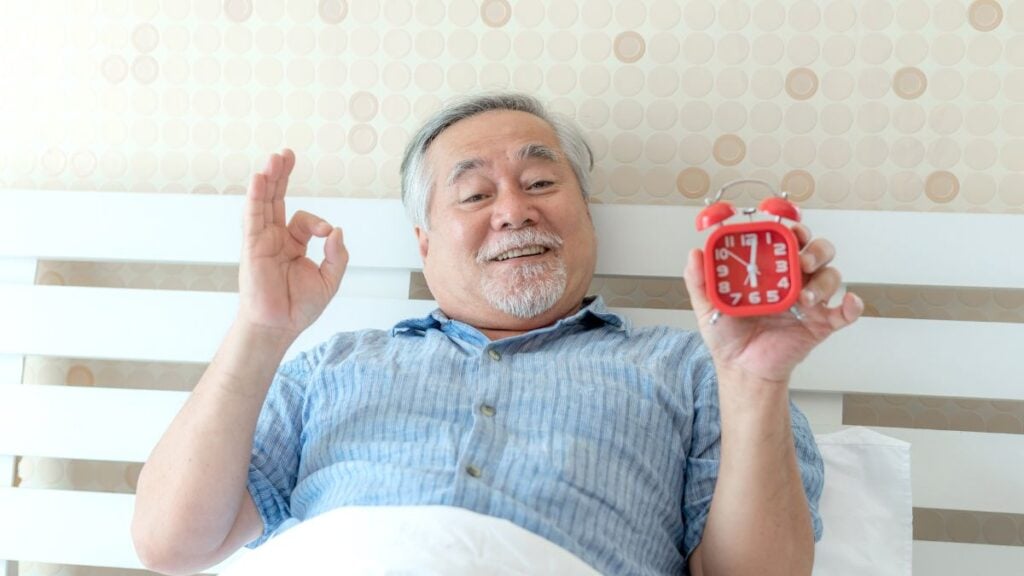
One of the first changes Austin explored was giving each morning a little direction. Instead of waking up and wondering how to fill another empty day, he began approaching retirement with a simple question: What would make today feel worthwhile?
That purpose did not have to involve anything impressive. Watering plants, preparing breakfast, walking around the neighborhood, or calling an old friend could provide enough structure to make the morning feel meaningful.
Retirement removes many routines that once came automatically with employment. There are no longer meetings to attend, deadlines to meet, or coworkers expecting someone to arrive at a certain hour.
Without replacing some of that structure, the days can begin blending together. Austin’s approach was to create a gentle morning routine that offered direction without making retirement feel like another full-time job.
The lesson: A good retirement morning does not need to be busy. It simply needs something worth getting up for.
2. He Made Daily Movement Part of His Normal Life

Austin’s second habit focused on moving his body regularly rather than treating exercise as an occasional project. A short walk, light gardening, household chores, or gentle stretching could all contribute to a more active day.
The goal was not to regain the strength or speed of someone in their forties. It was to protect the ability to make everyday choices without allowing physical limitations to control more of his life than necessary.
Mobility affects far more than physical fitness. Being able to shop, visit friends, prepare meals, and move comfortably around the house can help older adults maintain independence.
The CDC generally recommends that adults 65 and older aim for at least 150 minutes of moderate aerobic activity weekly, along with muscle strengthening and balance exercises. Those unable to meet the full recommendations can still benefit from activity suited to their abilities.
Austin’s practical approach was to make movement a regular part of daily living. Some days might involve longer walks, while others called for gentle exercises or activities that could be done while seated.
The lesson: Staying active is not about proving how young someone still feels. It is about protecting the freedom to keep participating in everyday life.
3. He Kept His Home Comfortable Instead of Trying to Make It Impressive

Austin began viewing his home differently. Rather than judging it by its size, market value, or appearance, he focused on whether it supported a comfortable and manageable daily life.
A house can look impressive but become exhausting when repairs, stairs, maintenance costs, and clutter demand constant attention. A smaller apartment with predictable expenses and supportive neighbors may offer greater peace of mind.
He adopted the habit of giving his living space a little attention each day. Keeping walkways clear, putting things back where they belonged, and dealing with small maintenance concerns helped make the home easier to manage.
This was especially meaningful because housing security affects financial confidence and personal independence. A comfortable home should support someone’s lifestyle rather than become a source of daily worry.
Austin’s approach did not require expensive renovations or purchasing new furniture. It involved making ordinary living spaces safer, calmer, and easier to enjoy.
The lesson: A satisfying retirement home is not necessarily the biggest or most expensive one. It is the place where everyday life feels safe, manageable, and comfortable.
4. He Reached Out to One Person Instead of Waiting for Someone to Call

One of the most meaningful habits Austin adopted was making regular contact with people he cared about. A short phone conversation, friendly message, or invitation for coffee could turn an ordinary afternoon into something more enjoyable.
Retirement often removes the casual social contact that employment provides. Conversations with coworkers, lunch breaks, and daily interactions disappear, sometimes without retirees realizing how much they mattered.
Austin’s approach was to become more intentional about maintaining relationships. Instead of assuming old friends would call eventually, he made the effort to reach out and keep conversations going.
The National Institute on Aging distinguishes between social isolation and loneliness. Someone can live alone and feel connected, while another person may have a large family and still experience loneliness.
This makes the quality of relationships more meaningful than the number of people in an address book. One dependable friend who listens and genuinely cares can offer more comfort than dozens of distant acquaintances.
The lesson: Friendship after retirement often requires deliberate attention. Small, consistent efforts can help important relationships remain strong.
5. He Focused on Meaningful Family Time Without Forcing Relationships

Austin also looked at how family relationships affected daily happiness. Rather than measuring connection by the number of children, grandchildren, or relatives someone had, he focused on whether those relationships felt supportive.
A short conversation with an adult child can be deeply satisfying when the call happens simply because both people want to talk. Shared meals, familiar stories, and ordinary moments together may become more meaningful with age.
However, Austin’s approach also recognized that family relationships are not always simple. Some retirees have limited contact with relatives, while others have never had children or have experienced painful family losses.
That is why chosen family matters. Trusted neighbors, longtime friends, former coworkers, and community members can provide belonging and emotional support.
The habit was to make room for connection without placing unreasonable expectations on other people. Healthy relationships often work best when both sides feel respected rather than pressured.
The lesson: Retirement happiness is not determined by family size. What matters is having people with whom someone feels valued, accepted, and connected.
6. He Checked His Spending Without Letting Money Control His Entire Day

Austin recognized that financial security contributes to retirement comfort, but he also understood that obsessing over every dollar can reduce the enjoyment money is supposed to support.
His approach involved developing a simple habit of paying attention to expenses and making thoughtful spending decisions. The goal was to protect financial stability while still leaving room for ordinary pleasures.
Some retirees have substantial savings but worry constantly about spending. Others live on modest incomes yet feel relatively comfortable because their housing costs are manageable, debts are limited, and monthly expenses remain predictable.
The Consumer Financial Protection Bureau describes financial well-being in terms of meeting obligations, absorbing financial surprises, staying on track with goals, and having freedom to make choices.
Austin’s approach reflected that broader definition. A comfortable retirement budget should make everyday life more predictable without requiring someone to deny themselves every enjoyable experience.
He also considered how small choices could reduce future stress. Reviewing subscriptions, preparing meals at home, planning purchases, and setting aside emergency savings were ways to protect his financial breathing room.
The lesson: Financial peace is not simply having more money. It is knowing what is affordable and having enough control to make spending decisions with confidence.
How Small Habits Can Support Retirement Happiness
| Daily Habit | What It Supports | Simple Example |
|---|---|---|
| Morning routine | Purpose and structure | Plan one meaningful activity |
| Regular movement | Mobility and independence | Take a comfortable walk |
| Home care | Safety and peace of mind | Clear clutter and check walkways |
| Social contact | Friendship and belonging | Call someone you care about |
| Family connection | Emotional support | Share a meal or conversation |
| Spending awareness | Financial confidence | Review purchases and upcoming bills |
These habits do not guarantee happiness, and someone does not need to practice every one perfectly. Their value comes from making everyday life feel a little more manageable and connected.
7. He Made Himself Useful Without Returning to a Full-Time Job
Austin explored an important question that many retirees eventually face: What happens when a career no longer provides a sense of achievement?
For decades, employment may have offered clear responsibilities and measurable progress. Retirement can remove that structure overnight, leaving some people searching for another way to feel useful.
His approach was to find meaningful activities that did not require a paycheck or formal position. Helping a neighbor, mentoring someone younger, caring for a pet, or participating in community activities could all create a sense of contribution.
Purpose also does not have to involve serving other people. Gardening, woodworking, cooking, writing, and maintaining a home can provide personal satisfaction and a feeling of accomplishment.
Austin’s focus was on participating in something that made the day feel worthwhile. A small commitment that mattered to him could be more rewarding than filling the calendar with activities he did not enjoy.
Research has found associations between a greater sense of purpose and several measures of well-being in older adults. Those findings do not mean every retiree needs the same activities to experience a meaningful life.
The lesson: Retirement does not end someone’s ability to contribute. It offers an opportunity to decide what kind of contribution feels personally rewarding.
8. He Protected His Freedom to Make Everyday Decisions

Austin came to appreciate something many people overlook until it begins disappearing: the freedom to make ordinary choices.
Choosing when to wake up, what to eat, where to go, and whom to visit may seem insignificant. Yet these decisions represent a level of personal control that can strongly influence how retirement feels.
That freedom can gradually shrink because of mobility problems, financial pressure, transportation difficulties, or changing family circumstances. Austin’s approach was to protect independence by making practical adjustments when needed.
Accepting help was not considered a failure. Using grocery delivery, arranging transportation, installing grab bars, or asking for assistance with difficult tasks could make it possible to continue living more independently.
The important distinction was between doing everything alone and remaining involved in decisions about one’s own life. Someone can receive substantial support while still maintaining personal autonomy.
Austin’s daily habit was to make conscious choices about how he used his time and resources. Rather than allowing every day to be determined by other people’s expectations, he gave his own preferences proper consideration.
The lesson: Independence is not refusing assistance. It is maintaining as much control as possible over how everyday life is lived.
9. He Kept Learning Something Instead of Settling Into the Same Routine

Retirement can provide something working adults often struggle to find: time for interests that have little to do with earning money.
Austin explored the habit of staying curious. Reading, trying new recipes, learning about gardening, practicing a musical instrument, or joining a local class could provide mental engagement and personal enjoyment.
Learning did not need to involve formal education or difficult subjects. Even discovering a new walking route, preparing an unfamiliar meal, or learning how to use a helpful phone feature offered opportunities to try something different.
The value came partly from the experience of making progress. Someone who learns to grow tomatoes, repair a household item, or understand a new technology can enjoy the satisfaction of gaining another useful skill.
Learning may also create opportunities for social interaction. Community classes, hobby groups, libraries, and volunteer activities can bring people together around shared interests.
Austin’s approach was to avoid treating retirement as a period when personal development had to stop. His goal was to keep a little curiosity alive without making every activity feel like an obligation.
The lesson: Retirement can remain interesting when people continue discovering things they enjoy. Curiosity gives ordinary weeks something fresh to offer.
10. He Created a Weekly Rhythm Without Filling Every Hour

Austin learned that a satisfying retirement does not require a packed schedule. Too many commitments can create the same exhaustion people hoped to escape when they stopped working.
At the same time, completely unstructured days can become repetitive. Without regular activities, it may become difficult to distinguish one week from another.
His solution was to create a weekly rhythm built around a few dependable activities. Regular exercise, time with friends, household tasks, hobbies, and quiet days could each have a comfortable place.
The purpose was to give the week structure without making it rigid. If a friend called unexpectedly or a beautiful afternoon encouraged an outdoor visit, there was room to change plans.
That balance helped protect two important retirement benefits: having a reason to participate in life and having the freedom to decide how much activity felt right.
Austin also recognized that everyone’s ideal schedule would be different. Some retirees enjoy busy community calendars, while others feel happier with a few meaningful commitments and plenty of quiet time.
The lesson: Retirement works better when routine and freedom support each other. Enough structure gives the week direction, while flexibility makes it enjoyable.
A Sample Weekly Routine for a More Connected Retirement
| Day | Main Activity | Personal Benefit |
|---|---|---|
| Monday | Walking and household planning | Movement and organization |
| Tuesday | Coffee or a call with a friend | Social connection |
| Wednesday | Gardening, reading, or learning | Purpose and curiosity |
| Thursday | Volunteering or helping someone | Contribution and belonging |
| Friday | Reviewing finances and errands | Security and confidence |
| Saturday | Family or community time | Relationships and enjoyment |
| Sunday | Rest and planning something enjoyable | Recovery and anticipation |
This is only an example, not a schedule every retiree should follow. The most useful routine is one that suits personal interests, health, responsibilities, and energy levels.
11. He Ended Each Day With Something to Look Forward To

The final habit focused on keeping a sense of anticipation alive. Austin explored the simple practice of identifying something enjoyable ahead, even when the next few days contained no major plans.
It might be meeting a friend, reading another chapter of a good book, watching a favorite sporting event, or preparing a meal with family. These small plans gave ordinary days something to move toward.
During working years, the calendar often fills automatically with deadlines, vacations, meetings, and annual goals. Retirement removes many of those milestones, making it useful to create new ones that feel personally meaningful.
Austin’s approach also included noticing what had gone well during the day. A pleasant conversation, time outdoors, or finishing a difficult task could deserve appreciation even when nothing extraordinary happened.
This was not about ignoring disappointment, illness, grief, or financial difficulties. Those experiences remain real, and positive thinking cannot eliminate them.
Instead, the habit encouraged attention to the enjoyable parts of everyday life while leaving space for difficult emotions. Planning one pleasant activity could help make tomorrow feel more inviting.
The lesson: Happiness in retirement is not only about remembering a good past. It is also about having something, however small, to look forward to in the future.
What Changed After 18 Months of Practicing These Habits?
Austin’s story points toward an important distinction between having enough resources for retirement and knowing how to enjoy them.
Financial security matters, but money alone cannot create close friendships, meaningful daily activities, physical independence, or a sense of belonging. Those parts of retirement often require attention long after someone stops working.
The 11 habits can be grouped into four foundations that support a more satisfying daily life.
| Retirement Foundation | Habits That Support It | What May Improve |
|---|---|---|
| Physical well-being | Movement, home care, healthy routines | Daily comfort and independence |
| Emotional well-being | Friendship, family connection, anticipation | Belonging and enjoyment |
| Personal purpose | Morning direction, learning, contribution | Motivation and satisfaction |
| Everyday security | Spending awareness, personal choice, weekly structure | Confidence and peace of mind |
The biggest insight is not that following a fixed list will transform every retirement. It is that repeated actions can strengthen areas of life that make later years feel more secure, connected, and meaningful.
Austin’s approach also challenges the idea that happiness must come from major achievements. A comfortable morning, an enjoyable conversation, and the freedom to choose how the afternoon unfolds can all have real value.