Retirement is supposed to bring freedom, but for some people, the excitement slowly fades. Days begin looking alike, friendships become harder to maintain, and the energy that once carried them through busy workweeks seems to disappear.
What makes this difficult is that money isn’t always the problem. Some retirees have comfortable savings and stable homes but still struggle to find a reason to get excited about tomorrow.
Fortunately, rebuilding an enjoyable retirement doesn’t always require expensive travel, new hobbies, or major lifestyle changes. These 13 low-cost activities offer practical ways to bring more movement, friendship, purpose, and enjoyment into everyday life.
Why Retirement Can Feel Exhausting Even Without a Job

Working for decades creates a routine that people rarely notice until it disappears. There are meetings to attend, people expecting answers, problems to solve, and a reason to leave the house.
Retirement removes much of that structure almost overnight. While the freedom can feel wonderful initially, some older adults eventually miss the social contact and sense of accomplishment that came with working.
The National Institute on Aging recognizes that meaningful activities, friendships, learning, and community involvement can support well-being in later life. These activities give retirees ways to remain connected without returning to demanding work schedules.
Still, no single activity works for everyone. The following ideas are practical options, not the results of a verified four-year experiment or a promise that everyone will experience the same improvement.
| What Often Disappears After Retirement | Affordable Way to Replace It |
|---|---|
| Daily conversations with coworkers | Walking groups and weekly coffee visits |
| Regular responsibilities | Volunteering and small household projects |
| Physical movement during the workday | Walking, gardening, and home exercises |
| Opportunities to learn | Libraries and free community classes |
| A predictable weekly schedule | Regular activities with flexible timing |
| Something exciting on the calendar | Small outings and future plans |
The goal isn’t to make retirement as busy as working life. It’s to create enough structure that each week contains something useful, enjoyable, or meaningful.
1. A Simple Morning Walk Gives the Day a Better Start

One of the easiest ways to add movement after retirement is to establish a regular walking routine. It doesn’t require a gym membership, special equipment, or an expensive fitness program.
A short walk around the neighborhood can create a reason to get dressed, leave the house, and experience a change of scenery. Even ten minutes may feel more manageable than committing to a long workout.
The social benefit: Walking with a neighbor or friend adds conversation to the activity. Having someone expecting them can also make it easier for retirees to maintain a routine.
For someone with limited mobility, the activity might involve walking indoors, using a mobility aid, or completing a suitable seated exercise routine. The important part is choosing movement that matches current abilities.
The CDC recommends that adults 65 and older aim for 150 minutes of moderate aerobic activity weekly, along with strengthening and balance activities. Those unable to meet the full target can still benefit from doing what their abilities safely allow.
Walking won’t solve every retirement problem. But it can become a dependable morning habit that combines movement, fresh air, and a sense of accomplishment.
2. Weekly Coffee Gatherings Bring Old Friendships Back to Life

Many retirees underestimate how much casual conversation they experienced at work. A few minutes chatting with colleagues, discussing weekend plans, or sharing a laugh helped create a feeling of connection.
When those interactions disappear, loneliness can develop gradually. Someone might go several days without having a meaningful conversation outside the household.
A weekly coffee gathering offers an affordable way to rebuild that connection. It can happen at someone’s kitchen table, in a community room, or at a neighborhood café.
Keep the cost low: Hosting rotating coffee mornings allows everyone to participate without repeatedly spending money. Each person can bring something simple, such as tea, fruit, or homemade snacks.
The gathering doesn’t need an agenda or organized entertainment. Sometimes talking about ordinary experiences is enough to make the week feel less isolated.
Regular contact also makes it easier to notice when a friend needs support. A familiar group may recognize changes in someone’s mood, health, or daily routine that would otherwise go unnoticed.
3. Volunteering a Few Hours Restores a Sense of Being Needed

One difficult part of retirement is losing the feeling that other people depend on your contributions. Work provides responsibilities, deadlines, and opportunities to solve problems.
Volunteering can replace some of that sense of purpose without requiring a full-time commitment. A few hours helping at a food pantry, library, school, or community organization may create a welcome reason to leave home.
Older adults often bring decades of useful experience to volunteer roles. Someone who worked in accounting might help a community organization, while a former teacher may enjoy supporting children’s reading activities.
A practical starting point: Choosing one regular shift every week or two is often more manageable than accepting several responsibilities immediately. The activity should fit the retiree’s interests, energy, and transportation options.
Volunteering can also introduce people to friendships outside their former workplace. These new relationships matter because retirement often changes existing social circles.
The goal isn’t to become indispensable or take on unpaid work that causes stress. It’s to find a role that feels worthwhile while leaving plenty of time for rest and personal interests.
4. Gardening Provides Small Accomplishments That Build Over Time
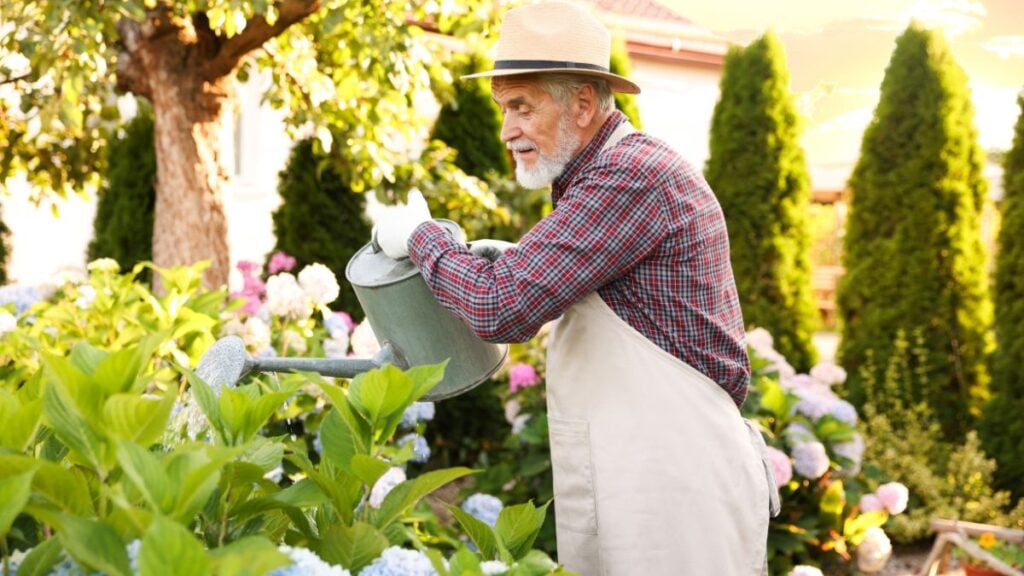
Gardening combines gentle physical activity with the pleasure of watching something grow. It also provides natural goals that change throughout the year.
Retirees don’t need a large backyard to enjoy it. A few containers on a balcony, herbs near a sunny window, or a shared community garden can provide a meaningful starting point.
Watering plants, checking new leaves, and preparing soil introduce simple responsibilities into the week. These activities give people visible progress that doesn’t depend on earning money or meeting workplace targets.
Budget idea: Growing herbs from seeds or exchanging plant cuttings with neighbors can keep expenses modest. Reusing suitable containers may reduce the need to buy new equipment.
Gardening also creates reasons to spend time outside and speak with neighbors. Someone growing tomatoes may find themselves exchanging advice, sharing extra produce, or joining a community gardening group.
For retirees dealing with arthritis or reduced mobility, raised planters and lightweight tools may make gardening more comfortable. Tasks can also be divided into short sessions rather than completed all at once.
The satisfaction comes from participation, not creating a perfect garden. Watching one small plant thrive can give an otherwise ordinary week something pleasant to anticipate.
5. Free Library Visits Turn Quiet Afternoons Into Something Interesting

Libraries offer far more than shelves of books. Many provide reading groups, educational talks, computer assistance, workshops, and community events at little or no cost.
For someone who spent decades learning new things at work, retirement can feel mentally repetitive. Library activities provide opportunities to explore interests without committing to expensive courses.
A retiree might borrow books about local history, attend a discussion group, or learn how to use a smartphone feature. These small experiences introduce variety into the week.
The overlooked benefit: Libraries provide a public place to spend time without the pressure to purchase anything. That can be especially valuable for people living on a fixed income.
Reading groups offer an additional social advantage. Members have something specific to discuss, which can make conversation easier for those uncomfortable attending large social events.
Not every library offers the same programs, and transportation may be a barrier. Digital borrowing services and virtual events can provide alternatives when available.
A regular library visit can become a weekly anchor. It creates a destination, introduces new ideas, and gives retirees something interesting to talk about afterward.
6. Gentle Strength and Balance Exercises Help Protect Independence
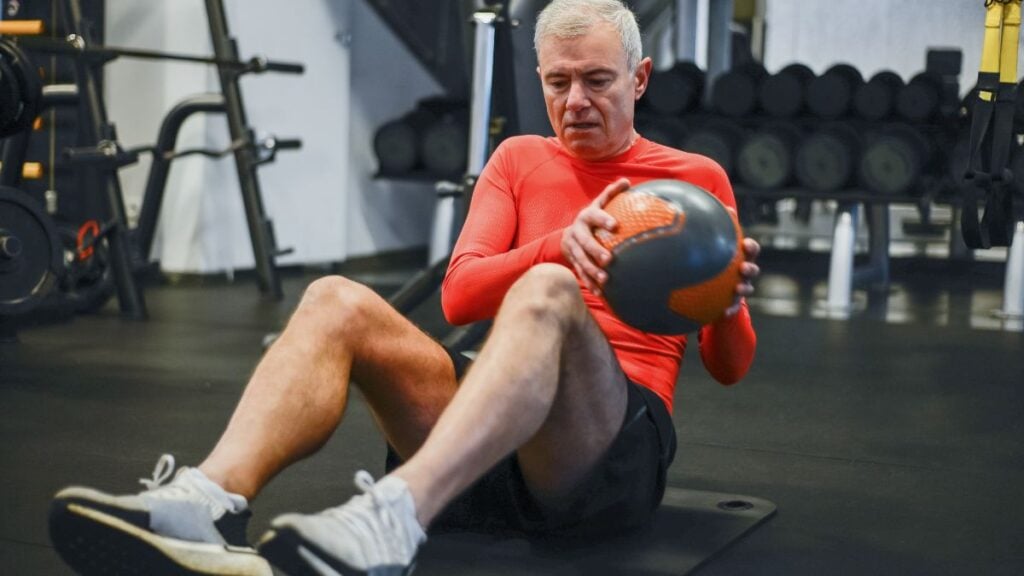
Retirement energy isn’t only about feeling cheerful. Physical strength and the ability to move comfortably can influence how much freedom someone has during ordinary activities.
Getting out of a chair, carrying groceries, climbing steps, and maintaining balance all require physical abilities that may change with age. Appropriate exercise can help preserve function.
Simple activities such as repeated chair stands, gentle resistance exercises, and supported balance practice may help older adults work on strength and stability. The exercises should match individual health needs and abilities.
An affordable approach: A sturdy chair and some open floor space may be enough for basic movements. Community centers also sometimes provide affordable exercise classes designed for older adults.
Balance exercises deserve particular attention because falls can threaten independence. People who feel unsteady should use appropriate support and seek professional guidance rather than attempting challenging movements alone.
| Activity | Main Purpose | Simple Starting Option |
|---|---|---|
| Chair stands | Leg strength | A few controlled repetitions |
| Wall push-ups | Upper-body strength | Gentle movements against a stable wall |
| Seated marching | Comfortable movement | Short seated sessions |
| Supported balance practice | Stability | Practice with secure support |
| Gentle stretching | Maintain comfortable movement | Slow, pain-free movements |
Safety reminder: People with significant balance difficulties, recent falls, or medical restrictions should ask a healthcare professional which exercises are appropriate. Stop activities that cause chest pain, faintness, or severe discomfort.
The purpose isn’t to regain the fitness level someone had at 40. It’s to maintain enough ability to keep participating in the activities they enjoy.
7. Cooking With Friends Makes Ordinary Meals More Enjoyable

Cooking can become repetitive when retirement means preparing the same meals for one or two people. For someone living alone, the effort involved may sometimes feel greater than the enjoyment.
Turning a meal into a shared activity changes the experience. Friends can prepare soup together, exchange recipes, or organize a simple monthly lunch.
The activity creates several opportunities for enjoyment. People can plan the menu, shop for ingredients, prepare food, and sit down together afterward.
Money-saving idea: A small cooking group can divide ingredients among members and prepare several portions at once. Everyone leaves with food and the benefit of spending time together.
Cooking may also help retirees maintain practical skills and confidence. Preparing a favorite family recipe or teaching someone else how to make it can provide a sense of accomplishment.
Those who have difficulty standing for long periods can use seated preparation stations or choose simple recipes. Shared meals can also happen when one person cooks and another contributes conversation or cleanup.
The food doesn’t need to be elaborate. A pot of soup and an enjoyable afternoon with a friend may provide more satisfaction than an expensive restaurant outing.
8. Dancing to Favorite Music Makes Movement Feel Like Fun
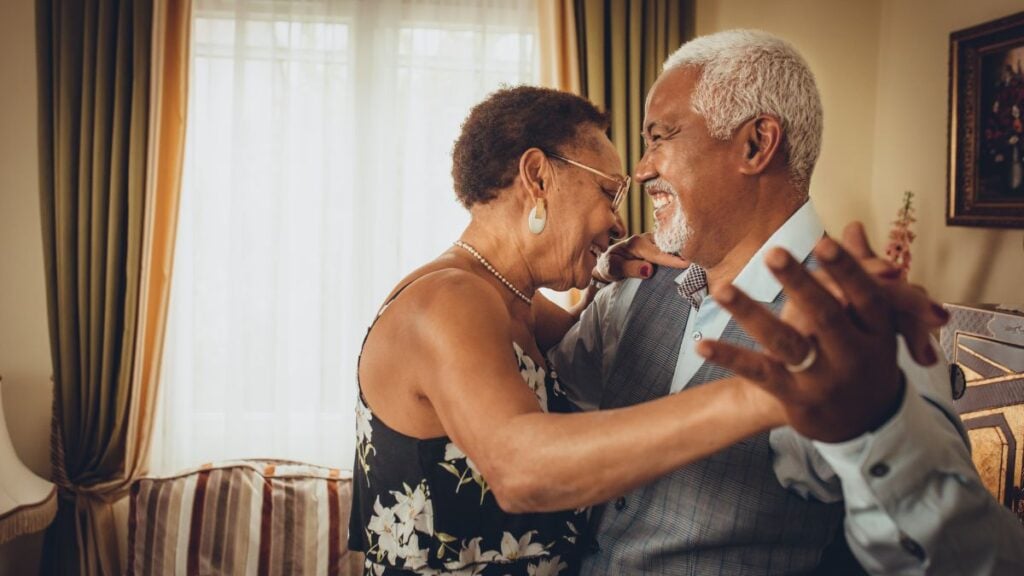
Not every physical activity needs to feel like exercise. Music can make movement enjoyable for people who dislike formal workout routines.
A retiree might play songs from their younger years and dance gently around the living room. Others may prefer a community dance class or a relaxed gathering with friends.
Music can also bring back memories associated with meaningful people and experiences. Familiar songs may encourage conversation, laughter, and shared stories.
Start at home: A free music playlist or a collection of favorite recordings is enough. Those with limited mobility can enjoy rhythmic seated movement or simply listen and sing along.
Group dancing adds social contact to physical activity. People may meet neighbors, learn new steps, and have something enjoyable to practice between gatherings.
However, dancing isn’t suitable for every physical condition. People with serious balance problems can choose safer movements or ask a physical therapist about appropriate options.
The larger lesson is that enjoyable movement may be easier to repeat. An activity that feels like entertainment can become a regular habit without the pressure of a formal fitness goal.
9. Learning One New Skill Brings Back a Sense of Progress

Retirement can leave people wondering whether their most productive years are behind them. Learning a skill offers a practical way to challenge that belief.
The skill doesn’t need to be impressive or profitable. It could involve photography, basic computer use, a new language, drawing, sewing, or playing a musical instrument.
Free online lessons, library materials, and community workshops make many subjects accessible. Retirees can explore several interests before deciding which deserves more attention.
Try a small project: Instead of committing to a long course, someone interested in photography might learn one camera feature each week. A person learning a language could begin with a few useful phrases.
Progress becomes easier to recognize when goals are specific. Completing a drawing, finishing a small sewing project, or learning a song creates something tangible to appreciate.
Learning with another person may be even more enjoyable. Friends can compare progress, exchange advice, and encourage one another when the activity becomes difficult.
No retiree needs to prove anything through these hobbies. The value lies in curiosity, enjoyment, and discovering that new experiences remain possible.
10. Card Games and Puzzle Nights Create Affordable Social Traditions
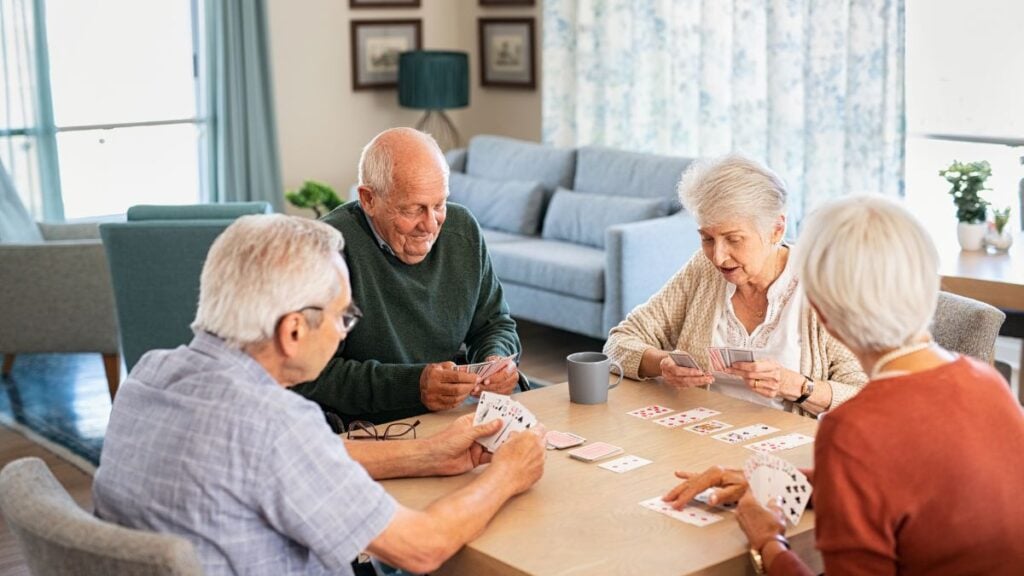
A regular game night can give friends something to anticipate without requiring expensive entertainment. Playing cards, dominoes, board games, and cooperative puzzles are familiar options.
Games also provide an easy setting for conversation. People can laugh about mistakes, discuss strategies, and share stories between turns.
Some retirees enjoy competitive games, while others prefer a relaxed atmosphere. Choosing activities that match the group matters more than selecting the most challenging game.
Keep gatherings simple: Rotate homes, use games already owned by group members, and offer inexpensive refreshments. Community centers may also have games available for visitors.
For people who find large gatherings overwhelming, a small group of two or three friends may be more comfortable. Phone or online games can provide an alternative when meeting in person is difficult.
Games are enjoyable forms of mental and social engagement, but they shouldn’t be treated as proven protection against dementia. Their immediate value is providing companionship, interest, and a pleasant way to spend time.
A monthly game night can quickly become a dependable part of retirement life. That regular invitation may be especially meaningful for someone who rarely receives spontaneous social visits.
11. Small Home Projects Restore a Feeling of Control
A home that feels safe, comfortable, and manageable can make retirement easier. However, large renovations often cost more than retirees want to spend.
Small projects offer another option. Organizing a cluttered drawer, improving lighting, rearranging a seating area, or creating a comfortable reading corner can make daily life more pleasant.
The work provides a specific goal with a visible result. Finishing even a modest task may create satisfaction that is missing from days without clear responsibilities.
Choose useful improvements: Focus on changes that make frequently used areas easier to manage. Removing clutter from walkways or placing everyday items within comfortable reach may be more valuable than buying new decorations.
Some projects can support independence as physical needs change. Better lighting, secure handrails, and easier access to household essentials may make familiar spaces more usable.
Safety matters when choosing tasks. Retirees should avoid climbing unstable ladders, lifting heavy furniture, or attempting electrical repairs without qualified help.
A useful project doesn’t need to transform the entire house. Making one small part of daily life more comfortable can be a worthwhile achievement.
12. Nature Walks and Birdwatching Make Ordinary Outings More Interesting

Spending time outdoors doesn’t need to involve a vacation, hiking trip, or paid attraction. A nearby park, accessible trail, or quiet public garden may offer plenty to enjoy.
Birdwatching provides a simple purpose for these outings. Retirees can notice familiar birds, observe seasonal changes, and learn to recognize different calls.
The activity can be enjoyed alone or with a companion. Some communities also have nature groups that organize free or inexpensive outings.
Budget-friendly approach: Begin without buying binoculars or specialty equipment. A notebook, comfortable clothing, and access to a safe outdoor space may be enough.
For retirees who once traveled frequently, local nature activities can provide new experiences closer to home. The same park may look different throughout the year as flowers bloom, birds migrate, and seasons change.
People with limited mobility can participate from a porch, window, accessible garden, or park bench. The activity can be adapted to make observation rather than distance the main goal.
Nature outings also create small things to look forward to. Seeing the first spring flowers or recognizing a returning bird can make familiar surroundings feel interesting again.
13. Planning One Enjoyable Event Each Week Gives the Future Some Shape

One of the hardest adjustments after retirement is losing the anticipation that came with work schedules, holidays, and planned days off. When every day feels available, there may be fewer reasons to look forward to a particular morning.
Creating one modest weekly plan can restore that feeling. The event might be lunch with a friend, a visit to a local market, a library program, or an afternoon with grandchildren.
The event doesn’t need to cost money. What matters is having something personally meaningful written on the calendar.
A simple habit: Every Sunday, choose one enjoyable activity for the coming week. Make arrangements early enough that the plan has a reasonable chance of happening.
Planning also encourages retirees to maintain relationships. Inviting someone for tea or suggesting a shared walk turns a vague intention into a real commitment.
At the same time, the calendar shouldn’t become crowded with obligations. Retirement still needs room for rest, quiet afternoons, and changes of mind.
A healthy routine balances planned activities with personal freedom. Having something to anticipate is useful, but every day doesn’t need a scheduled event to be worthwhile.
How Much Do These Retirement Activities Really Cost?
The financial advantage of these activities is their flexibility. Many can be done with items already at home or through community services that are free or inexpensive.
Costs depend on location, transportation, available facilities, and individual preferences. The estimates below are illustrative starting budgets rather than guaranteed prices.
| Activity | Possible Starting Cost | Main Benefit |
|---|---|---|
| Neighborhood walking | $0 | Movement and routine |
| Coffee with friends at home | $0–$5 | Social connection |
| Volunteering | $0 plus possible travel | Purpose and belonging |
| Container gardening | $5–$20 to start | Enjoyment and accomplishment |
| Library visits | Often free | Learning and social activity |
| Home strength exercises | $0 | Physical function |
| Shared home cooking | Regular grocery costs | Companionship and practical skills |
| Dancing at home | $0 | Enjoyable movement |
| Learning a new skill | $0 with free resources | Curiosity and progress |
| Card games | $0 using existing games | Friendship and entertainment |
| Small home projects | $0–$15 for simple tasks | Comfort and independence |
| Birdwatching | $0 | Outdoor enjoyment |
| Weekly plans | $0 and up | Something to anticipate |
Some activities may involve additional spending, particularly when transportation, supplies, or paid classes are needed. Retirees can select options that fit their own budgets rather than trying to complete every activity.
The most useful routine isn’t necessarily the one with the lowest possible price. It’s the one that offers meaningful enjoyment without creating financial pressure.

Marvin is an expert in farming equipment with a strong background in agricultural engineering. He graduated from Kansas State College of Agriculture, where he received a degree in Agricultural Engineering and specialized in farm equipment design and maintenance.