Owning a home after 60 can bring a wonderful sense of security. You may have spent decades making mortgage payments, improving the property, and building something you hope to leave behind.
But owning the house does not automatically protect it from legal problems when illness, incapacity, or death changes your family’s circumstances.
Without the right documents, loved ones may struggle to manage bills, make decisions, or establish who should inherit the property. Some situations require court involvement, while others can lead to unnecessary delays and expenses.
These 7 documents can help protect your home, preserve your choices, and make difficult situations easier for the people you trust. The best time to prepare them is while you can still make decisions and clearly explain your wishes.
Why Homeowners Over 60 Should Review Their Paperwork Now

A paid-off mortgage is a major financial achievement, but it is not the same as having a complete estate plan. The house still has an ownership record, property taxes, insurance requirements, and possible legal obligations.
If something happens to you, your family may need proof of ownership, authority to manage financial matters, or instructions about how the property should be handled. Having these details in writing can prevent avoidable confusion.
The National Institute on Aging recommends organizing important legal and financial records before an emergency. Its guidance includes wills, trusts, financial powers of attorney, homeownership records, and health care directives.
One important distinction is that not all seven documents are filed with a government office. Some must be signed and witnessed, certain property documents may need recording, and others should be stored securely where authorized people can find them.
The exact requirements depend on your state, your ownership arrangement, and your family’s circumstances. Here are the seven documents worth reviewing.
1. Your Property Deed and Current Ownership Records

Your property deed is one of the first documents to review because it establishes the legal ownership arrangement for your home.
Many homeowners assume the original deed they received years ago still tells the whole story. However, marriages, divorces, deaths, trusts, and past property transfers can affect who legally owns the house.
It is worth checking the current recorded deed rather than relying only on an old copy. Your county recorder or appropriate local land records office can generally help you obtain the recorded document.
Why the Names on the Deed Matter
Suppose a married couple purchased a home 30 years ago. One spouse later died, but the surviving spouse never checked whether additional paperwork was needed to establish the surviving owner’s title.
The ownership arrangement might provide automatic survivorship rights, or the situation might require additional legal steps. The answer depends on how the property was titled and the applicable state law.
A home owned by one person, a married couple, joint tenants, or a trust may transfer differently after death. That is why the exact wording of the ownership record matters.
What to check: Confirm the names of the current owners, the legal form of ownership, and whether any old ownership issues need correction.
Keep a copy of the recorded deed with your estate planning papers. If you discover an error, consult a qualified real estate or estate planning attorney rather than preparing a new deed without advice.
2. A Last Will and Testament That Clearly Addresses the Home
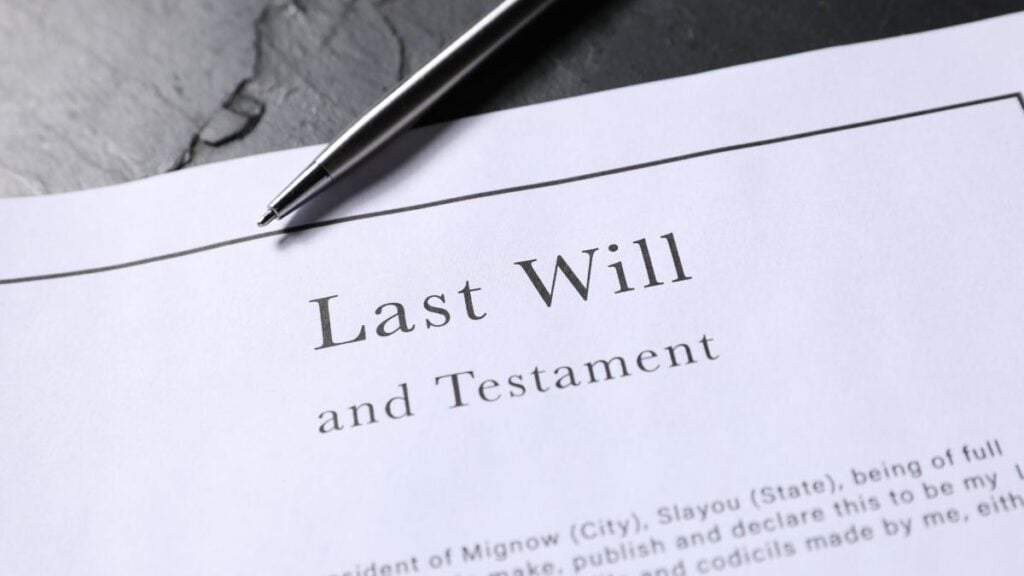
A last will and testament explains how you want qualifying property distributed after your death. It can also identify the executor responsible for handling your estate.
Without a valid will, state intestacy laws generally determine who inherits property that does not pass through another legal arrangement. Those rules may not produce the result you would have chosen.
For homeowners, a will provides a place to explain who should receive the home or the proceeds from its sale. It can also address personal belongings and other assets that have no separate beneficiary arrangements.
A Will Does Not Always Keep the House Out of Probate
A common misunderstanding is that writing a will automatically prevents probate. In reality, property passing through a will may still require administration through the applicable court process.
Some homes pass outside probate because of survivorship ownership, a properly funded trust, or another state-recognized transfer arrangement. A will remains valuable for property that does not transfer through those methods.
Estate planning professionals generally recommend reviewing deeds, existing estate documents, debts, and account beneficiaries when preparing a will. This helps identify which assets the will actually controls.
What to include: Identify your intended beneficiaries, choose a trustworthy executor, and arrange for an alternate executor if the first person cannot serve.
Make sure the will meets your state’s signing and witness requirements. Keep the original in an appropriate secure place and tell your executor how to locate it.
3. A Durable Financial Power of Attorney

This may be one of the most useful documents to prepare while you are still healthy and independent.
A durable financial power of attorney allows you to name a trusted person to handle specified financial matters on your behalf. Depending on its wording and state law, that may include managing bills, taxes, banking, insurance, and property transactions.
Consider what could happen if you experienced a serious illness and could not handle financial decisions for several months. Your mortgage or property tax payments might still be due, even if you were unable to manage them yourself.
Why Ordinary Family Relationships May Not Be Enough
Being someone’s adult child does not automatically give that person authority to manage the parent’s property or bank accounts. Even a spouse may encounter limits when dealing with separately owned assets.
Without proper authorization, a family may need to seek a court-appointed guardian or conservator for certain decisions. A properly prepared financial power of attorney can sometimes help avoid that situation.
The Consumer Financial Protection Bureau explains that a durable power of attorney can remain effective after the person granting it becomes incapacitated. It also warns that this authority should be given only to someone trustworthy.
A key detail is when the authority begins. Some powers of attorney take effect immediately, while others become effective only after specified conditions are met.
Before signing, ask an attorney whether your agent should have authority to manage, sell, refinance, or transfer real estate, and whether separate signing or recording requirements apply.
What to do: Name a reliable primary agent, consider a backup, and define the powers you want to grant. Review the document carefully because broad financial authority can be misused.
4. A Revocable Living Trust for the Home, When Appropriate

A revocable living trust can help organize the management and transfer of property during your lifetime and after your death.
In a common arrangement, you establish the trust, serve as its initial trustee, and retain control of the assets placed in it. You also name a successor trustee who can act according to the trust terms when needed.
For a homeowner, a properly structured and funded trust may allow the property to pass to beneficiaries without going through ordinary probate proceedings.
But creating a trust agreement is only part of the process. The home’s ownership generally must be properly transferred into the trust for it to work as intended.
When a Trust May Be Worth Considering
A living trust may be useful if you own property in multiple states, want to plan for future incapacity, or prefer an arrangement that can simplify management of certain assets.
For example, a homeowner might want a successor trustee to maintain the property, pay expenses, and eventually distribute it according to detailed instructions. A trust can provide a framework for those responsibilities.
However, trusts are not necessary for every homeowner. They can involve legal fees, additional paperwork, and ongoing recordkeeping.
Depending on the state, a transfer-on-death deed or another ownership arrangement may offer a simpler way to transfer a home after death.
A standard revocable trust is also not a guaranteed way to avoid creditors, estate recovery, or taxes. Medicaid estate recovery rules, for example, can apply to certain benefits and assets, including some trust arrangements.
What to do: Ask an estate planning attorney whether a trust makes financial and practical sense for your circumstances. If you establish one, verify that the necessary asset transfers have actually been completed.
5. A Health Care Power of Attorney

Your home is an important financial asset, but protecting your ability to make decisions is just as important.
A health care power of attorney allows you to appoint someone who can make medical decisions if you become unable to communicate or decide for yourself. Depending on the state, the person may be called a health care agent, proxy, or representative.
This document is different from a financial power of attorney. Someone authorized to pay your property taxes or manage your bank accounts does not automatically have authority to make medical decisions.
Choosing the Right Person Can Prevent Family Conflicts
Consider two adult children disagreeing over medical treatment while their parent is hospitalized. If no health care decision-maker has been properly designated, the disagreement may become more difficult to resolve.
Naming a trusted person in advance can help clarify who should speak for you. The National Institute on Aging recommends choosing someone who understands your values and is willing to follow your preferences.
You can generally name an alternate person in case your first choice is unavailable. Your agent should understand your medical wishes before an emergency occurs.
This matters for homeowners who hope to remain in their own homes as long as practical. Medical decisions about treatment, rehabilitation, and care arrangements can affect whether returning home is possible.
What to do: Choose a person you trust, discuss your preferences, and complete your state’s required form.
Make sure your health care providers and appointed agent can access the signed document when needed. Some states require witnesses, notarization, or other formalities.
6. A Living Will or Written Advance Health Care Directive
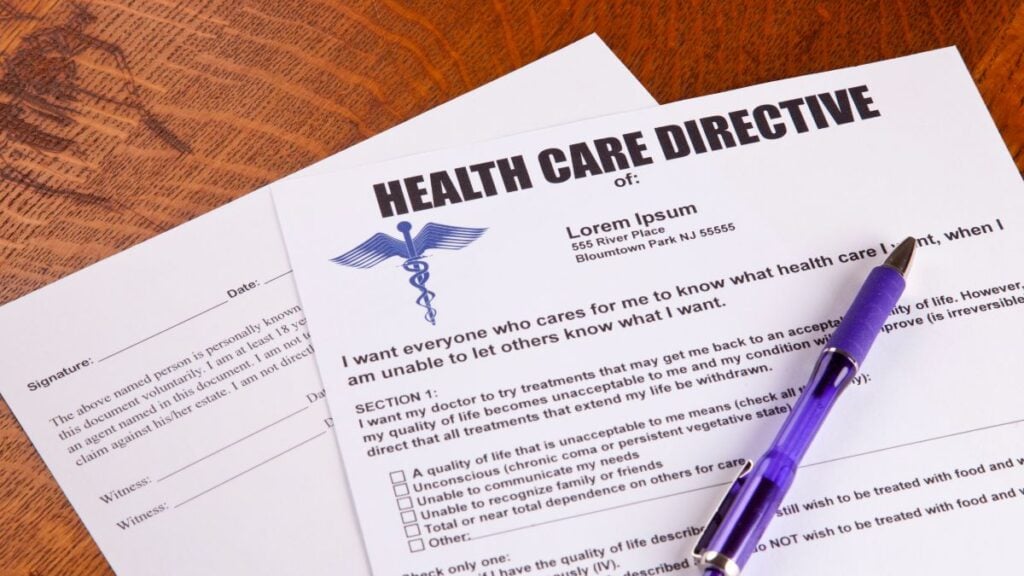
A living will explains your preferences for certain medical treatments when you cannot make or communicate those decisions yourself.
Although the names sound similar, a living will and a last will and testament serve completely different purposes. One concerns future medical treatment, while the other concerns the handling of your estate after death.
A living will may address life-sustaining treatment, resuscitation, artificial nutrition, and other decisions involving serious medical conditions. The available choices and when the document applies depend on state law.
Why Written Instructions Are Better Than Assumptions
Family members often believe they know what a loved one would want during a medical emergency. However, people can have very different views about treatments, comfort, independence, and quality of life.
Putting your preferences in writing gives health care professionals and trusted family members clearer guidance. It can also reduce the pressure on loved ones who might otherwise have to make difficult decisions without knowing your wishes.
The National Institute on Aging explains that living wills and health care powers of attorney are common forms of advance directives. Some states combine these instructions in one document.
A living will does not replace a health care agent in every situation. Unexpected medical circumstances may require decisions that your written instructions do not specifically address.
What to do: Discuss your preferences with your doctor, complete the appropriate state form, and provide copies to your health care agent.
You may also want to review medical information-sharing permissions with your providers. A separate HIPAA authorization can sometimes help clarify who may receive information, although federal law already permits certain disclosures to people involved in your care without written authorization.
7. Updated Beneficiary Designations and Transfer Instructions

The final document category is easy to overlook because it often involves paperwork completed many years ago.
Beneficiary designations tell a financial institution or plan administrator who should receive certain assets after your death. They commonly apply to retirement accounts, life insurance policies, and accounts with payable-on-death or transfer-on-death arrangements.
These designations can operate separately from your will. That means an old beneficiary instruction may produce a result you no longer want.
One Outdated Name Can Change the Outcome
Suppose a homeowner updated a will after a divorce but forgot to change the beneficiary listed on an old retirement account. Depending on the account, governing law, and plan terms, the earlier designation might still control who receives the money.
This can create an outcome that conflicts with the person’s newer estate planning goals. A beneficiary review is therefore an important part of protecting a surviving spouse or intended heirs.
Beneficiary designations can transfer certain assets outside probate. However, a will is still valuable for property that does not pass through those arrangements.
For homeowners, account beneficiaries matter because savings or insurance proceeds may be needed to pay property expenses after death. However, naming a beneficiary on a bank account does not automatically transfer ownership of the house.
What to do: Contact each retirement plan, insurer, and financial institution to confirm your current beneficiaries and update them when appropriate.
Check whether you have named contingent beneficiaries as backups. If you are considering a transfer-on-death deed for your home, obtain legal advice about your state’s requirements before signing or recording one.
At a Glance: What These 7 Documents Actually Protect
Not every homeowner needs every arrangement in exactly the same form. This table shows the purpose of each document and why it may matter.
| Document | Main Purpose | When It Matters |
|---|---|---|
| Property deed | Establishes ownership arrangement | During ownership and property transfers |
| Last will and testament | Directs distribution of estate assets | After death |
| Durable financial power of attorney | Authorizes financial decisions | While alive, as provided in the document |
| Revocable living trust | Manages and distributes trust assets | During life and after death |
| Health care power of attorney | Names a medical decision-maker | When unable to make applicable medical decisions |
| Living will | Records treatment preferences | When relevant medical conditions arise |
| Beneficiary designation forms | Direct specified assets to beneficiaries | After death |
These documents work together rather than replacing one another. A homeowner might have a valid will but still need a financial power of attorney, while another person might have a trust that was never properly funded.
4 Estate Planning Mistakes That Can Put Your Home at Risk
Over 60 and own your home? Avoid these common mistakes before they create problems for your family.
Assuming a Paid-Off Home Is Fully Protected
No mortgage does not mean no legal or financial risks. Property taxes, insurance, repairs, and inheritance disputes can still affect your home.
Adding an Adult Child to the Deed Too Soon
Adding a child’s name may create gift tax questions, creditor risks, and loss of ownership control. Selling or refinancing may also become harder.
Assuming a Trust Protects Against Nursing Home Costs
A revocable living trust does not automatically protect your home from Medicaid rules or estate recovery. State laws and exemptions can change the outcome.
Hiding Important Documents Where Nobody Can Find Them
Even a properly signed will or power of attorney may cause delays if your loved ones cannot locate it when needed.
Review your deed, update your estate documents, and make sure the right people know where important records are kept.