Living alone after 60 can feel like the freedom you have waited years to enjoy. You can wake up when you want, eat what you like, and spend your evenings without answering to anyone. But behind that independence are some surprising challenges that rarely come up in conversations about aging.
The quiet house that once felt peaceful can sometimes feel strangely empty. Small chores become bigger responsibilities, friendships change, and ordinary decisions suddenly fall entirely on your shoulders. Even people who love their independence can find themselves unprepared for these changes.
Still, living alone does not have to mean feeling lonely, unsafe, or overwhelmed. Knowing what to expect can help you build a life that feels comfortable, meaningful, and truly your own.
1. You Become Responsible for Your Own Emergency Backup
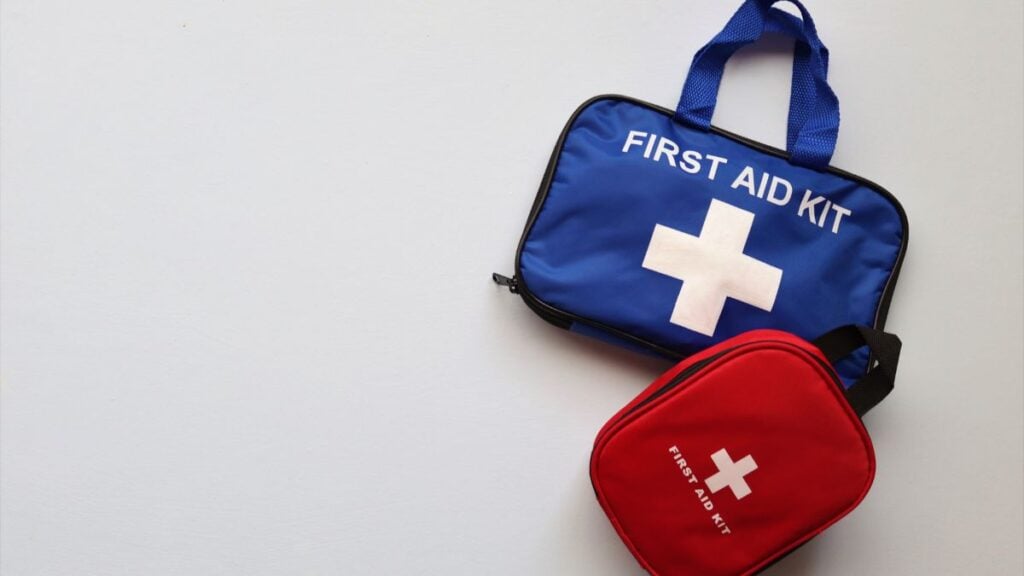
One of the biggest surprises about living alone is realizing that nobody is automatically there when something goes wrong. A fall, sudden illness, or household emergency can become more serious when another person is not around to notice.
Think about something as simple as slipping in the bathroom. When you live with someone, they may hear you call for help. When you live alone, getting assistance depends on having a plan already in place.
That does not mean you need to live in fear. It means creating a few safety habits before an emergency happens. Having a backup plan can make everyday independence feel more secure.
Keep your phone within reach, especially when moving around the house. A medical alert device or smartwatch with emergency features may provide another way to call for help if you cannot reach your phone.
Some older adults also give a trusted neighbor a spare key or install a secure key lockbox. This allows someone to enter during an emergency without damaging the door.
A simple daily check with a friend or family member can provide additional reassurance. Agree on what that person should do if you do not answer.
| Emergency Concern | Simple Preparation |
|---|---|
| Falling while alone | Keep a phone nearby or use a medical alert device |
| Sudden illness | Save emergency contacts and medical information |
| Unable to answer the door | Arrange secure access for someone you trust |
| Nobody notices your absence | Establish a regular check in routine |
| Fire or smoke emergency | Maintain working smoke alarms and clear exits |
Living independently does not mean handling every emergency alone. The right backup arrangements can help protect your freedom while reducing unnecessary risks.
2. Loneliness Can Surprise You Even If You Love Being Alone
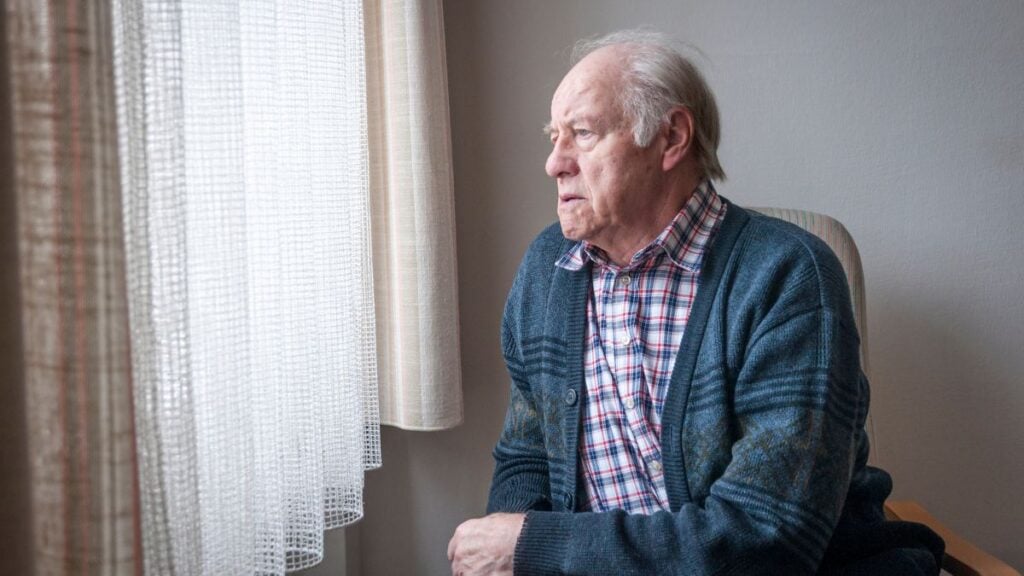
Many older adults enjoy their own company. They appreciate having a quiet home, making their own decisions, and spending time without constant conversation.
But enjoying solitude and feeling lonely are two different things. Even someone who prefers being alone can miss the small conversations that once happened naturally throughout the day.
You may miss hearing someone ask what you want for dinner. Or you might realize that several days have passed without having a meaningful conversation. These little moments can make a quiet home feel emptier than expected.
These feelings can become stronger when friends move away, a spouse passes away, or familiar social activities disappear. Retirement can also remove the casual conversations that once happened at work.
The answer is not necessarily filling your calendar with social events. Some people feel connected through just one or two dependable relationships. A few meaningful conversations can be more satisfying than a busy social schedule.
A weekly phone call, lunch with a neighbor, or regular visit with a friend can make a difference. Joining a local group also gives you opportunities to meet people without forcing every interaction.
Pets may provide valuable companionship, too. A dog or cat can make your home feel more welcoming while giving your day a familiar rhythm.
However, a pet also requires money, attention, and physical care. Make sure those responsibilities fit your abilities and lifestyle before bringing one home.
You do not need a crowded social life to feel connected. Having a few people who genuinely care about you can matter much more than knowing dozens of people.
3. Keeping Up With Your Home Can Become More Exhausting Than Expected

When you live with another person, household responsibilities are often shared. One person handles the yard while the other manages laundry, cleaning, or small repairs.
Living alone means those responsibilities eventually land on you. Even a well organized home can require more time and energy than expected.
Tasks that once seemed simple may become tiring as you age. Carrying laundry baskets, cleaning floors, changing light bulbs, and maintaining the yard can take more energy than they did years earlier.
The challenge is not always physical ability. Sometimes it is simply the mental burden of knowing that every unfinished task is waiting for you.
A leaking faucet or broken appliance can become especially stressful when you must find a repair person, arrange the appointment, and manage the expense yourself. When several problems appear together, maintaining a home can feel overwhelming.
One helpful approach is dividing household chores into smaller jobs. Instead of cleaning the entire house in one afternoon, focus on one room or task each day.
Consider paying for occasional help with jobs that are tiring or unsafe. Cleaning gutters, moving heavy furniture, and climbing ladders are often better left to someone equipped for the work.
And if maintaining a large home becomes too demanding, moving to a smaller place may be worth considering. A home that requires less maintenance may give you more time to enjoy retirement.
Downsizing does not have to mean losing independence. Sometimes a smaller, easier home gives you more time and energy for the activities you actually enjoy.
4. Your Daily Routine Becomes More Important Than You Ever Expected
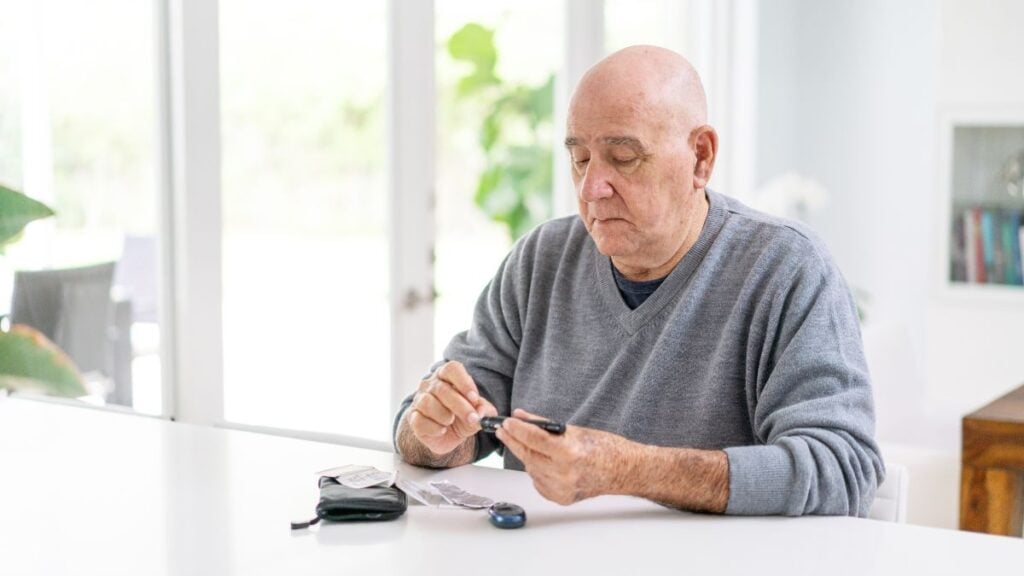
When you live alone, nobody else’s schedule shapes your day. You can eat breakfast at noon, stay awake until midnight, or spend an entire afternoon reading.
At first, that freedom feels wonderful. But without any regular activities, the days can begin to feel strangely empty. That is why small daily routines often become surprisingly meaningful.
Morning coffee on the porch, an afternoon walk, or watering the garden before dinner can give your day a comfortable rhythm. These familiar activities create something to look forward to.
Some older adults enjoy playing music while preparing breakfast. Others begin each morning by opening the curtains, making their bed, and calling a friend.
These habits may seem ordinary, but they create a feeling of stability. They also help separate mornings, afternoons, and evenings when you no longer have a regular work schedule.
A routine does not need to be strict. You should still have room for spontaneous outings, restful afternoons, and unexpected invitations.
| Time of Day | Simple Habit | Why It Helps |
|---|---|---|
| Morning | Get dressed and eat breakfast | Creates a positive start |
| Late morning | Walk or do gentle movement | Encourages regular activity |
| Afternoon | Enjoy a hobby or household task | Adds purpose to the day |
| Evening | Call someone or enjoy a favorite activity | Provides connection or relaxation |
| Before bed | Follow a calming bedtime routine | Supports consistent sleep habits |
The goal is to create enough structure that your days feel meaningful. At the same time, your routine should remain flexible enough to enjoy the freedom retirement provides.
5. Cooking for One Can Feel Harder Than Cooking for a Family

Cooking for yourself sounds simple until you actually start doing it every day. After years of preparing meals for a spouse or family, making dinner for one person can feel strangely unrewarding.
You might wonder whether preparing a proper meal is worth the effort. A sandwich, frozen dinner, or bowl of cereal can seem easier than cooking something from scratch.
There is nothing wrong with simple meals. The problem begins when convenience regularly replaces balanced eating. Over time, that habit may affect your nutrition and energy.
Living alone also means groceries may go bad before you finish them. Recipes often make more food than one person can eat, and buying small portions is not always economical.
Fortunately, a little planning can make cooking for one much easier. Preparing meals ahead of time reduces the daily effort while helping you use the food you purchase.
Prepare larger portions of meals that freeze well, such as soup, stew, or cooked beans. Store individual servings so you have something ready when you do not feel like cooking.
Keep easy ingredients available, including eggs, vegetables, fruit, yogurt, and whole grains. These can become simple meals without requiring much preparation.
You can also make cooking more enjoyable by trying a new recipe each week. Play your favorite music, set the table, and make mealtime something worth enjoying.
You deserve a satisfying meal even when nobody else is sitting at the table. Taking time to prepare food for yourself is one small way to protect your health and enjoy your independence.
6. The Silence Can Feel Wonderful One Day and Uncomfortable the Next
One of the best things about living alone is the quiet. There are no televisions playing in another room, no disagreements over noise, and nobody interrupting your thoughts.
But the same silence can feel different depending on your mood. What feels peaceful in the morning may feel uncomfortable later in the evening.
After a busy afternoon, coming home to a peaceful house may feel relaxing. After a difficult day, that same quiet can make you miss having another person nearby.
Evenings can be especially challenging. Once the errands are finished and the sun goes down, there may be fewer distractions from the empty rooms.
Some older adults find comfort in keeping a radio playing softly while they cook or clean. Others enjoy audiobooks, podcasts, or familiar television programs.
These sounds can make the home feel more welcoming without requiring constant social activity. They can also provide a pleasant background while you complete everyday tasks.
You might also create comfortable evening rituals. Reading beside a lamp, enjoying tea, or listening to favorite songs can help the house feel peaceful rather than empty.
Still, background noise should not become your only connection to other people. Real conversations and meaningful relationships remain important.
The secret is finding a balance between enjoying your privacy and recognizing when you need companionship. Some days will be better spent alone, while others may feel happier with a little company.
7. Staying Physically Active Requires More Personal Effort

When you live with someone, everyday movement often happens naturally. You might walk together, go shopping, share household chores, or leave home because someone suggests an outing.
Living alone removes some of those little reminders to get moving. Without a reason to leave home, sitting for long periods can slowly become a habit.
It can become surprisingly easy to spend most of the day sitting. You finish breakfast, watch television, read for a while, and suddenly realize that several hours have passed.
Over time, reduced movement can affect strength, balance, flexibility, and confidence. These changes may make ordinary activities more difficult than they need to be.
The good news is that you do not need an expensive gym membership to stay active. Walking, gardening, dancing, and gentle exercises at home can all help.
Try connecting movement to activities you already enjoy. Take a short walk after breakfast, stretch while watching television, or spend time tending plants.
A friend or neighbor can also provide motivation. Having someone expecting you for a morning walk makes the activity easier to maintain.
For most adults 65 and older, general activity guidance includes about 150 minutes of moderate aerobic activity each week, along with muscle strengthening and balance exercises. But your routine should match your health, mobility, and abilities.
If you have medical conditions or difficulty moving safely, ask a health professional which activities are appropriate. The goal is to stay active within your abilities rather than push yourself beyond safe limits.
Finding safe ways to move regularly can support your independence. Even modest amounts of activity can help you maintain the abilities needed for everyday life.
8. Your Sense of Time Can Change in Strange Ways

When you work or live with family, other people’s schedules help mark the passage of time. Monday feels different from Saturday, and evenings arrive with familiar routines.
After retirement, especially when living alone, those differences can become less obvious. Days may start to blend together when fewer activities require you to follow a schedule.
You may wake up and briefly wonder whether it is Tuesday or Wednesday. Sometimes the morning seems to last forever, while an entire week disappears before you realize it.
This can happen because there are fewer outside events giving your days a clear structure. Without regular appointments, shared meals, or work responsibilities, time can feel less organized.
Creating weekly activities can help restore that structure. You might shop for groceries on Mondays, attend a class on Wednesdays, and meet friends on Fridays.
Having small plans also gives you reasons to look forward to particular days. Those regular activities can make your week feel more interesting and organized.
Consider keeping a calendar somewhere visible. Write down appointments, birthdays, community activities, and anything else you want to remember.
However, frequent confusion about dates, sudden disorientation, or memory problems that interfere with everyday tasks should not be dismissed as a normal part of living alone. These changes deserve medical attention.
You do not need to schedule every hour. A few dependable weekly activities can help the days feel more distinct while leaving plenty of room for freedom.
9. Decluttering Becomes an Emotional Experience, Not Just a Household Task

When you live alone, you have complete control over what stays in your home. Nobody complains about your collections, questions your decorations, or asks you to throw away old belongings.
That freedom can be comforting. But it can also make decluttering surprisingly difficult, especially when your possessions hold memories from many years of life.
Every object may carry a memory. A photograph reminds you of a family vacation, an old chair belonged to your parents, and a set of dishes brings back holidays from decades ago.
Letting go of these belongings can sometimes feel like letting go of pieces of your past. Objects that seem ordinary to someone else may hold deep personal meaning for you.
For older adults who have lost a spouse or close family members, certain objects may hold even greater emotional meaning. Sorting through these belongings can bring back feelings that have been quiet for years.
There is no need to rush through those feelings. The goal is not to create an empty house or get rid of everything that matters.
Instead, focus on making your living space easier to maintain and safer to move around. A home with fewer unnecessary belongings may require less cleaning and feel more comfortable.
Start with one drawer, shelf, or cupboard. Keep the items you use, appreciate, or genuinely want to preserve.
Consider donating things that no longer serve a purpose. You can also give meaningful family objects to relatives who would appreciate them.
Pay special attention to crowded walkways, loose rugs, and piles of belongings that create tripping hazards. Clearing these areas can make everyday movement safer.
Decluttering is not about erasing your history. It is about creating a home that supports the life you are living now while preserving the memories that matter most.
10. Social Invitations May Slow Down Unless You Start Making Plans
One of the more painful surprises about aging alone is realizing that invitations sometimes become less frequent. Friends who once called regularly may gradually become harder to reach.
Friends may move closer to their children, develop health problems, or become busy with their own families. Couples might arrange activities with other couples without thinking to include someone living alone.
Sometimes the changes happen so gradually that you hardly notice them. Then one weekend arrives when nobody calls, and you realize you have been waiting for invitations instead of making plans yourself.
That can feel disappointing, especially if you once had a busy social life. But reaching out first can change the situation and help you reconnect with people.
Invite a friend for coffee, suggest lunch after a community event, or organize a simple gathering at home. You do not need an elaborate occasion to spend time with people.
A neighborhood walking group, book club, or regular card game can also create opportunities for connection. These activities give people a reason to meet without making every gathering feel like a special event.
Try making social plans part of your weekly routine rather than something that happens only when another person remembers to call. Regular activities can create friendships that grow naturally over time.
| If You Enjoy… | Try This Social Activity |
|---|---|
| Reading | Join a library book group |
| Walking | Arrange regular walks with a neighbor |
| Cooking | Invite a friend for a simple meal |
| Gardening | Participate in a local gardening group |
| Crafts | Organize a monthly craft afternoon |
| Conversation | Schedule a weekly coffee or phone call |
Of course, relationships should involve effort from both sides. You should not feel responsible for keeping every friendship alive by yourself.
Still, being willing to make the first invitation can open the door to experiences that might otherwise never happen. Sometimes another person is hoping for company but does not know how to ask.
11. Taking Care of Yourself Can Become Surprisingly Easy to Neglect
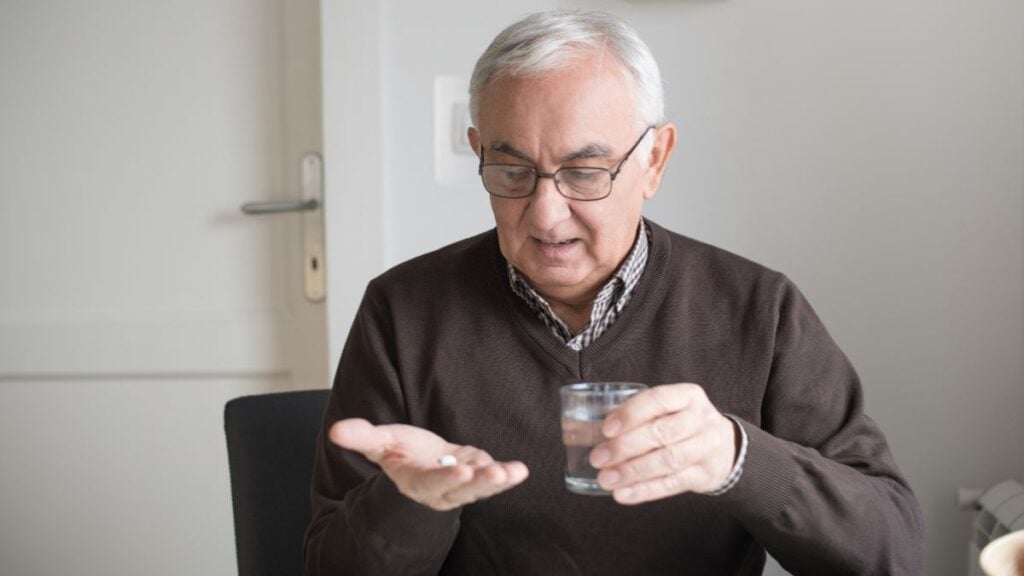
Perhaps the most unexpected challenge of living alone is how easy it can become to overlook your own needs. Without another person sharing your daily routine, small changes in your habits may go unnoticed.
When nobody else is around, you might stop making the same effort with everyday habits. You may skip breakfast, wear the same clothes for several days, or put off scheduling an appointment.
At first, these choices can seem harmless. After all, nobody is there to complain or notice. But caring for yourself matters whether someone else sees it or not.
Over time, letting basic habits slide can affect your health, comfort, and sense of well being. Regular meals, sleep, hygiene, and medical care all help support a comfortable life.
Some older adults also struggle with motivation after losing a spouse or retiring from a long career. Activities that once felt normal may suddenly seem less important.
That is why personal care deserves a regular place in your routine. Small daily habits can make it easier to stay comfortable and recognize when something needs attention.
Get dressed in the morning, even if you have no plans to leave home. Prepare meals you enjoy and maintain a comfortable sleep schedule.
Keep up with dental visits, medical appointments, medications, and other health needs. Do not wait until someone else reminds you.
Make room for activities that bring pleasure, too. Reading a favorite book, visiting a park, or spending time on a hobby can be a meaningful way to care for yourself.
And remember that emotional health matters as much as physical care. If you consistently feel sad, lose interest in activities you once enjoyed, or struggle to manage daily tasks, consider speaking with a health professional.
Persistent changes deserve attention rather than being accepted as an unavoidable part of aging. Your health, comfort, and happiness still matter, even when nobody else is watching.
How to Make Living Alone Safer and More Enjoyable
Living alone successfully is not about proving that you never need help. It is about creating a home and lifestyle that allow you to keep making your own choices.
A few practical arrangements can make daily life easier without taking away your freedom. Start by looking at the parts of your routine that already work well and the areas where additional support could help.
| Area | One Helpful Action | What It Supports |
|---|---|---|
| Personal safety | Create an emergency contact and check in plan | Faster help during unexpected problems |
| Social connection | Schedule regular contact with someone you trust | Companionship and emotional support |
| Physical health | Build safe movement into your day | Strength, balance, and daily function |
| Home comfort | Simplify chores and remove hazards | Easier household management |
| Personal happiness | Plan one enjoyable activity each week | Purpose and something to anticipate |
You do not have to make every change at once. Choose the area that currently causes the most stress and begin there.
For some people, that means arranging emergency backup. For others, it means reconnecting with a friend, getting household help, or finding an enjoyable reason to leave home.
Small improvements can make independent living feel more comfortable and manageable. The goal is to build a life that fits your needs rather than follow someone else’s idea of what retirement should look like.

Jake is a chainsaws expert with a wealth of knowledge and experience in the field. He is a licensed professional by the National Chainsaw Program, which attests to his skills and expertise in the safe and efficient use of chainsaws.