
If you’re planning to retire in 2027, the decisions you make during the final months of 2026 could shape your finances for years.
Many people spend decades saving for retirement but leave important decisions about Social Security, Medicare, taxes, and monthly expenses until the last minute. That can lead to expensive mistakes, unexpected bills, and unnecessary stress during the first year of retirement.
The good news is that you still have time to prepare. Whether you’re retiring at 62, 65, 67, or later, these 12 practical steps can help you leave work with greater financial security and a clearer plan for the years ahead.
Why the Months Before Retirement Matter More Than You Think
Retirement is not simply the day your paycheck stops. It is the beginning of a major financial change that affects how you receive income, pay taxes, manage healthcare, and cover everyday expenses.
Your final working year may also be your last chance to increase retirement contributions through payroll, secure certain employee benefits, or make decisions about a pension.
Some retirement mistakes can be corrected later. Others, especially those involving pension elections or Social Security claiming, can have lasting consequences.
Here is a quick look at what deserves your attention before 2027.
| Planning Area | What to Check Before Retiring |
|---|---|
| Social Security | Best claiming age and monthly benefit |
| Medicare | Enrollment dates and insurance costs |
| Retirement savings | Contributions, withdrawals, and investment risk |
| Monthly spending | Essential expenses and lifestyle costs |
| Taxes | Income changes and withdrawal strategies |
| Employer benefits | Pension, unused leave, and insurance |
| Emergency savings | Cash available for unexpected bills |
| Personal life | Daily routine, relationships, and purpose |
You do not need to solve everything in one weekend. But starting these decisions now gives you more time to compare options and avoid rushed choices.
1. Choose Your Exact Retirement Date and Check What It Changes
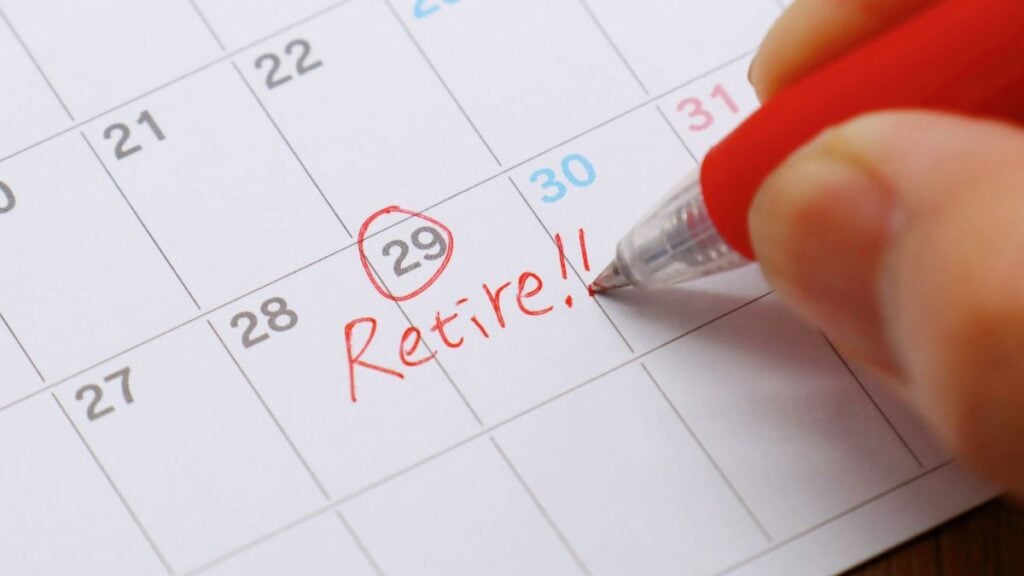
Saying you will retire sometime in 2027 is a starting point. Choosing an actual month and date allows you to make much better decisions about benefits, healthcare, and income.
For example, retiring in January may create a very different tax situation from retiring in December. Working a few additional months could also affect your final salary, pension calculation, employer contributions, or eligibility for certain benefits.
Before selecting your final working day, ask your employer for a complete retirement benefits statement. Find out what happens to your health insurance, unused vacation time, pension, and retirement accounts when you leave.
If you receive a pension, ask whether retiring on a certain date changes your monthly payment. Some plans have age requirements, service milestones, or payment rules that can make a meaningful difference.
Start right now: Pick two possible retirement dates and request written estimates of the benefits available under each option. Compare the results before giving formal notice.
2. Build a Retirement Budget Based on What You Actually Spend

One of the biggest mistakes future retirees make is guessing how much retirement will cost. They assume expenses will fall because commuting, work clothes, and payroll contributions are no longer needed.
Some costs do disappear after retirement. However, healthcare, travel, home maintenance, hobbies, and time spent outside the house may create new expenses.
Start by reviewing your bank and credit card statements from the past 12 months. Separate essential expenses from optional spending, then estimate how each category might change after retirement.
Consider this example of a couple preparing for retirement.
| Monthly Expense | While Working | Estimated in Retirement |
|---|---|---|
| Housing and utilities | $1,500 | $1,500 |
| Groceries and household needs | $650 | $700 |
| Transportation | $500 | $300 |
| Healthcare | $450 | $750 |
| Entertainment and travel | $300 | $500 |
| Other expenses | $400 | $450 |
| Total | $3,800 | $4,200 |
These are illustrative figures, not national averages. The example shows how spending can actually increase after retirement, even when work expenses disappear.
Also remember annual bills that are easy to overlook. Property taxes, insurance renewals, vehicle repairs, holiday gifts, and major home projects should be included in your plan.
Start right now: Create two budgets. One should cover your normal retirement lifestyle, while the other should show how much you could reduce spending during a difficult financial year.
3. Calculate Exactly Where Your Retirement Income Will Come From

Your savings balance does not tell you how much money will arrive in your bank account each month. Retirement income may come from several places, and those payments may begin at different times.
Start by listing every expected income source. Include Social Security, pensions, rental income, part time work, annuities, and planned withdrawals from retirement accounts.
Then separate dependable income from money that depends on investment performance or continued employment. This helps you identify how much of your essential spending is covered without selling investments.
For example, someone might expect the following monthly retirement income:
| Income Source | Monthly Amount |
|---|---|
| Social Security | $2,100 |
| Pension | $1,200 |
| Planned retirement account withdrawals | $1,100 |
| Total before taxes | $4,400 |
If monthly expenses are $4,000, that household appears to have a $400 cushion before accounting for taxes and any expenses missing from the budget.
But there is another question worth asking: What happens if the retirement account withdrawals need to be reduced because investments have performed poorly?
Someone relying mainly on guaranteed income has a different risk profile from someone who must regularly withdraw substantial amounts from investments.
Start right now: Build a monthly income calendar for the first 12 months of retirement. Mark when each payment begins, how often it arrives, and whether taxes will be withheld.
4. Decide When to Claim Social Security Instead of Automatically Claiming at Retirement

Retirement and Social Security are two separate decisions. You can stop working without immediately starting Social Security, provided you have another way to cover your expenses.
For people born in 1960 or later, full retirement age is 67. Claiming at 62 can reduce the retirement benefit by as much as 30% compared with waiting until 67.
Delaying benefits beyond full retirement age increases the monthly payment up to age 70. For people born in 1943 or later, delayed retirement credits generally add 8% per year after full retirement age, before cost of living adjustments.
That difference can be substantial over a long retirement.
Suppose your benefit at age 67 would be $2,000 per month. Under the standard claiming rules, the comparison would look approximately like this:
| Claiming Age | Monthly Benefit |
|---|---|
| 62 | $1,400 |
| 67 | $2,000 |
| 70 | $2,480 |
These amounts are examples that exclude future cost of living adjustments. Your actual benefits depend on your earnings history and other factors.
There is no perfect claiming age for everyone. Health, family circumstances, life expectancy, savings, and spousal or survivor benefits should all influence the decision.
The 2027 Earnings Limit Could Matter
If you claim Social Security before full retirement age and continue working, the earnings test may temporarily reduce your payments.
For 2027, the general annual earnings limit is $25,560 for people who remain below full retirement age throughout the year. Social Security generally withholds $1 in benefits for every $2 earned above that amount.
A higher limit of $67,920 applies in the year you reach full retirement age, but only earnings before the month you reach that age count toward it. Special monthly rules may also help people who retire partway through the year.
Benefits withheld under the earnings test are not necessarily lost forever. Social Security recalculates benefits at full retirement age to account for months when payments were withheld.
Start right now: Review your personal Social Security estimates at different claiming ages. The Social Security Administration allows eligible people to apply up to four months before their intended benefit start month, so mark the appropriate application date on your calendar.
5. Make a Medicare and Healthcare Plan Before Leaving Your Job

Healthcare is one of the most important expenses to plan for before retirement. Losing employer coverage without arranging a replacement can leave you facing large medical bills.
If you will be 65 or older when you retire, review your Medicare enrollment dates carefully. Medicare’s initial enrollment period generally lasts seven months, beginning three months before the month you turn 65 and ending three months afterward.
If you delayed Medicare Part B because you had qualifying health insurance through current employment, you may qualify for a special enrollment period. That period generally lasts eight months after employment or qualifying coverage ends, whichever happens first.
However, COBRA and retiree health coverage are not treated the same as insurance based on current employment. Relying on them to delay Medicare enrollment can cause penalties or coverage gaps.
If you plan to retire before 65, compare your options for private health insurance, COBRA, and Affordable Care Act Marketplace coverage. Losing employer health insurance generally gives you a special enrollment opportunity.
Do not overlook prescription drug coverage, dental expenses, and out of pocket medical costs. These can make a meaningful difference in your retirement budget.
There is another issue for people contributing to a Health Savings Account. Medicare enrollment can make further HSA contributions ineligible, and Medicare Part A may begin retroactively when you enroll after 65.
Start right now: Ask your employer exactly when your health coverage ends. Then compare the total costs of your available insurance options and confirm when you need to enroll.
6. Build a Cash Reserve Before Your Regular Paycheck Disappears

Many retirees focus on their total savings but overlook something equally important: having money available without selling investments at a bad time.
Suppose you retire in 2027 and the stock market declines during your first year. If you need to sell investments every month to pay bills, you could end up selling more shares than expected while prices are low.
A cash reserve can help reduce that pressure. It also gives you money for unexpected home repairs, medical expenses, or delays in receiving retirement benefits.
Start by calculating the gap between essential expenses and dependable monthly income. Then decide how much of that gap you want to keep in accessible savings.
Some retirees maintain enough cash to cover several months of expenses. Others prefer enough cash and short term investments to cover one or two years of planned withdrawals, depending on their finances and risk tolerance.
Keeping too much money in cash also has drawbacks. Inflation can reduce purchasing power over time, so your emergency savings should fit within a broader retirement plan.
Consider using separate accounts for everyday spending, emergencies, and future expenses. This can make it easier to see how much money is available for each purpose.
Start right now: Calculate how much you would need to cover six months of essential expenses. Compare that amount with your current cash savings and decide whether you need to build a larger reserve before retiring.
7. Pay Down Expensive Debt and Renegotiate Your Monthly Bills
Debt that feels manageable while you are earning a steady paycheck may become more stressful in retirement. High interest balances can consume money that would otherwise cover healthcare, groceries, and leisure activities.
Start with credit cards and other debt carrying high interest rates. Paying these balances down before retiring may reduce both monthly expenses and financial stress.
However, not every debt needs to be eliminated immediately. Paying off a low interest mortgage using a large retirement account withdrawal could create a tax bill or leave you with too little accessible cash.
The better goal is to enter retirement with debt payments that comfortably fit your expected income.
Review your recurring expenses as well. Car insurance, home insurance, internet plans, phone bills, subscriptions, and banking fees deserve attention before you leave work.
You may discover that several small expenses have been quietly reducing your monthly savings for years.
For example, cutting $250 from monthly expenses creates $3,000 in annual breathing room. That is money you will no longer need to withdraw from savings or cover with part time income.
Start right now: Review your last three months of statements. Identify three recurring costs you can cancel, reduce, or renegotiate before the end of 2026.
8. Make the Most of Your Final Working Year and Employer Benefits
Your final year of employment may offer opportunities that disappear once you retire. This is especially true for retirement contributions, employer matching funds, insurance benefits, and pension credits.
In 2026, the basic employee contribution limit for most 401(k), 403(b), and governmental 457 plans is $24,500. Workers age 50 and older generally qualify for additional contributions, subject to plan rules.
For many eligible workers age 50 and older, the additional 2026 contribution limit is $8,000. Those ages 60 through 63 may qualify for a higher catch up limit of $11,250.
That means some employees can make substantial final year contributions before leaving the workforce.
But contributing more is not automatically the right decision. Someone with limited emergency savings or expensive credit card debt may need to balance saving for retirement against more immediate financial needs.
You should also review any employer matching contributions that are not yet fully vested. Leaving before a vesting date could mean losing money you expected to receive.
If you have a traditional pension, request written details about your available payment choices. Find out whether you can receive monthly payments, a lump sum, or survivor benefits.
Also review vacation payouts, unused sick leave, stock compensation, bonuses, and any retiree insurance benefits.
Start right now: Contact your human resources department and ask for a complete retirement benefits review. Check your final 2026 contributions, vesting dates, and any deadlines that could affect your benefits.
9. Plan Your Taxes Before Your Income Sources Change

Many people assume their taxes will automatically decrease when they retire. That is not always true.
Retirement income may come from Social Security, pensions, traditional IRAs, 401(k) withdrawals, investment gains, and other sources. Different types of income can receive different tax treatment.
A large withdrawal from a traditional retirement account could push you into a higher tax bracket. It might also cause more of your Social Security benefits to become taxable.
Your Medicare premiums could also be affected. Income related Medicare premium adjustments generally use tax information from two years earlier, although certain life changes, including retirement, may qualify you to request a reduction.
This makes tax planning before retirement especially useful.
Consider whether it makes sense to spread large withdrawals across several tax years rather than taking everything at once. You may also want to review whether a Roth conversion fits your situation.
A Roth conversion moves money from a tax deferred retirement account to a Roth account, generally creating taxable income in the conversion year. It can provide future tax benefits, but the immediate tax cost needs careful review.
Another issue is required minimum distributions. These rules force many retirees to begin taking money from certain retirement accounts at a specified age, even if they do not need the cash for living expenses.
For someone retiring in their early or middle 60s, there may be years available for tax planning before those required withdrawals begin.
Start right now: Prepare an estimate of your 2026 taxes and a separate estimate for 2027. Consider reviewing both with a qualified tax professional before making large withdrawals, Roth conversions, or pension decisions.
10. Review Your Investments Before You Start Taking Money Out

The investment strategy that helped you build retirement savings may not be the best strategy for withdrawing money from those savings.
While working, you may have been comfortable with large market swings because you were still earning money and adding to your accounts. After retirement, selling investments during market downturns can become a much bigger concern.
This is sometimes called sequence of returns risk. Poor investment performance early in retirement can cause greater damage when you are withdrawing money at the same time.
Review how much you have invested in stocks, bonds, cash, and other assets. Then ask whether that mix still matches your goals and ability to handle losses.
Moving everything into cash is rarely the answer. Retirement could last 20 or 30 years, and many retirees still need some investment growth to help offset inflation.
The goal is a balance between growth, stability, and accessible funds for upcoming expenses.
You should also decide which accounts you expect to use first. A withdrawal from a traditional IRA may have different tax consequences from withdrawing money from a taxable brokerage account or taking a qualified Roth distribution.
There is no single withdrawal order that works for everyone. Taxes, age, account balances, Social Security timing, and family circumstances all matter.
Start right now: Review your investment allocation and make a written plan for how you expect to fund the first three years of retirement. Include how you would respond if markets declined sharply during that period.
11. Organize Your Retirement Paperwork and Update Your Beneficiaries

Retirement planning involves more than choosing investments and setting a budget. It also means making sure your financial affairs are organized if you become ill or your family needs to handle them.
Start by gathering the documents connected to your finances, insurance, and estate.
Review your will, financial power of attorney, healthcare directives, insurance policies, pension documents, and retirement account beneficiary forms.
Beneficiary designations deserve special attention. Certain retirement accounts and life insurance policies generally pass to the people listed on those forms, even when your will names someone different.
An outdated beneficiary form could create serious problems for your family. Marriage, divorce, death, and changes in family relationships are all reasons to review these instructions.
It is also useful to create a secure list of financial accounts, insurance providers, important contacts, and regular payment obligations.
Make sure a trusted person knows how to find the information if needed. Avoid keeping passwords or sensitive account information in an unsecured document.
Retirement is also a good time to review your insurance coverage. Life insurance needs, disability coverage, and other policies may change when employment income ends.
Start right now: Create one organized retirement records folder, either physical or digital. Review beneficiary forms and essential legal documents, then arrange professional help for anything outdated or unclear.
12. Start Building the Daily Life You Want After Work
Money is important, but it cannot answer every question retirement brings. One of the biggest changes may be losing the daily routine and social connections that work provided.
For decades, your job may have given you a reason to get up, people to talk with, and goals to work toward. Retirement can remove much of that structure almost overnight.
Some people enjoy the freedom immediately. Others feel restless, isolated, or unsure how to spend their time after the excitement of leaving work begins to fade.
That is why retirement preparation should include more than financial calculations.
Think about the activities you genuinely enjoy. Consider friendships, family time, volunteering, learning, physical activity, travel, gardening, or part time work.
You do not need a full calendar or an expensive hobby. But having a few meaningful activities each week can make retirement feel more rewarding.
Your housing situation deserves attention too. Think about whether your current home is affordable, comfortable, and manageable for the years ahead.
A house that works well at 62 may become difficult to maintain at 82. You do not necessarily need to move now, but considering future needs can help you avoid rushed decisions later.
Maintaining physical independence is another useful goal. Regular movement, strength exercises, balance activities, and preventive healthcare can support your ability to participate in everyday life.
Start right now: Practice a retirement day while you are still working. Use a day off to follow the routine you expect to enjoy after retirement, then notice what feels satisfying and what may need more planning.
Your Retirement Preparation Timeline: What to Do Between Now and 2027
The final months before retirement should be used to turn ideas into specific decisions. You do not need to complete every step immediately, but some actions have deadlines that deserve attention.
| Time Period | What to Focus On |
|---|---|
| October to December 2026 | Set retirement date, review benefits, estimate spending, check 2026 contributions |
| Early 2027 | Compare Social Security options, finalize healthcare coverage, review taxes |
| Three to six months before retiring | Confirm pension elections, arrange cash reserves, review investments |
| One to four months before retiring | Submit time sensitive benefit applications when eligible, confirm insurance start dates |
| Final working month | Verify final pay, employer benefits, account access, and payment schedules |
| First three months of retirement | Track actual expenses, review income, and adjust your routine |
Your personal timeline will depend on your retirement date, age, employer, and benefits. Medicare and Social Security deadlines should be checked individually rather than relying on a general calendar.
