Choosing between RV and tiny home living involves more than just lifestyle preferences; your state’s 2026 laws could make your dream legal or impossible. Have you ever worried about buying your perfect mobile home, only to discover you have nowhere legal to put it? You’re not alone. Many people invest in alternative housing without understanding the complex legal restrictions that vary wildly by state and even by county.
This matters. Your zoning classification determines everything. Direct advisor, comparing RV and tiny home regulations state-by-state, providing clear cost breakdowns, and revealing which states like Texas and Florida offer the most flexibility for both lifestyles in 2026.
Actionable advice you can use immediately to navigate 2024 tiny house laws and find the best RV living legal states for your new beginning.
1. RV Living vs Tiny Homes: Key Differences Explained
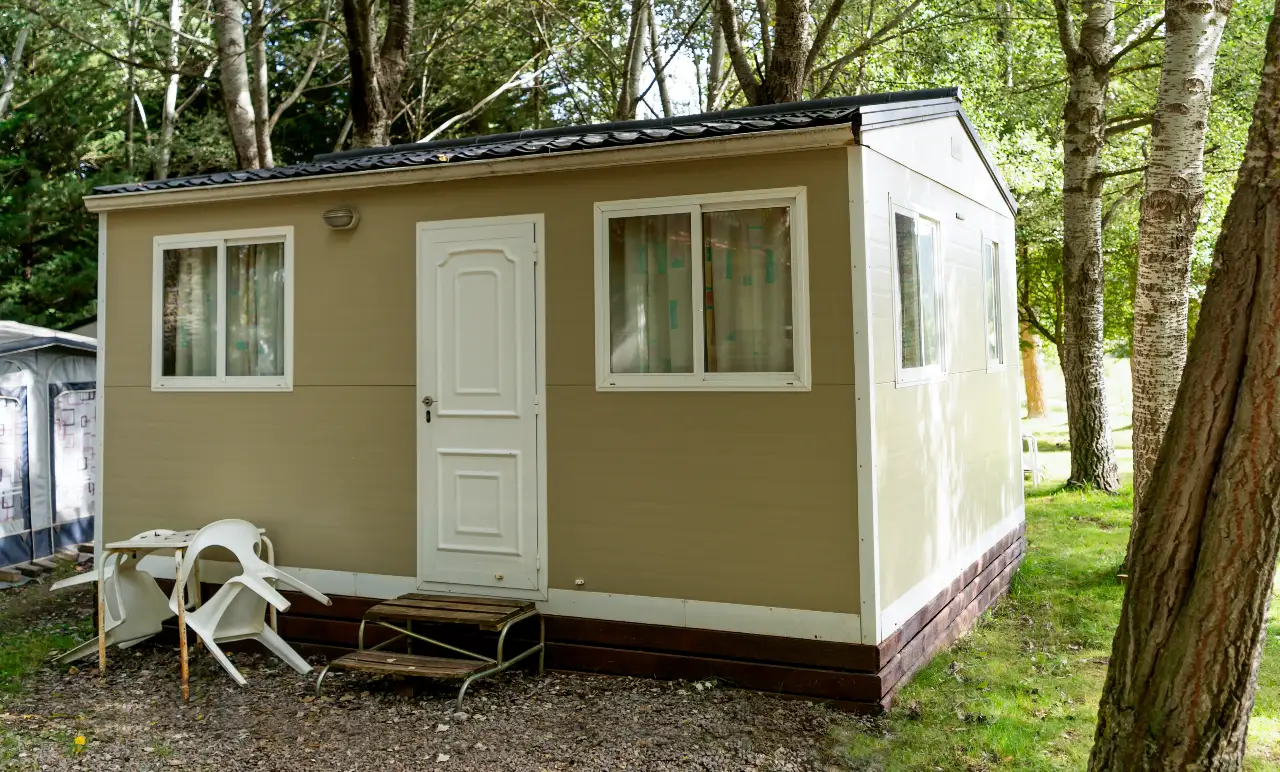
Knowing the difference between an RV and a tiny home is your first step. Why? Because the law sees them completely differently. Your choice affects where you can park, what you can build, and how often you can move.
Think of it this way: an RV is a vehicle. It must meet RV Industry Association (RVIA) standards for the road. A tiny home is a structure. If it’s built to code, it follows the International Residential Code (IRC), specifically Appendix Q for small dwellings.
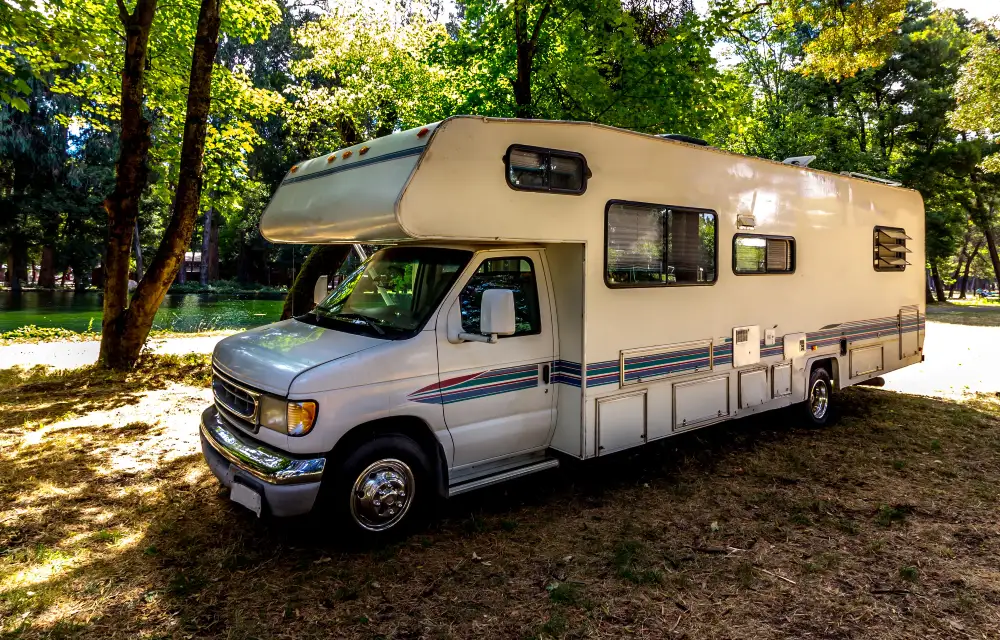
This classification changes everything. An RV is designed for constant travel. A tiny home on wheels might move occasionally, but it’s often placed on private land. Zoning laws are the biggest hurdle. Many towns ban full-time RV living outside of parks. They may also block tiny houses if local codes require a minimum home size.
Always check your local rules first. A simple call to your city’s planning department can save you thousands of dollars and major legal headaches.
2. State-by-State Guide: Where Each Lifestyle Thrives in 2026

Where you park your home matters just as much as the home itself. State laws create the foundation, but your final decision will depend on your specific city or county, as states offer the best legal environments for each lifestyle in 2026.
RV-Friendly States

Oregon has relaxed laws for RV living. You can generally park and live on public land for up to 14 days in one location without a permit, as long as you don’t cause disruptions. However, be aware that individual cities are now proposing stricter rules, such as limiting where RVs can be parked on residential property and prohibiting full-time living in them.
California is also known for its RV-friendly climate, allowing indefinite stays in one location provided no health hazards are created.
Texas permits full-time RV residency, but you must register your vehicle with the county and follow all local ordinances.
Tiny-Home-Friendly States
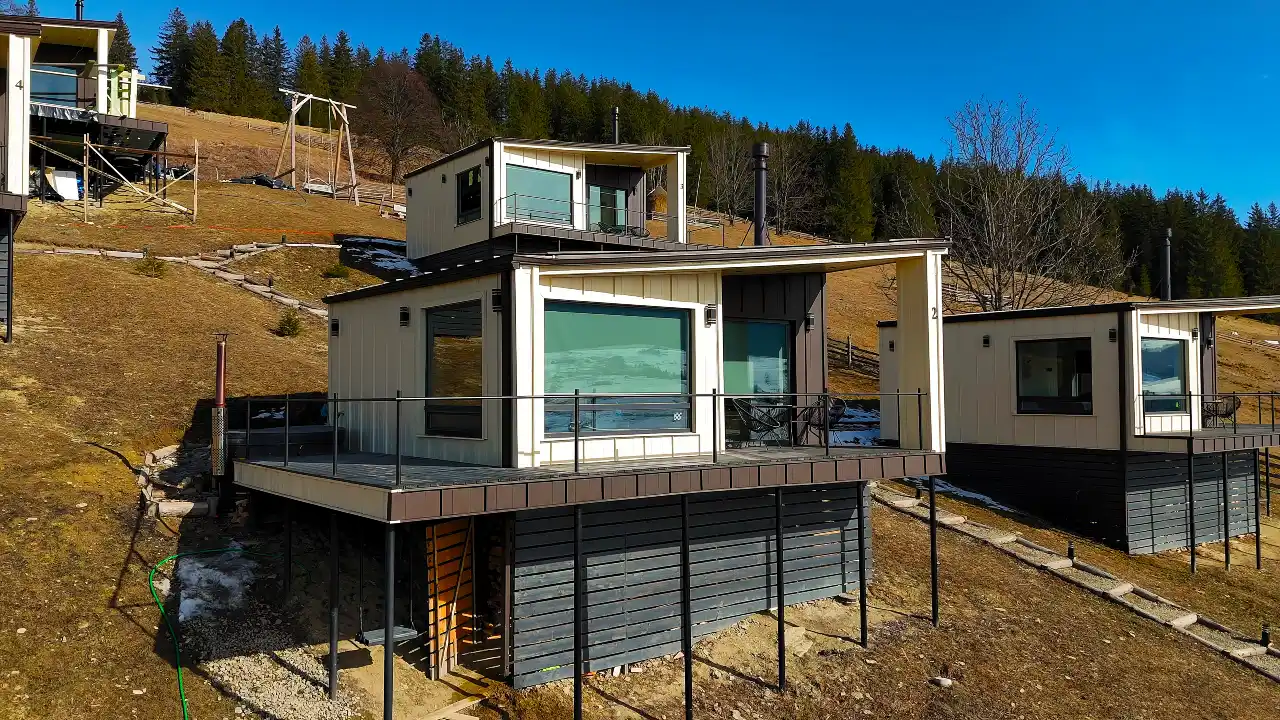
Maine stands out for its clear, state-level law. It requires all municipalities to permit tiny homes on any individual house lot where single-family dwellings are allowed.
California allows movable tiny homes (on wheels) to be used as Accessory Dwelling Units (ADUs) in many areas, integrating them into the housing supply.
Oregon has adopted a comprehensive Small Home Specialty Code based on the International Residential Code (IRC), including Appendix Q, which provides a clear path for permitting permanent tiny homes under 400 sq ft.
Colorado is generally friendly, with most counties following the 2018 IRC with Appendix Q for tiny homes on a foundation.
Texas is permissive with no statewide minimum square footage, though some cities like Austin and Spur have become hubs for tiny home communities.
Challenging States for Both Lifestyles

Delaware strictly prohibits full-time RV living, with violators facing a $100 fine.
Alaska does not permit full-time RV residency, limiting camping to 14 days in one location.
States like Connecticut and New York are challenging due to strict local zoning laws that often discourage non-traditional housing. In New York, living in an RV on private property requires permission from the local government.
3. 2026 Legal Considerations: Zoning, Codes, and Restrictions

Your dream home might be built, but is it perfectly legal? The difference between a hassle-free setup and a legal nightmare often comes down to three key areas: zoning, building codes, and local restrictions.
Zoning Laws: Your Location Dictates Your Options

Zoning laws are the single biggest hurdle. They dictate how a piece of land can be used. A residential zone may not allow an RV as a primary dwelling. For example, many areas only permit RVs in designated parks or on private property with strict conditions. Tiny homes on a foundation are often treated as accessory dwelling units (ADUs), which may be allowed in residential zones. Always ask: What is this land zoned for?
Building Codes: How Your Home Must Be Built

Your home’s classification determines which rules it must follow.
Tiny Homes (on a foundation) must typically comply with the International Residential Code (IRC). Appendix Q of the IRC provides specific safety standards for tiny houses, covering loft dimensions, stairways, and ceiling heights.
RVs and Tiny Homes on Wheels (THOWs) are usually built to RV Industry Association (RVIA) standards. This certification is designed for vehicles, not permanent structures. Some jurisdictions do not recognize RVIA standards for year-round living.
Common Restrictions to Watch For

Minimum Square Footage: States like Texas have few state-level size rules, and some municipalities enforce minimums that can exclude tiny homes. Always verify local requirements.
Your first and most important step is always to call your local planning and zoning department. A 10-minute call can save you thousands of dollars and countless headaches.
I hope these sections provide the clear, actionable guidance you were looking for. Would you like me to draft the next sections, such as the cost comparison or the conclusion?
4. Cost Comparison: RV vs Tiny Home Living in 2026

Your budget is about more than the sticker price. You need to consider both your initial investment and the costs that follow you for years.
Initial Investment

The upfront cost for both can be similar, but what you get is different. A tiny house typically costs between $30,000 and $60,000 on average, but high-end models can reach $150,000 or more. New RVs can range from about $35,000 to over $100,000. While a tiny home’s cost per square foot is higher ($150-$450), you are often paying for more residential-style construction.
Ongoing & Hidden Costs

This is where paths diverge greatly. RVs have frequent fuel and maintenance costs (engine, tires) and campground fees. Tiny homes have lower utility bills but require standard home maintenance. A major hidden cost for tiny homes is setting up utilities and septic systems, which can cost $5,000 to $20,000. You must also budget for land rental or purchase, permits, and insurance.
5. How to Choose: 5 Questions to Decide Your Path

Choosing your mobile home isn’t just about money. Your lifestyle and plans matter just as much. Answer these five questions to find your fit.
How often do you plan to move?
If you want to change scenery every week, an RV is for you. It’s built for easy, spontaneous travel. Moving a tiny house is a major project. It requires a heavy-duty truck and careful planning for each relocation. It’s mobility versus stability.
What is your tolerance for legal uncertainty?
RVs have a clear place in the law, RV parks, and campgrounds. Tiny houses face a complex patchwork of zoning laws. Many areas classify them as RVs, restricting where you can live long-term. An RV offers simplicity; a tiny house requires research and perseverance.
Do you prefer a quick setup or a custom design?
An RV comes ready to use. You can drive it to a park and hook up utilities quickly. A tiny home can be fully customized to your taste, with higher-quality materials and a more residential feel. You are choosing between convenience and personalization.
What is your budget for the initial investment?
Look beyond the purchase price. With an RV, you must factor in high depreciation. With a tiny house, you must account for the cost of land, utility hookups, and permits, which can add tens of thousands of dollars. Plan for the total cost, not just the first payment.
How important is building long-term equity?
An RV is an expense. Its value steadily declines. A tiny house is more of an asset. It retains value much better and, if on owned land, can be treated more like traditional real estate. Think about whether you’re making a lifestyle purchase or a long-term investment.