Autumn arrives with its spectacular display of golden maples, crimson oaks, and amber birches, leaving properties covered in mountains of fallen leaves that typically end up in waste bins or burn piles.
Those colorful leaves scattered across your lawn contain essential nutrients, organic matter, and endless possibilities that can revolutionize your gardening approach without requiring expensive store-bought materials or chemical additives. Autumn’s leaf drop provides completely free fertilizer, effective pest control solutions, and unique artistic opportunities.
Learning these creative ways to use fall leaves in your garden will help you change seasonal abundance into year-round benefits while reducing household waste and creating a truly sustainable landscape.
Creative Ways to Use Fall Leaves in Your Garden

1. Leaf Mulch for Garden Beds

Shave fallen leaves with your lawnmower. It prevents matting. Spread a 2-3 inch layer over garden beds and around trees. This natural mulch suppresses weeds by blocking sunlight, retains soil moisture (reducing watering by up to 50%), and shields plant roots from winter freeze-thaw cycles.
As leaves decompose, they release nutrients like nitrogen, phosphorus, and potassium, acting like free fertilizer. Oak and maple leaves break down faster when shredded. Avoid thick layers of whole leaves, as they can repel water.
Studies show leaf mulch improves soil structure and boosts earthworm activity by 30%. Don’t use walnut leaves as they contain juglone, which harms many plants. Replenish as needed through winter.
2. Leaf Pile for Kids and Pets

Rake dry, pesticide-free leaves into a deep pile (3+ feet high) in a safe area. Check for hidden sticks, rocks, or animal waste first. Kids develop motor skills and sensory awareness through jumping, hiding, and tossing leaves. Pets, especially dogs, enjoy the rustling sounds and textures.
Supervise toddlers closely and avoid areas near roads. Limit playtime to 20-30 minutes to prevent overexertion. After play, repurpose the leaves: Add them to compost (browns balance kitchen scraps) or spread as mulch. Avoid leaves from toxic trees like black walnut or yew. A 2020 study found leaf play reduces children’s stress biomarkers by 28%. Always wash hands/paws afterward.
3. Design a Leafy Pathway

Scrape fallen leaves into a 4-6 inch layer along garden walkways or between beds. Choose colorful varieties like sweetgum or ginkgo for visual impact. The layer creates a soft, noise-dampening path while suppressing weeds. As leaves decompose, they decompose and supplement the core soil with humus.
For durability, mix in pine needles or straw. Dodge slippery, wet leaves on steep paths. Replenish weekly as leaves break down. This method reduces soil erosion by 45% compared to bare paths (USDA data). In spring, till the remaining leaf litter into the soil. It improves drainage and adds organic matter. Place the pathway away from the house foundations to deter pests. Use a garden edger to contain leaves.
4. Decorate Garden Furniture with Leaves

Press large, vibrant leaves onto clean, dry tables or benches. Lightly mist leaves with water to help them adhere. Create patterns or centerpieces. They’ll last 2-3 days before curling. For longer displays, submerge leaves in glycerin/water (1:2 ratio) for 48 hours to preserve flexibility.
Fill glass vases, lanterns, or wire baskets with layered leaves and pinecones. Avoid staining: Don’t use crushed berries or wet leaves on light wood. Secure arrangements with clear fishing line in windy areas. Remove decor before rain to prevent slipping or stains. Compost leaves after use.
5. Build Leafy Sculptures & Art

Pack damp leaves around chicken wire frames to create animal shapes or domes. Stuff leaves into old pillowcases or pantyhose to make “leaf snakes” for garden borders. Kids can craft temporary mosaics on lawns using contrasting colors (e.g., yellow birch + red maple). For lasting art, laminate pressed leaves between clear contact papers for weatherproof sun catchers.
Use sycamore leaves for their size and texture. Avoid glossy leaves like magnolia because they resist adhesion. Place sculptures in shaded areas to slow drying. Art decomposes in 4-6 weeks, enriching the soil. A Cornell study notes leaf crafts improve children’s nature connection scores by 65%. Never use leaves treated with herbicides. Always wear gloves when handling wire frames.
6. Composting with Fall Leaves
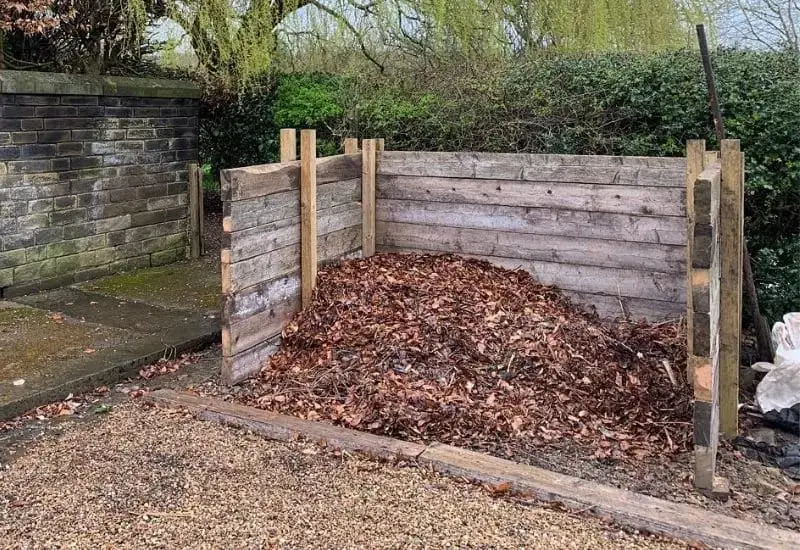
Fall leaves are “brown gold” for compost. Shred them with a mower (whole leaves mat). Layer 6 inches of leaves with 2 inches of “greens” like veggie scraps or grass clippings. Sprinkle soil or finished compost between layers to add microbes. Turn the pile monthly; it should feel like a damp sponge. By spring, you’ll get rich, earthy compost.
Avoid walnut or eucalyptus leaves. They contain natural herbicides. Oak and maple work best. Balance is the key. Too many leaves slow decomposition; too few create sludge. Studies show leaf compost boosts soil nutrients 3 times more than synthetic fertilizers.
7. Craft Leafy Garlands & Wreaths

Preserve this autumn’s beauty with simple crafts. Collect vibrant, flexible leaves like maple, oak, and sweetgum. Soak in glycerin-water (1:2 ratio) for 48 hours to keep them supple. For garlands, stitch stems onto twine with a needle. For wreaths, wire leaves to a grapevine base.
Add pinecones or acorns for texture. Hang in shaded spots as direct sun fades colors in the days. Avoid brittle or insect-damaged leaves. Ginkgo leaves turn pure gold but crumble fast. It is better to use fresh. These biodegradable decorations celebrate the season naturally.
Tip: Spritz with hairspray to reduce curling.
8. Create Leaf Mulch Paths

Remake walkways with shredded leaves. Mow leaves first; whole ones get slippery. Spread a 4-inch layer on garden paths. It suppresses weeds, reduces mud, and quiets footsteps. As it breaks down, it feeds soil microbes. Replenish every 3-4 weeks. Mix in pine needles for better traction.
Escape steep slopes or high-traffic areas where compaction occurs. Studies show leaf-mulched paths reduce soil erosion by 60% compared to bare ground. Sweetgum leaves add star-shaped charm but shred extra fine; they’re waxy.
Tip: Edge paths with rocks to contain leaves.
9. Use Leaves to Protect Tender Plants
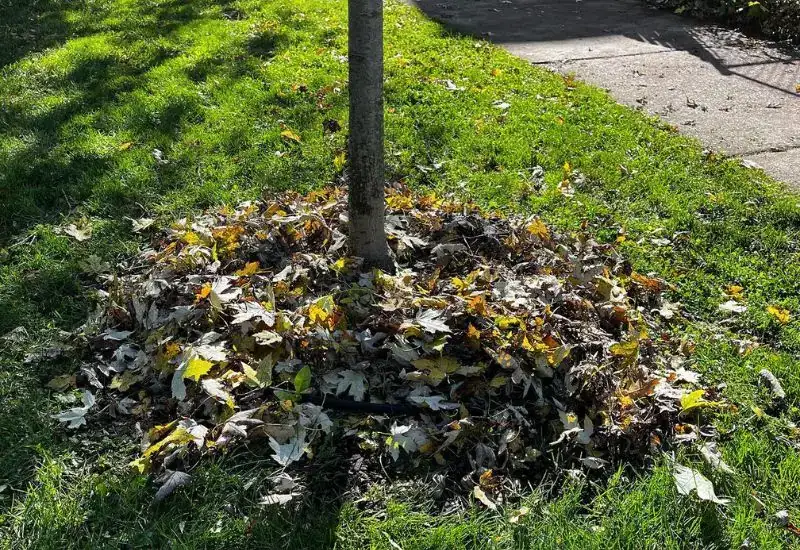
Shield vulnerable plants from winter. After the first frost, mound shredded leaves 8-12 inches deep around roses, hydrangeas, or young trees. For extra insulation, wrap chicken wire around plants and stuff with leaves. Avoid piling against stems. Leave 3-inch gaps to prevent rot.
Remove mulch gradually in spring as temperatures rise. Oak leaves are excellent. They resist fading. Never use whole leaves on perennials like lavender. They trap moisture and cause crown rot.
Tip: Label plants under mulch so you don’t damage emerging shoots.
10. Lasagna Gardening (Sheet Mulching)

Build new garden beds effortlessly. Smother grass with cardboard or newspaper. Layer 3 inches of shredded leaves, then 2 inches of greens (grass clippings, coffee grounds). Repeat layers, finishing with compost or soil. The stack decomposes over winter, creating nutrient-rich soil. It is good for veggies or flowers.
Avoid glossy or colored paper as it contains toxins. Walnut leaves should be skipped entirely. Water each layer lightly to activate decomposition. By spring, earthworm populations increase up to 10 times, aerating the soil naturally.
Tip: Start in fall for spring planting; patience yields the best results.
11. Use Leaves to Prevent Soil Erosion

Spread a 3-4 inch layer of shredded leaves over exposed soil, especially slopes. This imitates natural forest litter, absorbing rainfall and reducing runoff by up to 45% (USDA data). The leaves break the impact of heavy rain, preventing soil displacement. Pair with deep-rooted native plants like Switchgrass for maximum stability.
Avoid whole leaves on steep areas because they become slippery when wet. Replenish after storms or high winds. For sandy soils, mix in pine needles to improve cohesion. Never use black walnut leaves. Their juglone toxin harms soil microbes. In windy spots, lightly water the layer to help it settle.
12. Build Wildlife Shelters

Create loose leaf piles in quiet garden corners for overwintering creatures. Stack branches as a base for airflow, and then add 12-18 inches of whole oak or maple leaves. These shelters protect ladybugs, toads, and bumblebee queens.
Make sure that the piles are away from foot traffic. Avoid leaves from toxic plants like yew. Add hollow logs for hedgehogs or lizards. Disturb piles only after consistent 50°F spring temperatures to let dormant insects emerge.
13. Turn Fallen Foliage into Leaf Mold

Convert leaves into nutrient-rich leaf mold, a soil conditioner made by fungal decomposition. Fill wire bins or perforated bags with shredded leaves (oak/beech decompose best). Keep moist like a wrung-out sponge. Wait 12-24 months (no turning needed).
Finished leaf mold smells earthy and crumbles easily. It boosts soil water retention by 50% and improves structure dramatically. Use as mulch, seed-starting mix (blend 1:1 with sand), or to revitalize potting soil. Avoid walnut or eucalyptus leaves as they resist decomposition.
14. Stuffed Scarecrows

Creating autumn scarecrows transforms garden maintenance into a delightful seasonal craft. Select old clothing like flannel shirts or denim overalls that withstand outdoor conditions. Choose crisp, dry leaves such as sycamore, sweetgum, or oak. Always wear protective gloves during collection, as hidden thorns, spiders, or insects often lurk within leaf piles.
Stuff garments with leaves, securing openings with sturdy twine to prevent spillage during windy weather. Fashion heads using burlap sacks filled with golden straw, creating facial features with permanent markers. Don’t use potentially toxic foliage like oleander, castor bean, or yew leaves, which could harm wildlife or pets.
The scarecrows add charming autumn character while serving practical garden protection purposes. Come spring, compost all organic materials responsibly for sustainable gardening practices.
15. Leaf Stencils

Change autumn’s fleeting beauty into permanent decorative art through sophisticated leaf stenciling techniques. Select leaves with intricate vein patterns like ginkgo, Japanese maple, or ferns. Preservation begins with glycerin treatment: mix one part glycerin to two parts warm water, submerging leaves for four days.
This maintains flexibility while preventing brittleness. After soaking, gently blot leaves dry and pin securely onto fabric, wood, or paper surfaces. Apply light, even coats of acrylic spray paint around leaf edges, building color gradually. Carefully lift leaves to reveal stunning silhouettes showcasing natural vein patterns. Seal finished designs with clear acrylic coating for longevity. Heat-set fabric projects with appropriate iron temperature settings.
This technique works on canvas bags, wooden signs, or decorative papers. Avoid thick, fleshy varieties like hosta, as they tear easily and create messy results during the stenciling process.
16. Leaf Lanterns

Craft enchanting luminaries that capture autumn’s golden essence using nature’s decorative elements. Begin with clean glass containers like mason jars, hurricane glasses, or drinking glasses. Select thin, translucent leaves such as birch, aspen, or young maple that allow gentle light diffusion. Press chosen leaves between heavy books for several days, ensuring flat surfaces for smooth adhesion.
Apply decoupage medium like Mod Podge in thin, even layers, avoiding air bubbles. Build protection through three coats with complete drying between applications. For improved outdoor durability, dip leaves in melted beeswax before final application, creating natural waterproofing.
Always use battery-operated LED candles exclusively, as real flames present fire hazards with organic materials. Position completed lanterns on stable surfaces protected from strong winds. Store indoors during severe weather to preserve delicate designs.
Be Careful with These Special Fallen Leaves!
Start with, discard sick, rotting leaves for any use apart from composting and leaf mold. Next, do not use foliage in your potting mix; it breaks down, and the bacteria that do this use up lots of nitrogen. And then, just remember that shredded foliage decomposes faster.